Category
page 1Gnathifera (clade)

Rotifera
The rotifers (, from Latin 'wheel' and 'bearing'), sometimes called wheel animals or wheel animalcules, make up a phylum (Rotifera ) of microscopic and near-microscopic pseudocoelomate animals.

arrow worms
The Chaetognatha or chaetognaths (meaning bristle-jaws) are a phylum of predatory marine worms that are a major component of plankton worldwide. Commonly known as arrow worms, they are mostly pelagic; however about 20% of the known species are benthic, and can attach to algae and rocks. They are found in all marine waters, from surface tropical waters and shallow tide pools to the deep sea and polar regions. Most chaetognaths are transparent and are torpedo shaped, but some deep-sea species are orange. They range in size from .

Gnathostomulida
Gnathostomulids, or jaw worms, are a small phylum of nearly microscopic marine animals. They inhabit sand and mud beneath shallow coastal waters and can survive in relatively anoxic environments. They were first recognised and described in 1956.
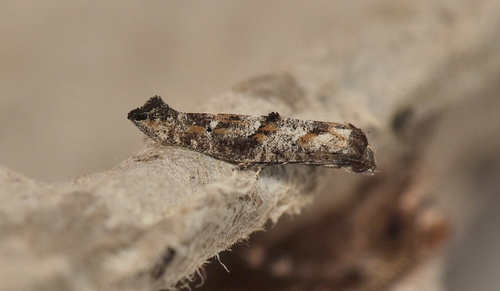
Gnathifera
clade of invertebrates
Limnognathia
Limnognathia is a genus of microscopic acoelomate freshwater animal that was discovered in Disko Island, Greenland, in 1994. Since then, it has also been found on the Crozet Islands of Antarctica as well as in the British Isles and the Spanish Pyrenees, suggesting a worldwide distribution. There are two known species of Limnognathia: L. maerski, described in 2000, and L. desmeti, described in 2025.
Syndermata
Syndermata or Trochata is a clade of animals that, in some systems, is considered synonymous with Rotifera. Older systems separate Rotifera and Acanthocephala as different phyla, and group them both under Syndermata. This clade is placed in the Gnathifera.