Category
page 1Gold standard
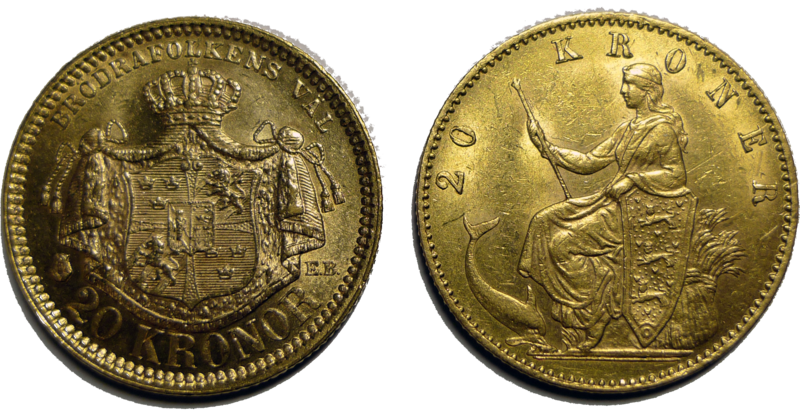
gold standard
monetary system based on the value of gold

1973 oil crisis
1973 petroleum shortage
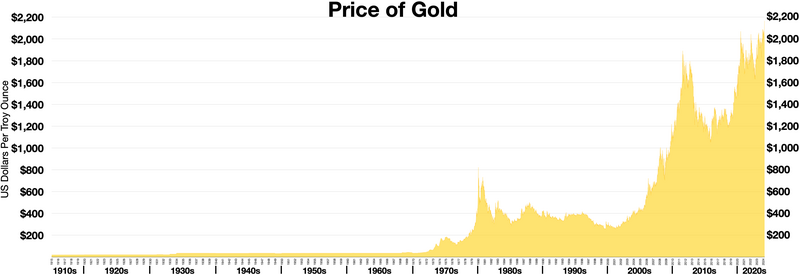
Bretton Woods system
financial-economic agreement reached in 1944

Belle Époque
period in European history, 1871–1914
Gilded Age
era in the history of the USA between the late 1860's and the 1890's
gold reserve
financial concept
fixed exchange rate
type of exchange rate regime where a currency's value is fixed against the value of another single currency
Bretton Woods Conference
international conference in Bretton Woods, New Hampshire, USA in July 1944
Scandinavian Monetary Union
Genoa Conference
conclave of 34 nations held in Genoa, Italy from 10 April to 19 May 1922
Nixon Shock
1971 decoupling of the US dollar from gold

Bancor
thumb|John Maynard Keynes
1970s energy crisis
subclass of energy crisis
Yamashita's gold
purported treasure hidden in the Philippines

Sycee
thumb|Imperial gold syceethumb|upright=0.8|Silver sycee
thumb|Drawing of a boat-shaped silver sycee
thumb|Silver sycee
thumb|Gold sycee and molds
post–World War II economic expansion
long period of worldwide economic growth following World War II
modern gold dinar
proposed currency that aims to revive the gold dinar of the medieval Umayyad Caliphate
Black Friday
gold panic on 24 September 1869 caused by the efforts of two investors, Jay Gould and his partner James Fisk (the Gold Ring), to corner the gold market on the New York Gold Exchange
World Gold Council
International trade association for the gold industry

Cross of Gold speech
1896 speech by U.S. politician William Jennings Bryan in support of a bimetallic standard
British Empire Economic Conference
1932 meeting in Ottawa, Canada
Price–specie flow mechanism
economic model of trade balance
Tripartite Agreement of 1936
Gold bloc
London Gold Pool
pooling of gold reserves
Gold fixing
setting of the price of gold
Washington Agreement on Gold
The Washington Central Banks Agreement on Gold
kinza
was the Tokugawa shogunate's officially sanctioned gold monopoly or gold guild (za) which was created in 1595.
Initially, the Tokugawa shogunate was interested in assuring a consistent value in minted gold coins; and this led to the perceived need for attending to the supply of gold.
Exchange Stabilization Fund
of the United States Treasury Department