Category
page 1Gonyaulacales

Ceratium
The genus Ceratium is restricted to a small number (about 7) of freshwater dinoflagellate species. Previously the genus contained also a large number of marine dinoflagellate species. However, these marine species have now been assigned to a new genus called Tripos. Ceratium dinoflagellates are characterized by their armored plates, two flagella, and horns. They are found worldwide and are of concern due to their blooms.
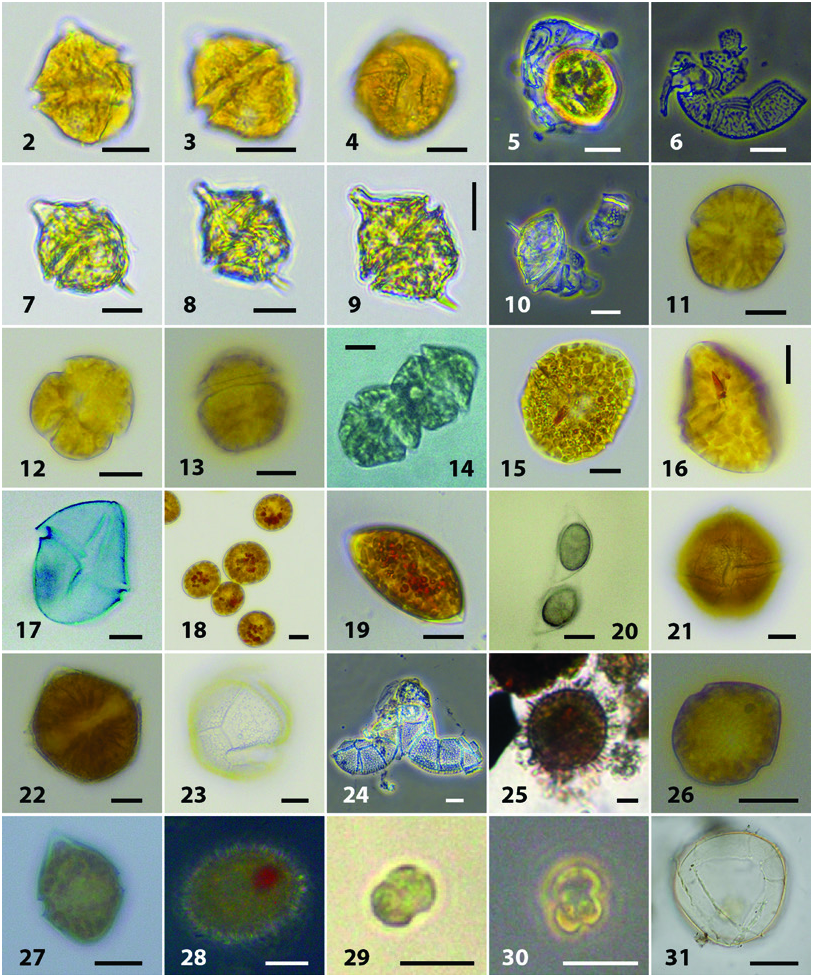
Lingulodinium polyedra
species of protist

Ostreopsis
Ostreopsis is a genus of free-living dinoflagellates found in marine environments. Some species are benthic; the planktonic species in the genus are known for the toxic algal blooms that they sometimes cause, threatening human and animal health.
Gonyaulacales
Gonyaulacales is an order of dinoflagellates found in marine environments.

Gonyaulax
thumb | 220x124px | right | Gonyaulax spinifera
Gonyaulax is a genus of dinoflagellates with the type species Gonyaulax spinifera (Claparède et Lachmann) Diesing. Gonyaulax belongs to red dinoflagellates and commonly causes red tides. It can produce yesotoxins: for example, strains of Gonyaulax spinifera from New Zealand are yessotoxin producers.
Alexandrium
genus of protists

Gambierdiscus toxicus
species of protist
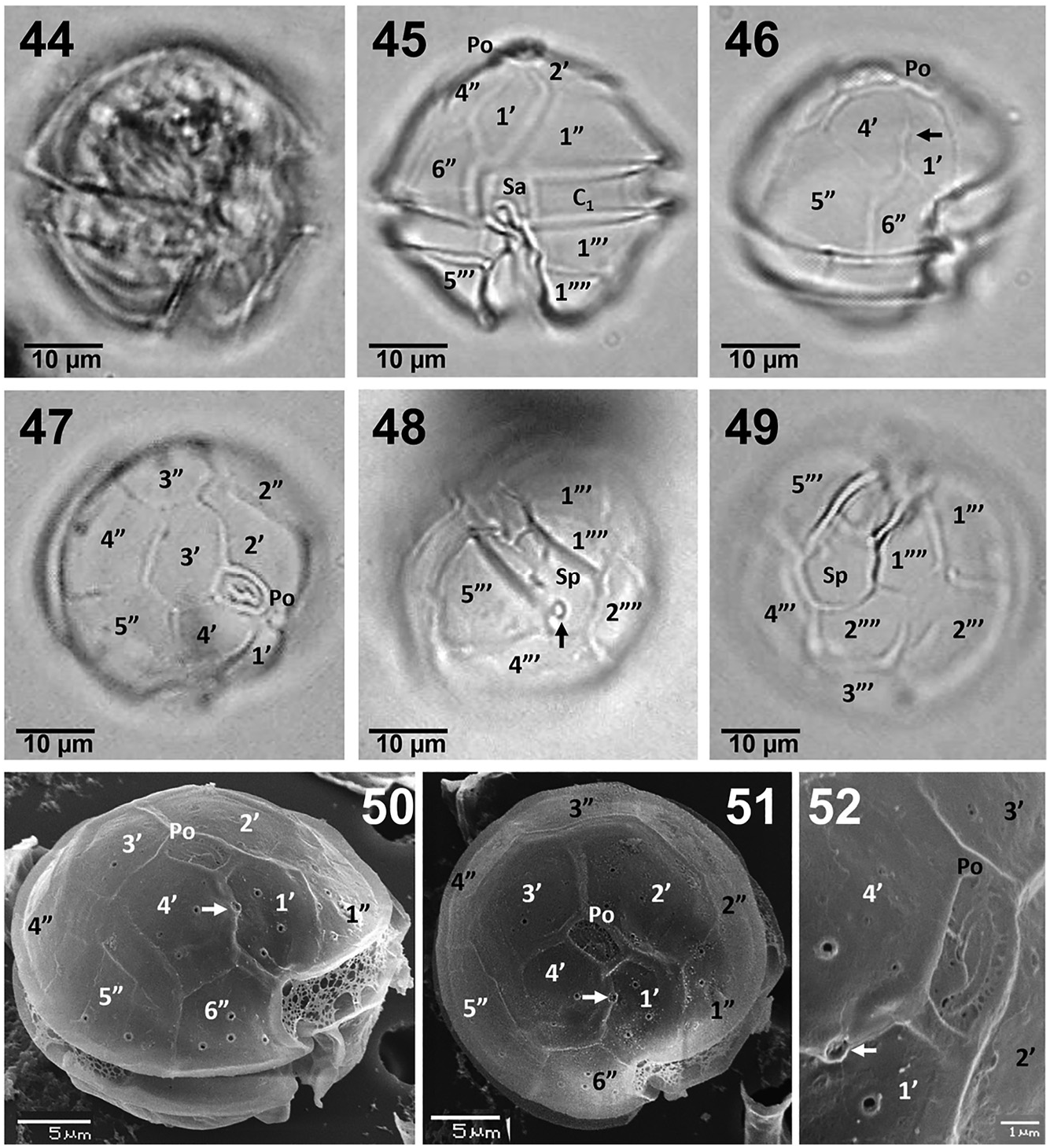
Alexandrium tamarense
species of protist

Coolia
Coolia is a marine dinoflagellate genus in the family Ostreopsidaceae. It was first described by Meunier in 1919. There are currently seven identified species distributed globally in tropical and temperate coastal waters. Coolia is a benthic or epiphytic type dinoflagellate: it can be found adhered to sediment or other organisms but it is not limited to these substrates. It can also be found in a freely motile form in the water column. The life cycle of Coolia involves an asexual stage where the cell divides by binary fission and a sexual stage where cysts are produced. Some of the species, fo
Ostreopsidaceae
Ostreopsidaceae is a family of free-living dinoflagellates found in marine environments.