Category
page 1Goodeinae

Ameca splendens
species of fish

redtail splitfin
species of fish

Relict splitfin
species of fish
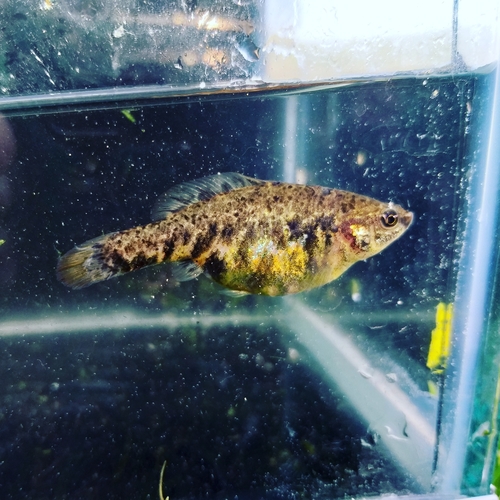
Hubbsina turneri
The Highland splitfin (Hubbsina turneri) is a species of splitfin endemic to Mexico where it is found in the Lerma River basin. This species grows to a length of TL. It is the only known member of its genus, although some authorities have Hubbina as a subgenus of Girardinichthys and add Girardinichthys ireneae to the subgenus, even treating this taxon as a synonym of G. ireneae. This species was described by Don Fernando de Buen y Lozano in 1940 with the type locality given as Cointzio, Michoacán. The name of the genus honours the American ichthyologist Carl Leavitt Hubbs (1894-1979) while the

Striped goodeid
species of fish
Xenotoca
Xenotoca is a genus of fish in the family Goodeidae from Mexico, where various species are found in a wide range of habitats, from rivers and creeks to pools and lakes, in the Lerma–Grande de Santiago, Panuco, Cuitzeo and other basins of the Mesa Central. While no goodeid is a very common aquarium fish, the redtail splitfin (X. eiseni), is one of the most common aquarium goodeids; its bright colors offset its reputation for being aggressive towards and occasionally even killing tankmates. Similarly to X. eiseni, two species described in 2016 have males with red-orange tails, but this feature i

Zoogoneticus tequila
species of fish
Skiffia francesae
species of fish
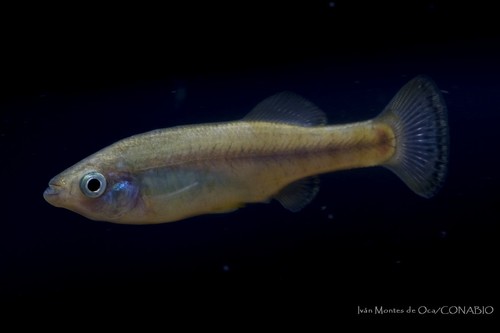
Ilyodon
Ilyodon is a genus of splitfins found in the Pacific slope river basins of Balsas, Tuxpan (Coahuayana), Purificación, Chacala (Marabasco), Armería and Ameca in western Mexico.
Chapalichthys
Chapalichthys is a genus of splitfins that are endemic to west-central Mexico, where found in lakes, pools, ponds and channels in the Lerma–Chapala–Grande de Santiago and Balsas basins. Chapalichthys reach up to in standard length. Despite this relatively small size, they are often caught as food in Lake Chapala.
Goodea
Goodea is a genus of splitfins that are endemic to Mexico. They are found in a wide range of habitats in several river basins that originate in the Central Plateau, such as Pánuco, Lerma–Chapala–Grande de Santiago and Balsas. Overall this genus is among the most widespread and successful splitfins, although they also have declined and the relatively restricted G. gracilis is considered vulnerable by the IUCN. This genus includes the largests splitfins, reaching a standard length of up to . They are primarily herbivores, but also take small organisms like tiny crustaceans and snails. The genus
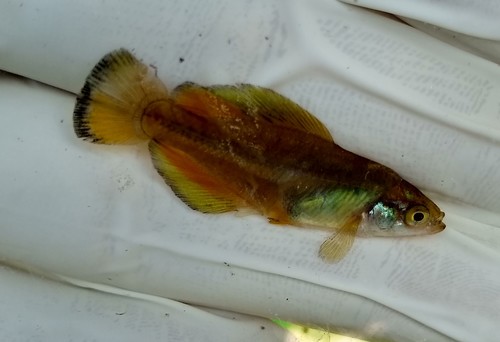
Girardinichthys
Girardinichthys is a genus of splitfins that are endemic to Mexico. These highly threatened fish are native to the upper Lerma and Balsas basins, as well as water systems in the Valley of Mexico. Through man-made channels G. viviparus has been able to spread to the upper Pánuco River basin. These small fish reach up to in length. The name of this genus honours the American herpetologist and ichthyologist Charles Girard (1822-1895).
Allotoca
Allotoca is a genus of splitfins that are endemic to west-central and southwest Mexico, where restricted to the Lerna–Chapala–Grande de Santiago, Ameca and Balsas river basins, as well as various endorheic lake basins in Michoacán and Jalisco (Pátzcuaro, Zirahuén, Cuitzeo, Magdalena and others). All Allotoca species are seriously threatened.
Characodon
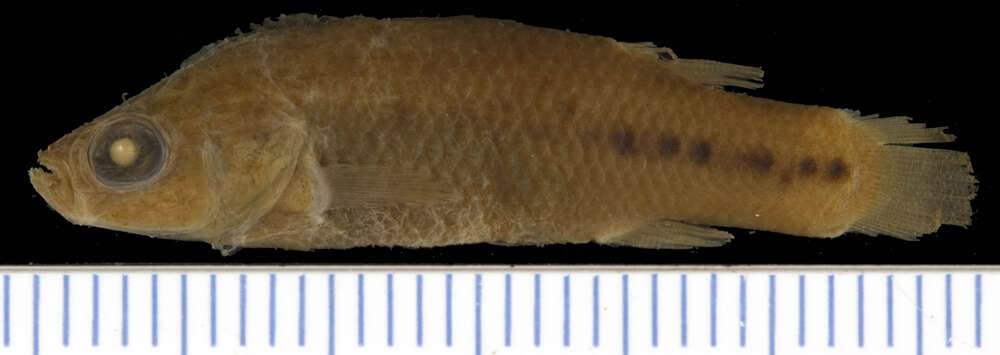
Characodon is a genus of splitfins endemic to north–central Mexico. Two of the species are highly threatened and restricted to pools, ponds and springs in the upper San Pedro Mezquital River basin in Durango. The third species, C. garmani, was restricted to springs near Parras in Coahuila, but it became extinct when they dried out.

Skiffia
Skiffia is a genus of goodeid fish that contains four species, endemic to the Mesa Central area of west-central Mexico. They are restricted to the Lerma–Grande de Santiago, Ameca and Grande de Morelia river basins, including lakes Chapala, Pátzcuaro, Zirahuén and Cuitzeo. They inhabit stagnant or slow-moving waters such as lakes, ponds, channels and ditches, and prefer shallow depths.

Zoogoneticus
Zoogoneticus is a genus of splitfins that are endemic to the Lerma–Chapala–Grande de Santiago, Armería, Ameca, Cuitzeo and Zacapu basins in west-central Mexico. They inhabit lakes, streams, ponds, canals and ditches, and prefer shallow waters with no or only a moderate current. They are predators that feed on small invertebrates. Members of the Zoogoneticus genus are all fairly small fish, reaching up to in total length.
Allodontichthys
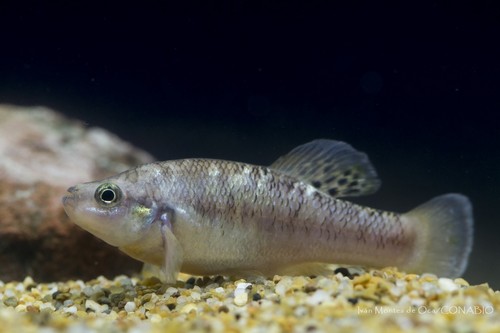
Allodontichthys is a genus of splitfins, endemic to the Tuxpan (Coahuayana), Armería and Ameca river basins in Colima and Jalisco, west–central Mexico.
Goodeinae
Goodeinae is a subfamily of splitfins from Mexico, part of the family Goodeidae. They are small fish which mostly live in fresh water, especially around Mesa Central, west of Mexico City. Members of the subfamily are also found in brackish water on both the east and west coasts. They typically have small ranges and many are seriously threatened (some already extinct). The subfamily takes its name from its type genus Goodea and so is ultimately named after the American ichthyologist George Brown Goode (1851-1896).
Alloophorus
The bulldog goodeid (Alloophorus robustus) is a species of goodeid. It is endemic to stagnant and slow-flowing waters in the Lerma–Chapala, Presa de San Juanico and Balsas basins in west-central and southwestern Mexico. Despite its relatively wide range, it is generally uncommon. This is possibly the most predatory goodeid, it feeding on other fish, crayfish, insects and other invertebrates. At up to at least in standard length, this is likely the second-largest goodeid, after Goodea atripinnis.