Category
page 1Gorals
Juraj Jánošík
Slovak outlaw

Gorals
thumb|right|A Goral with bagpipes from the region of [[Podhale in Poland]]
The Gorals (; Goral ethnolect: Górole; ; Cieszyn Silesian: Gorole), also anglicized as the Highlanders, are an ethnographic group with historical ties to the Vlachs. The Goral people are primarily found in their traditional area of southern Poland, northern Slovakia – especially Orava, Spiš and Zamagurie, and in the region of Cieszyn Silesia in the Czech Republic, where they are known as the Silesian Gorals. There is also a significant Goral diaspora in the area of Bukovina in western Ukraine and northern Romania, as we
Krystyna Pyszková
Czech beauty pageant titleholder, Miss World (2024)
Zakopane Style architecture
Polish architectural style
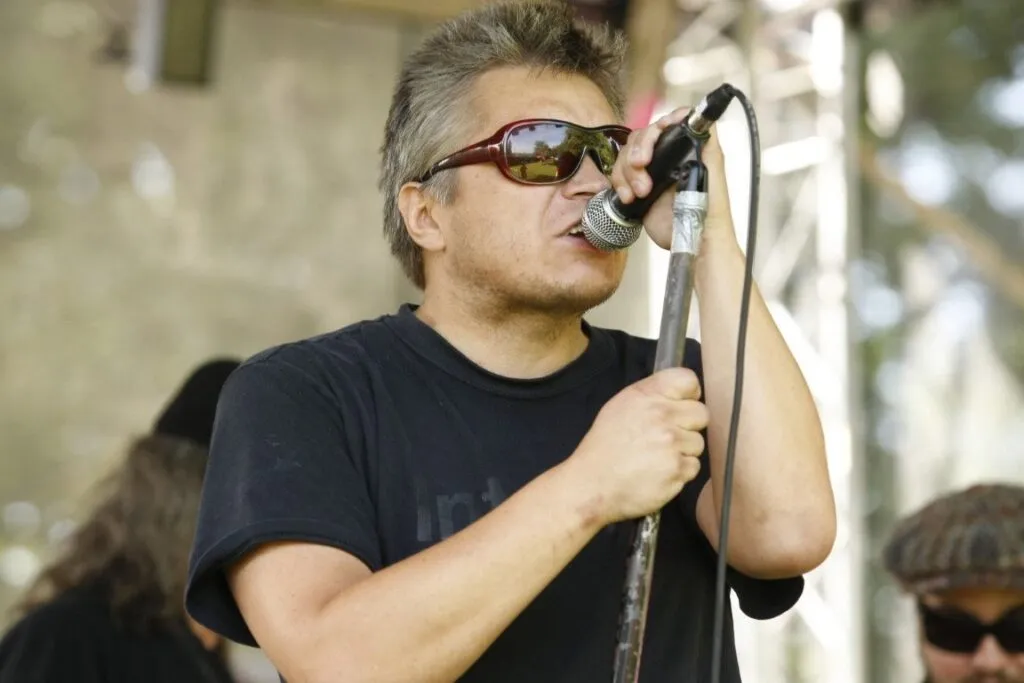
Zakopower
Zakopower is a Polish Goral folk music group. It is named after Zakopane, the hometown of its lead singer.
Sanctuary of Our Lady of Ludźmierz
church building in gmina Nowy Targ, Lesser Poland Voivodeship, Poland
Lucia Yar
Slovak political analyst, expert on the European Union and international security
Goralenvolk
Goralenvolk was a geopolitical term invented by the German Nazis in World War II in reference to the Goral highlander population of Podhale region in the south of Poland near the Slovak border. The Germans postulated a separate nationality for people of that region in an effort to extract them from the Polish citizenry during their occupation of Poland's highlands. The term Goralenvolk was a neologism derived from the Polish word Górale (the Highlanders) commonly referring to the ethnic group living in the Beskid and Tatra mountains. In an attempt to make the Gorals collaborate with the S
Goral
West Slavic ethnolect