Category
page 2Gram-positive bacteria

Clostridium tyrobutyricum
species of bacterium
Staphylococcus capitis
species of bacterium
Corynebacterium urealyticum
species of bacterium
Roseburia
Roseburia is a genus of butyrate-producing, Gram-positive anaerobic bacteria that inhabit the human colon. With a cell morphology of a curved-rod shape, this bacterium uses its flagella to move around. The bacterium is named in honor of Theodor Rosebury who has contributed vastly to the oral microbiome field. First isolated in human fecal samples, Roseburia has been found to provide several health benefits pertaining to the human gut microbiome. Belonging to the Bacillota phylum (previously known as Firmicutes), Clostridia class, Clostridiales order, and Lachnospiraceae family, the Roseburia g
Streptococcus anginosus
species of bacterium
Lactobacillus buchneri
species of bacterium
Staphylococcus caprae
species of bacterium
Coriobacteriia
The Coriobacteriia are a class of Gram-positive bacteria within the Actinomycetota phylum. Species within this group are nonsporulating, strict or facultative anaerobes that are capable of thriving in a diverse set of ecological niches. Gordonibacter species are the only members capable of motility by means of flagella within the class.
Several species within the Coriobacteriia class have been implicated with human diseases that range in severity. Atopobium, Olsenella, and Cryptobacterium species have responsible for human oral infections including periodontitis, halitosis, and other endodonti
Peptoniphilus
Peptoniphilus is a genus of bacteria in the phylum Bacillota (Bacteria).
Pasteuria
Pasteuria is a genus of mycelial and endospore-forming, nonmotile gram-positive bacteria that are obligate parasites of some nematodes and crustaceans. The genus of Pasteuria was previously classified within the family Alicyclobacillaceae, but has since been moved to the family Pasteuriaceae.
nonpathogenic organisms
Organisms that do not cause disease
Clostridium sporogenes
species of bacterium
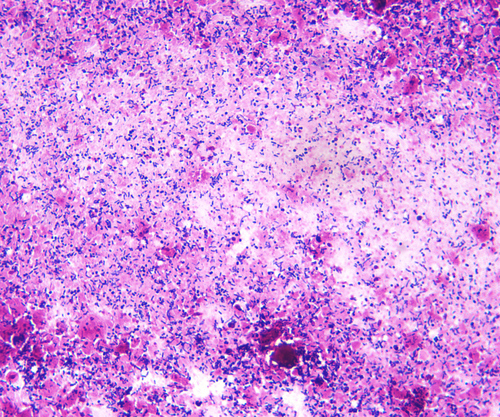
Trueperella pyogenes
species of bacterium
Clostridium kluyveri
species of bacterium
Hathewaya histolytica
species of bacterium
Actinomyces viscosus
species of bacterium
Clostridium phytofermentans
species of bacterium
Clostridium piliforme
species of bacterium
Clostridium novyi
species of bacterium
Streptococcus vestibularis
species of bacterium
Clostridium estertheticum
species of bacterium
Clostridium ljungdahlii
species of bacterium
Actinomyces bovis
species of bacterium
Alicyclobacillus acidocaldarius
species of bacterium
Corynebacterium ulcerans
species of bacterium
Clostridium tertium
species of bacterium
Lacrimispora aerotolerans
anaerobic, motile, gram-positive bacterium
Clostridium saccharoperbutylacetonicum
species of bacterium
Clostridium baratii
species of bacterium
Clostridium argentinense
species of bacterium
Thomasclavelia ramosa
species of bacterium
Streptococcus bovis
species of bacterium
Clostridium beijerinckii
species of bacterium
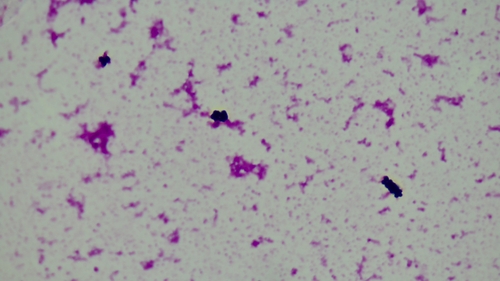
Staphylococcus hominis
species of bacterium
Lactobacillus amylovorus
species of bacterium
Clostridium paraputrificum
species of bacterium
Streptococcus uberis
species of bacterium
Clostridium paradoxum
species of bacterium

Limosilactobacillus
Limosilactobacillus is a thermophilic and heterofermentative genus of lactic acid bacteria created in 2020 by splitting from Lactobacillus. The name is derived from the Latin "slimy", referring to the property of most strains in the genus to produce exopolysaccharides from sucrose. The genus currently includes 31 species or subspecies, most of these were isolated from the intestinal tract of humans or animals. Limosilactobacillus reuteri has been used as a model organism to evaluate the host-adaptation of lactobacilli to the human and animal intestine and for the recruitment of intestinal lact
Clostridium scindens
species of bacterium