Category
page 1Grasses of Africa

Sorghum bicolor
Sorghum bicolor, commonly called sorghum () and also known as broomcorn, great millet, Indian millet, Guinea corn, jowar, or milo, is a species in the grass genus Sorghum. It is typically an annual, but some cultivars are perennial. It grows in clumps that may reach over high. The grain is in diameter.

Avena
Avena is a genus of Eurasian and African plants in the grass family. Collectively known as the oats, they include some species which have been cultivated for thousands of years as a food source for humans and livestock. They are widespread throughout Europe, Asia and northwest Africa. Several species have become naturalized in many parts of the world, and are regarded as invasive weeds where they compete with crop production. All oats have edible seeds, though they are small and hard to harvest in most species.

Cymbopogon
Cymbopogon, also known as lemongrass, barbed wire grass, silky heads, oily heads, Cochin grass, Malabar grass, citronella grass or fever grass, is a genus of Asian, African, Australian, and tropical island plants in the grass family.
Some species (particularly Cymbopogon citratus) are commonly cultivated as culinary and medicinal herbs because of their scent, resembling that of lemons (Citrus limon).
The name Cymbopogon derives from the Greek words (, 'boat') and (, 'beard') "which mean [that] in most species, the hairy spikelets project from boat-shaped spathes." Lemongrass and its oil are be

Bromus
Bromus is a large genus of grasses, classified in its own tribe Bromeae. They are commonly known as bromes, brome grasses, cheat grasses, or chess grasses. Estimates in the scientific literature of the number of species have ranged from 100 to 400, but plant taxonomists currently recognize around 160–170 species.

Imperata cylindrica
species of grass in the family Poaceae
Festuca
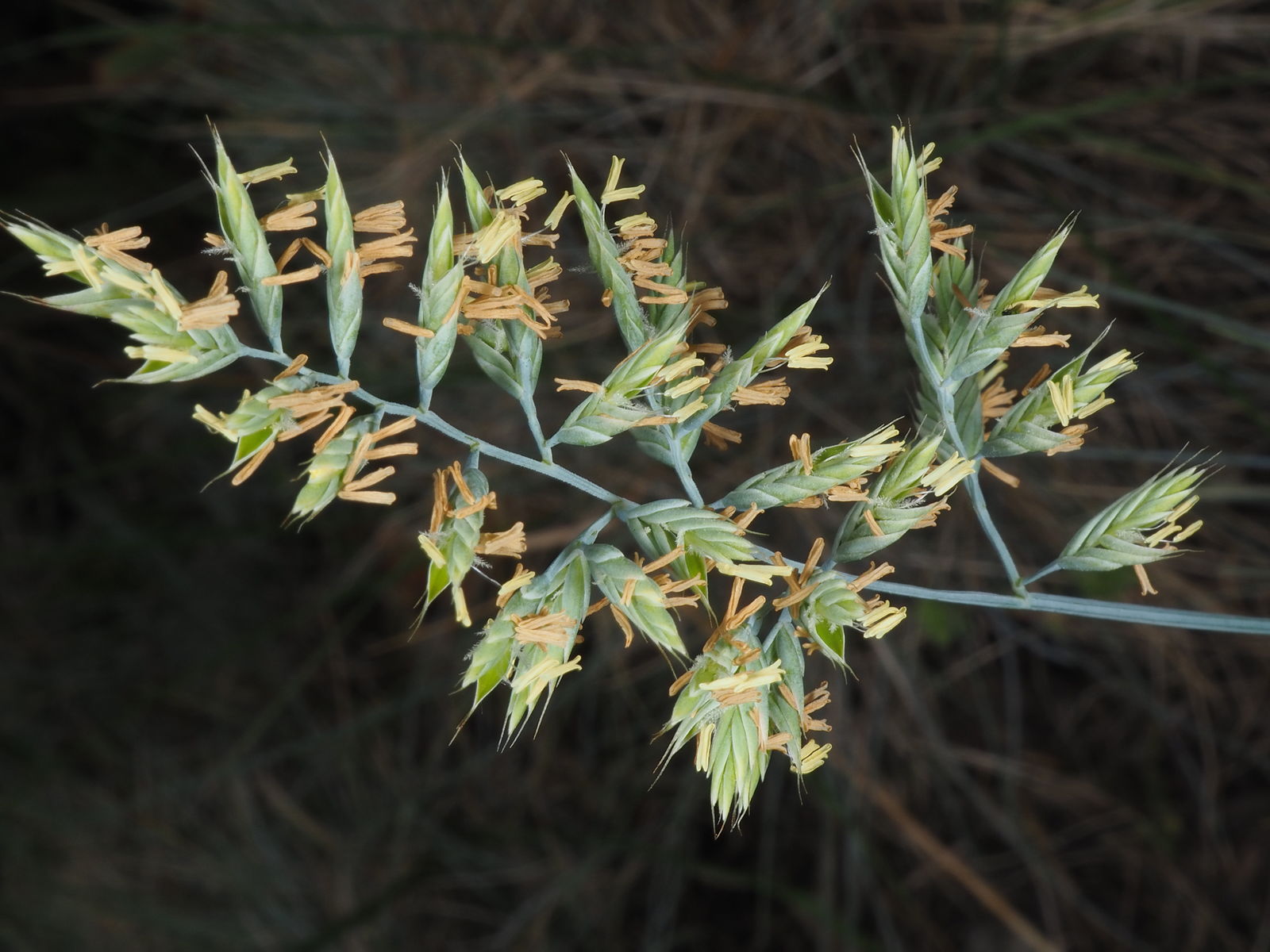
Festuca (fescue) is a genus of flowering plants belonging to the grass family Poaceae (subfamily Pooideae). They are evergreen or herbaceous, perennial, tufted grasses with a height range of and a cosmopolitan distribution, occurring on every continent except Antarctica. The genus is closely related to ryegrass (Lolium), and recent evidence from phylogenetic studies using DNA sequencing of plant mitochondrial DNA shows that the genus lacks monophyly. As a result, plant taxonomists have moved several species, including the forage grasses tall fescue and meadow fescue, from the genus Festuca int

Cenchrus americanus
species of plant

Poa pratensis
species of plant
Eleusine indica
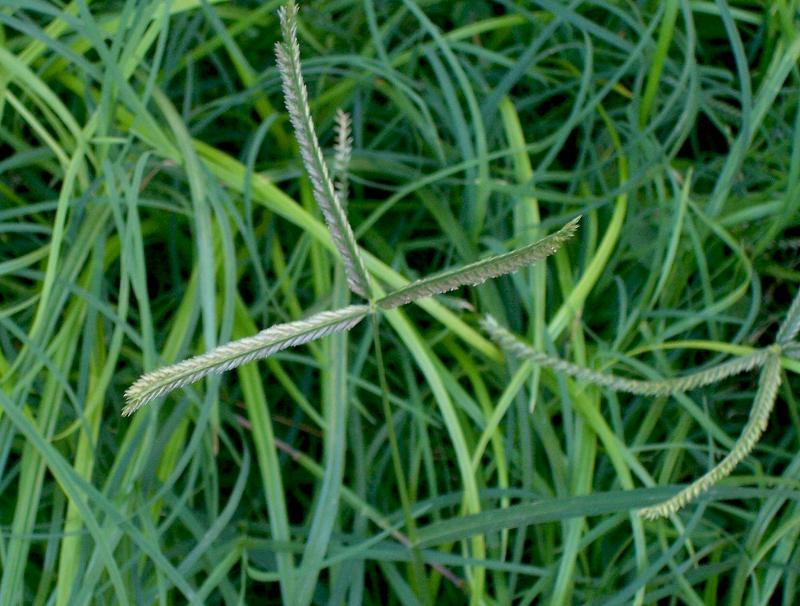
species of plant
Setaria
200px|right|caption=Setaria distantiflora (A.Rich.) Pilg., herbarium sheet
198px|right

Eleusine coracana
species of plant

Eragrostis
Eragrostis is a large and widespread genus of plants in the grass family, found in many countries on all inhabited continents and many islands.

Briza
Briza is a genus of annual and perennial plants in the grass family, native to northern temperate regions of Eurasia, North Africa, and certain islands in the Atlantic.
Koeleria
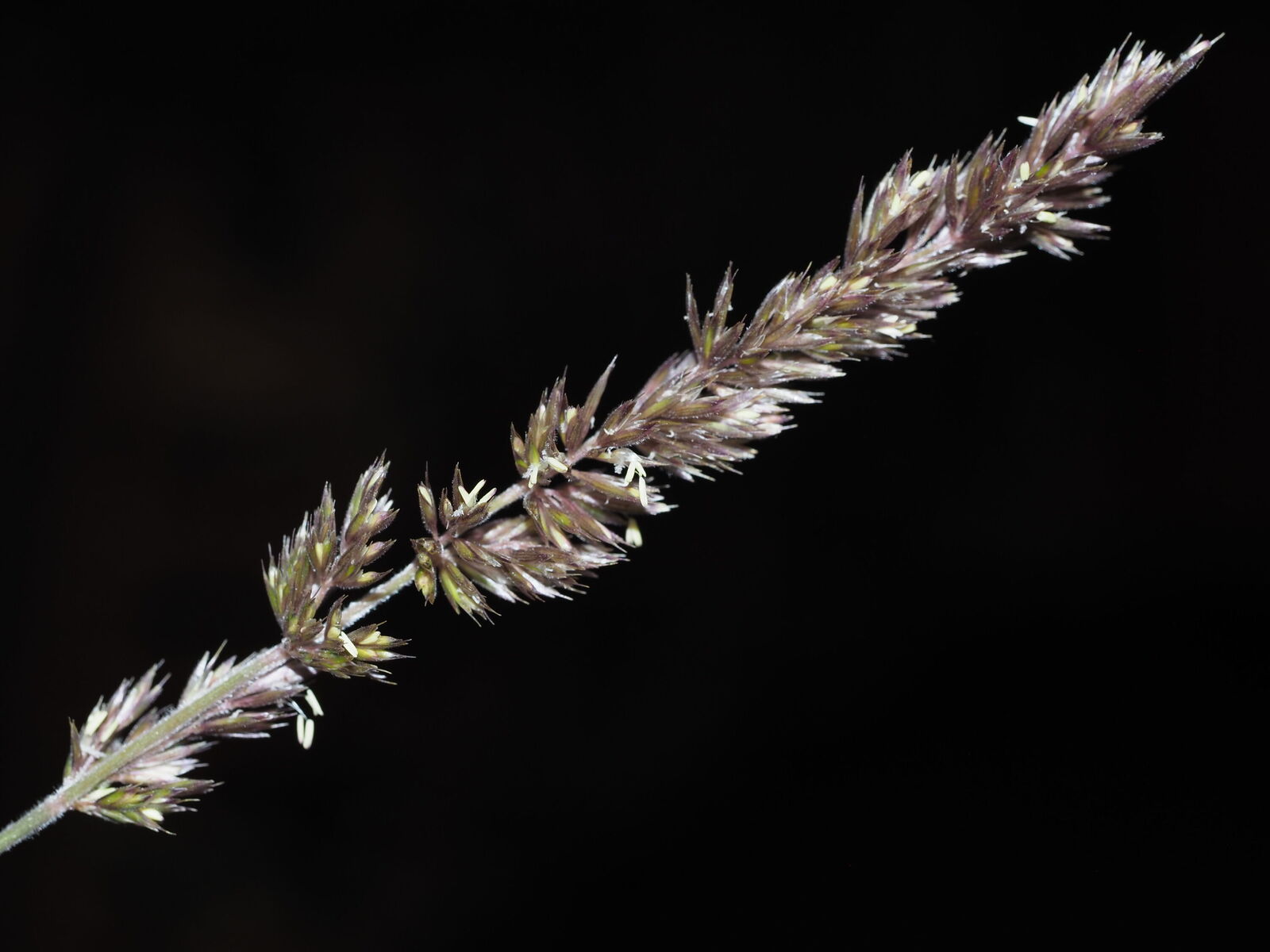
Koeleria is a common and widespread genus of plants in the grass family, found on all continents except Antarctica and on various oceanic islands. It includes species known generally as Junegrasses.
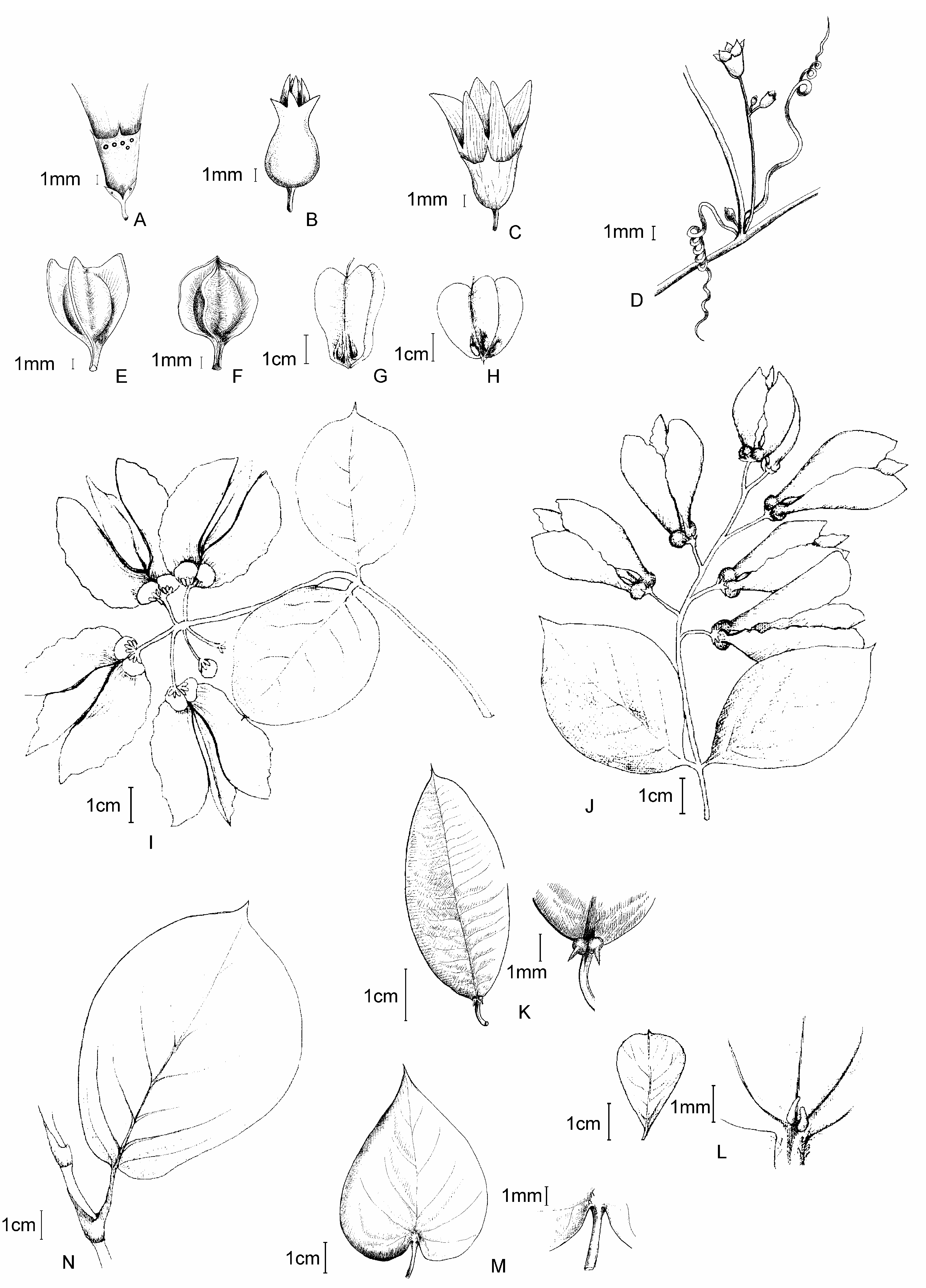
Glyceria
Glyceria is a widespread genus of grass family common across Eurasia, Australia, North Africa, and the Americas.
.jpg)
Melica
Melica is a genus of perennial grasses known generally as melic or melic grass. They are found in most temperate regions of the world.
thumb|Melica uniflora spikelet
thumb|Corm of [[Melica spectabilis, purple oniongrass]]
thumb|Melica altissima 'Atropurpurea' cultivar
thumb|Melica picta in situ
Melic grasses are clumping to short-rhizomatous grasses. They have flowering culms up to tall bearing spikelets of papery flowers. The spikelets have between one and seven fertile flowers with a rudimentary structure at the distal end composed of one to four sterile florets. Some species of melic have c

Calamagrostis epigejos
species of plant

Sesleria
Sesleria is a genus of perennial plants in the grass family.
They are native to Eurasia and North Africa. They are found in Albania, Austria, Baleares, Baltic States, Belarus, Belgium, Bulgaria, Corsica, Czechoslovakia, East Aegean Islands, Finland, France, Germany, Great Britain, Greece, Hungary, Iceland, Iran, Ireland, Italy, Crete, Crimea, Lebanon, Morocco, North Caucasus, Poland, Romania, Sardina, Sicilia, Spain, Sweden, Switzerland, Syria, Transcaucasus, Turkey, Ukraine and Yugoslavia.
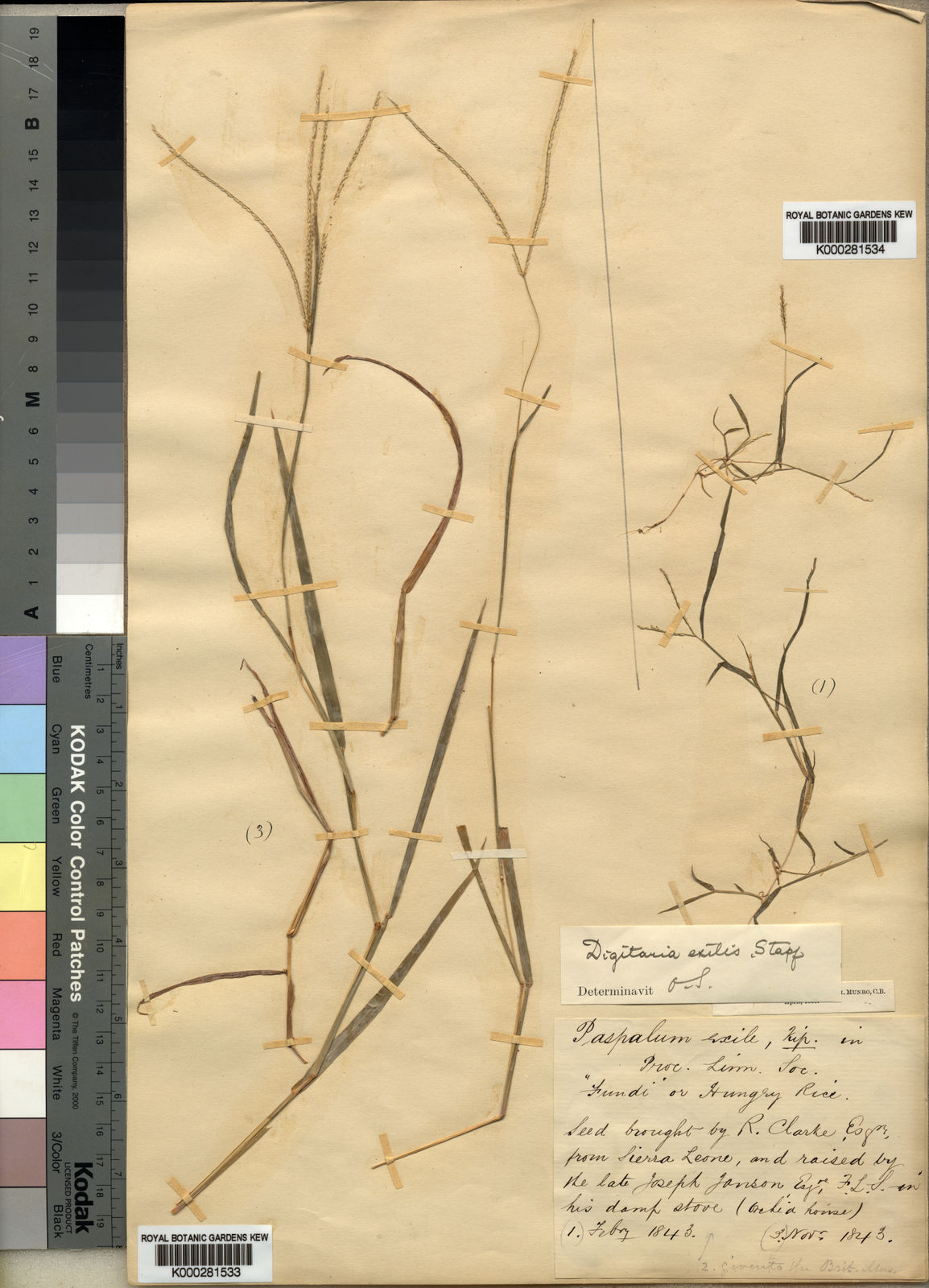
Digitaria exilis
species of plant
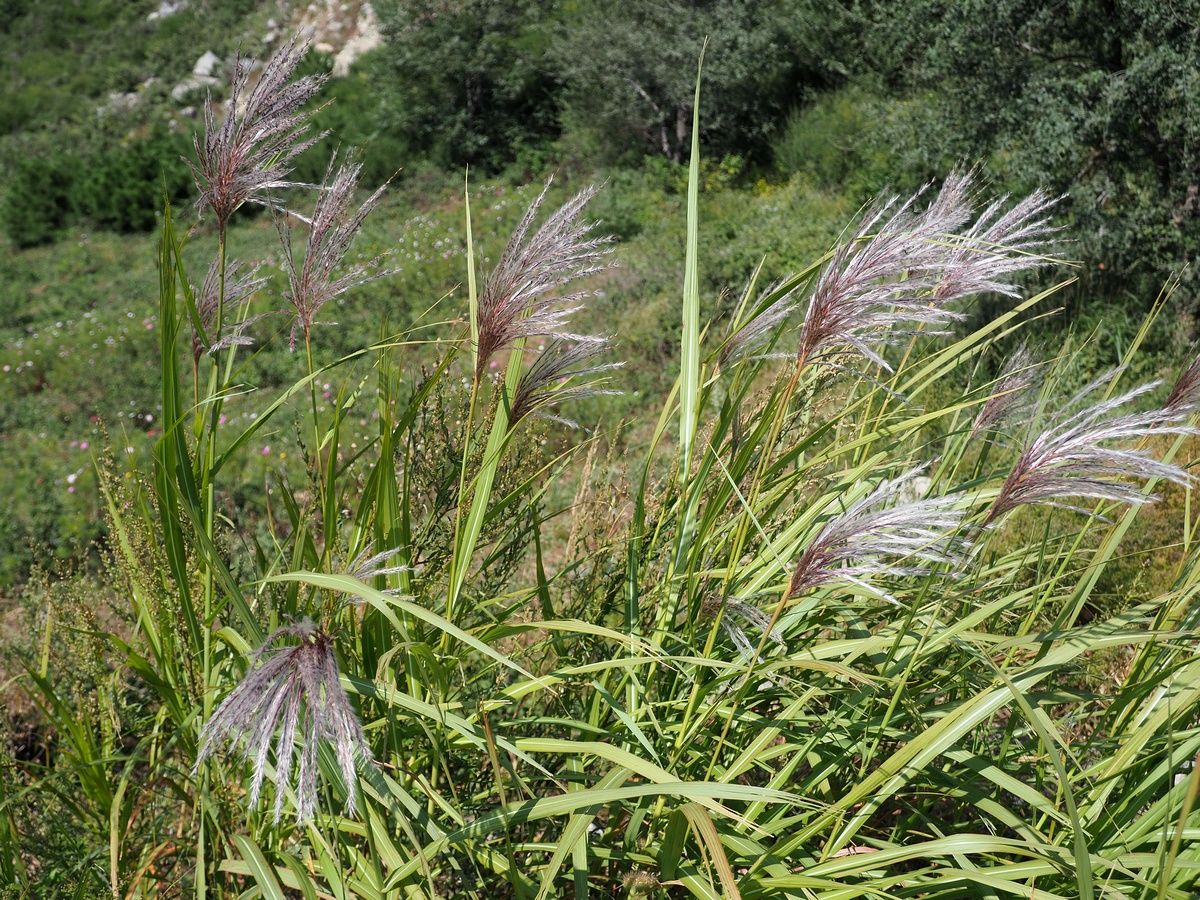
Miscanthus
Miscanthus, or 'silvergrass, 'is a genus of African, Eurasian, and Pacific Island plants in the grass family, Poaceae. The name is derived from the Greek words "miskos", meaning "stem", and "anthos", meaning "flower", in reference to the stalked spikelets on plants of this genus. Several species are known for their height and biomass production, and may be used as ornamental grasses.
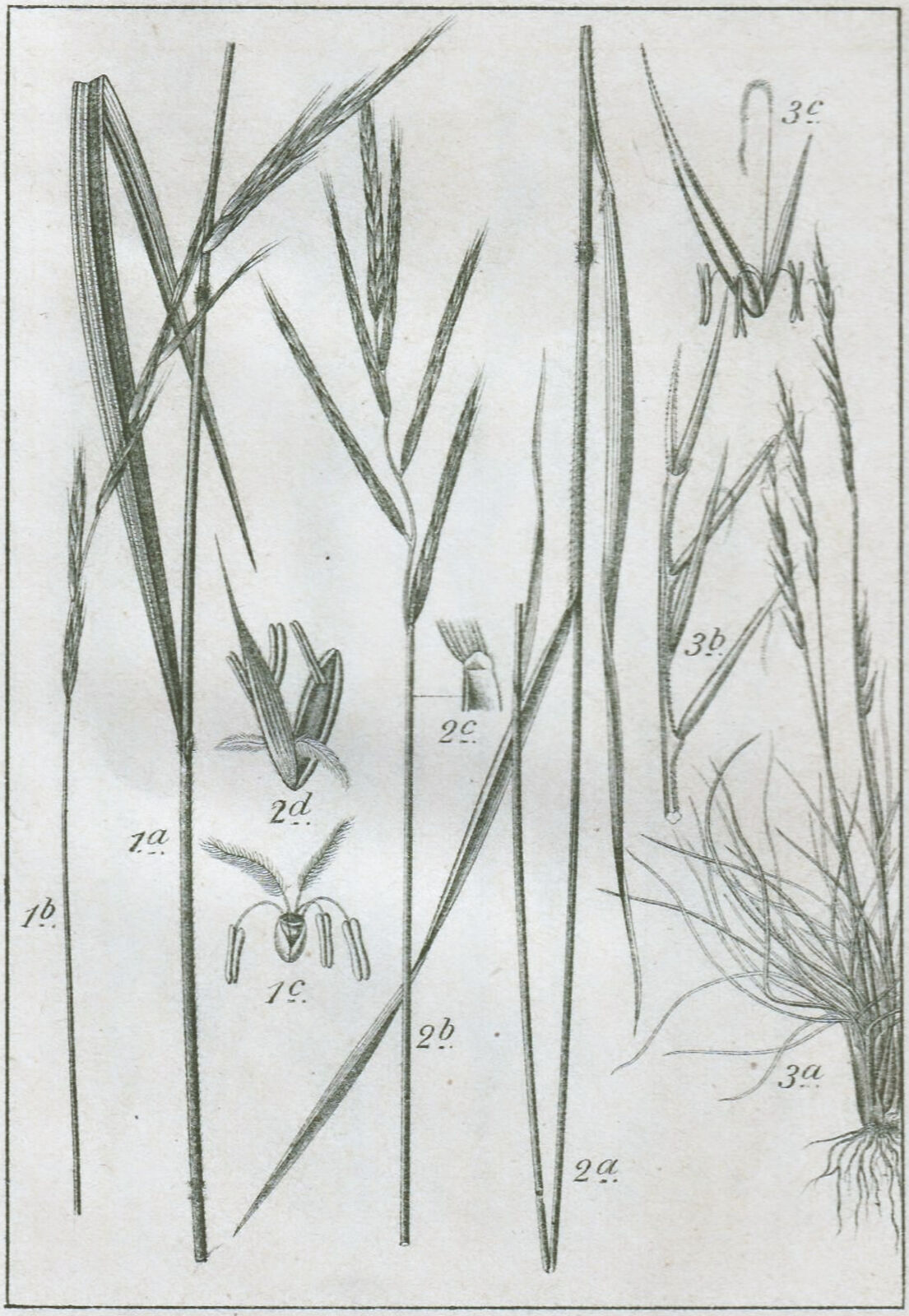
Brachypodium pinnatum
species of plant

Spartina
thumb|upright=0.75|Cordgrass in Pelham Bay salt marsh (Pelham Bay Park, The Bronx, New York)
Spartina is a section of the genus Sporobolus, plants in the grass family, frequently found in coastal salt marshes. It was first established as a separate genus in 1789, and reduced to a section in 2014. Species are commonly known as cordgrass or cord-grass, and are native to the coasts of the Atlantic Ocean in western and southern Europe, north-western and southern Africa, the Americas and the islands of the southern Atlantic Ocean; one or two species also occur on the western coast of North America
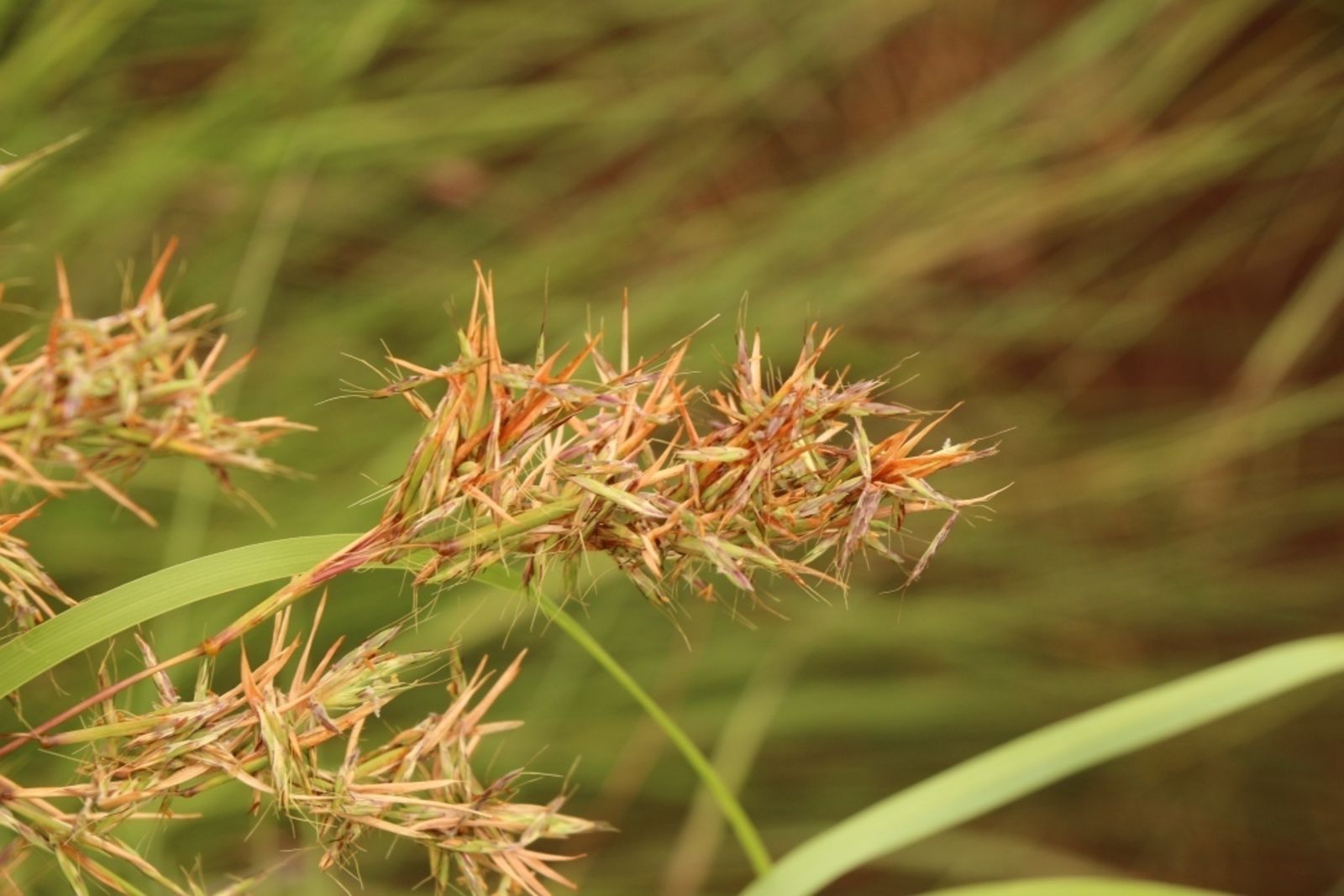
Cymbopogon nardus
species of plant
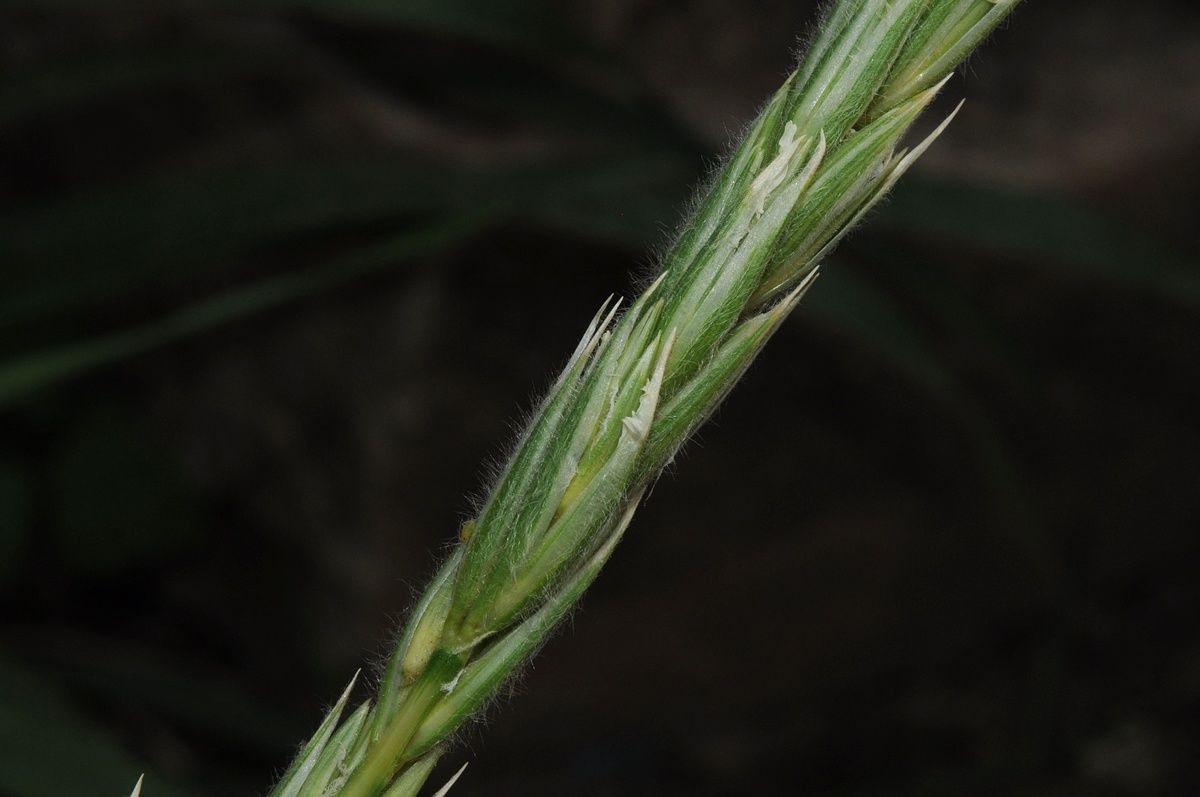
Leymus
thumb|Mammoth wild rye (Leymus racemosus)
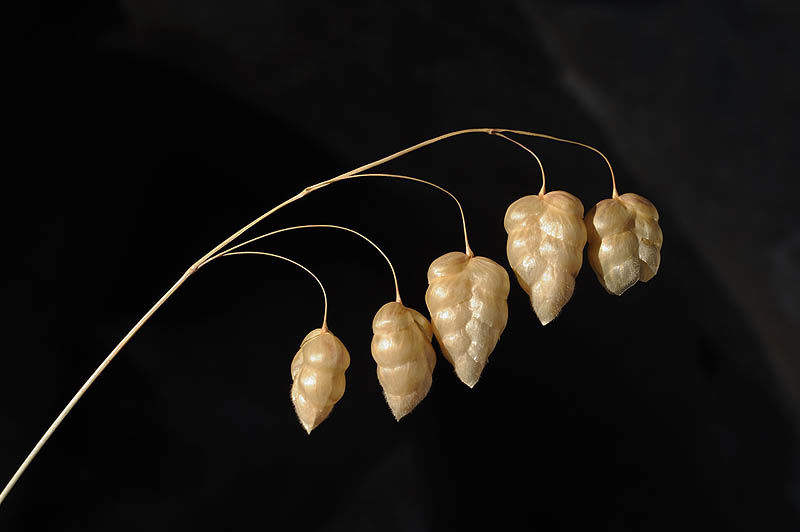
Briza maxima
species of plant
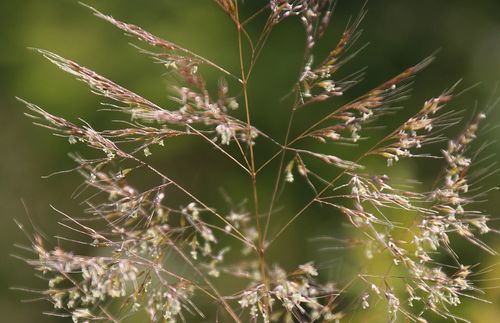
Apera
Apera is a small genus of annual grasses, known commonly as silkybent grass or windgrass. They are native to Europe, North Africa and parts of Asia but have been introduced and naturalized in much of North and South America.
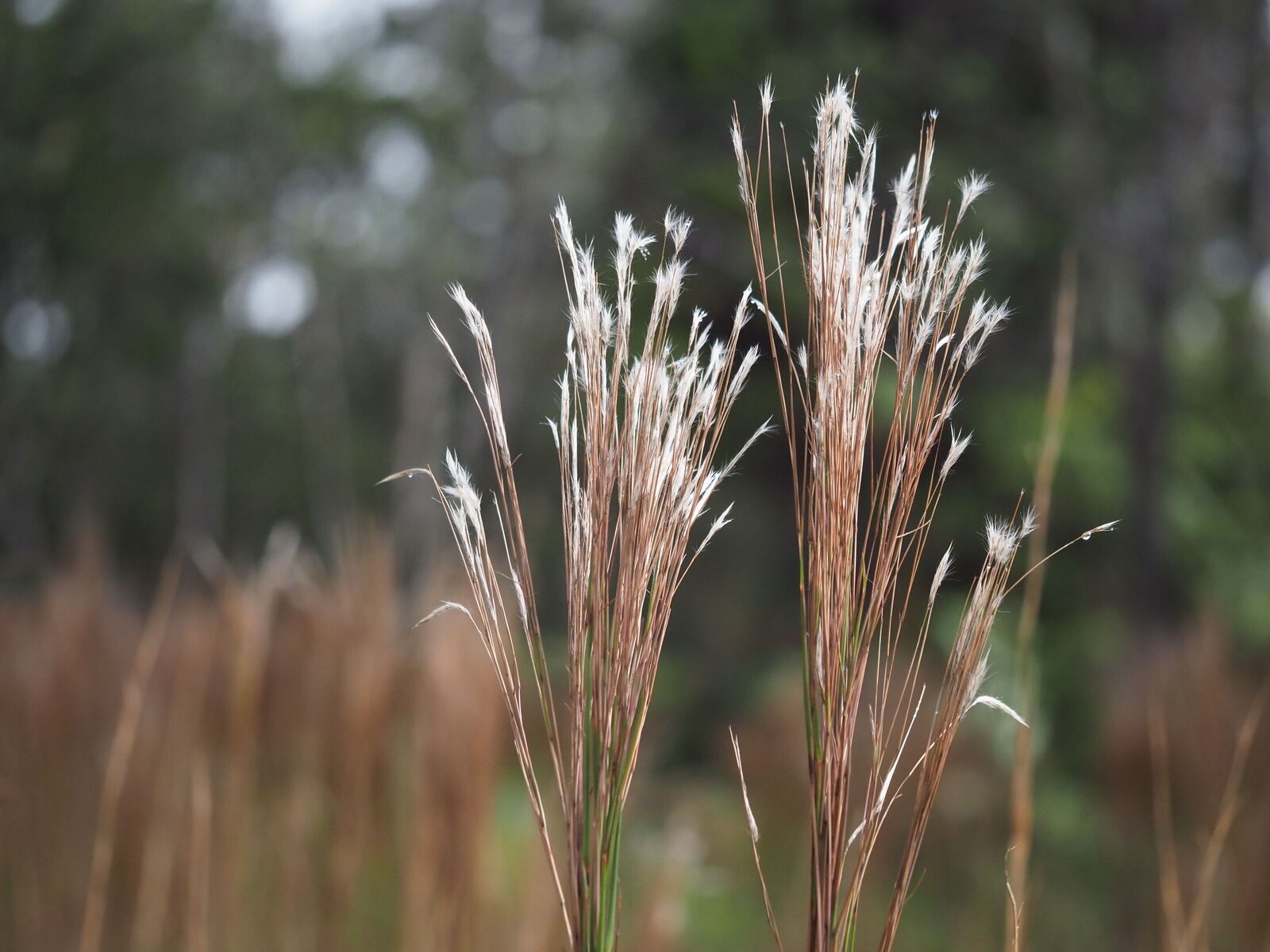
Andropogon
Andropogon (common names: beard grass, bluestem grass, broomsedge) is a widespread genus of plants in the grass family, native to much of Asia, Africa, and the Americas, as well as Southern Europe and various oceanic islands.
Vulpia
Vulpia is a widespread genus of plants in the grass family, native to many countries around the world and naturalized in many of the nations to which it is not native. It is most common in temperate regions.
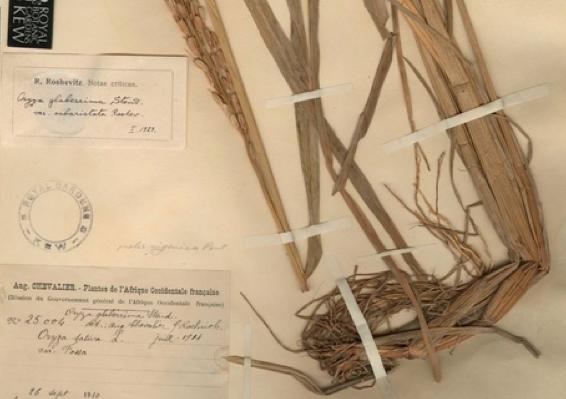
Oryza glaberrima
species of plant

Lagurus ovatus
species of plant

Phleum phleoides
species of plant
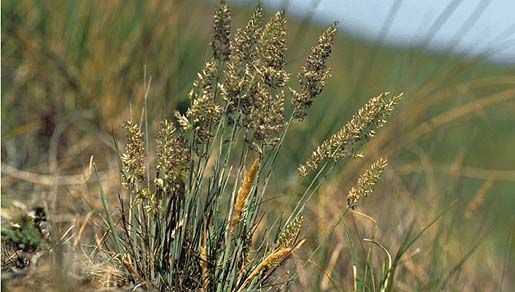
Corynephorus canescens
species of plant
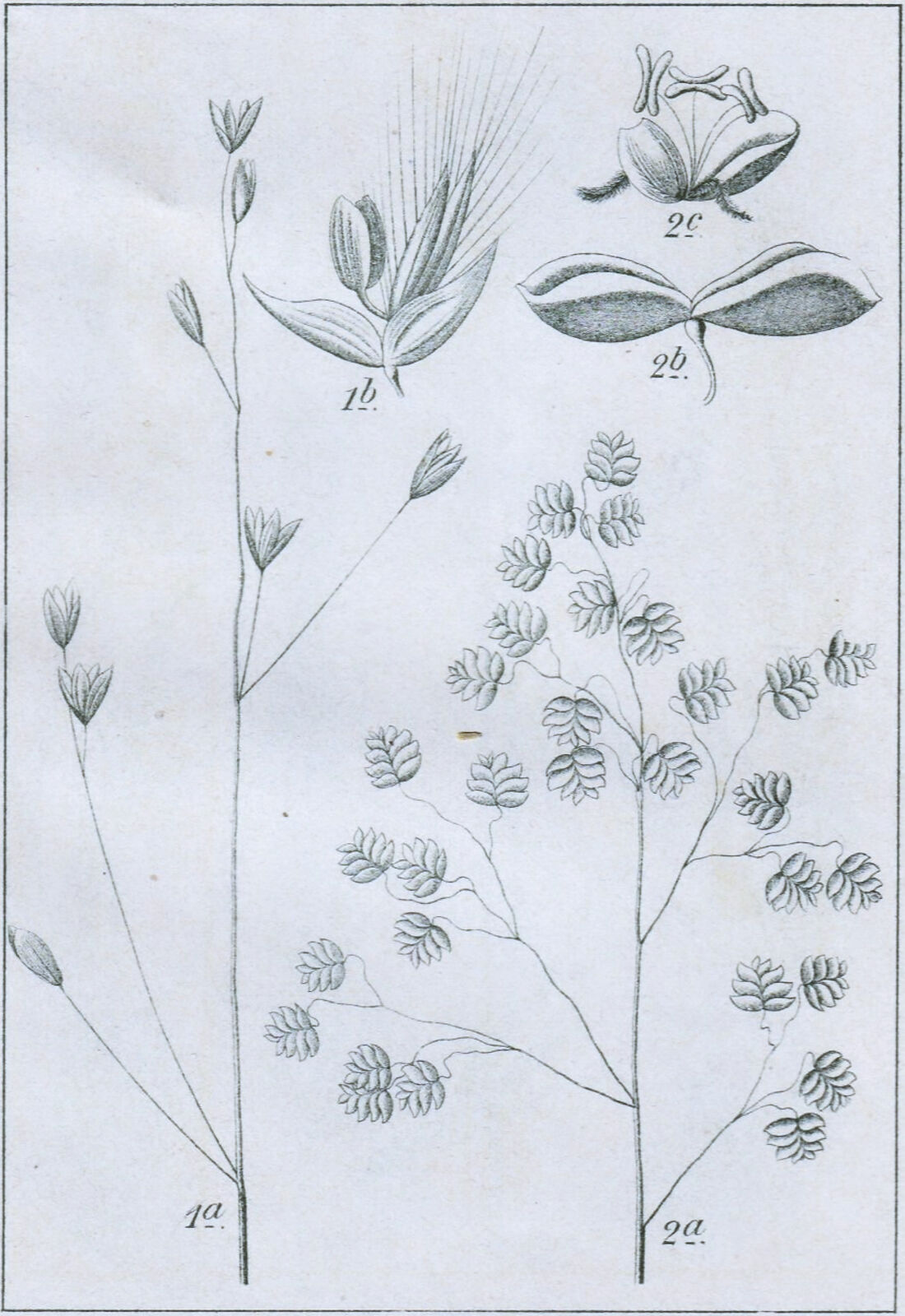
Melica uniflora
species of plant
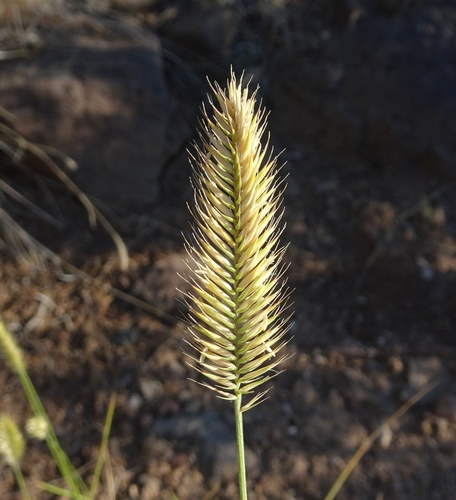
Eremopyrum
Eremopyrum is a genus Eurasian and North African plants in the grass family. One species, Eremopyrum triticeum has become widely established as a weed in parts of North America.
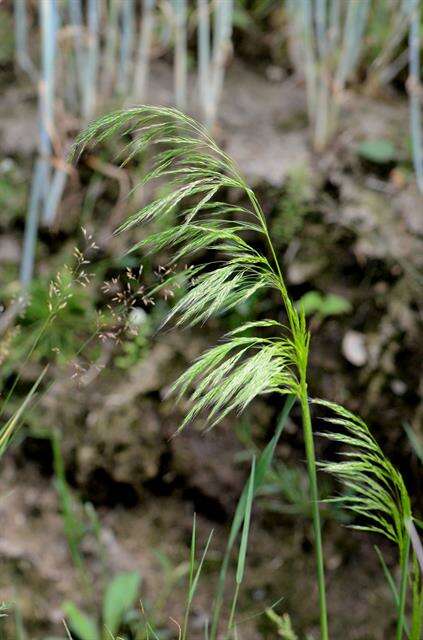
Apera spica-venti
species of plant

Eragrostis minor
species of plant

Corynephorus
Corynephorus is a genus of European, North African, and Middle Eastern plants in the grass family.

Chloris gayana
species of plant
%20A.%20Camus.jpg)
Themeda
thumb|Themeda arundinacea (Roxb.) A. Camus, complete habit.
thumb|Themeda arundinacea (Roxb.) A. Camus, inflorescence.
Themeda is a genus of plants in the grass family native to Asia, Africa, Australia, and Papuasia. There are about 18 to 26 species, many of which are native to Southeast Asia.

Urochloa
Urochloa, commonly known as signalgrass, is a genus of plants in the grass family, native to tropical and subtropical regions of Eurasia, Africa, Australia, the Americas, and various islands.
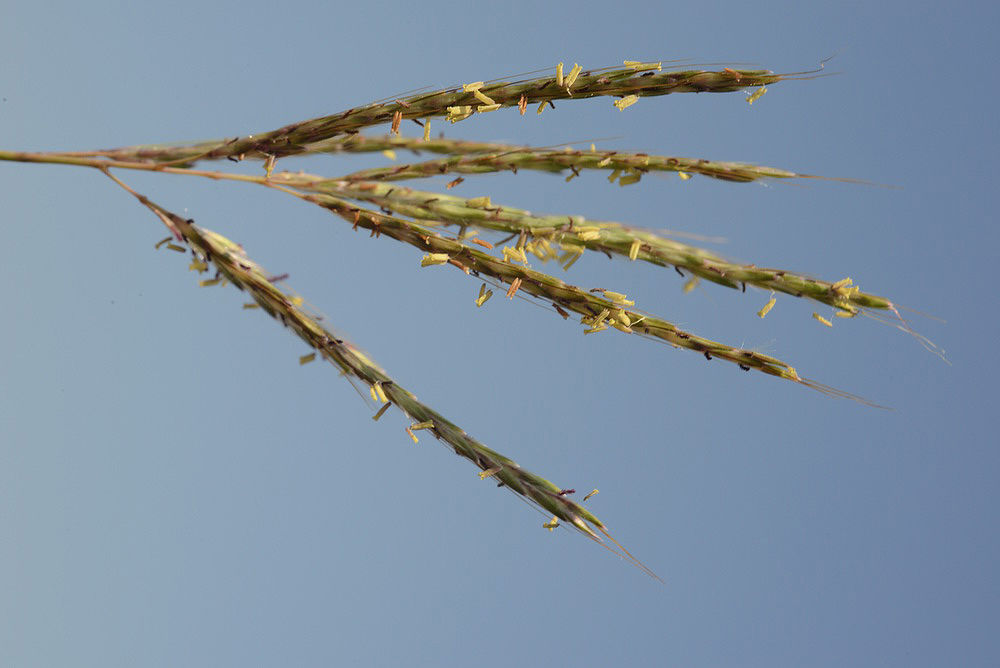
Bothriochloa ischaemum
species of grasses
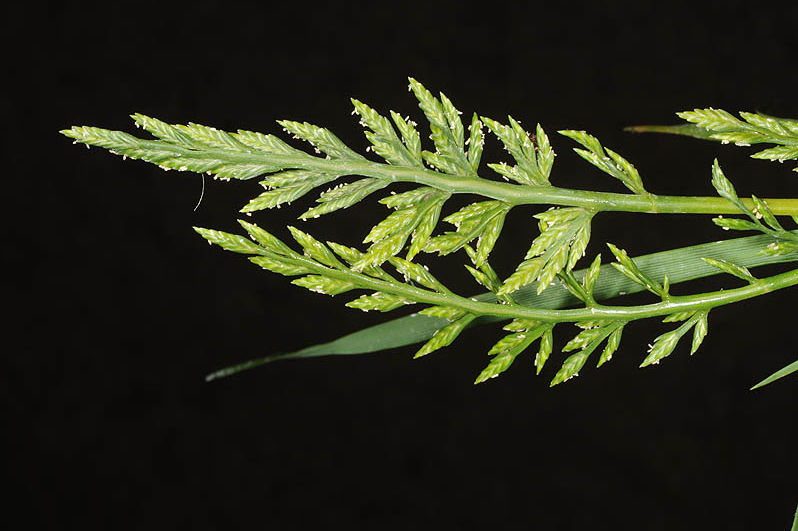
Catapodium
Catapodium is a genus of Eurasian and North African plants in the grass family.

Polypogon
right|thumb|Polypogon sp.
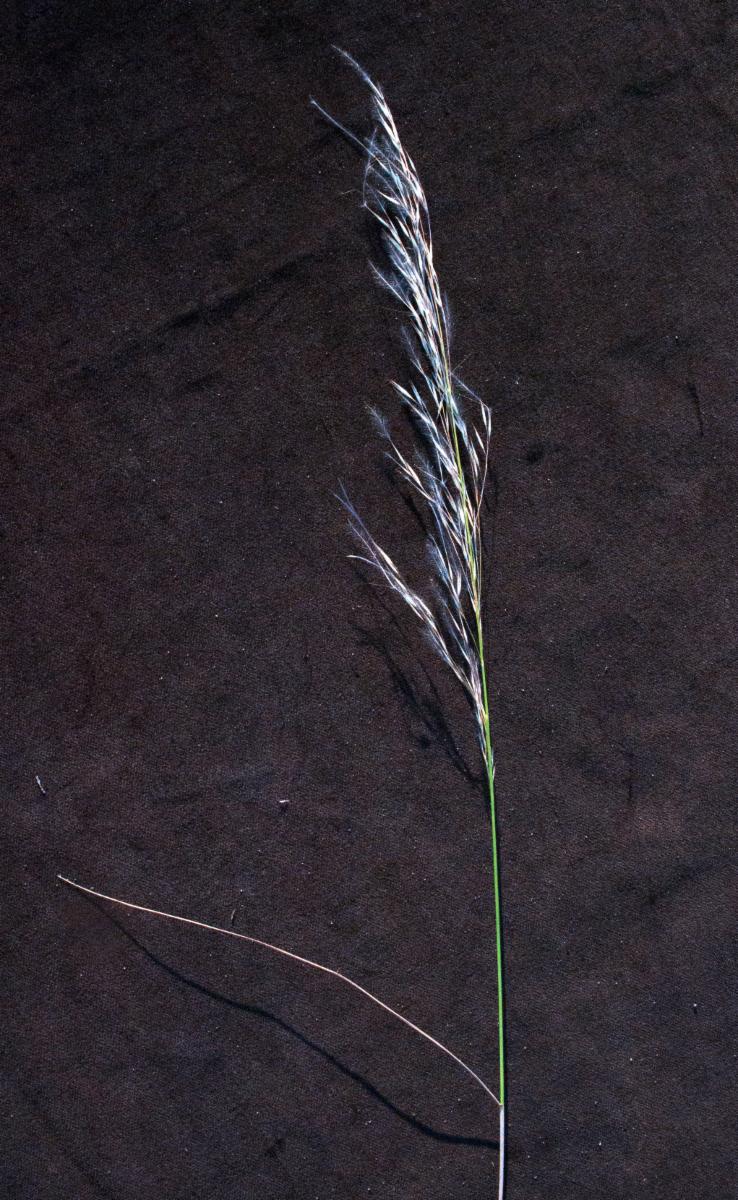
Stipagrostis
Stipagrostis is a genus of African, Asian, and Russian plants in the grass family.
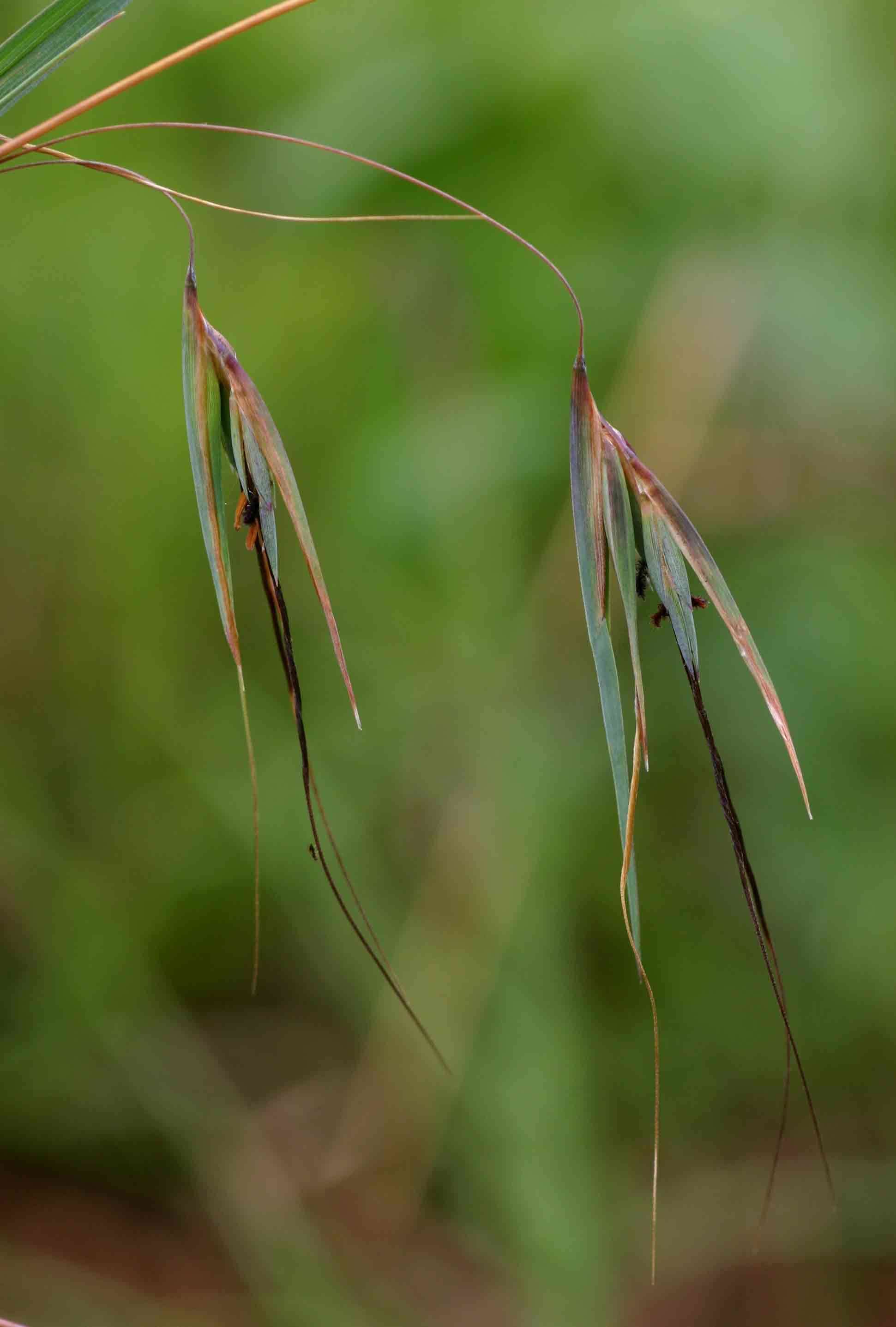
Themeda triandra
species of plant
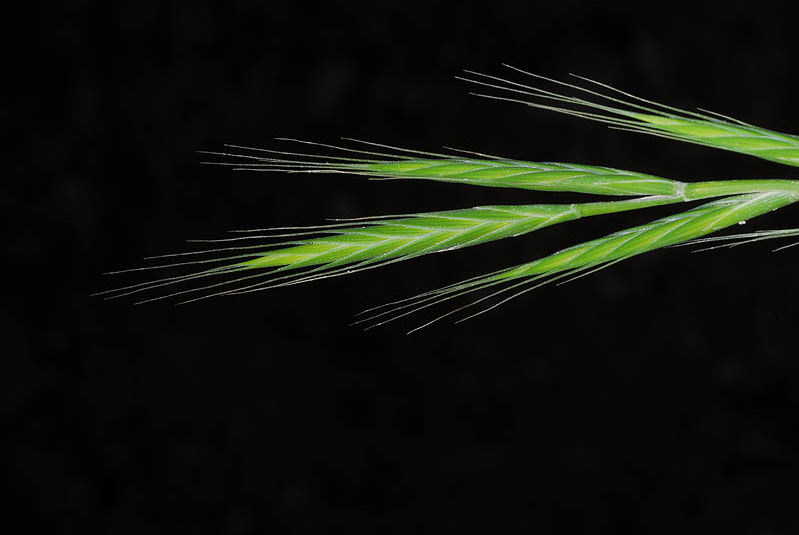
Brachypodium distachyon
species of plant
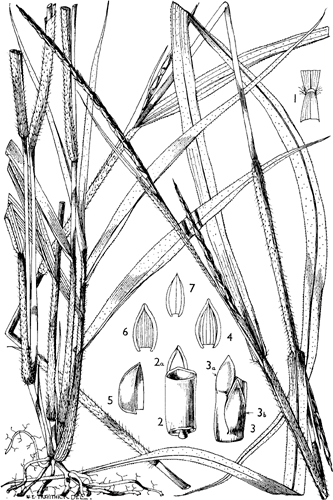
Rottboellia
Rottboellia (commonly called itch grass) is a genus of African, Asian, and Australian plants in the grass family.
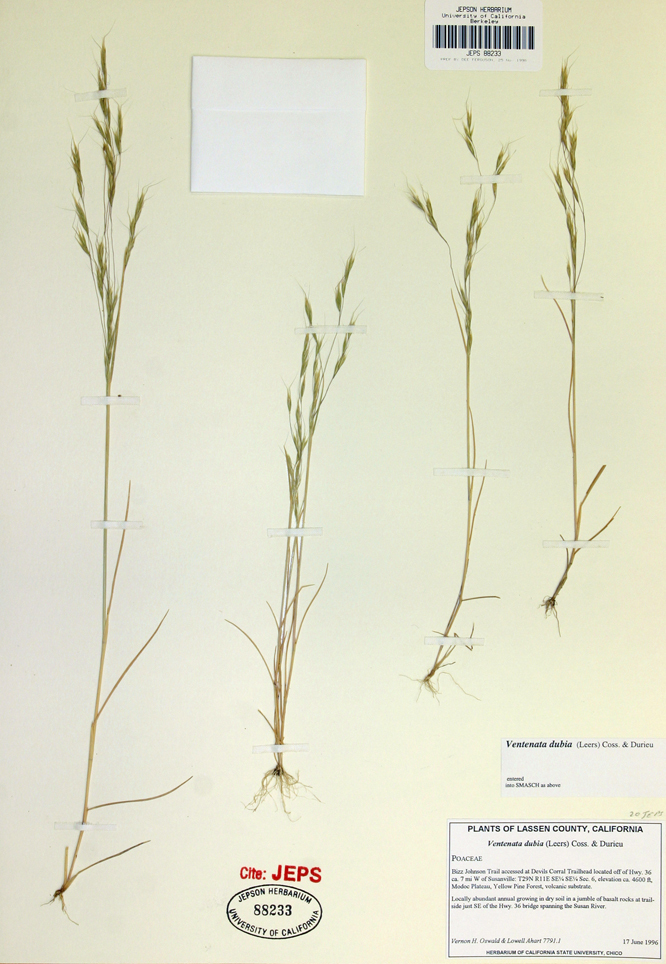
Ventenata
Ventenata is a genus of plants in the grass family, native to Europe, North Africa, and central + southwest Asia. One species, Ventenata dubia, is considered an invasive weed in many places.

Cymbopogon schoenanthus
species of plant
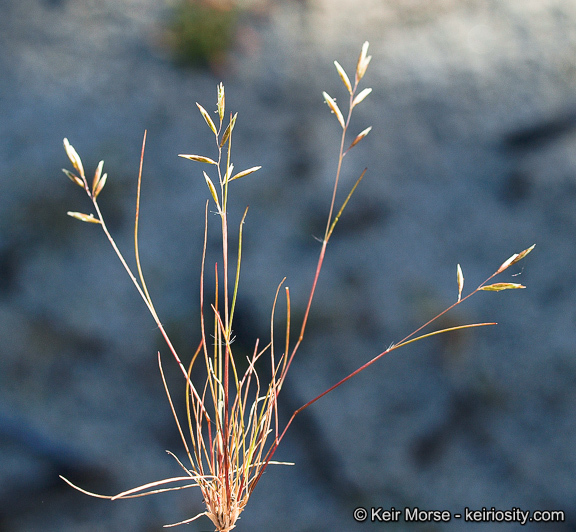
Schismus
Schismus is a genus of African and Eurasian plants in the grass family. Two species are naturalized in North America, where they are known as Mediterranean grass.

Dichanthium
thumb|Dichanthium jainii at the edge of a cliff.
Dichanthium, known commonly as bluestem or bluegrass, is a genus of African, Asian, and Australian plants in the grass family.
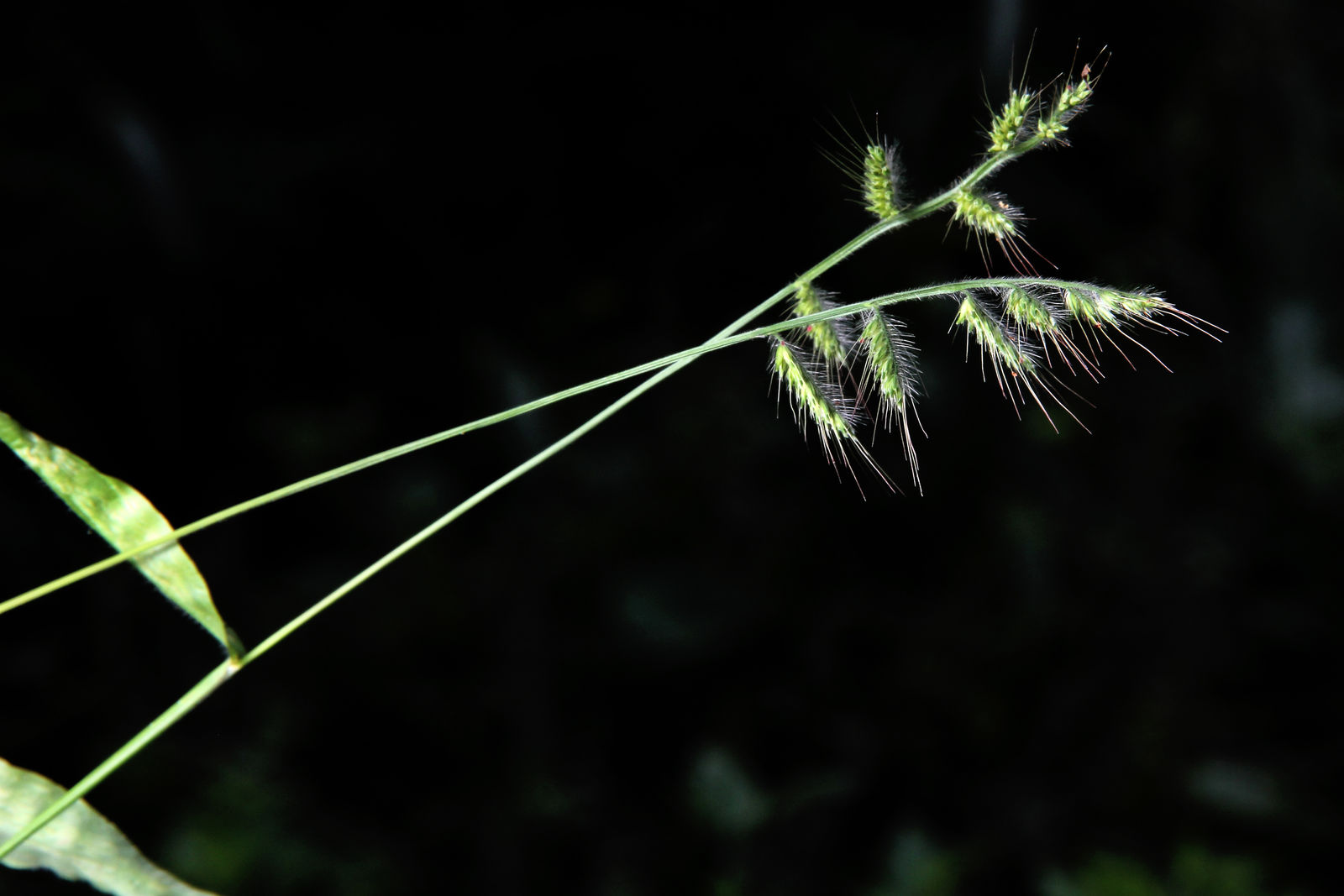
Oplismenus
Oplismenus is a small genus of annual or perennial grasses, commonly known as basketgrass, found throughout the tropics, subtropics, and in some cases, temperate regions of the Americas, Africa, Asia, and Australia. The systematics of the genus are unclear, with over 100 described species, only 7 species are officially recognized as of 2016.
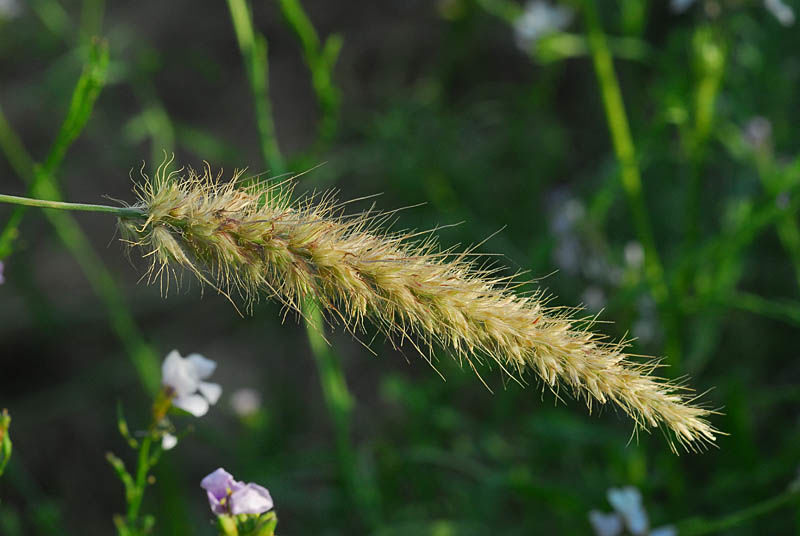
Cenchrus ciliaris
species of plant

Glyceria notata
species of plant

Schizachyrium
Schizachyrium is a widespread genus of plants in the grass family. The name is derived from the Ancient Greek words (), meaning "to split," and (), meaning "chaff." It refers to either the glume or the toothed lemmas.
Arthraxon
Arthraxon, commonly known as carpetgrass, is a genus of Asian, African and Australian plants in the grass family, Poaceae, containing the following species:
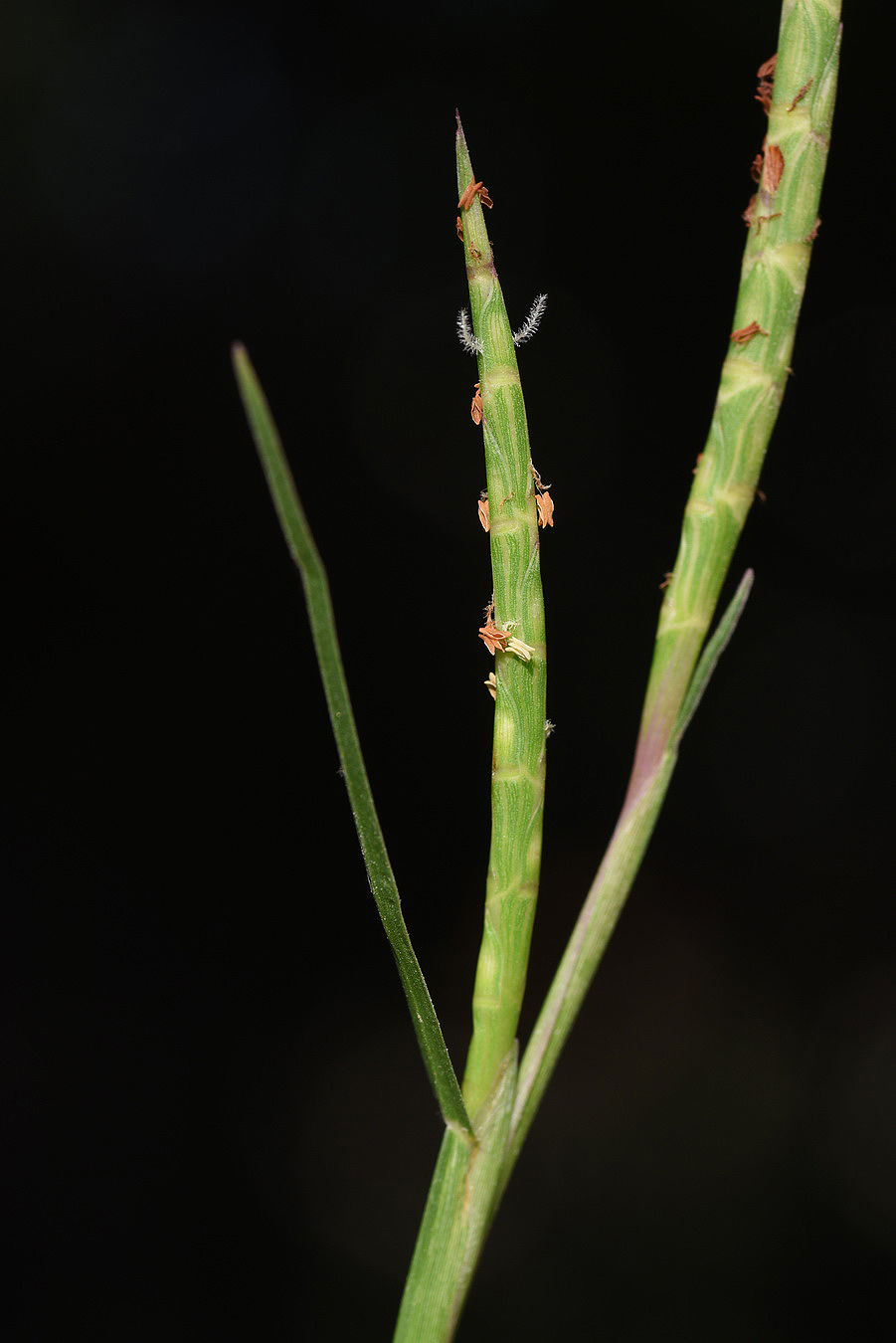
Hemarthria
Hemarthria is a genus of herbaceous plants in the grass family. They occur in the tropical and subtropical Old World, especially in China and Southeast Asia, with some species in Africa, Australia, and Southern Europe. They may be known generally as jointgrasses.
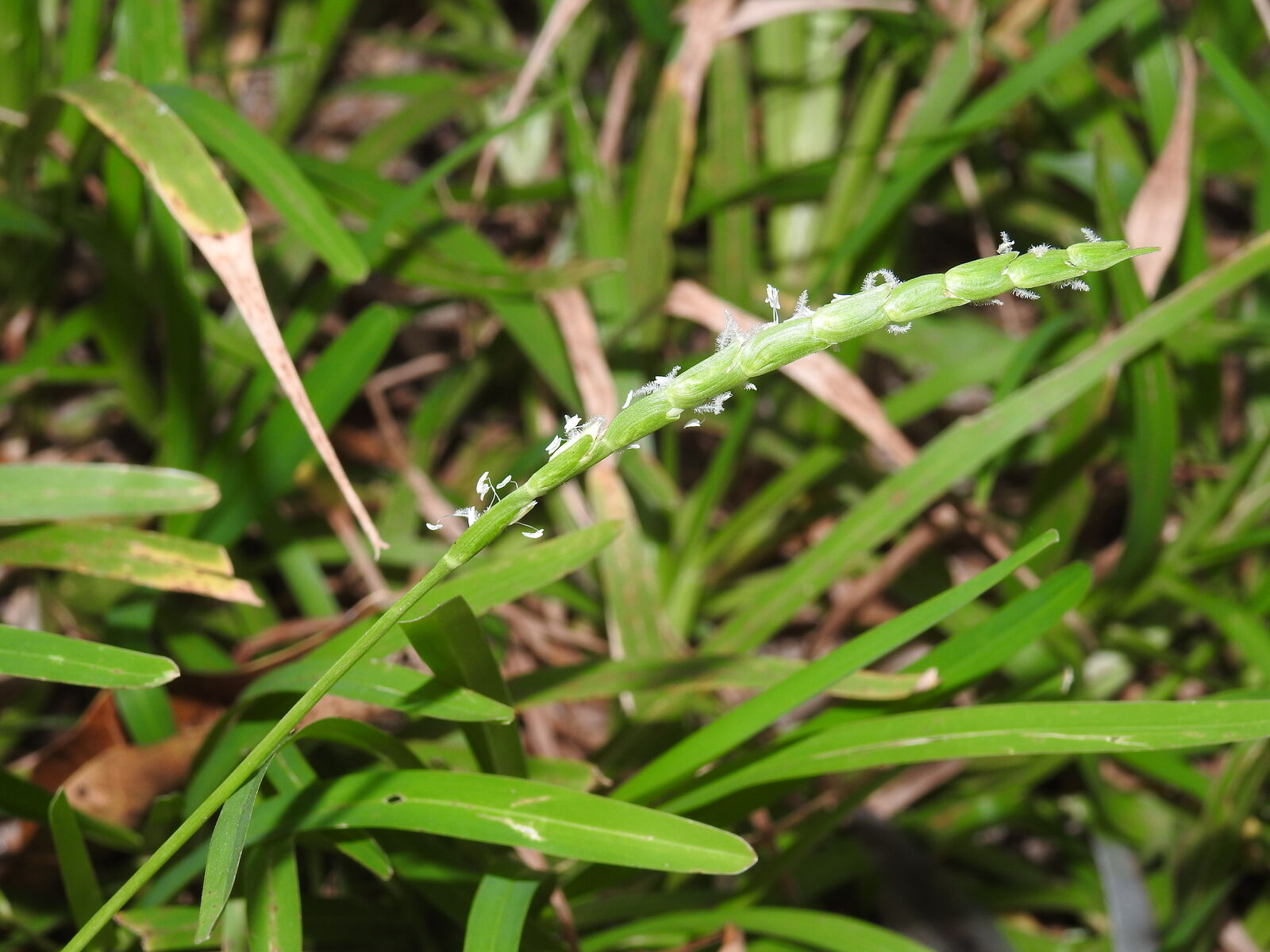
Stenotaphrum
Stenotaphrum is a widespread genus of plants in the grass family.
Ehrharta
Ehrharta is a genus of plants in the grass family.

Isachne
thumb|Isachne lisboae Hook. f.
thumb|Isachne lisboae Hook. f.
Isachne is a widespread genus of tropical and subtropical plants in the grass family, found in Asia, Africa, Australia, the Americas, and various oceanic islands. They may be known generally as bloodgrasses.