Category
page 1Greco-Persian Wars

Xenophon
Xenophon of Athens (; ; 355/354 BC) was a Greek military leader, philosopher, and historian. At the age of 30, he was elected as one of the leaders of the retreating Greek mercenaries, the Ten Thousand, who had been part of Cyrus the Younger's attempt to seize control of the Achaemenid Empire. As the military historian Theodore Ayrault Dodge wrote, "the centuries since have devised nothing to surpass the genius of this warrior".

Greco-Persian Wars
series of conflicts between the Achaemenid Empire of Persia and poleis of the Hellenic world in the fifth century BCE
the Ten Thousand
group of mercenary units, mainly Greek, drawn up by Cyrus the Younger to attempt to wrest the throne of the Persian Empire from his brother, Artaxerxes II
Second Persian invasion of Greece
invasion during the Greco-Persian Wars
First Persian invasion of Greece
campaigns by Persia against Greek city-states (492–490 BCE)
Xerxes Canal
ancient canal cutting Athos peninsula
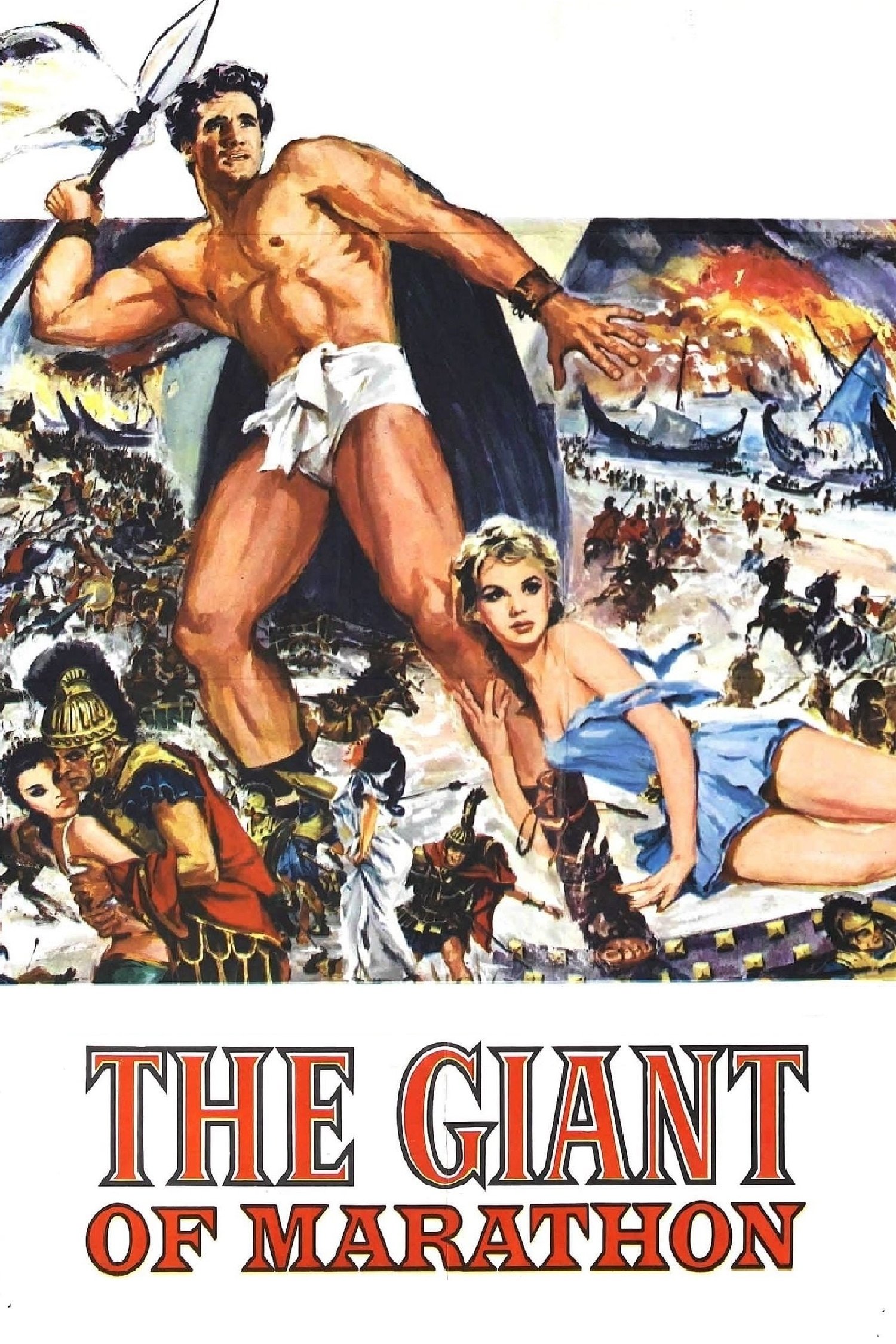
The Giant of Marathon
1959 film by Mario Bava, Jacques Tourneur
Wars of the Delian League
5th century BCE military conflicts
Expansion of Macedonia under Philip II
rise of the Macedonian Empire

Perserschutt
thumb|right|The photographed in 1866, just after the first excavation was completed. The famous Kritios Boy appears on the right.
The '''''' (), as it is called in the German language, is the collection of ancient votive and architectural sculptures that belonged to the Acropolis of Athens before being destroyed during the second Persian invasion of Greece, which took place between 480 and 479 BCE. After defeating the Achaemenid Empire, the Greeks cleared and buried what was left of the Acropolis following the Persian destruction of Athens and subsequently rebuilt the city. A team of French, G
Earth and water
Phrase, used to represent the demand of the Persians from the cities or people who surrendered to them
medism
Medism (, medismos) in ancient Greece referred to the act of imitating, sympathizing with, collaborating with, or siding with the Persians. While the term "Mede" was commonly used by Greeks to refer to the Persians, strictly speaking, the Medes were a distinct Iranian people who were co-rulers with the Persians in the Medo-Persian (Achaemenid) Empire. The Greeks began using the term "Persians" around the 470s, as evidenced by Aeschylus' play The Persians in 472.
Persian destruction of Athens
Persian siege and destruction of Athens (480–479 BCE)
Decree of Themistocles
Stoa of the Athenians
monumental structure at Delphi
Congress at the Isthmus of Corinth
Xerxes' Pontoon Bridges
bridges constructed during second Persian invasion of Greece
Aphetae
Aphetae or Aphetai ( or Ἀφέται) was a port of Magnesia in Ancient Thessaly, said to have derived its name from the departure of the Argonauts from it.