Category
page 1Gregorian mission
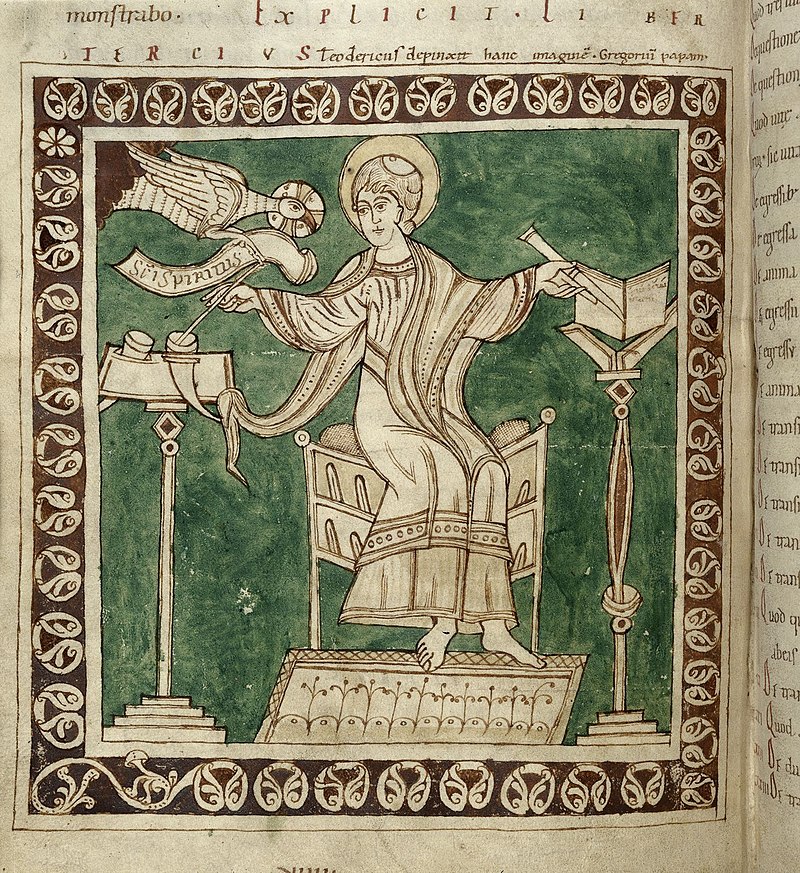
Gregory I
64th Bishop of Rome, Head of the Roman Catholic Church from 590 to 604
Augustine of Canterbury
6th-century missionary, archbishop, and saint
Æthelberht
King of Kent from 589

St Augustine's Abbey
monastery in Canterbury, Kent, England, UK

Bertha of Kent
6th century queen consort of Kent

Justus
Justus (died on 10 November between 627 and 631) was the fourth archbishop of Canterbury. Pope Gregory the Great sent Justus from Italy to England on a mission to Christianise the Anglo-Saxons from their native paganism; he probably arrived with the second group of missionaries dispatched in 601. Justus became the first bishop of Rochester in 604 and signed a letter to the Irish bishops urging the native Celtic church to adopt the Roman method of calculating the date of Easter. He attended a church council in Paris in 614.
Laurence of Canterbury
second Archbishop of Canterbury

Mellitus
Mellitus (; died 24 April 624) was the first bishop of London in the Saxon period, the third archbishop of Canterbury, and a member of the Gregorian mission sent to England to convert the Anglo-Saxons from their native paganism to Christianity. He arrived in 601 AD with a group of clergy sent to augment the mission, and was consecrated as Bishop of London in 604. Mellitus was the recipient of a famous letter from Pope Gregory I known as the Epistola ad Mellitum, preserved in a later work by the medieval chronicler Bede, which suggested the conversion of the Anglo-Saxons be undertaken gradually
Paulinus of York
Bishop of Rochester; Archbishop of York; Saint
Honorius
member of the Gregorian mission to the Anglo-Saxons and Archbishop of Canterbury
Gregorian mission
medieval Christian missionary event
St Augustine Gospels
illuminated 6th-century gospel book
list of members of the Gregorian mission
Wikimedia list article
Romanus
Bishop of Rochester
James the Deacon
missionary
Template:Gregorian mission
Wikimedia template
Liudhard
Liudhard (; modern , also Letard in English) was a Frankish bishop of Senlis in the late 6th century.