Category
page 1Habits
.jpg)
masturbation
Masturbation is a form of autoeroticism in which a person sexually stimulates their own genitals for sexual arousal or other sexual pleasure, usually to the point of orgasm. Stimulation may involve the use of hands, everyday objects, sex toys, or more rarely, the mouth (autofellatio and autocunnilingus). Masturbation may also be performed with a sex partner, either masturbating together or watching the other partner masturbate, known as "mutual masturbation".

etiquette
thumb|right|350px|In Company Shocked at a Lady Getting up to Ring the Bell (1805) James Gillray caricatured "A widow and her suitors, who seem to have forgotten their manners in the intensity of their admiration."
.jpg)
habit
thumb | right | Good Habits Poster
A habit (or wont, the original word in English) is a routine of behavior that is repeated regularly and tends to occur subconsciously.
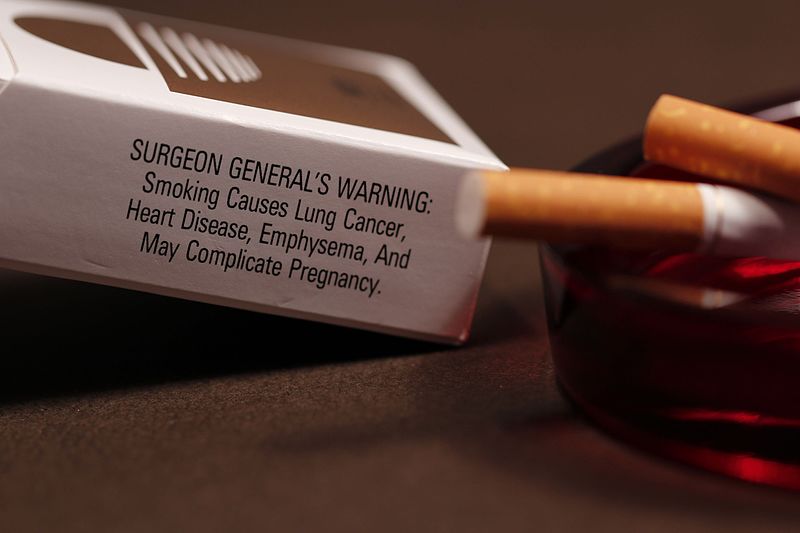
tobacco smoking
practice of burning tobacco and inhaling the resulting smoke

smoking
Smoking is a human behavior which involves the combustion of a substance, usually plant material, and the inhalation of resulting fumes. Today, smoking is mostly practiced by rolling the dried leaves of the tobacco plant into a cigarette. Other forms of tobacco smoking include the use of a smoking tobacco with a pipe or cigar, or using a bong. Cigarette smokers almost always inhale the smoke; most pipe and cigar smokers do not inhale.

procrastination
Procrastination is the act of unnecessarily delaying or postponing something despite knowing that there could be negative consequences for doing so. It is a common human experience involving delays in everyday chores or even putting off tasks such as attending an appointment, submitting a job report or academic assignment, or broaching a stressful issue with a partner. It is often perceived as a negative trait due to its hindering effect on one's productivity, associated with depression, low self-esteem, guilt, and feelings of inadequacy. However, it can also be considered a wise response to c
%2C%201806-1807%20-%20Johann%20Heinrich%20F%C3%BCssli.jpg)
vice
thumb|upright|Henry Fuseli, [[Virtue reclaiming Youth from the arms of Vice, 1806–1807]]
tic
A tic is a sudden and repetitive motor movement or vocalization that is not rhythmic and involves discrete muscle groups. Tics are typically brief and may resemble a normal behavioral characteristic or gesture.

spitting
thumb|A cartoon of Charlie Chaplin spitting on the ground (1931, by [[Hinko Smrekar)]]
thumb|"Don't spit" prevention poster
.jpg)
phubbing
thumb|Detail of Paul Day (sculptor)|Paul Day's 2007 sculpture The Meeting Place, showing a woman looking at her mobile phone while in an embracePhubbing refers to the act of ignoring one's immediate social interactions in favor of engaging with a smartphone, making it a prevalent behavior in today's digital age. While it is frequently associated with the concept of fear of missing out (FOMO), the current body of research presents conflicting evidence regarding the strength and consistency of this relationship. In May 2012, as part of a linguistic experiment by Macquarie Dictionary, the adverti

temper tantrum
thumb|Child having a tantrum
thumb|"Christina Rossetti in a Tantrum" by her brother, [[Dante Gabriel Rossetti]]
A tantrum, conniption, angry outburst, temper tantrum, lash out, meltdown, fit of anger, or hissy fit is an emotional outburst, usually associated with those in emotional distress. It is typically characterized by stubbornness, crying, screaming, violence, defiance, angry ranting, a resistance to attempts at pacification, and in some cases, hitting or bullying and other physically violent behavior. Physical control may be lost; the person may be unable to remain still; and even if th

negligence
thumb | right
Carelessness refers to the lack of awareness during a behaviour that can result in unintended consequences. The consequences of carelessness are often undesirable and tend to be mistakes. A lack of concern or an indifference for the consequences of the action due to inattention may be involved in the origin of carelessness.
cracking joints
bending person's joints to produce a distinct cracking or popping sound
bad habit
negative behavior pattern which may include: procrastination, overspending and nail-biting
overeating
Overeating occurs when an individual consumes more calories than the energy that is expended via physical activity or expelled via excretion, or when they consume food past the point of satiation, often leading to weight gain and often obesity. Overeating is the defining characteristic of binge eating disorder, and it can be a symptom of bulimia nervosa.
Vāsanā
Vāsanā () is a behavioural tendency or karmic imprint which influences the present behaviour of a person. It is a technical term in Indian philosophy, particularly Yoga, Buddhist philosophy, and Advaita Vedanta.
thumb sucking
behavior found in humans, chimpanzees, captive ring-tailed lemurs, and other primates
civility
Civility may denote orderly behavior and politeness. Historically, civility also meant training in the humanities.
Fidgeting
thumb|Barack Obama fidgeting with a [[Petoskey stone while on a phone call (2012)]]
thumb|Shaking a pen while thinking is a common way of fidgeting.
Fidgeting is the act of moving about restlessly in a way that is not essential to ongoing tasks or events. Fidgeting may involve playing with one's fingers, hair, or personal objects (e.g. glasses, pens or items of clothing). In this sense, it may be considered twiddling or fiddling. Fidgeting is commonly used as a label for unexplained or subconscious activities and postural movements that people perform while seated or standing idle.

allergic salute
upward rubbing of the nose to relieve itching
aggressive driving
driving which endangers persons and property through aggressive maneuvers
bathroom singing
social phenomenon