Category
page 1Harvest festivals

Sukkot
thumb|Sukkot's Four species|4 Holy Species from left to right: [[Hadass (myrtle), Lulav (palm frond), Aravah (willow branch), Etrog (citron) carrier, Etrog (citron) outside its carrier]]

Mid-Autumn Festival
The Mid-Autumn Festival, also known as the Moon Festival or Mooncake Festival, is a harvest festival celebrated in Chinese culture. It occurs on the 15th day of the 8th month of the Chinese lunisolar calendar and can fall between 7 September and 8 October (inclusive) of the Gregorian calendar. On this day, the Chinese believe that the moon is at its fullest and brightest, coinciding with the time of harvest in the middle of autumn.
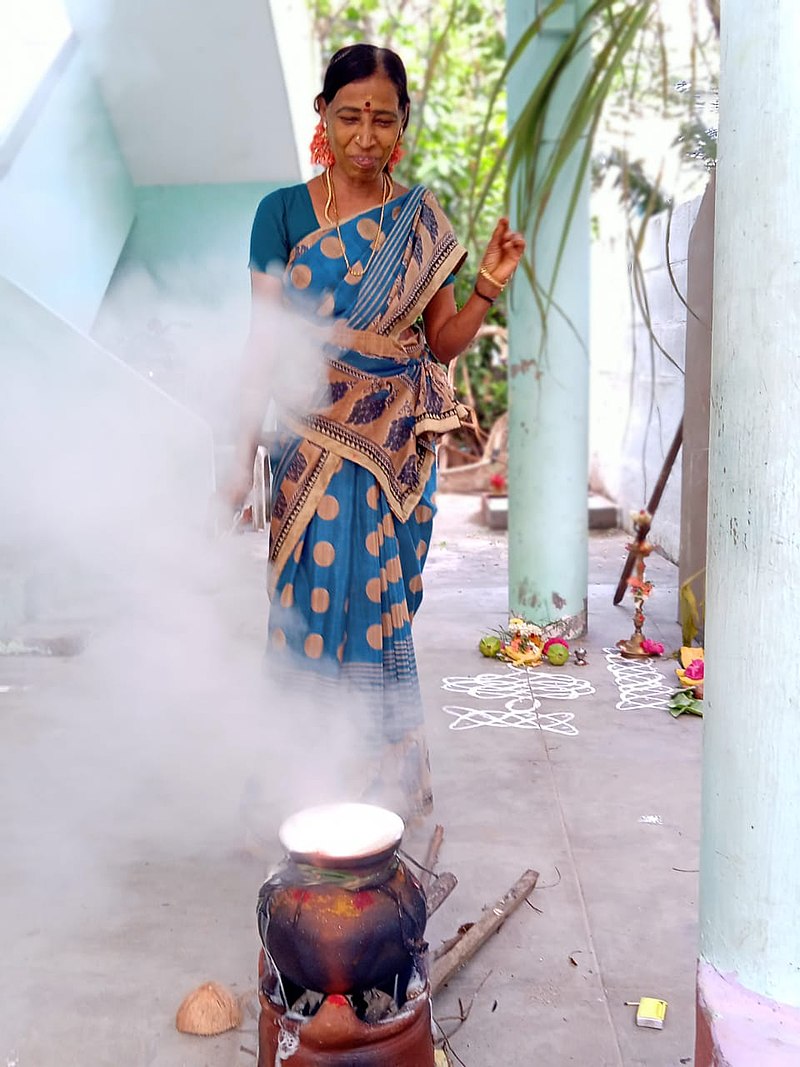
Pongal
multi-day annual harvest Tamils festival in South India and Sri Lanka various region

Makar Sankranti
Makar(a) Sankrānti, also referred to as Uttarāyana, Makara, or simply Sankrānti, is a Hindu observance and a mid-winter harvest festival in India and Nepal. It is typically celebrated on 14 January annually, this occasion marks the transition of the sun from the zodiac of Sagittarius (dhanu) to Capricorn (makara). As this transition coincides with the sun's movement from south to north, the festival is dedicated to the solar deity, Surya, and is observed to mark a new beginning. Across India, the occasion is celebrated with numerous multi-day festivals.

Vaisakhi
Vaisakhi (), also known as Baisakhi () or Mesadi or Basoa (), marks the first day of the month of Vaisakh and is traditionally celebrated annually on 13 April or sometimes 14 April.
It is seen as a spring harvest celebration primarily in Punjab and Northern India.
Whilst it is culturally significant in many parts of India as a festival of harvest, Vaisakhi is also the date for the Indian Solar New Year. However, Sikhs celebrate the new year on the first the month Chet, according to the Nanakshahi calendar.
.jpg)
Ch'usŏk
Chuseok (; , ), also known as Hangawi (; ; from Old Korean, "the great middle [of autumn]"), is a major Korean mid-autumn harvest festival which occurs on the 15th day of the 8th month of the lunisolar calendar, on the full moon. In South Korea, the festival lasts for three days, including the days before and after the full moon. In North Korea, Chuseok is a single-day celebration on the full moon only.
thumb|Hanbok
thumb|Songpyeon
As a celebration of the good harvest, Koreans visit their ancestral hometowns and share a feast of Korean traditional food such as songpyeon, yakgwa, fruits like As
Pohela Boishakh
New Year festival of the Bengali people (mid April)
harvest festival
type of festive celebration

Dozhinki
thumb|Side road effigy during Dożynki festival near Wrocław
Dożynki (Dozhinki, , , ; , Prachystaya; ; ; Dormition) is a Slavic harvest festival. In pre-Christian times the feast usually fell on the autumn equinox, in modern times it is usually celebrated on one of the Sundays following the end of the harvest season, which fall on different days in different regions of Europe.
Sharad Purnima
Festival

tsukimi
or , meaning, "moon-viewing", are Japanese festivals honoring the autumn moon, a variant of the Mid-Autumn Festival. The celebration of the full moon typically takes place on the 15th day of the eighth month of the traditional Japanese calendar, known as ; the waxing moon is celebrated on the 13th day of the ninth month, known as . These days normally fall in September and October of the modern solar calendar.

Kaamatan
Kaamatan (; ) is a form of harvest festival celebrated on 30 and 31 May annually in the state of Sabah in Malaysia.
Niiname-no-Matsuri
The Niiname-sai (新嘗祭, also read Shinjō-sai and Niiname-no-Matsuri) is a Japanese harvest ritual. The ritual is celebrated by the Emperor of Japan, who thanks the Shinto deities for a prosperous year and prays for a fruitful new year. It takes place near the Three Palace Sanctuaries in the Tokyo Imperial Palace and at several large Shinto shrines. The first Niiname-sai for a new emperor is known as the Daijō-sai (大嘗祭), and is part of his enthronement ceremonies.
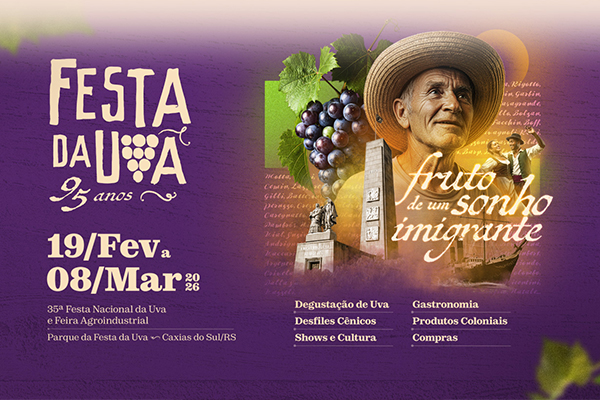
Festa da Uva
festival of Italian culture in Brazil
Karam
festival celebrated in India
Kadayawan
Annual festival in Davao, Philippines
incwala
framed|right|Swazi warriors dancing incwala
Sometutuza Festival
The Keta-Sometutuza or Keta-Sometutu Festival is an annual festival celebrated by the chiefs and peoples of Agbozume in Ketu South District in the Volta Region of Ghana. It is usually celebrated two weeks after the Hogbetsotso festival. It is celebrated by the Somey people of Agbozume, Denu and surrounding communities to commemorate their migration from Keta in 1792-94 after the Keta -Anloga War. It is usually celebrated on the 3rd Saturday in November.
Kaanum Pongal
South Indian festival part of Pongal
Gawai Dayak
harvest festival in Malaysia
Seren taun
sundanese rice harvest festival
Pukllay
thumb|right|alt=Evo Morales and Eli Salguero at Pujllay|Former Bolivian President Evo Morales and Culture Minister [[Elizabeth Salguero attend the Pukllay festival which their administration has nominated for UNESCO recognition]]
Pukllay or phukllay (Quechua for to play, play / carnival, other spellings pucllay, pugllay, phujllay, pujhllay, pujllay, puqhllay) is a traditional festival held in the central Andes. The word "play" refers to either the clouds or the blossoms "playing" in the winds at the end of the rainy season and thus harvesting time. The Bolivian Pukllay is connected to the Chri
Ami’s Harvest Festival
Tết Trung Thu
traditional Vietnamese festival
kekri
Finnish autumn festival