Category
page 1Hebrew calendar

Hebrew calendar
lunisolar calendar used for Jewish religious observances

Shabbat
Shabbat (, , or ; , , ) or the Sabbath (), also called Shabbos (, ) by Ashkenazim, is Judaism's day of rest on the seventh day of the week—i.e., Friday–Saturday. On this day, religious Jews remember the biblical stories describing the creation of the heaven and earth in six days and the redemption from slavery and the Exodus from Egypt. Since the Jewish religious calendar counts days from sunset to sunset, Shabbat begins in the evening of what on the civil calendar is Friday.
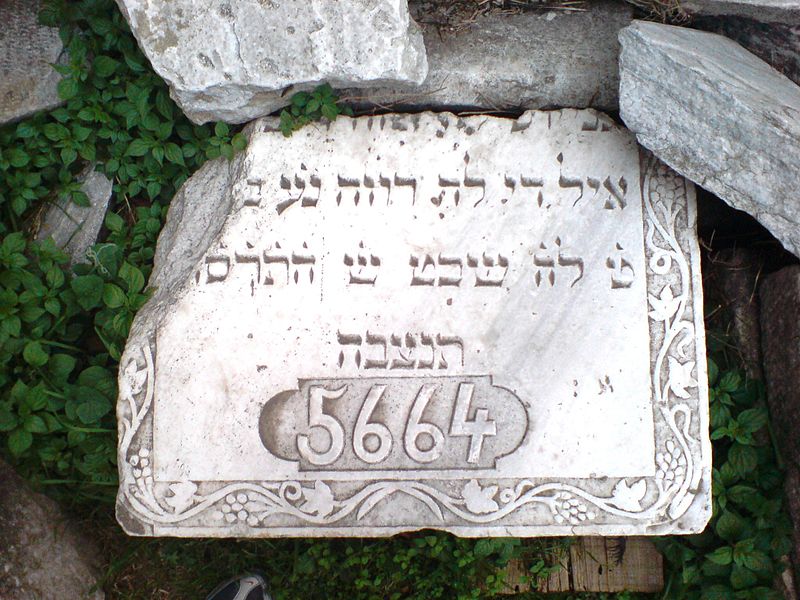
Anno Mundi
various calendar eras that purport to count the number of years since the beginning of creation
Seleucid era
calendar era

Shmita
thumb|Shmita placard in an agricultural field (in the year 5782)
The sabbath year or sabbatical year (), also called the shmita () or "sabbath of the Land", is the seventh year of the seven-year agricultural cycle mandated by the Torah in the Land of Israel and is observed in Judaism.
jubilee
year at the end of seven cycles of shmita (Sabbatical years)
Kiddush Levanah
Jewish ritual for blessing the Moon.

Aviv
Aviv () means "spring (season)" in Hebrew. Aviv is the first month of the year in the Pentateuch, and is later called Nisan in the book of Esther and in subsequent post-exilic history up to the present day. These names are sometimes used interchangeably, although Aviv refers to the three-month season, and Nisan is called the "first month of Aviv." Aviv is also used as a given name, surname, and place name, as in Tel Aviv.
Qumran calendrical texts
Texts from Qumran
Missing years
discrepancy between the rabbinic and academic datings for the destruction of the First Temple