Category
page 1Hellenistic and Roman bronzes
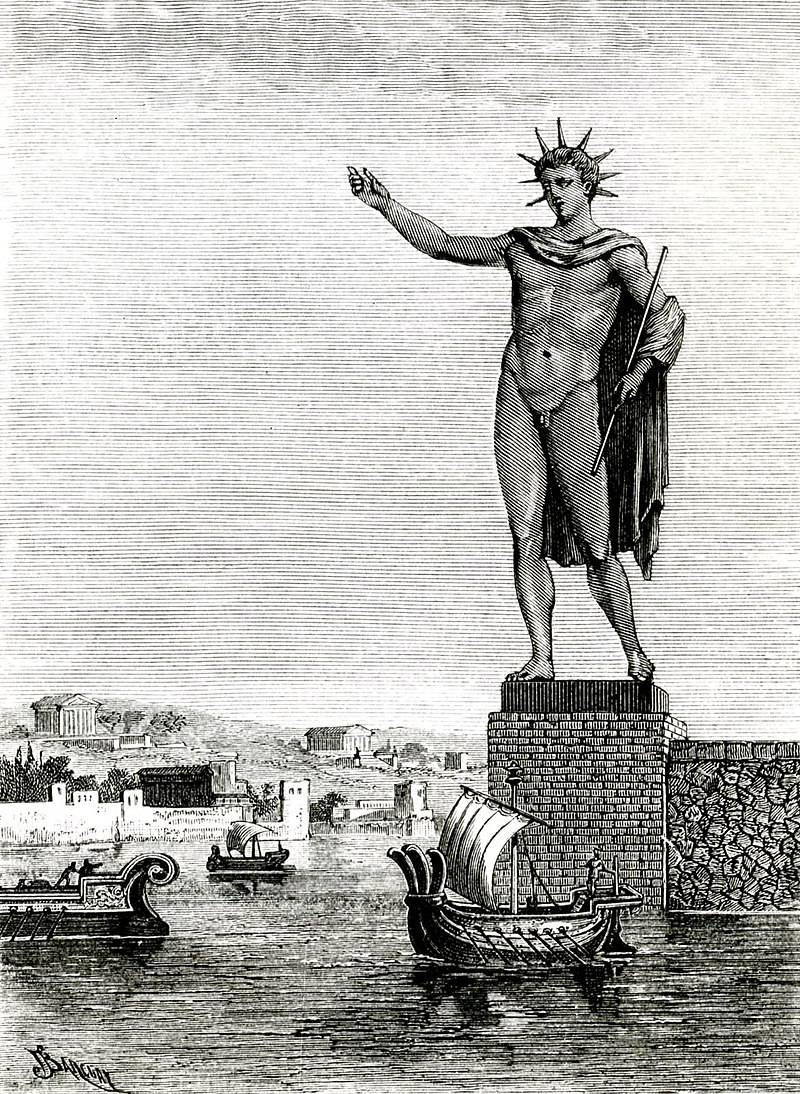
Colossus of Rhodes
statue of the Greek Titan Helios; one of the seven wonders of the ancient world
equestrian statue of Marcus Aurelius
sculpture formerly at Piazza del Campidoglio
Horses of Saint Mark
ancient bronze horses at the basilica of San Marco, Venice
Boxer at Rest
Hellenistic Greek bronze sculpture of a sitting nude boxer at rest
Jockey of Artemision
Hellenistic bronze statue
Capitoline Brutus
ancient Roman bronze bust
Boy with Thorn
artistic type
Gilt Bronzes from Cartoceto di Pergola
sculpture
The Orator
Roman-Etruscan bronze sculpture
Croatian Apoxyomenos
sculpture
Victorious Youth
ancient Greek bronze sculpture

Colossus of Barletta
sculpture

Apollo of Piombino
Greek bronze statue
Seated Hermes
Lion of Venice
statue on St. Mark's Square, Venice, Italy
Corinthian bronze
highly valuable metal alloy in classical antiquity
Youth of Magdalensberg
ancient Roman statue
The Youth of Agde
statue in Agde, France
Victory of Calvatone
gilded bronze statue of the Roman Imperial period
Idolino
thumb|right|200px
The Idolino, or Idolino of Pesaro, is a Roman bronze statue of a nude youth in contrapposto, standing 146 cm high, made in approximately 30 B.C. It is a copy of a Greek sculpture in the style of Polyclitus made in approximately 440 B.C. It received the name "Idolino," which is Italian for "Little Idol," in the 19th century.
Hellenistic Prince
sculpture
Pseudo-Seneca
thumb|Pseudo-Seneca bust recovered from the Villa of the Papyri in Herculaneum MANN 5616
The Pseudo-Seneca is a Roman bronze bust of the late 1st century BC that was discovered in the Villa of the Papyri at Herculaneum in 1754, the finest example of about two dozen examples depicting the same face. It was originally believed to depict Seneca the Younger, the notable Roman philosopher, because its emaciated features were supposed to reflect his Stoic philosophy. However, modern scholars agree it is likely a fictitious portrait, probably intended for either Hesiod or Aristophanes. It is thought
Dancing Satyr of Mazara del Vallo
Greek statue
Hepatizon
thumb | right | Bowl made of Corinthium Bronze
Hepatizon (Greek etymology: , English translation: "liver"), also known as black Corinthian bronze, was a highly valuable metal alloy in classical antiquity. It is thought to be an alloy of copper with the addition of a small proportion of gold and silver (perhaps as little as 8% of each), mixed and treated to produce a material with a dark purplish patina, similar to the colour of liver. It is referred to in various ancient texts, but few known examples of hepatizon exist today.
Regisole
thumb|upright=1.15|Today's Regisole monument in front of the Cathedral of Pavia. Beyond, at the left of the cathedral, ruins of the Torre Civica.
The Regisole ("Sun King") was a bronze classical or Late Antique equestrian monument, highly influential during the Italian Renaissance. It was originally erected at Ravenna, in what is now Italy, but was moved to Pavia in the Middle Ages, where it stood on a column before the cathedral, as an emblem of communal pride and Pavia's deep connection with imperial Rome.
Meroë Head
27–25 BC bronze statue of Roman Emperor Augustus
Piraeus statues of Artemis
ancient bronzes in Piraeus Museum
Artemis and the Stag
statue in New York City, United States of America
Anahit statue
statue of Anahit, the Armenian Goddess
Dionysus, called Narcissus, from Pompeii
Roman statue dated I century BC to I century AD
Horse's head of Waldgirmes
remnant of a Roman age equestrian statue
Berlin Adorant
antique bronze statue, Altes Museum, Berlin, Germany