Category
page 1Hellenistic architecture

Lighthouse of Alexandria
lighthouse in Egypt, built in the 3rd century BC and destroyed in the Middle Ages

Library of Alexandria
one of the largest libraries in the ancient world, located in Alexandria, Egypt
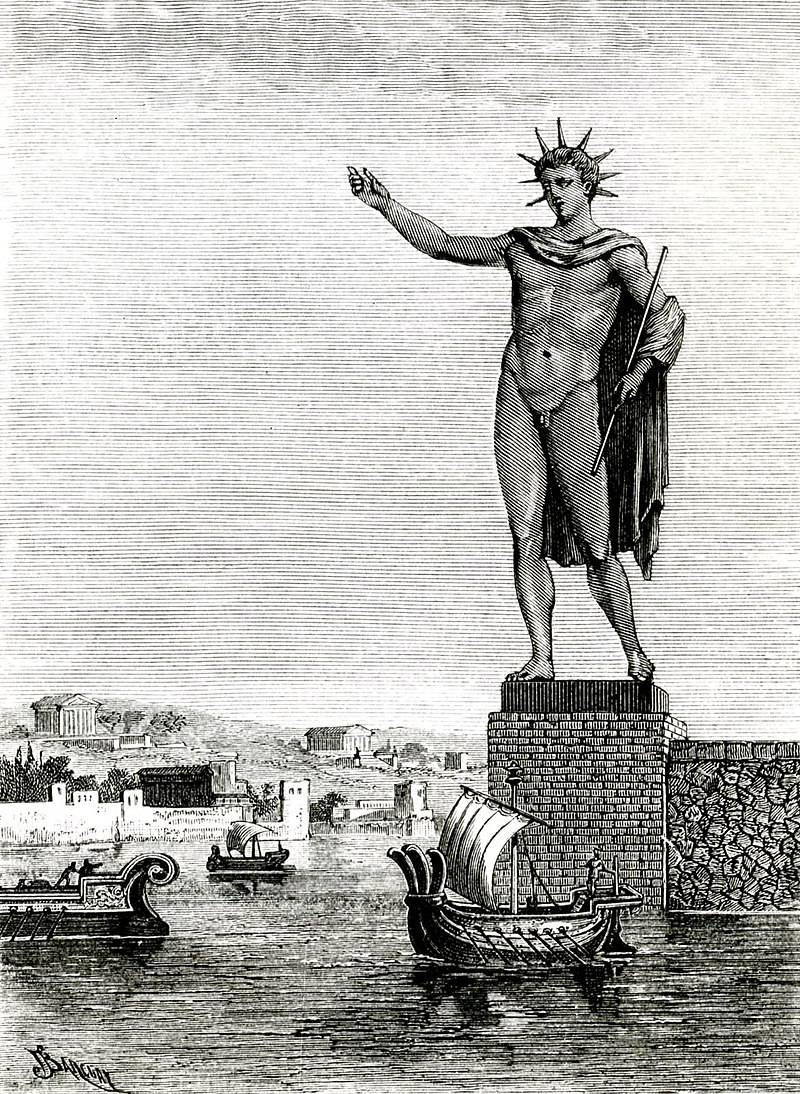
Colossus of Rhodes
statue of the Greek Titan Helios; one of the seven wonders of the ancient world
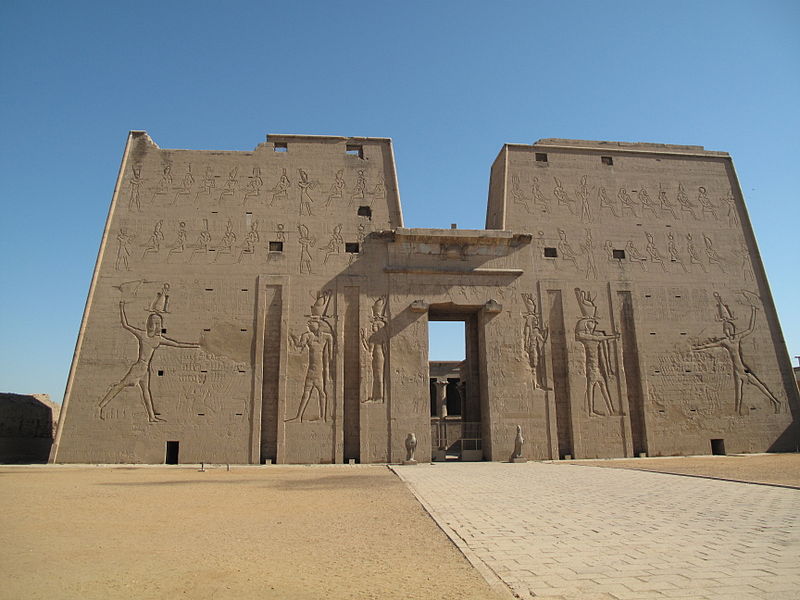
Temple of Edfu
ancient Egyptian temple, located on the west bank of the Nile in Edfu, Upper Egypt

Thracian Tomb of Sveshtari
tomb in Bulgaria
Pergamon Altar
ancient Greek building from Pergamon, today in the Antikensammlung Berlin
Tower of the Winds
a Roman tower in Athens that once housed an early weather vane, large clepsydra, and multiple sundials to function as an early clocktower
Dendera Temple complex
ancient Egyptian temple complex

Didyma
Temple of Kom Ombo
building in Egypt
Library of Pergamum
ancient Greek library in Pergamon, Anatolia, c. 300 BC-100 AD
Stoa of Attalos
ancient stoa in Athens
Serapeum of Alexandria
temple in Alexandria

serapeum
thumb|Remains of the Serapeum of Alexandria
thumb|Marble bust of Serapis, Roman copy after a Greek original from the 4th century BC
A serapeum is a temple or other religious institution dedicated to the syncretic Greco-Egyptian deity Serapis, who combined aspects of Osiris and Apis in a humanized form that was accepted by the Ptolemaic Greeks of Alexandria. There were several such religious centers, each of which was called a serapeion/serapeum () or poserapi (), coming from an Egyptian name for the temple of Osiris-Apis ().
Machaerus
Machaerus (Μαχαιροῦς, from [a sword]; ; ) was a Hasmonean hilltop palace and desert fortress, rebuilt by Herod and now in ruins, in the village of Mukawir in modern-day Jordan. The site is located southeast of the mouth of the Jordan River on the eastern side of the Dead Sea.
Stoa Poikile
ancient stoa in Athens

Cadmea of Thebes
thumb|275px|Ruins of the Cadmea.
Stoa of Eumenes
ancient stoa in Athens Acropolis
Tomb of the Prophets Haggai, Zechariah and Malachi
ancient burial site in Jerusalem
Caesareum of Alexandria
demolished temple in Egypt
Greek Theatre of Syracuse
ancient Greek theatre in Siracusa, Italy

Behbeit el-Hagara
village in Gharbia Governorate, Egypt
Samothrace temple complex
ancient sanctuary of the Great Gods on Samothrace, Greece
Asclepieion of Athens
temple complex in ancient Athens
Karakuş
funerary monument
Heptastadion
The Heptastadion (Greek: Ὲπταστάδιον) was a giant causeway, often referred to as a mole or a dyke built by the people of Alexandria, Egypt in the 3rd century BC during the Ptolemaic period. The Heptastadion was created to link Pharos Island to the mainland coast and given a name based on its length (Heptastadion is Greek for "seven stadia"— hepta meaning seven, and a stadion being a Greek unit of length measuring approximately ). Overall it was more than three-quarters of a mile long.
Acropolis of Rhodes
sacred center of the ancient polis of Rhodes
Qasr al Abd
building in Iraq al-Amir, Jordan
Asclepieion of Pergamon
temple complex with a Greek theatre in Pergamon
Belevi Mausoleum
Hellenistic tomb in Turkey
First Ancient Theatre
building in Larissa, Thessaly Region, Greece
Jason's Tomb
tomb in Jerusalem, Israel
altar of Hieron
Hasmonean royal winter palaces
archaeological site in Israel

Kamouh el Hermel
archaeological site in Lebanon
Rhodes Footbridge
bridge in the city of Rhodes, Greece
Second Ancient Theatre
building in Larissa, Thessaly Region, Greece
Sanctuary of Aphrodite, Aphrodisias
1st-century BC Temple of Aphrodite
Indo-Corinthian capital
Mancınık Castle
castle in Silifke, Mersin, Turkey
Parthian style
historical Iranian architecture