Category
page 1Hemerobiiformia
.jpg)
Hemerobiidae
thumb|Campodeiform larva of Micromus
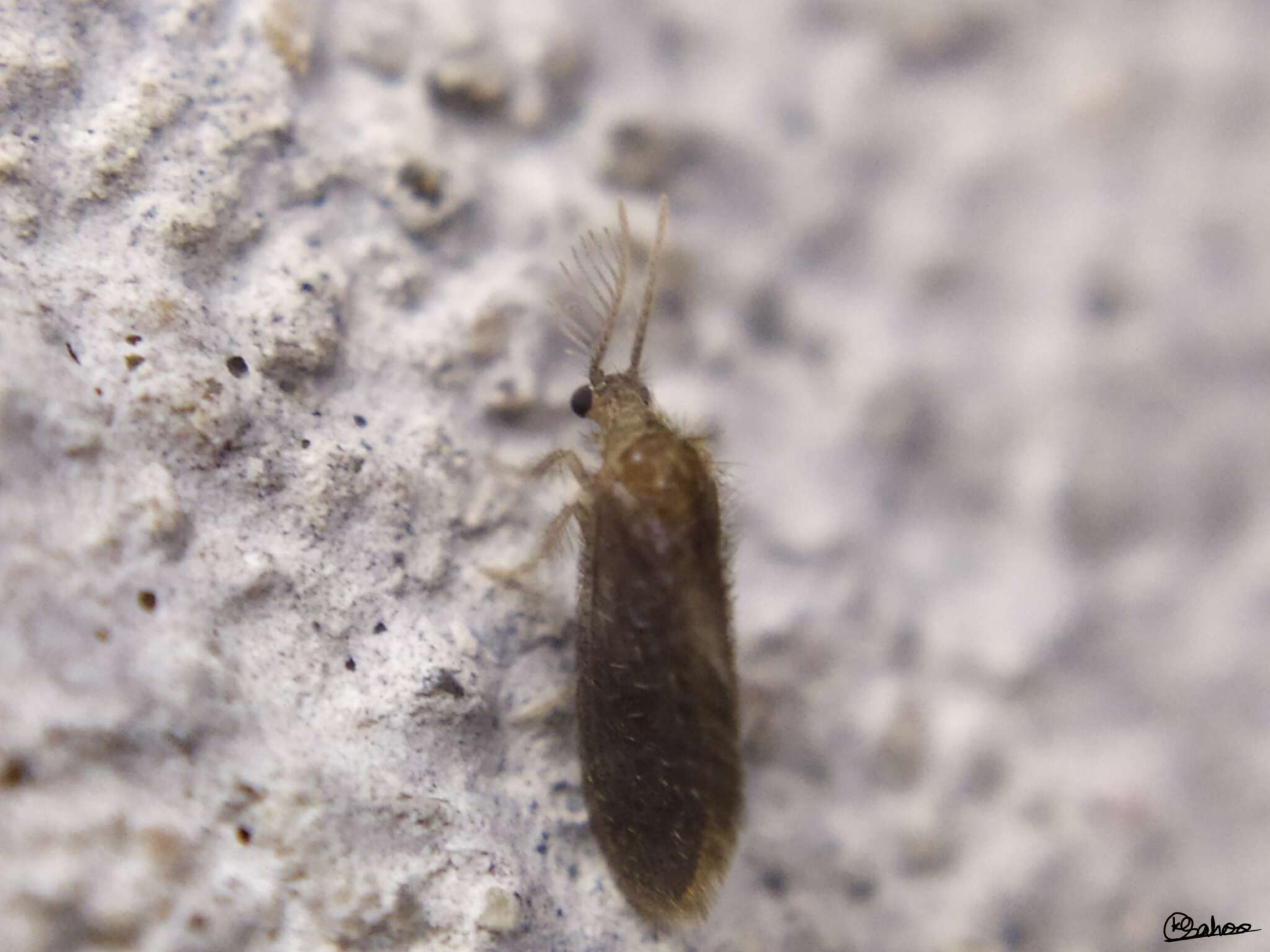
Dilaridae
Dilaridae is a family of Euneuropteran insects in the order Neuroptera, known as "pleasing lacewings". They were formerly placed in the paraphyletic superfamily Hemerobioidea, though the group is currently placed in the monophyletic superfamily Dilaroidea as a sister group to Mantispoidea and Osmyloidea.

Sisyra nigra
species of insect
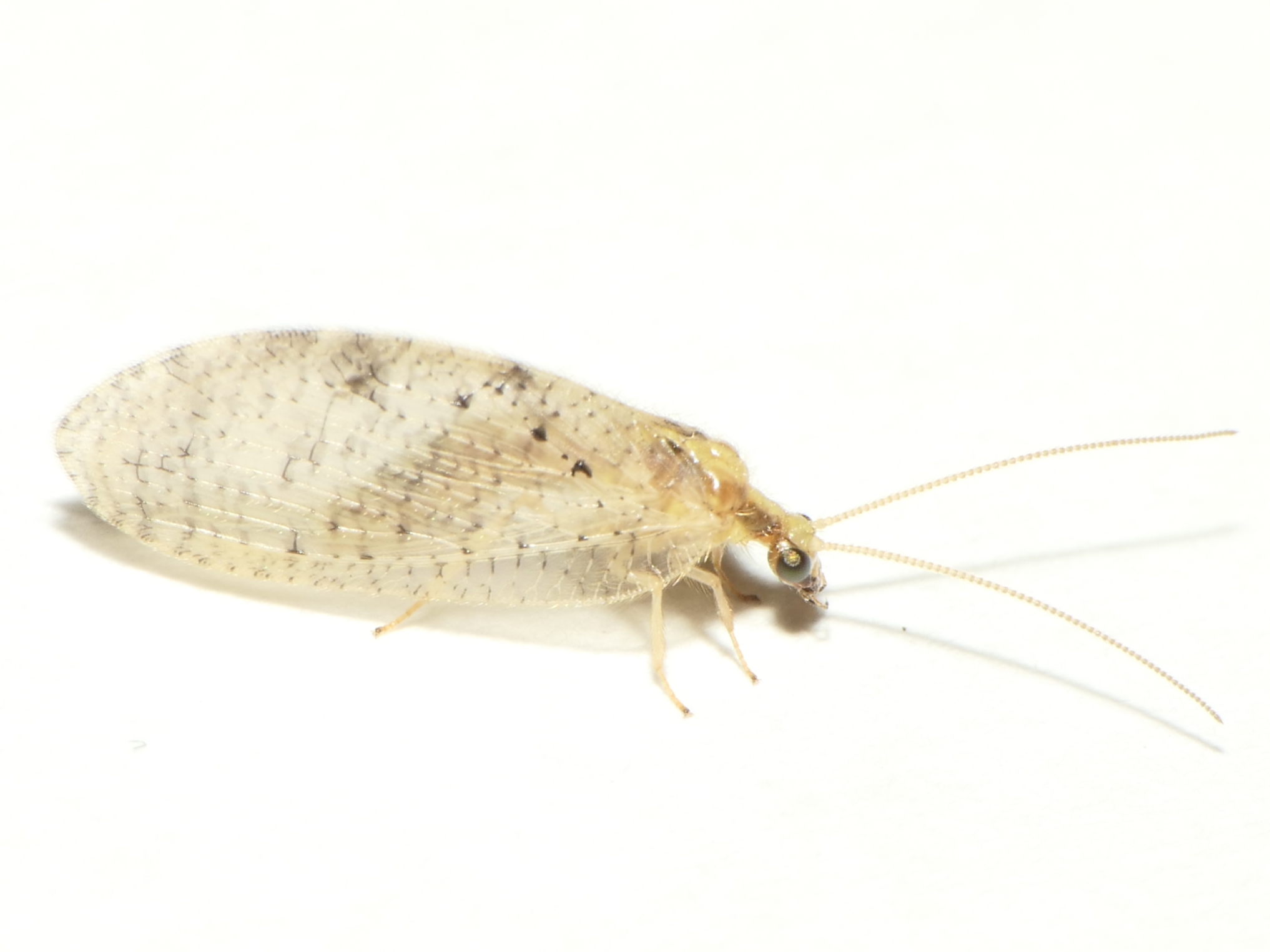
Hemerobius humulinus
species of insect
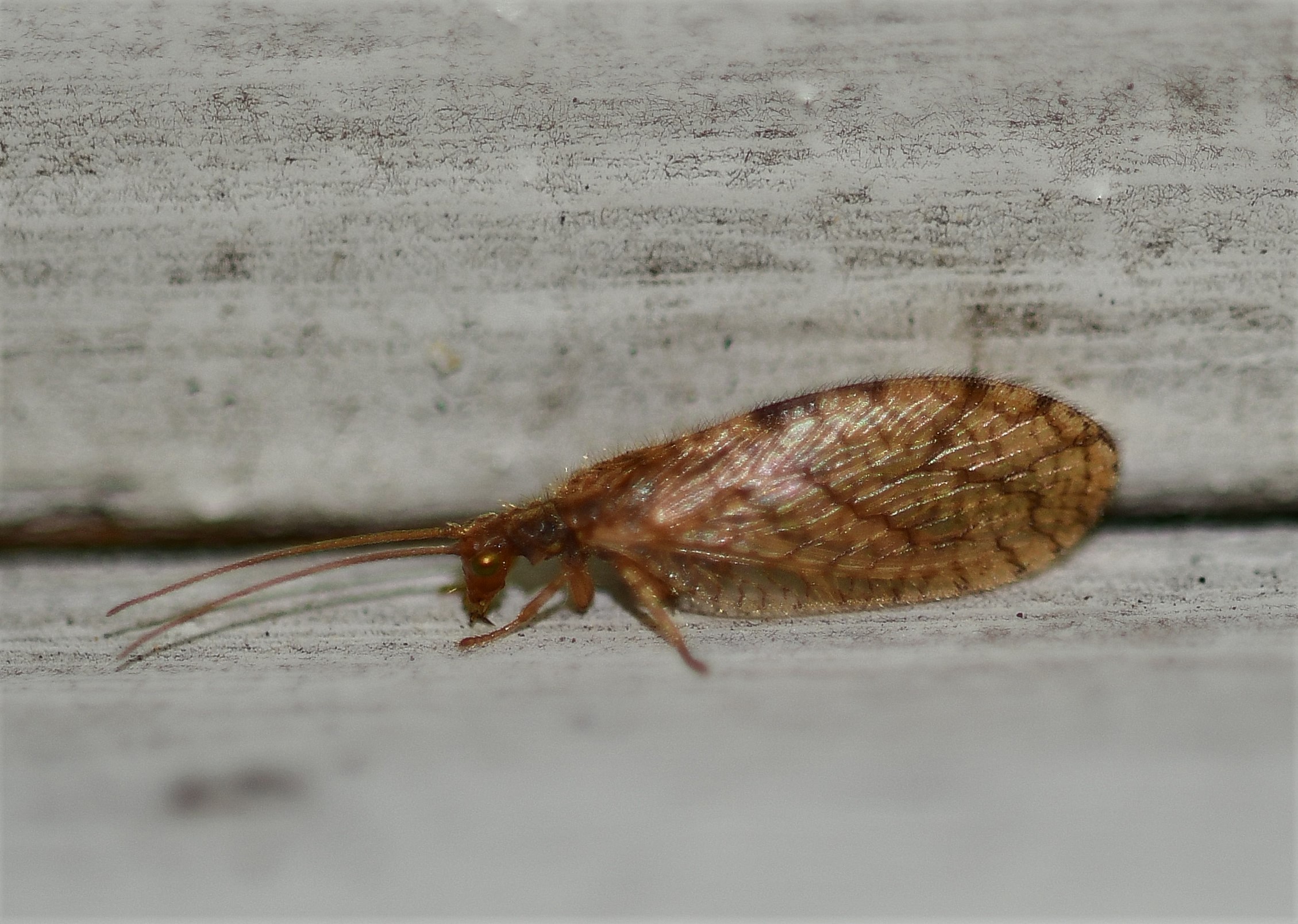
Micromus angulatus
species of insect

Hemerobius
thumb|upright|Hemerobius humulinus
Hemerobius is a genus of lacewings in the family Hemerobiidae. It is found throughout Europe and North America. Like most lacewings, both the larvae and adults are predatory, primarily eating acarines, scale insects, psyllids, aphids, thrips, and the eggs of lepidopterans and whiteflies.
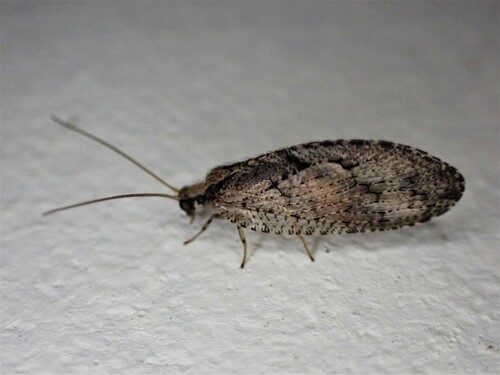
Wesmaelius
Wesmaelius is a genus of net-winged insects, belonging to the family Hemerobiidae.

Psectra diptera
species of insect
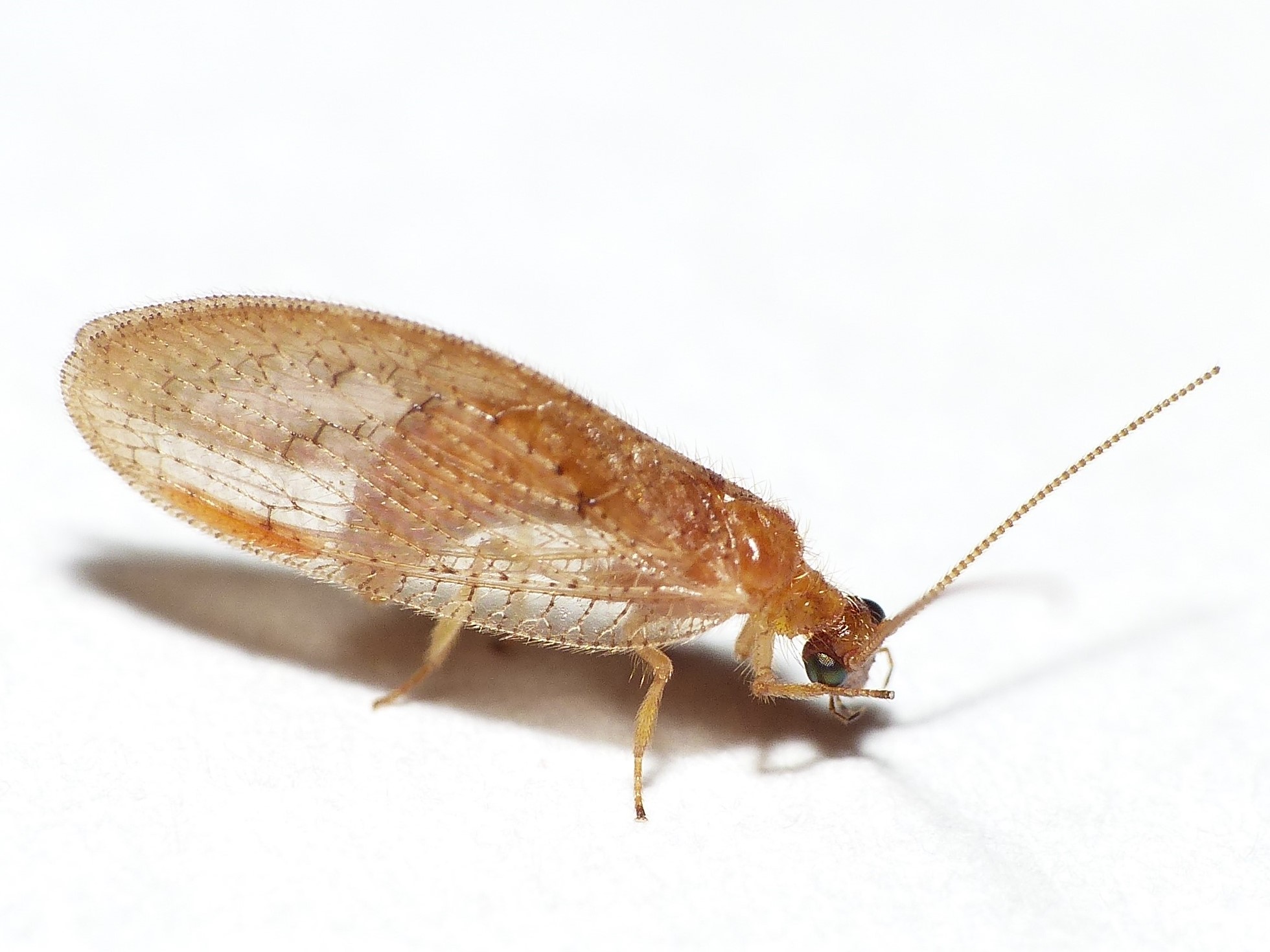
Hemerobius stigma
species of insect
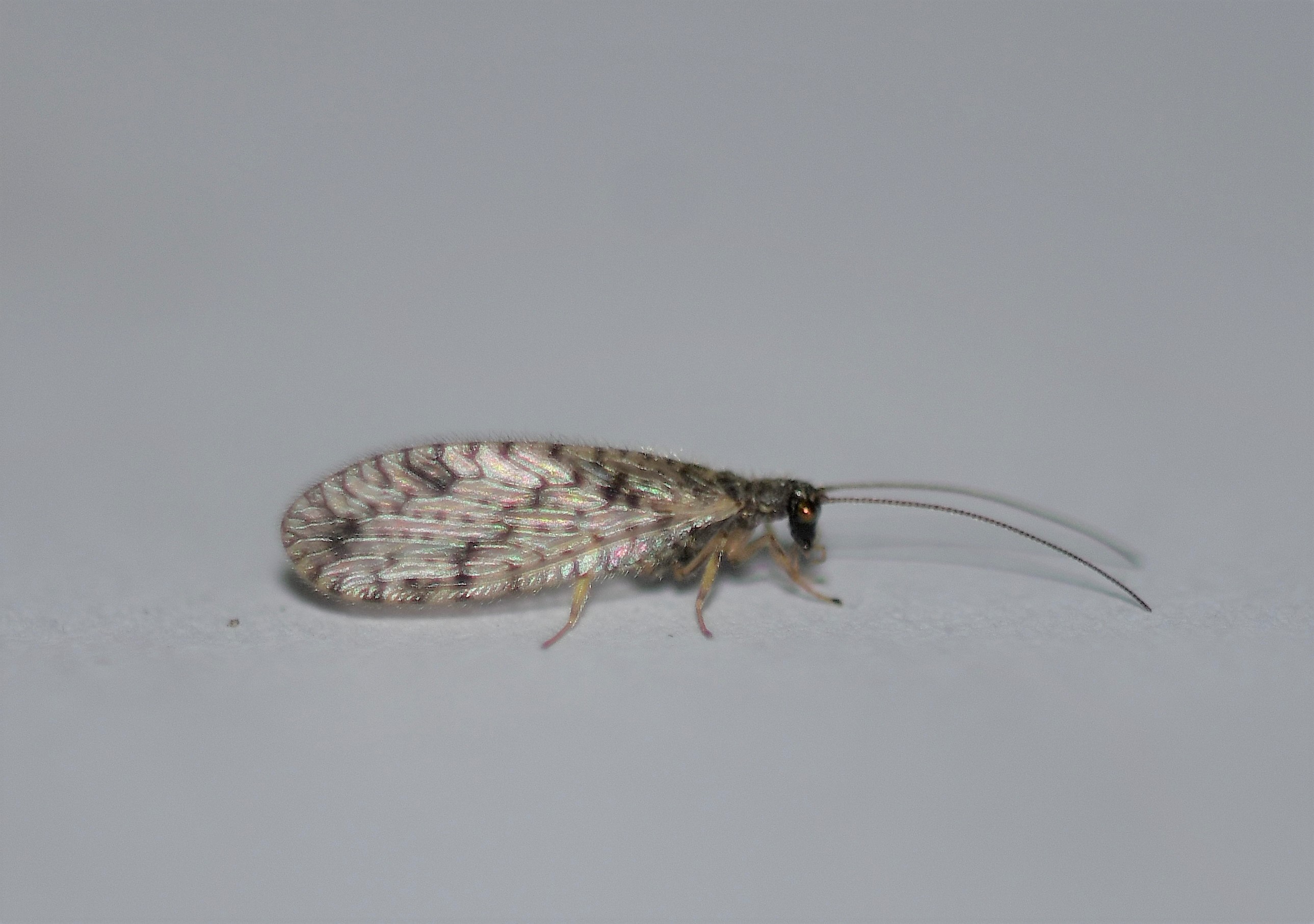
Micromus variegatus
species of insect
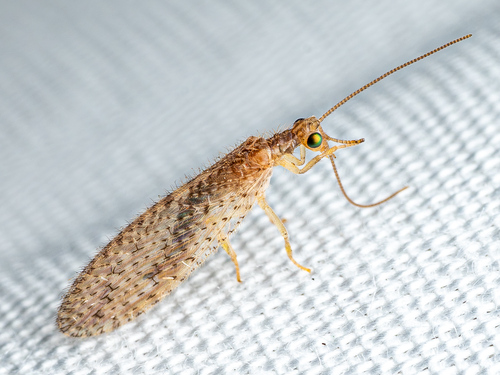
Tasmanian brown lacewing
species of insect
Dicromantispa
Dicromantispa is a genus of mantidflies in the family Mantispidae. There are about 10 described species in Dicromantispa.
thumb|Dicromantispa sayi

Micromus
Micromus is a genus of lacewings in the family Hemerobiidae (the brown lacewings). These small (4–10 mm long) insects are found worldwide. Like most lacewings, both the larvae and adults are predatory, primarily eating acarines, scale insects, psyllids, aphids, thrips, and the eggs of lepidopterans and whiteflies. The species Micromus tasmaniae has been mass-bred for biological pest control in Australia.

Micromus posticus
species of insect
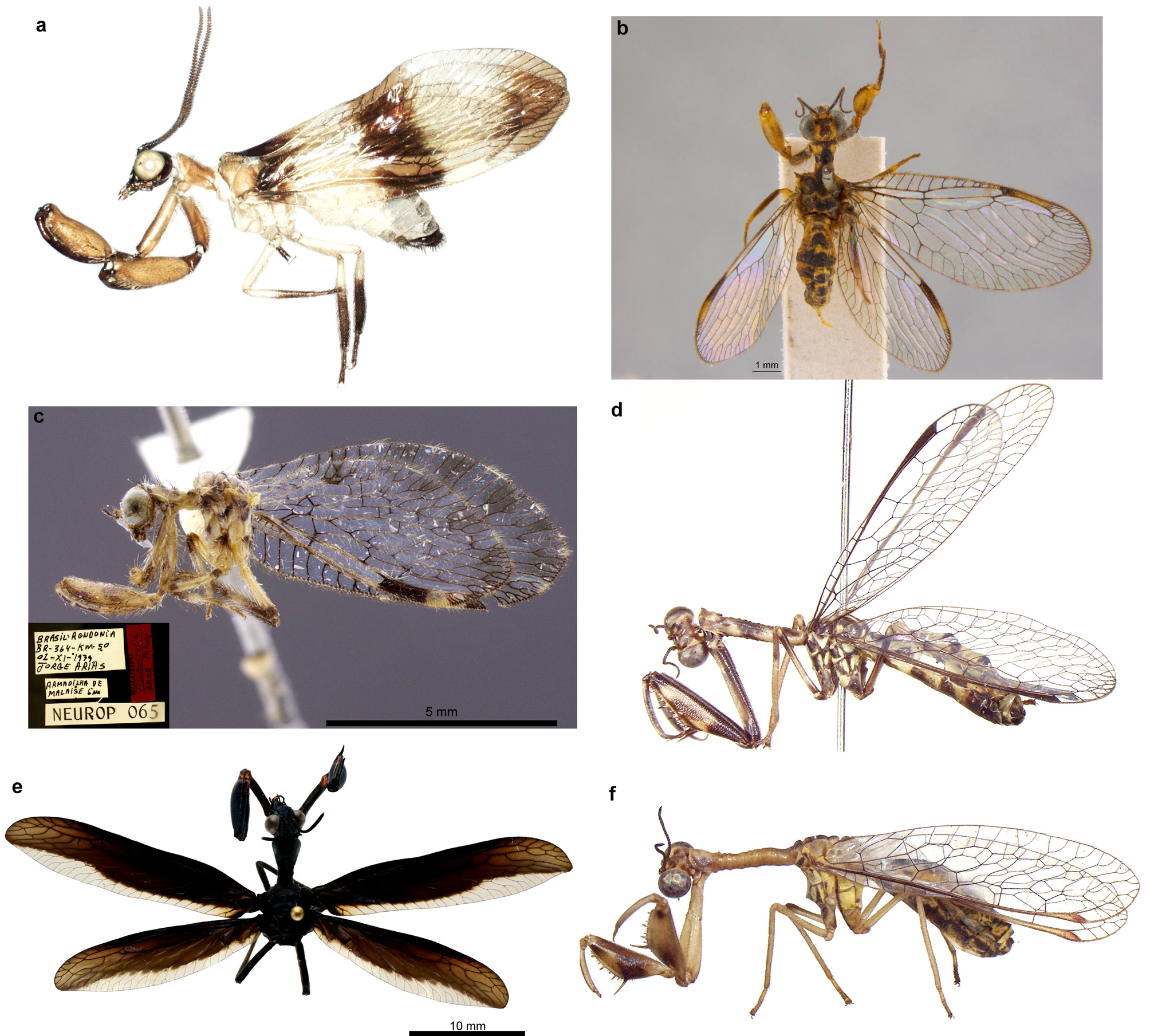
Climaciella
Climaciella is a genus of wasp mantidflies in the family Mantispidae. There are about 10 described species in Climaciella, found in North, Central, and South America. Climaciella brunnea, a wasp mimic, is a common species found in Central and North America.
thumb|Climaciella brunnea

Drepanacra binocula
species of insect
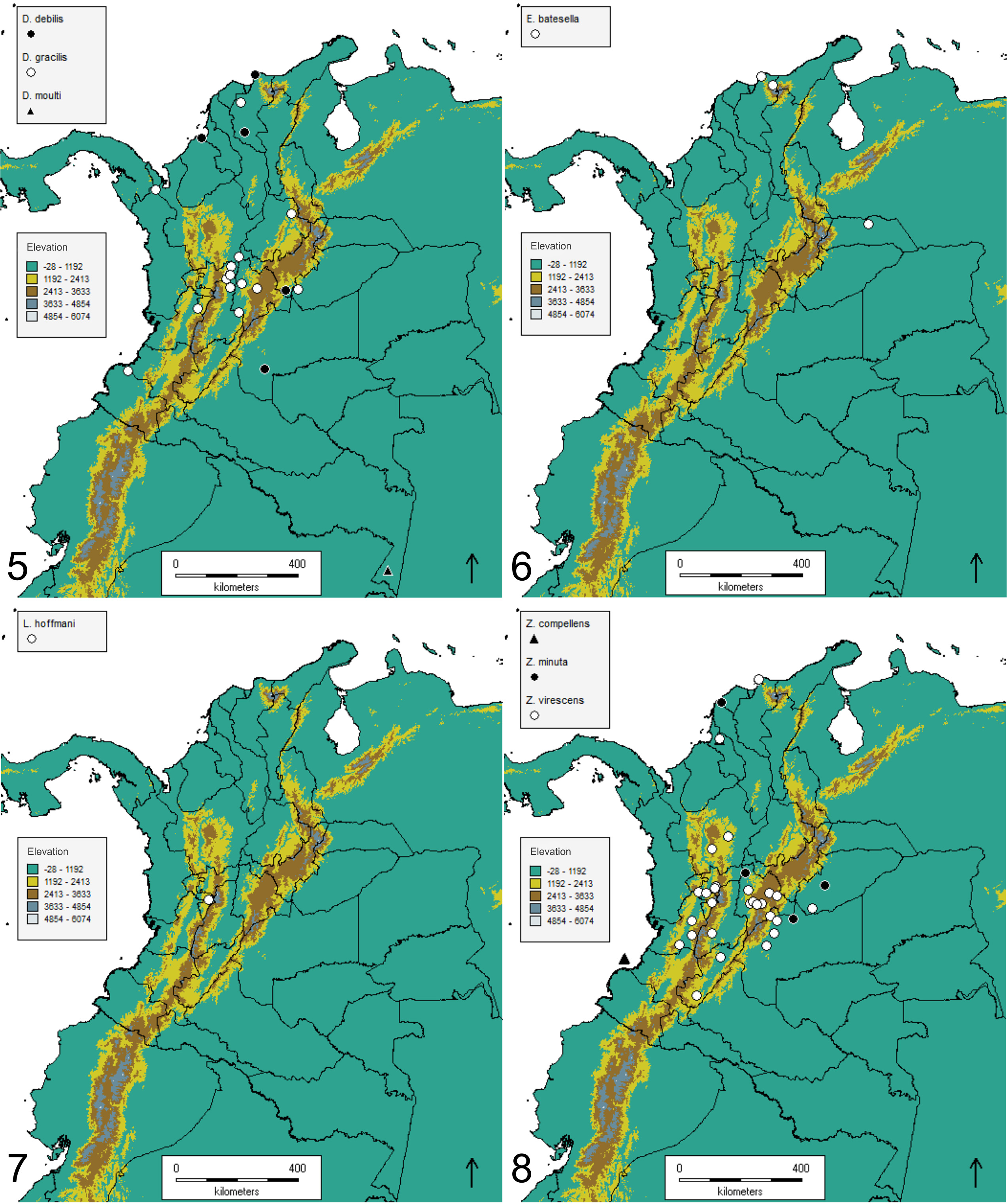
Zeugomantispa minuta
species of insect
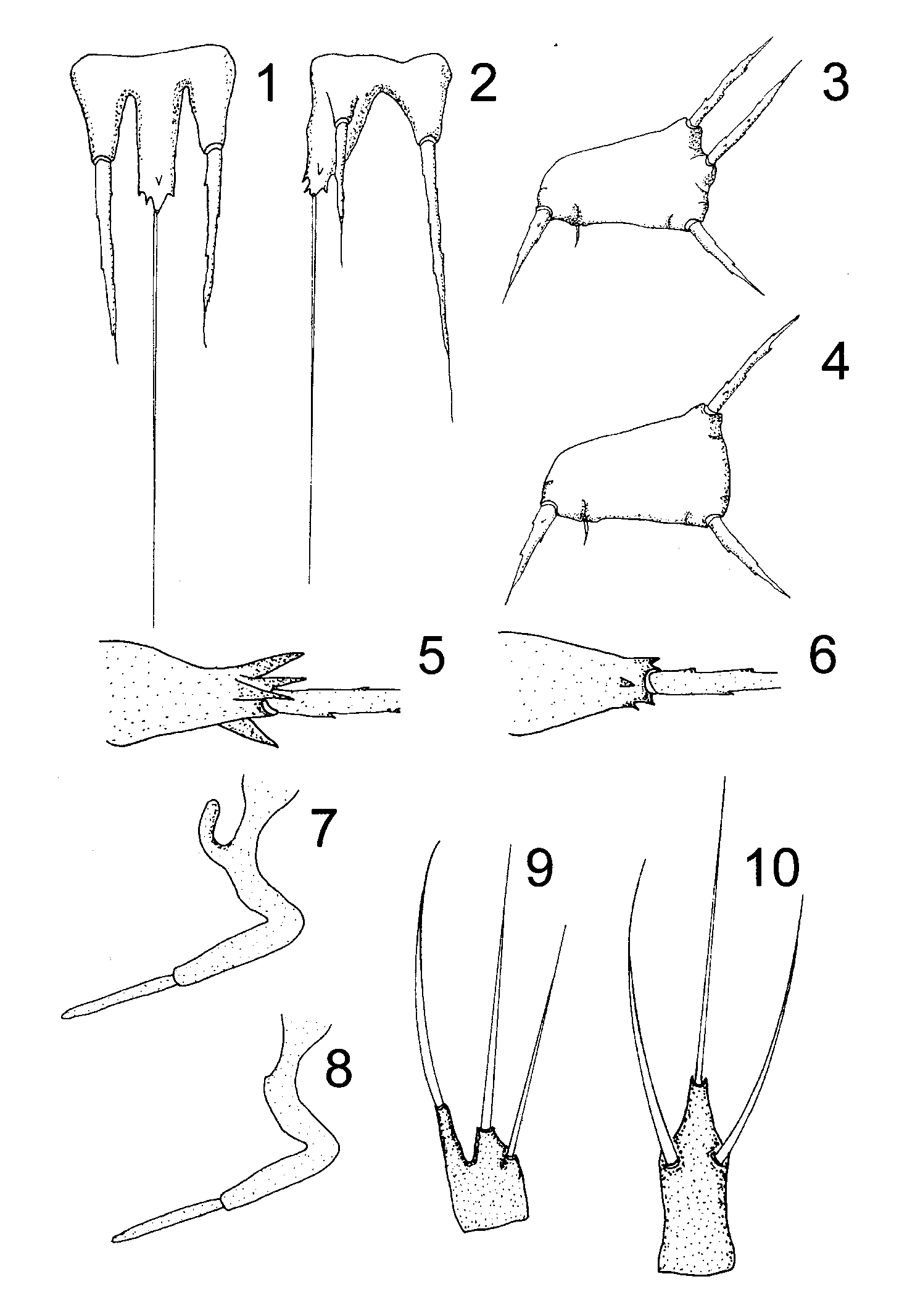
Climacia areolaris
species of insect
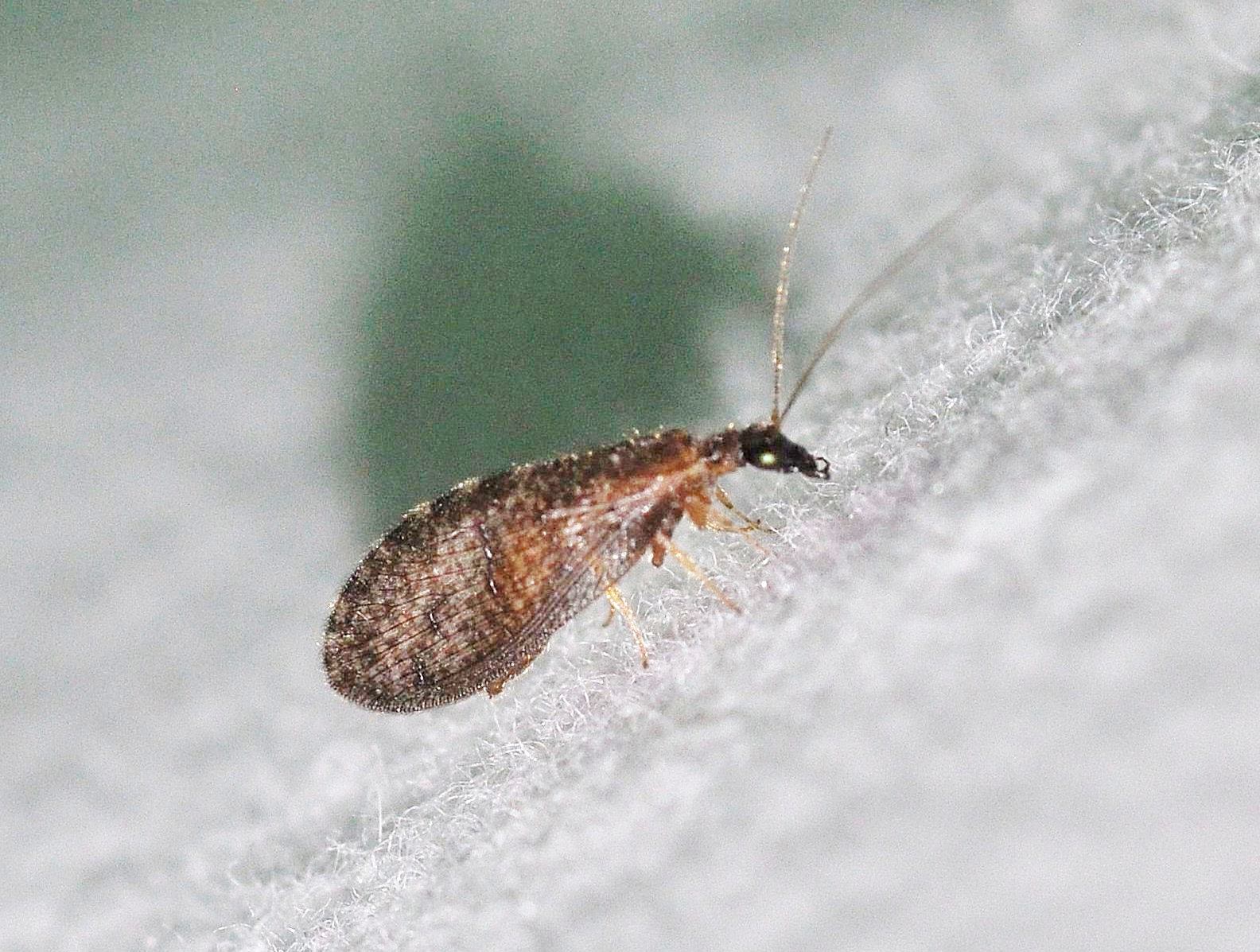
Sympherobius elegans
species of insect

Sympherobius barberi
species of insect

Megalomus tortricoides
species of insect
Dicromantispa sayi
species of insect
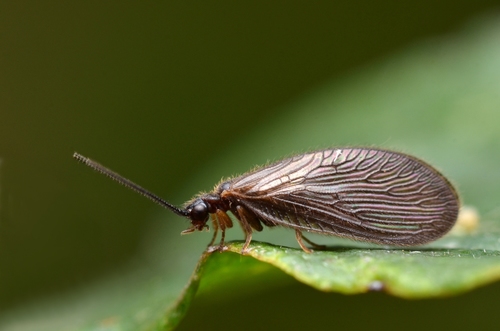
Sisyra
Sisyra is a genus of lacewings in the family Sisyridae. There are at least 8 described species in Sisyra.
Leptomantispa pulchella
species of insect
Nallachius pulchellus
species of insect

Drepanepteryx
Drepanepteryx is a genus of insects belonging to the family Hemerobiidae.
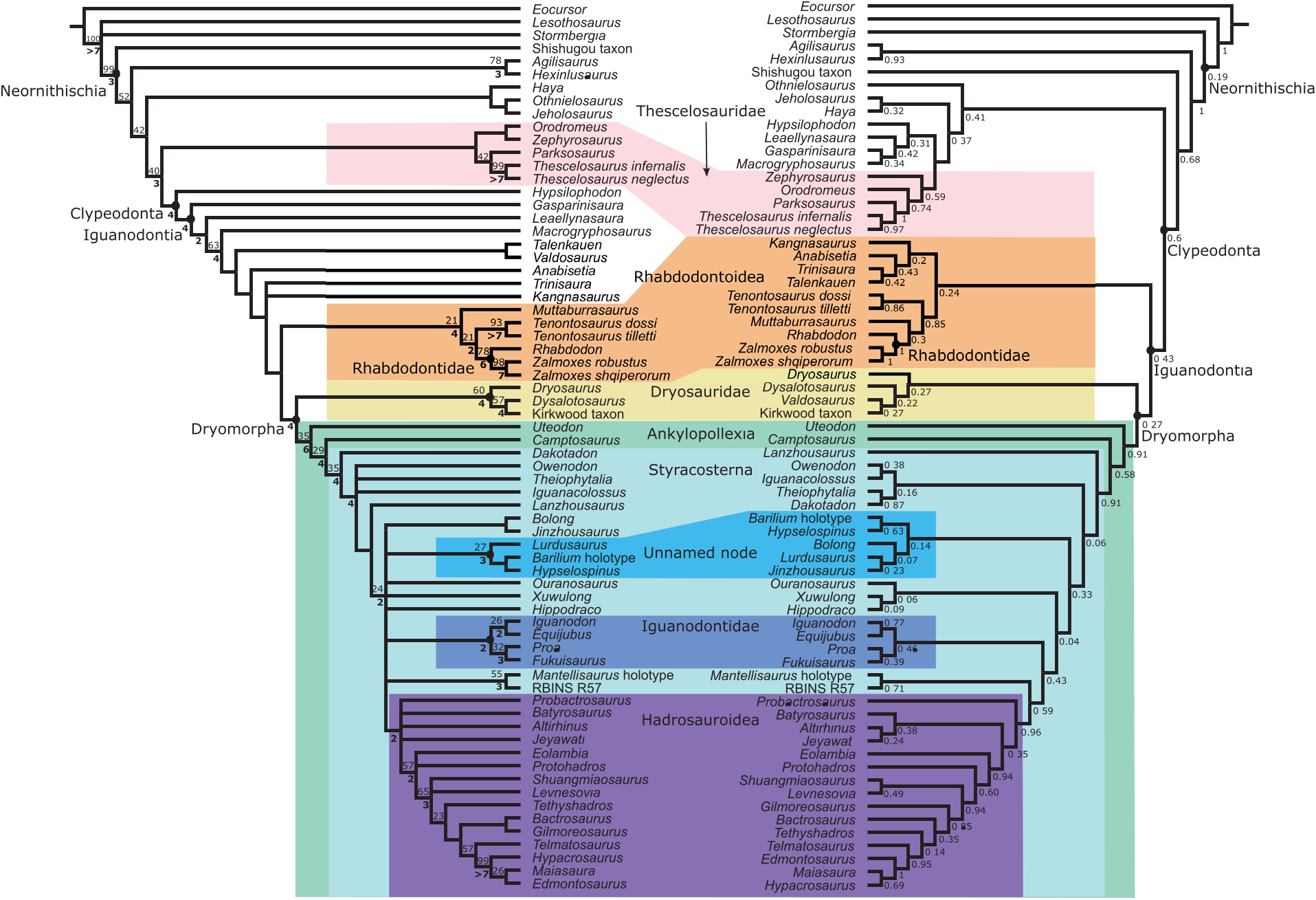
Climacia
Climacia is a genus of spongillaflies in the family Sisyridae. There are more than 20 described species in Climacia.

Dicromantispa interrupta
species of insect
Leptomantispa
Leptomantispa is a genus of mantidflies in the family Mantispidae. There are about seven described species in Leptomantispa.

Megalomus
Megalomus is a genus of brown lacewings in the family Hemerobiidae. There are more than 40 described species in Megalomus.

Micromus variolosus
species of insect
Nusalala tessellata
species of insect
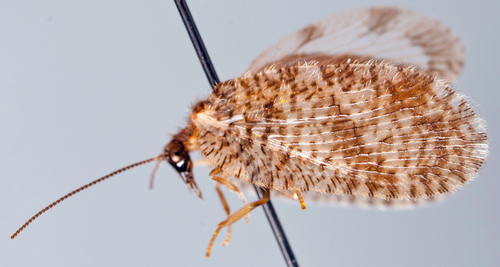
Megalomus hirtus
species of insect
Sympherobius
Sympherobius is a genus of brown lacewings in the family Hemerobiidae. There are at least 50 described species in Sympherobius.
Micromus subanticus
species of insect
Nallachius americanus
species of insect
Sisyra vicaria
species of insect
Megalomus fidelis
species of insect
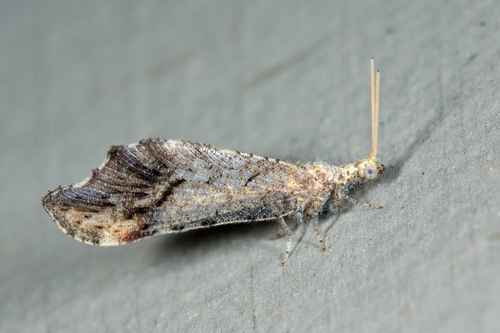
Lomamyia flavicornis
species of insect
Climacia californica
species of insect
Lomamyia squamosa
species of insect
Sisyra apicalis
species of insect
Hemerobius bistrigatus
species of insect
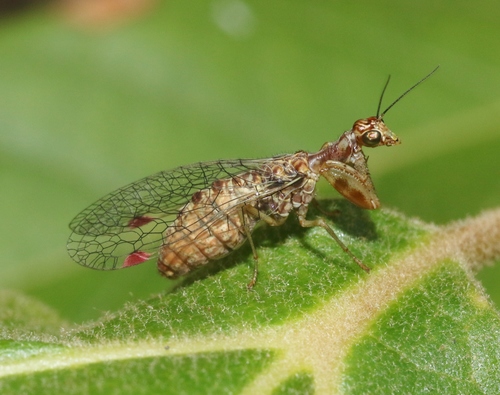
Nolima dine
species of insect
Megalomus moestus
species of insect
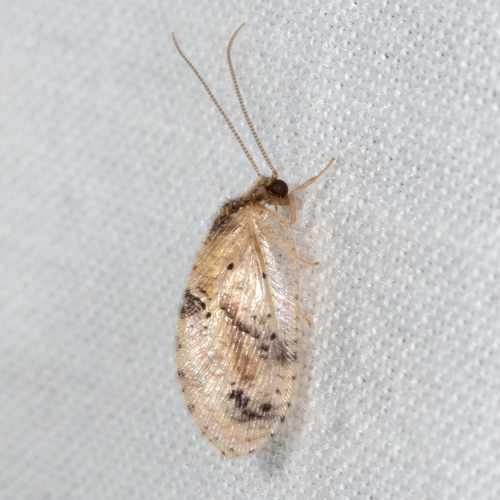
Megalomus carpenteri
species of insect
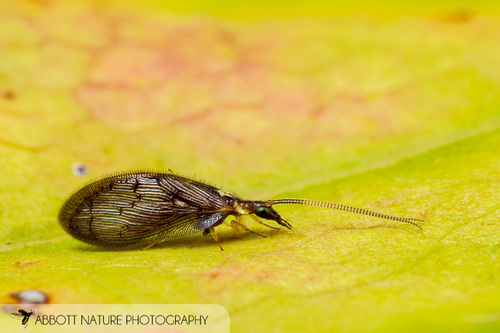
Sympherobius occidentalis
species of insect
Nusalala
Nusalala is a genus of brown lacewings. The scientific name was published in 1913 by Longinos Navás. They belong to the subfamily Microminae, as well as the genera Micromus and Megalomina.
Some species of this genus, such as Nusalala brachyptera , are "brachypter" meaning short wings, and have lost the ability to fly; they can only jump. This phenomenon has evolved in a number of genera in the family Hemerobiidae
Sympherobius umbratus
species of insect
Hemerobiiformia
The Hemerobiiformia are a suborder of insects in the order Neuroptera that include most of the lacewings, antlions and their allies. The phylogeny of the Neuroptera was explored in 2014 using mitochondrial DNA sequences. The results indicate that the traditional Hemerobiiformia are paraphyletic, meaning that not all the members of the clade are considered to belong to it, in particular since it would include all the Myrmeleontiformia, with which the Hemerobiiformia were traditionally contrasted. The Osmyloidea, usually included in Hemerobiiformia, actually seem to represent a more ancient line
Lomamyia longicollis
species of insect
Sympherobius californicus
species of insect
Sympherobius killingtoni
species of insect
Lomamyia fulva
species of insect
Micromus bifasciatus
species of insect
Sympherobius amiculus
species of insect
Nolima
Nolima is a genus of mantidflies in the family Mantispidae. There are about seven described species in Nolima.
Psectra
Psectra is a genus of brown lacewings in the family Hemerobiidae. There are more than 20 described species in Psectra.
Drepanacra
Drepanacra is a genus of lacewings belonging to the family Hemerobiidae.
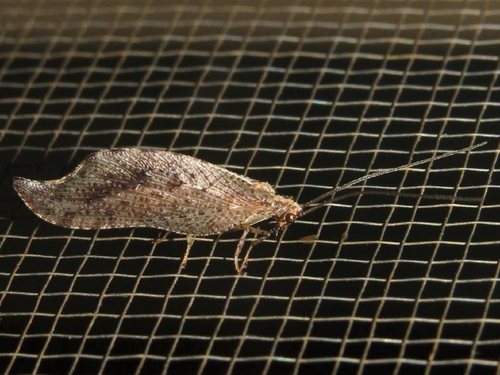
Megalomina
Megalomina is an insect genus from the family of brown lacewings (Hemerobiidae), which belongs to the order Neuroptera. The scientific name of the genus is validly published for the first time by Nathan Banks in 1909.