Category
page 1Hemiptera subfamilies

Triatominae
The members of the Triatominae , a subfamily of the Reduviidae, are also known as conenose bugs, kissing bugs (so-called from their habit of feeding from around the mouths of people), or vampire bugs. Other local names for them, used in Latin America and by Latinos generally, include barbeiros, vinchucas, pitos, chipos and chinches. Most of the 130 or more species of this subfamily feed on vertebrate blood; a very small portion of species feed on invertebrates. They are mainly found and widespread in the Americas, with a few species present in Asia and Africa. These bugs usually share shelter

Phymatinae
alt=Ambush Bug (Phymata sp.)|thumb|Ambush bug (Phymata sp.)
Insects in the subfamily Phymatinae are commonly called ambush bugs after their habit of lying in wait for prey, relying on their superb camouflage. Armed with raptorial forelegs, ambush bugs routinely capture prey ten or more times their own size. They form a subgroup within the assassin bugs.

Phylinae
thumb|Rhinocapsus vanduzeei
Phylinae is a subfamily of the plant bug family Miridae. Species of this family are found worldwide.

Aphidinae
Aphidinae is an aphid subfamily in the family Aphididae.
Mirinae
Mirinae is a subfamily of plant bugs, insects in the family Miridae.
Reduviinae
The Reduviinae are a subfamily of the reduviid assassin bugs. Many members of the subfamily are nocturnal and their lifecycles are generally poorly known. This subfamily is suspected not to be monophyletic.
Orthotylinae
Orthotylinae is a subfamily of plant bugs in the family Miridae. There are at least 650 described species and at least 70 genera in Orthotylinae. The Orthotylinae have traditionally been diagnosed by their possession of lamellate, apically divergent parempodia.
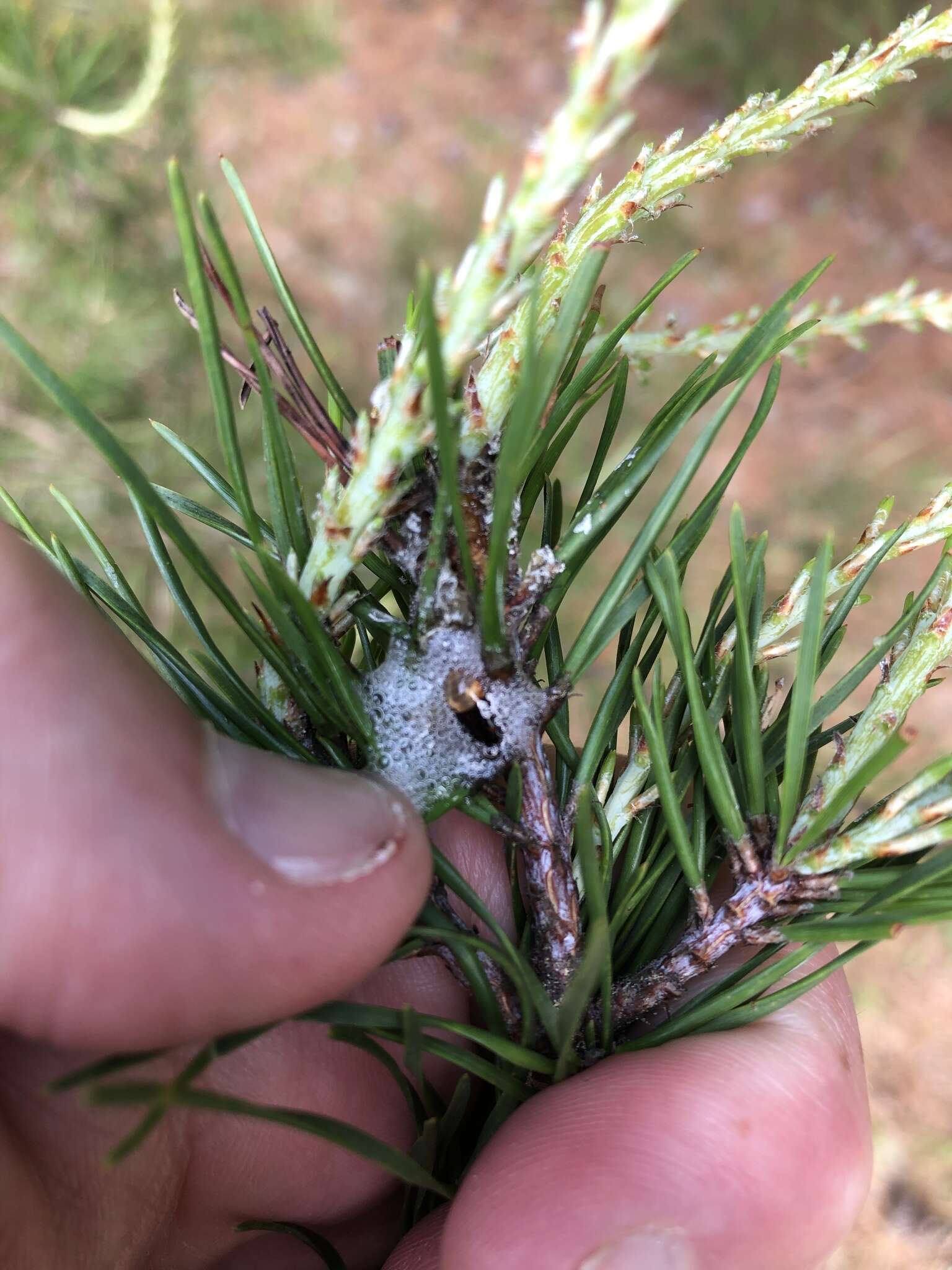
Epipygidae
Epipyginae is a lineage of froghoppers in the insect family Aphrophoridae. There are at least three genera and about five described species in Epipyginae, found in the American tropics. In addition, there are more than 20 undescribed species in the group.
Bryocorinae
Bryocorinae is a subfamily of bugs in the family Miridae.

Asopinae
thumb|Perillus sp. nymph
thumb|Podisus maculiventris
Asopinae are a subfamily of stink bugs (family Pentatomidae). They are predatory stink bugs that are useful as biological control agents against pests, even against other Pentatomid species, which are all herbivorous.
Phacopteronidae
Phacopteroninae is a subfamily of bugs in the family Aphalaridae, previously placed at family level.
Cicadellinae
Cicadellinae is a leafhopper subfamily, currently (2025) containing five tribes.
Eriosomatinae
thumb|upright|Woolly aphids on crab apple bark.|alt=
thumb|Pemphigus (bug)|Pemphigus gall on cottonwood tree
thumb|Grylloprociphilus imbricator on [[Fagus]]
thumb|Galls made by Melaphis rhois
Cicadinae
thumb|right|Exuviae of [[Tibicen plebejus nymph (Cryptotympanini)]]
thumb|Annual Cicada, Neotibicen
Pentatominae
Pentatominae is a subfamily of Pentatomidae, a family of shield bugs. This subfamily is the largest one within the Pentatomidae, having 4937 species classified in 938 genera. Species in this subfamily are phytophages and several of them are considered agricultural pests. Some invasive pentatomines such as Halyomorpha halys and Bagrada hilaris have been considered household pests. Higher systematics of the group have been revised by Rider et al.
Harpactorinae
The Harpactorinae are a large subfamily of the Reduviidae (assassin bugs). About 300 genera and 2,000 species worldwide have been described. Some of the species of the genera Zelus, Pselliopus, Sinea, and Apiomerus are of interest as biological pest control agents.

Deltocephalinae
Deltocephalinae is a subfamily of leafhoppers. Deltocephalinae is the largest subfamily in the family Cicadellidae and is divided about 30 tribes, and 7280 described species.
Emesinae
The Emesinae, or thread-legged bugs, are a subfamily of the Reduviidae (i.e., assassin bugs). They are conspicuously different from the other reduviids by their very slender body form. They are stalking, predatory insects that can be collected on palm fronds, cliffs, spider webbing, or near lights at night (many can be collected by blacklight). They walk on their mid and hind legs; the front pair is raptorial. Some groups specialize on spiders. Very little is known about emesines except that many species are found in the tropics. Pedro Wygodzinsky wrote the most recent revision of this group.
Cylapinae
Cylapinae is a subfamily of plant bugs. Bugs in this group tend to forage actively on fungus covered rotten logs in humid tropical forests.
Coreinae
Coreinae is a subfamily in the hemipteran family Coreidae. They have been shown to be paraphyletic with respect to Meropachyinae.
Stenopodainae
thumb|Stenopoda spinulosa
thumb|Oncocephalus
The Stenopodainae are a subfamily of Reduviidae (assassin bugs). Often cryptically coloured, with prominent mandibular plates, antennal segment 1 generally strongly developed, remaining segments slender and often folded back under the first; hemelytron typically with large pentagonal or hexagonal cell in the corium. Approximately 113 genera are described, with most species found in the tropics. Many species are associated with soil or sand, and many are apterous.
Calaphidinae
thumb|Calaphis flava
thumb|Myzocallis asclepiadis, winged adult
Lygaeinae
Lygaeinae is a subfamily of ground bugs in the insect family Lygaeidae.
Prostemmatinae
Prostemmatinae is a subfamily of damsel bugs in the family Nabidae.
Sehirinae
Sehirinae is a subfamily of burrowing bugs belonging to the family Cydnidae.
Holoptilinae
The Holoptilinae are a subfamily of Reduviidae (assassin bugs) known as feather-legged bugs or ant wolves. Several members of the subfamily specialize on ants. About 16 genera (one fossil) are known, with about 80 species described. Species in the Holoptilini tribe possess a specialized organ called a trichome to attract ants.
Coelidiinae
thumb|Jikradia olitoria
thumb|Jikradia olitoria nymph
Megophthalminae
Megophthalminae is a subfamily of leafhoppers; it includes genera included in the former subfamily Agalliinae.
Hormaphidinae
Hormaphidinae is a subfamily of the family Aphididae.
Darninae
Darninae is a subfamily of treehoppers belonging to the family Membracidae. It includes 5 tribes and about 30 genera.
Chaitophorinae
Chaitophorinae is a subfamily of aphids in the family Aphididae. There are about 12 genera and more than 180 described species in Chaitophorinae.
thumb|Periphyllus
Fulgorinae
The Fulgorinae are a sub-family of insects in the Auchenorrhyncha: which include the spectacular "lantern-bugs" and allied insects.
Aleyrodinae
Aleyrodinae is a subfamily of whiteflies in the family Aleyrodidae.
Aphrodinae
Aphrodinae is a subfamily of leafhoppers in the family Cicadellidae, containing three tribes.
thumb|Xestocephalus lunatus
Ectrichodiinae
The Ectrichodiinae are a subfamily of assassin bugs (Reduviidae) known for specializing on millipedes as prey. The group comprises more than 600 species in about 115 genera, making it a fairly large subfamily. The bugs are also known for their aposematic coloration, often brightly colored metallic blue, red, or yellow.
Saicinae
Saicinae is a subfamily of the family Reduviidae, or the assassin bugs.
Cixiinae
Cixiinae is a planthopper subfamily in the family Cixiidae. It is one of three such subfamilies, the other two being the Bothriocerinae and the Borystheninae. While a few species had been tested in a larger study of the Fulgoroidea, neither the Cixiinae nor its tribes were analysed cladistically until 2002. Resolution of tribal relationships is incomplete and additional testing of the tribes with samples larger than one per tribe is needed.
Aradinae
Aradinae is a subfamily of true bugs in the family Aradidae. There are at least 90 described species in Aradinae.
Anoeciinae
Anoeciinae is a subfamily of the family Aphididae. Anoeciines live underground and feed on the roots of plants.
Centrocnemidinae
The Centrocnemidinae are a subfamily of the reduviid (assassin bugs), found exclusively on tree trunks, where their bodies camouflage well. There are four genera with about 34 species described.
Orsillinae
Orsillinae is a subfamily of seed bugs in the family Lygaeidae. There are at least 110 described species in Orsillinae; the type genus is Orsillus.
Lachninae
thumb|Eggs of Cinara strobi on pine needles
Lachninae is a subfamily of the family Aphididae, containing some of the largest aphids, and they are sometimes referred to as "giant aphids". Members of this subfamily typically have greatly reduced cornicles compared to other aphids, and the group has sometimes been classified as a separate family.
Mezirinae
Mezirinae is a subfamily of flat bug. It is distributed globally. The subfamily contains more than 1120 described species in 124 genera.
Eurymelinae
Eurymelinae is a subfamily of leafhoppers (family Cicadellidae) with a worldwide distribution.
Corixinae
Corixinae is a subfamily of aquatic bugs in the family Corixidae. There are at least 130 described species in Corixinae.
Evacanthinae
thumb|Evacanthus nigramericanus
Evacanthinae is a subfamily in the family Cicadellidae (leafhoppers).
Membracinae
Membracinae is a subfamily of treehoppers in the family Membracidae. There are more than 40 genera in Membracinae, mostly recorded from the Americas.
thumb|Tylopelta gibbera
thumb|Cladonota
thumb|Enchenopa nymph on [[Juglans, undescribed species.]]
Ischnorhynchinae
Ischnorhynchinae is a subfamily of seed bugs in the family Lygaeidae. There are about 16 genera and more than 70 described species in Ischnorhynchinae. The members of this subfamily are small, terrestrial insects that typically translucent or transparent plate-like structures covering the thorax (pronota) and tend to live in plant flowers.
thumb|Kleidocerys resedae
Peiratinae
The Peiratinae are a subfamily of assassin bugs (Reduviidae) known as corsairs. The subfamily has a worldwide distribution, but is concentrated in tropical areas. About 30 genera with 350 species are described.