Category
page 1Historical forms of languages with ISO codes
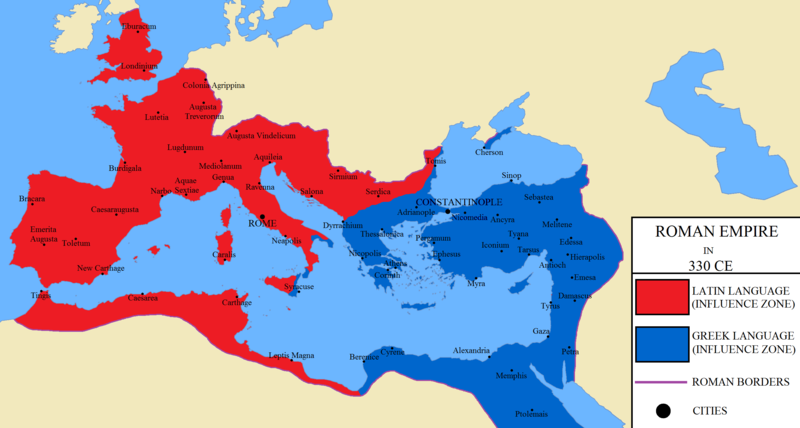
Vulgar Latin
non-standard Latin variety spoken by the people of Ancient Rome
Classical Arabic
form of the Arabic language used in Umayyad and Abbasid literary texts
Loglan
Loglan is a logical constructed language originally designed for linguistic research, particularly for investigating the Sapir–Whorf hypothesis. The language was developed beginning in 1955 by Dr. James Cooke Brown with the goal of making a language so different from natural languages that people learning it would think in a different way if the hypothesis were true. In 1960, Scientific American published an article introducing the language. Loglan is the first among, and the main inspiration for, the languages known as logical languages, which also includes Lojban.
Classical Latin
high-prestige form of the Latin language in the Roman Republic and Empire
Proto-Norse
progenitor of the North Germanic languages
Ecclesiastical Latin
variety of Latin that is used for liturgical purposes
medieval Latin
form of Latin used in the Middle Ages

Galician–Portuguese
Galician–Portuguese ( or ; or ), also known as Old Galician–Portuguese, Galaic-Portuguese, or (in contexts focused on one of the modern languages) Old Galician, Old Portuguese, Medieval Galician or Medieval Portuguese, was a West Iberian Romance language spoken in the Middle Ages, in the northwest area of the Iberian Peninsula. It is both the ancestor language and historical period of development of modern Galician, Fala, Portuguese and Eonavian languages which maintain a high degree of mutual intelligibility.
Old Novgorodian
extinct language
Early Modern English
stage of development of English, starting c. 16th century
Common Brittonic
ancient Celtic language of Britain, ancestor to Welsh, Cornish, Breton and Cumbric

Proto-Esperanto
thumb | right
Proto-Esperanto () is the modern term for any of the stages in the evolution of L. L. Zamenhof's language project, prior to the publication of in 1887.
Mishnaic Hebrew
Hebrew dialects found in the Talmud
Late Latin
written Latin of late antiquity
Old Anatolian Turkish
form of the Turkish language spoken in Anatolia from the 11th to 15th centuries
Late Middle Japanese
Form of Japanese spoken from the 12th century through the 16th century
Early New High German
extinct Germanic language (1500–1650, or 1350–1650)
Medieval Hebrew
literary and liturgical language that temporarily stopped being spoken, from the 2nd century to the 19th century; where the revival of this language in the form of Modern Hebrew has emerged
renaissance Latin
Latin as spoken and written in the Renaissance

Ajem-Turkic
Ajem-Turkic or Ajami Turkic (; Türkī-yi ʿacemī, 'Persian Turkic' or 'Persian Turkish'), also known as Middle Azeri or Middle Azerbaijanian, is the Turkic vernacular spoken in Iran between the 15th and 18th centuries. The modern Azerbaijani language is descended from this language.

Rekhta
Rekhta ( ; Rekhtā) was an early form of the Hindustani language. This style evolved in both the Perso-Arabic and Nagari scripts and is considered an early form of Standard Urdu and Modern Standard Hindi. According to the Pakistani linguist and historian Tariq Rehman, Rekhta was a highly Persianised variant of Hindustani, exclusively used by poets. It was not only the vocabulary that was Persianised, but also the poetic metaphors, inspired by Indian landscapes and seasons, were abandoned in favor of the Persian ones i.e. bahār (spring) replacing barsāt (rainy season).
Old Tatar
literary language used among the some ethnic groups of Volga-Ural region (Tatars, Bashkirs and others) from the Middle Ages till the 19th century
Old Hindustani
archaic form of Hindustani (Old Hindi or Old Urdu) as used up to the 15th century
Elu
Eḷa, also Elu, Hela or Helu Prakrit, was a Middle Indo-Aryan language or Prakrit of the 3rd century BCE, that was used in Sri Lanka. It was ancestral to the Sinhalese and Dhivehi languages.
R. C. Childers, in the Journal of the Royal Asiatic Society, states:
The Pali scholar Thomas William Rhys Davids refers to Eḷu as "the Prakrit of Ceylon".
Old Catalan
medieval Romance language
Early Modern Spanish
variety of Spanish used in the sixteenth and seventeenth centuries
Mandarin
common spoken language of administration of the Chinese empire during the Ming and Qing dynasties, later developing into Standard Chinese
Early Modern Japanese
stage of the Japanese language following Middle Japanese and preceding Modern Japanese

Eastern Han Chinese
form of Chinese spoken in the Eastern Han period
Old Mandarin
speech of northern China during the time of the Jin and Yuan dynasties (12th to 14th centuries)
Middle Polish
language
Middle Scots
West Germanic language of Lowland Scotland (1450–1700)
Modern Swedish
language
sadhu bhasha
historical language style that was used in 19th and 20th century Bangla literary works
Old Tagalog
earliest form of Tagalog spoken during the pre-colonial times in what is now Central and Southern Luzon
Middle Frisian
historical form of Frisian
Early Scots
language of Northern Britain descended from Middle English