Category
page 1Historically recognized angiosperm families

Dipsacaceae
thumb|Seedhead of Dipsacus fullonum (wild teasel)

Valerianaceae
thumb|Garden valerian (redspur valerian, genus Centranthus), a common perennial garden plant

Aceraceae
thumb|Field maple Acer campestre, in Ebsdorfergrund-Frauenberg, Hesse, Germany
.jpg)
Anarthriaceae
thumb|Hopkinsia anoectocolea

Bombacaceae
thumb|Bombax ceiba flower

Vivianiaceae
thumb|Viviania marifolia
Wendtia gracilis seeds|thumb

Centrolepidaceae
thumb|Centrolepis cuspidigera
thumb|Centrolepis fascicularis

Fumariaceae
REDIRECT Fumarioideae

Myrsinaceae
REDIRECT Myrsinoideae
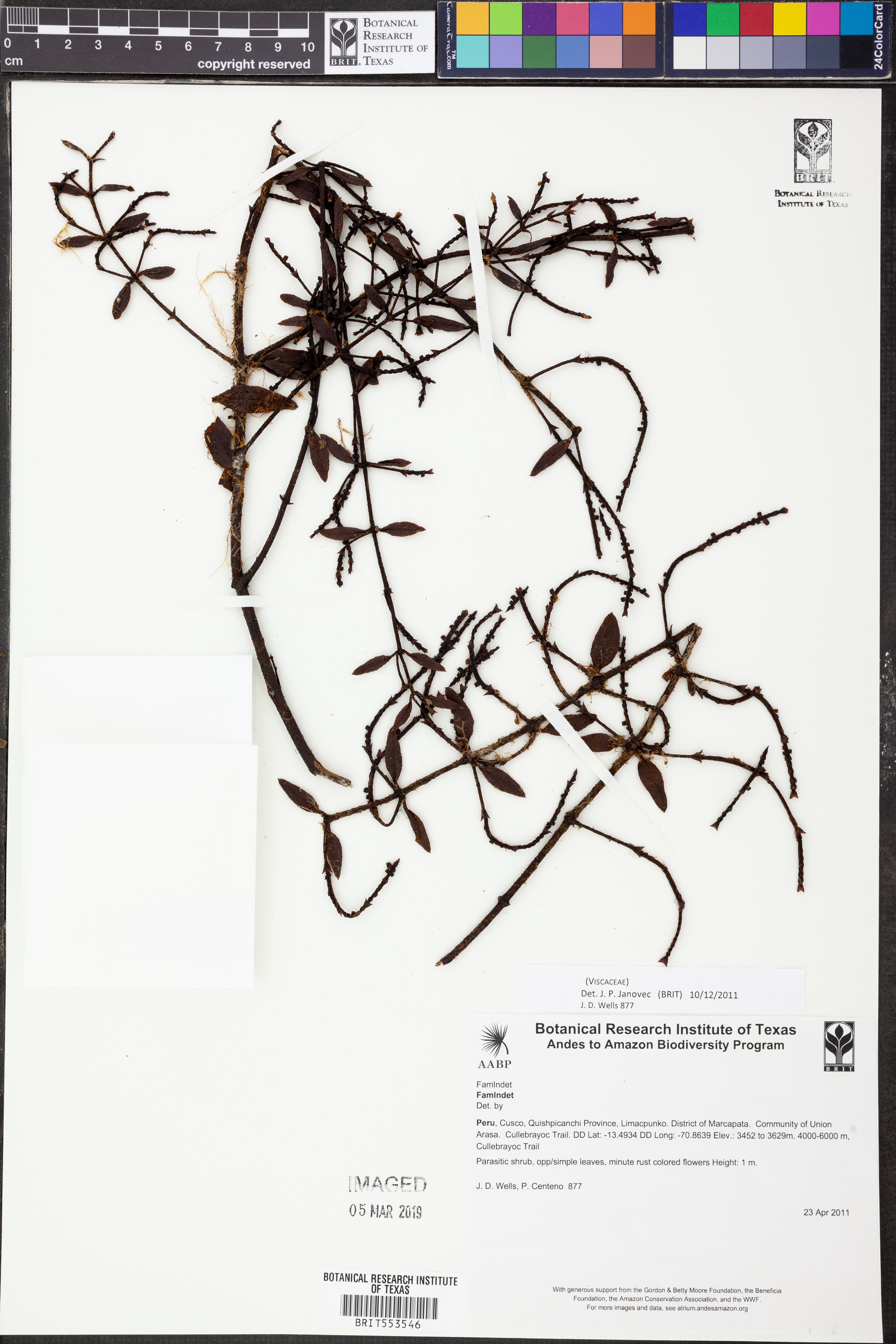
Viscaceae
Viscaceae is a taxonomic family name of flowering plants. In this circumscription, the family includes the several genera of mistletoes. This family name is currently being studied and under review as in past decades, several systems of plant taxonomy recognized this family, notably the 1981 Cronquist system.
thumb|Viscum spp.
However, the APG II system of 2003 does not recognize the family, treating it as a synonym of Santalaceae. This did not end the taxonomic debate among botanists and there are many that still think Viscaceae should be an accepted family name. According to the APG IV syste

Sterculiaceae
Sterculiaceae was a family of flowering plant based on the genus Sterculia. Genera formerly included in Sterculiaceae are now placed in the family Malvaceae, in the subfamilies: Byttnerioideae, Dombeyoideae, Helicteroideae and Sterculioideae.
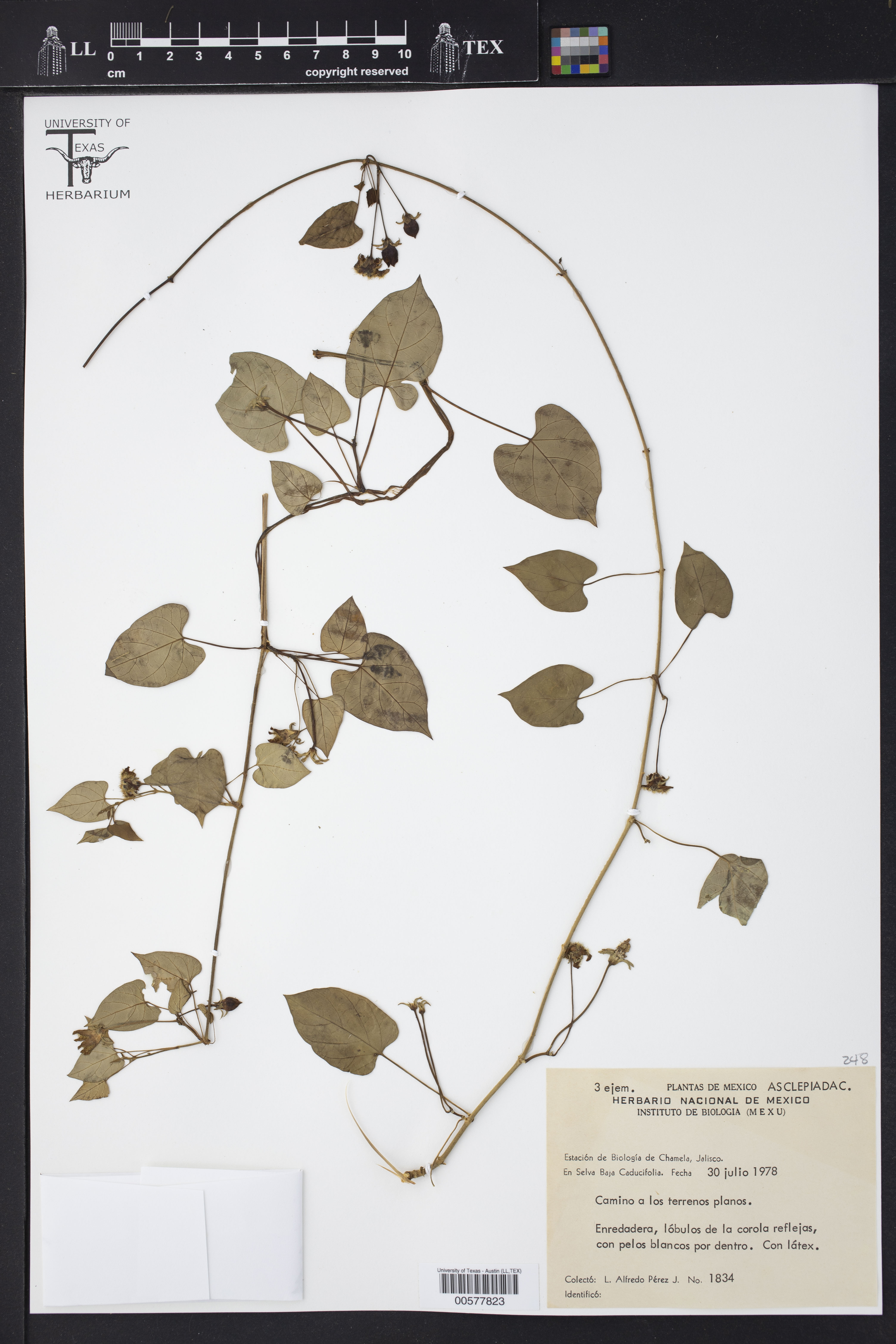
Asclepiadaceae
REDIRECT Asclepiadoideae

Tiliaceae
thumb|Tilia cordata
%20Bouton.JPG)
Thismiaceae
thumb|Thismia rodwayi

Flacourtiaceae
thumb|right|Flacourtia indica
The Flacourtiaceae is a defunct family of flowering plants whose former members have been scattered to various families, mostly to the Achariaceae and Salicaceae. It was so vaguely defined that hardly anything seemed out of place there and it became a dumping ground for odd and anomalous genera, gradually making the family even more heterogeneous. In 1975, Hermann Sleumer noted that "Flacourtiaceae as a family is a fiction; only the tribes are homogeneous."

Parnassiaceae
thumb|Parnassia palustris (Northern grass of Parnassus)

Theophrastaceae
REDIRECT Theophrastoideae

Turneraceae
thumb|flower of Turnera subulata

Sparganiaceae
thumb|Sparganium erectum

Illiciaceae
thumb|from Koehler (1887)

Limnocharitaceae
thumb|Hydrocleys nymphoides
Limnocharitaceae was a family of flowering plants in the monocot order Alismatales. In the APG IV system, it is included in the family Alismataceae. It is commonly known as the water poppy family. Species that have been placed in this taxon are small, perennial, aquatic herbs, native to the tropics, but adventive or naturalized in the subtropics as a result of cultivation.

Pyrolaceae
REDIRECT Pyroloideae

Cochlospermaceae
thumb|Cochlospermum vitifolium in Guanacaste, [[Costa Rica]]
The Cochlospermaceae were a family of two genera and 20-25 species of trees and shrubs, first described by Jules Émile Planchon in 1847. They have been included in the Bixaceae from the APG III system onwards. The older APG II system treated this family as an optional segregate of Bixaceae. They occur widely throughout the tropical regions of the world, but are absent from Malaysia. Most species in this family are mesophytic or xerophytic, growing primarily in drier climates.

Quiinaceae
thumb|Quiina guianensis

Hippocastanaceae
REDIRECT Hippocastanoideae#Hippocastanaceae

Ruscaceae
REDIRECT Convallarioideae
Zannichelliaceae
REDIRECT Potamogetonaceae
%20(5894442866).jpg)
Erythropalaceae
Erythropalaceae Planch. ex Miq. is a family of flowering plants. The family has been recognized by few taxonomists, the plants often being included in family Olacaceae.
Luzuriagaceae
Luzuriagaceae is a family of flowering plants that was recognized in the 1998 APG system and the 2003 APG II system. The 2009 APG III system merged this small family into the Alstroemeriaceae, within the order Liliales, in the clade monocots.

Ledocarpaceae
thumb|Rhynchotheca spinosa

Memecylaceae
thumb|Memecylon floribundum

Pterostemonaceae
Pterostemonaceae (Engl.), Small is a family of shrubs native to subtropical Mexico. The family was described by scientists working with the Angiosperm Phylogeny Group. However, it is combined into the family Grossulariaceae (currants and gooseberries) by other taxonomic systems. The APG II system recognized the family as containing a single genus, Pterostemon. The APG III system of 2009, as well as later versions, do not recognize Pterostemomaceae, and thus place Pterostemon within the Iteaceae (sweetspires).
Linnaeaceae
REDIRECT Linnaeoideae
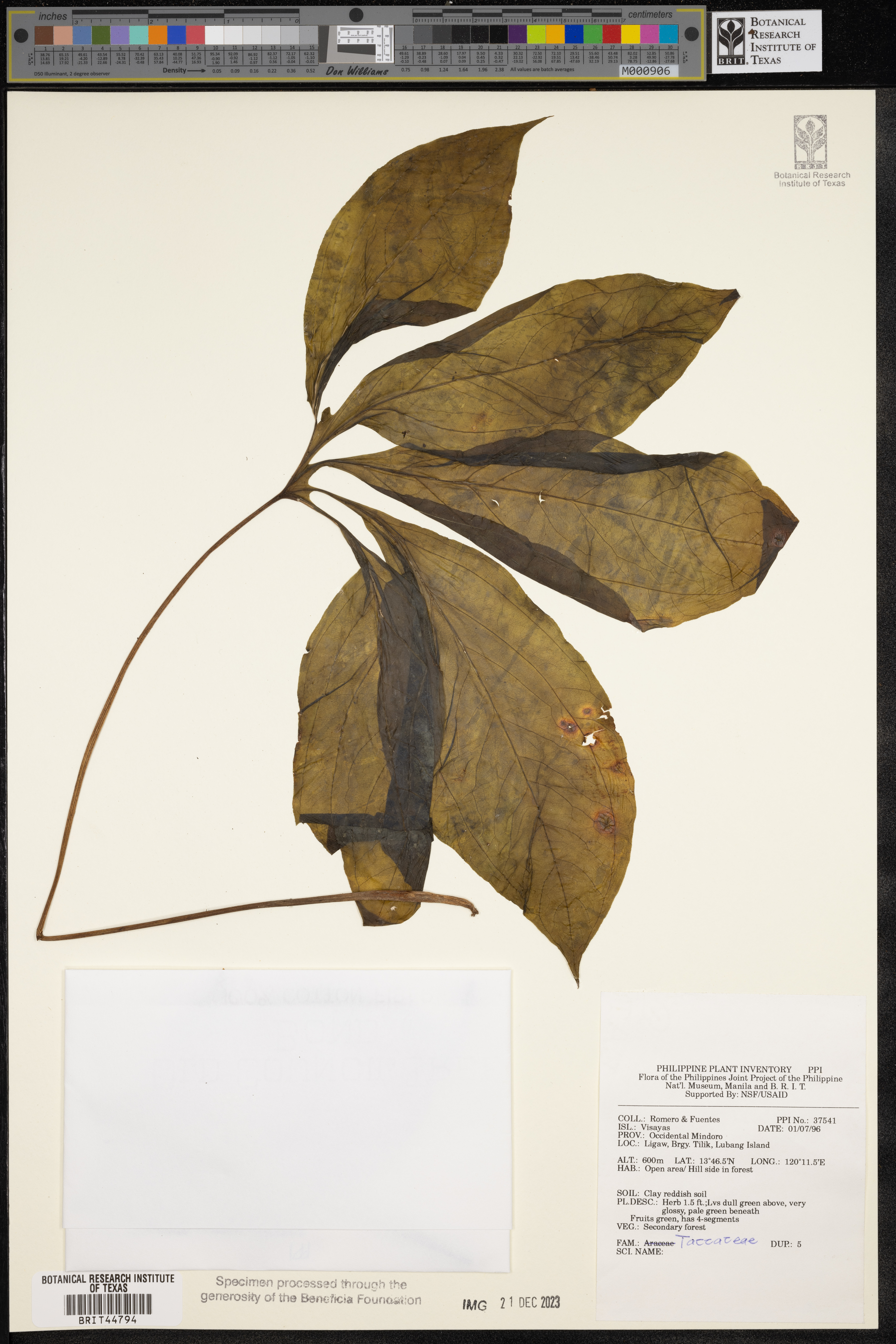
Taccaceae
REDIRECT Tacca

Empetraceae
REDIRECT Ericaceae

Alangiaceae
thumb|Alangium platanifolium

Myoporaceae
thumb|Eremophila hygrophana
Myoporaceae was a family of plants, found mostly in Australia, which included the following genera:
Diocirea
Eremophila, also known as emu bush
Myoporum, also known as Boobiala
Stixidaceae
Stixaceae is a family in the plant order Brassicales. It is no longer recognised by most taxonomists. The three genera formerly included in Stixaceae — Forchhammeria, Stixis and Tirania — have sometimes been placed instead in the Capparaceae, but it is now clear that they do not belong there. It is unknown where they do belong though, so currently they are unplaced at family rank. In the APG IV system, the genera comprising Stixaceae are included in the family Resedaceae.

Hippuridaceae
REDIRECT Hippuris

Callitrichaceae
REDIRECT Callitriche

Buddlejaceae
thumb|Buddleja araucana
Sonneratiaceae
thumb|Sonneratia pagatpat

Trapaceae
REDIRECT Trapa

Convallariaceae
REDIRECT Convallarioideae

Globulariaceae
REDIRECT Globularia
Monotropaceae
REDIRECT Monotropoideae
Tetracentraceae
REDIRECT Trochodendraceae

Najadaceae
REDIRECT Najas
Diegodendraceae
REDIRECT Diegodendron

Morinaceae
REDIRECT Morinoideae
Cneoraceae
thumbnail|Cneorum tricoccon
Trilliaceae
thumb|230px|Trillium erectum
Diervillaceae
REDIRECT Caprifoliaceae
Octoknemaceae
Octoknemaceae is a monotypic family of flowering plants endemic to continental Africa. The APG III system of 2009 and the APG II system of 2003 (unchanged from the APG system of 1998), do not recognize this family. The family is recognized by the Angiosperm Phylogeny Website, based on work since the publication of the APG III system.

Epacridaceae
REDIRECT Ericaceae
Dracaenaceae
REDIRECT Convallarioideae

Hippocrateaceae
thumb|Fruit of Salacia lehmbachii, formerly placed in Hippocrateaceae
Hippocrateaceae Juss. previously consisted of about 150 tropical and subtropical species of shrubs and lianes, and is now included in the family Celastraceae. Formerly it comprised the following genera:
Tribelaceae
REDIRECT Tribeles
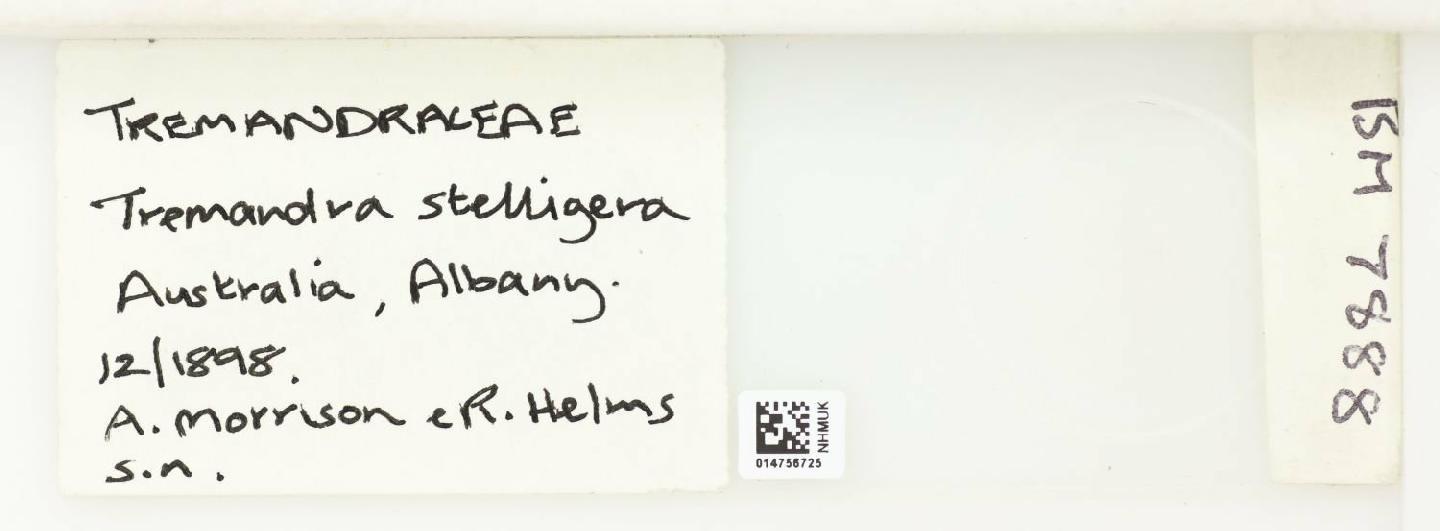
Tremandraceae
thumb|Tetratheca pilosa
Scyphostegiaceae
REDIRECT Scyphostegia