Category
page 1Historically recognized angiosperm taxa

Dicotyledones
thumb|Dicotyledon plantlet
thumb|200px|Young castor oil plant showing its prominent two embryonic leaves ([[cotyledons), which differ from the adult leaves]]

Maloideae
thumb|Malus sikkimensis
The Maloideae C.Weber was the apple subfamily, a grouping used by some taxonomists within the rose family, Rosaceae. Recent molecular phylogenetic evidence has shown that the traditional Spiraeoideae and Amygdaloideae form part of the same clade as the traditional Maloideae, and the correct name for this group is Amygdaloideae. Earlier circumscriptions of Maloideae are more-or-less equivalent to subtribe Malinae or to tribe Maleae. The group includes a number of plants bearing commercially important fruits, such as apples and pears, while others are cultivated as orname

Asteridae
Asteridae is an obsolete botanical name at the rank of subclass. Composition of the subclass has also varied; however, by definition it always includes the family Asteraceae (Compositae). In the modern APG IV system of classification, asterid and euasterid are names for clades with a composition similar to that of Asteridae.
Hamamelididae
Hamamelididae is an obsolete botanical name at the rank of subclass.
Because some hamamelidid members bear aments (i.e., catkins), this subclass has been formerly known as Amentiferae. Based on molecular phylogeny works, Hamamelididae appears to be a polyphyletic group.

Liliidae
thumb|Lilium martagon
Liliidae is a botanical name at the rank of subclass. Circumscription of the subclass will vary with the taxonomic system being used (there are many such systems); the only requirement being that it includes the family Liliaceae.
Dilleniidae
Dilleniidae is a botanical name at the rank of subclass.
Circumscription of the subclass will vary with the taxonomic system being used; the only requirement being that it includes the family Dilleniaceae. A well-known system that uses this name is the Cronquist system, and in the original 1981 version of the system the circumscription was:

Spiraeoideae
thumb|
The subfamily Spiraeoideae was traditionally a subfamily of flowering plants within the family Rosaceae. The taxonomy of this subfamily has changed several times in the last century as more detailed studies have been carried out. Spiraeoideae as defined before 2007 is paraphyletic, leading some authors to define a broader subfamily which includes the Spiraeoideae as well as the Maleae (plants such as pears and apples whose fruits are pomes), and the Amygdaloideae (including almonds and plums, whose fruits are drupes). Such an expanded subfamily is to be called Amygdaloideae under the I

Rosopsida
thumb|Rosopsida
.png)
Sympetalae
thumb|A flower showing sympetally (fused petals), a characteristic of the Sympetalae subclass (biology)|subclass|alt=Diagram of sympetalous flower
Doritaenopsis
genus of plants
Diseae
Diseae is an orchid tribe in the subfamily Orchidoideae. It was recognized in Genera Orchidacearum volume 2, which was published in 2001. It consisted of 12 genera in five subtribes. In molecular phylogenetic studies that were published after 1999, it was shown that Diseae is paraphyletic over the tribe Orchideae. In a classification of orchids that was published in 2015, Diseae was not recognized, but was instead placed in synonymy under Orchideae.
Satyriinae
Satyriinae is an orchid subtribe in the tribe Diseae.
Centothecoideae
REDIRECT Panicoideae

Eucalyptus × tetragona
species of plant
Toddalioideae
Toddalioideae is a formerly recognized subfamily of the family Rutaceae. Its type genus, Toddalia, is now accepted as a synonym of Zanthoxylum and placed in the subfamily Zanthoxyloideae.
×Degarmoara
nothogenus of plants

Lesquerella
Lesquerella is the former name of a genus of flowering plants in the family Brassicaceae. Recent work has shown that Lesquerella is indistinct from the genus Physaria and both genera have been united under Physaria. In addition, the former Lesquerella of the southeastern United States have been moved to the genus Paysonia since 2002. The genus Lesquerella is now no longer applied to any species and is considered defunct.

Brachyscome angustifolia
species of plant
Choripetalae
thumb|Ruta graveolens, an example of a choripetalous flower.
Choripetalae Eichler (1876), is a descriptive botanical name used in the Eichler and Wettstein systems to categorize a group of flowering plants. It represents one of two subdivisions within the Dicotyledones, with the other being the Sympetalae. The latter have fused petals (sympetaly) which distinguishes them from the free, unfused petals of the Choripetalae.
Ascocenda
genus of plants
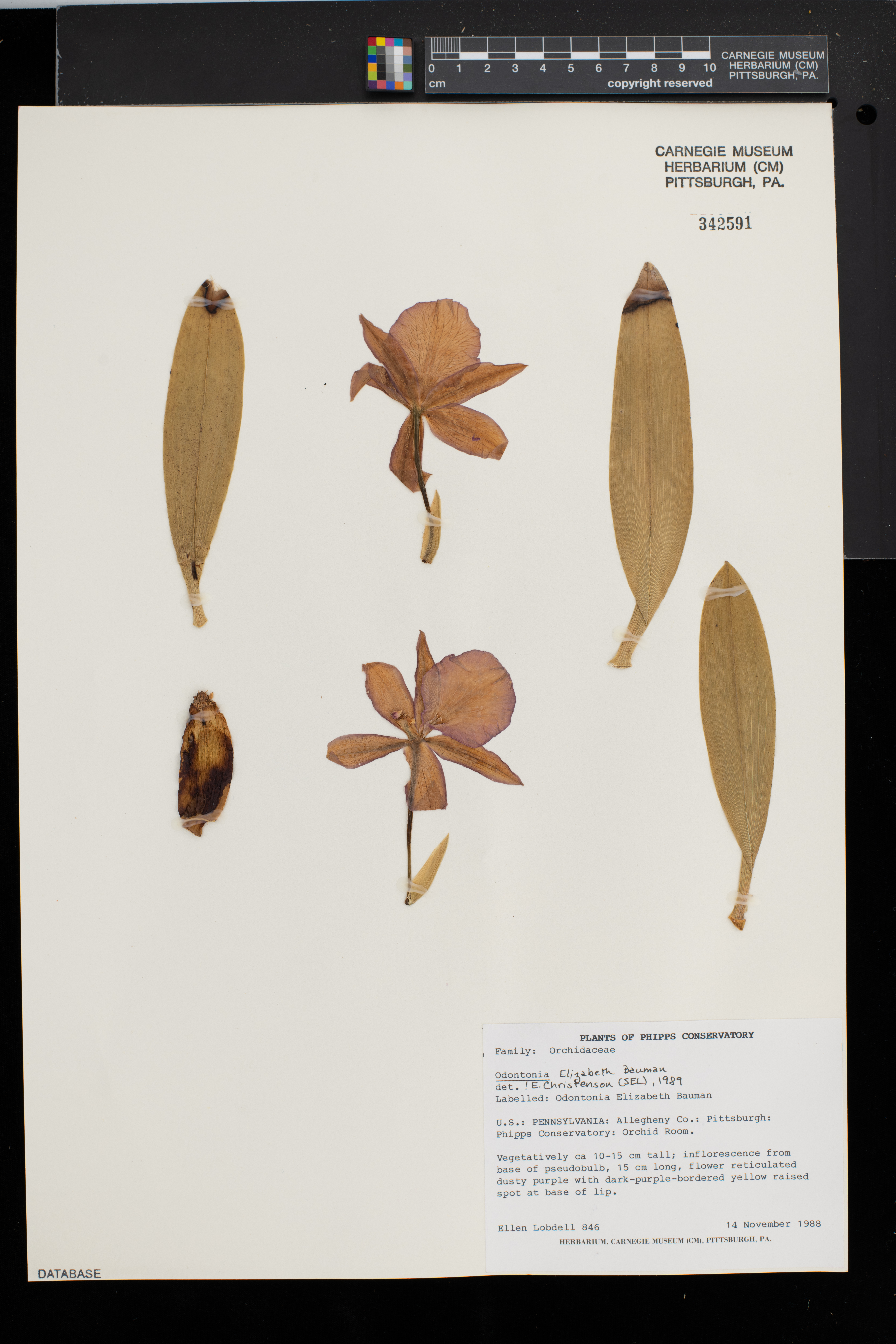
×Odontonia
genus of plants
Polypetalae
thumb|Polypetalae includes buttercups, Ranunculus
Polypetalae was a taxonomic grouping used in the identification of plants, but it is now considered to be an artificial group, one that does not reflect evolutionary history. The grouping was based on similar morphological plant characteristics. Polypetalae was defined as including plants with the petals free from the base or only slightly connected. Members of Polypetalae contain bitegmic ovules (i.e., ovules having two integuments).
×Beallara
nothogenus of plants
×Burrageara
nothogenus of plants
Plucheeae
Plucheeae, sometimes also spelt as Plucheae, is a tribe of flowering plants in the subfamily Asteroideae.
Tillandsia subg. Allardtia
subgenus of plants
Stenomesseae
Stenomesseae was a tribe (in the family Amaryllidaceae, subfamily Amaryllidoideae), where it forms part of the Andean clade, one of two American clades. The tribe was originally described by Traub in his monograph on the Amaryllidaceae in 1963, as Stenomessae based on the type genus Stenomesson. In 1995 it was recognised that Eustephieae was a distinct group separate from the other Stenomesseae. Subsequently, the Müller-Doblies' (1996) divided tribe Eustephieae into two subtribes, Stenomessinae and Eustephiinae.
Ranunculidae
Ranunculidae is a subclass of flowering plants (Angiosperms) used in some taxonomic systems such as the Takhtajan system or Reveal system. By necessity it includes the order Ranunculales, but otherwise it differs between taxonomic systems. More recent classification systems such as the Angiosperm Phylogeny Group do not use subclasses for Angiosperms.