Category
page 1Holocaust historiography
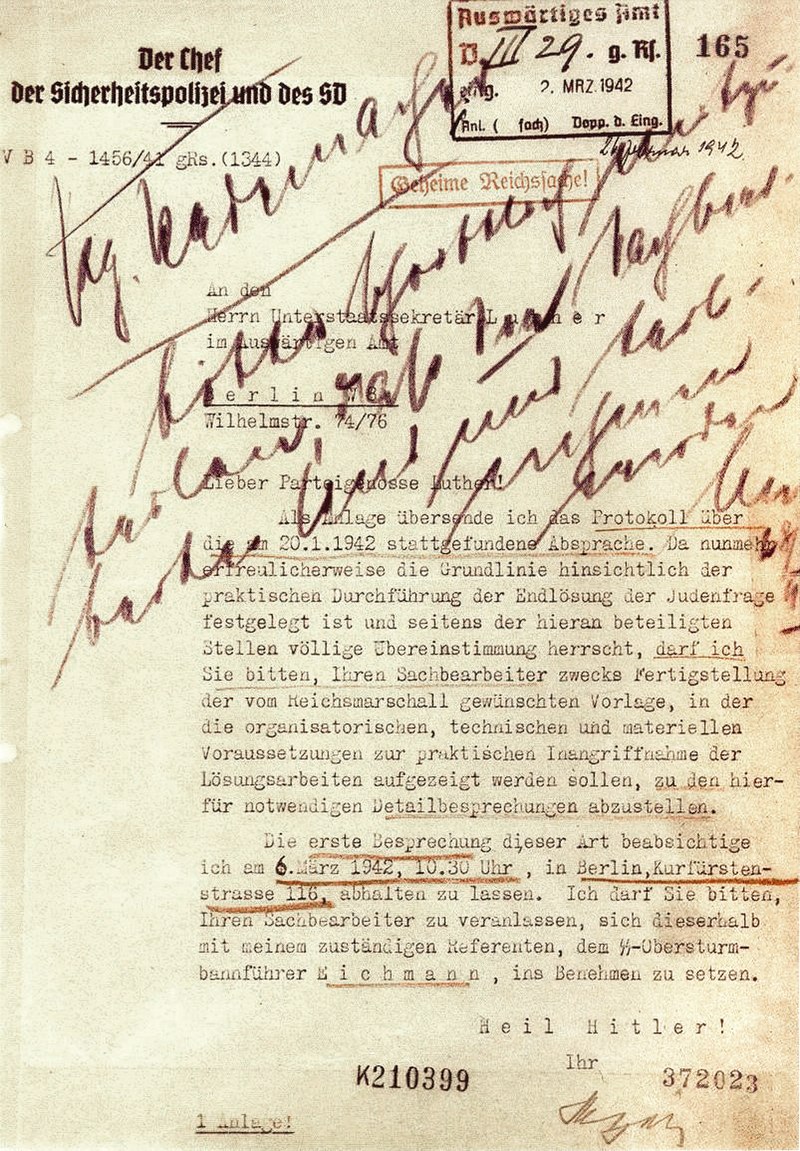
Final Solution
Nazi plan for the genocide or extermination of the Jews, resulted in the genocide known as 'Holocaust' or 'Shoah'
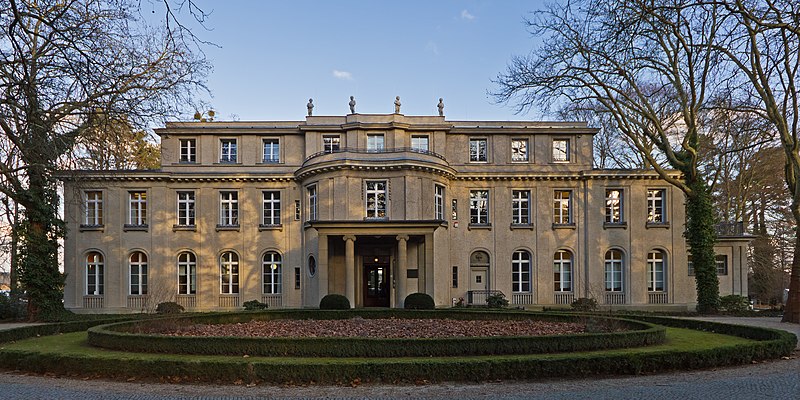
Wannsee Conference
1942 meeting of senior officials and functionaries of National Socialist organisations and ministries in Berlin to organise and coordinate the deportation of the entire Jewish population of Europe to the East for extermination

Rudolf Vrba
Slovak-Jewish Auschwitz escapee, Canadian biochemist (1924–2006)
Jean Améry
Austrian-born essayist and Holocaust survivor (1912-1978)
Edgar Hilsenrath
German-Jewish writer (1926-2018)
Sonderweg
'''''' (, ) refers to the theory in German historiography that considers the German-speaking lands or the country of Germany itself to have followed a course from aristocracy to democracy unlike any other in Europe.

The Holocaust Industry
essay by Norman Finkelstein

Vergangenheitsbewältigung
thumb|250px|upright|Memorial to the Murdered Jews of Europe in [[Berlin, Germany]]

Historikerstreit
The Historikerstreit (, "historians' dispute") was a dispute in the late 1980s in West Germany between conservative and left-of-center academics and other intellectuals about how to incorporate Nazi Germany and the Holocaust into German historiography, and more generally into the German people's view of themselves. The dispute was initiated with the Bitburg controversy, which related to a commemorative service at a German military cemetery where members of the Waffen-SS were buried. The service was attended by President of the United States Ronald Reagan, who had been invited by the West Germa
Vrba-Wetzler report
account of Auschwitz killings
Nisko Plan
Nazi operation to deport Jews to Lublin District of occupied Poland to be confined to a concentration and forced labor camp
Mizocz Ghetto
Nazi ghetto in occupied Ukraine
Austria victim theory
Ideology that Austria was an involuntary victim of Nazism
Memorial for the victims of the German occupation
Monument in Budapest, Hungary
"Polish death camp" controversy
incorrect term used in reference to concentration camps built and run by Nazi Germany in Poland
comparisons between Israel and Nazi Germany
the ahistorical comparison of Israel to Nazi Germany or Israelis to WWII Nazi Germans
Functionalism versus intentionalism
historiographical debate about the origins of the Holocaust
The Mass Extermination of Jews in German Occupied Poland
report of the Polish government in exile in 1942
Holocaust trivialization
inappropriate comparison of the Holocaust to any perceived undesirable phenomena
Journal of Historical Review
non-academic journal
Raczyński's Note
official diplomatic note of the Polish Government-in-Exile (regarding persecution and crimes against Jews in German-occupied Poland; signatory: Edward Raczyński; 1942)
Bloody Wednesday in Olkusz
perpetration of civilians in Poland
Double genocide theory
comparison of Soviet atrocities against Eastern Europeans to the Holocaust
secondary antisemitism
a distinct form of antisemitism that has been observed in several countries since the end of the Holocaust
Italiani brava gente
International response to the Holocaust
Responses of international organizations and governments to the Holocaust
Reich Chancellery meeting of 12 December 1941
encounter between Adolf Hitler and the highest-ranking officials of the Nazi Party
wir haben es nicht gewußt
the extent to which the Holocaust was known contemporaneously
Leonardo de Benedetti
medical doctor, Italian concentration camp survivor (1898-1983)
200 days of dread
WW2 event in British Palestine
Like sheep to the slaughter
a proverb regarding the jewish holocaust
bibliography on The Holocaust

Eugene M. Kulischer
American sociologist (1881-1956)
Armenian genocide and the Holocaust
comparison of genocides
Names of the Holocaust
Holocaust studies
Academic study of the Holocaust
Arnold Edmund Samuelson
American photographer (1917-2002)
Auschwitz bombing debate
Strategic debate during World War II
Perpetrators, victims, and bystanders
Aspect of Genocide studies