Category
page 3Holocene extinctions
Viti Levu Giant Pigeon
species of bird (fossil)

Chendytes lawi
Chendytes is a genus of extinct, goose-sized flightless marine duck, once common on the California coast, the California Channel Islands, and possibly southern Oregon. It lived in the Pleistocene and survived into the Holocene. It appears to have gone extinct at about 450–250 BCE. The youngest direct radiocarbon date from a Chendytes bone fragment dates to 770–400 BCE and was found in an archeological site in Ventura County. Its remains have been found in fossil deposits and in early coastal archeological sites. Archeological data from coastal California show a record of human exploi
Coryphomys
Coryphomys is an extinct genus of rats, known from sub-fossils found on Timor. Its name is Greek for "top-of-the-head mouse" or "summit mouse".
Hydrodamalis
Hydrodamalis is a genus of extinct herbivorous sirenian marine mammals. It included the Steller's sea cow (Hydrodamalis gigas), the Cuesta sea cow (Hydrodamalis cuestae), and the Takikawa sea cow (Hydrodamalis spissa). The fossil genus Dusisiren is regarded as the sister taxon of Hydrodamalis: together, the two genera form the dugong subfamily Hydrodamalinae. They were the largest member of the order Sirenia, whose only extant members are the dugong (Dugong dugon) and the manatees (Trichechus spp.). They reached up to in length, making the Steller's sea cow among the largest mammals other than
Speothos pacivorus
species of mammal
Bison occidentalis
species of mammal (fossil)
Aldabrachelys abrupta
species of reptile
plate-toothed giant hutia
species of mammal (fossil)
Aldabrachelys grandidieri
species of reptile

Junzi imperialis
species of hominoid

Kanaka Pigeon
species of bird

Pennatomys nivalis

Mixotoxodon
Mixotoxodon ("mixture Toxodon") is an extinct genus of notoungulate of the family Toxodontidae inhabiting South America, Central America and parts of southern North America during the Pleistocene epoch, from 1,800,000–12,000 years ago.
Ciridops
Ciridops is an extinct genus of Hawaiian honeycreeper species that occurred in prehistoric and historic times on the Hawaiian islands of Hawaii, Molokai, Kauai and Oahu. This genus was created in 1892 by Alfred Newton in an article published by the journal Nature on the basis of the ʻula-ʻai-hawane, which was named Fringilla anna by Sanford B. Dole in 1879.

Bennu Heron
extinct heron
Bubalus mephistopheles
species of mammal (fossil)
%20(14563211299).jpg)
Proterotheriidae
Proterotheriidae is an extinct family of litoptern ungulates known from the Eocene-Late Pleistocene of South America. Members of the group were small to medium-sized cursorial herbivores with brachydont teeth, with their toes showing progressive reduction, with later members of the group bearing weight on a single large toe similar to living horses.

Voay
Voay is an extinct genus of crocodile from Madagascar that lived during the Late Pleistocene to Holocene, containing only one species, V. robustus. Numerous subfossils have been found, including complete skulls, noted for their distinctive pair of horns on the posterior, as well as vertebrae and osteoderms from such places as Ambolisatra and Antsirabe. The genus is thought to have become extinct relatively recently. It has been suggested to have disappeared in the extinction event that wiped out much of the endemic megafauna on Madagascar, such as the elephant bird and Malagasy hippo, followin
Pile-builder Megapode
species of bird (fossil)
Cnemiornis
genus of birds
Pachyornis elephantopus
species of bird (fossil)

Bubalus cebuensis
species of mammal of the family Bovidae
Pachyornis australis
species of bird (fossil)
Capromeryx minor
species of mammal (fossil)
Alopochen sirabensis
species of bird

Mylohyus
Mylohyus is an extinct genus of peccary found in North and Central America. It first evolved during the Late Miocene and became extinct at the end of the Pleistocene, around 12,000 years ago, during the Late Pleistocene megafaunal extinction.

Myotragus
Myotragus (Neo-Latin, derived from the Greek: , "mouse-goat") is an extinct genus of goat-antelope in the tribe Caprini which lived on the Balearic Islands of Mallorca and Menorca in the western Mediterranean until its extinction around 4,300 years ago. The fossil record of Myotragus on the Balearic Islands extends over 5 million years back to the early Pliocene on Mallorca, thought to have arrived from the European mainland after the evaporation of the Mediterranean Sea during the Messinian Salinity Crisis at the end of the Miocene epoch (around 5.96-5.33 million years ago). Following the ref

Nothrotheriidae
Nothrotheriidae is a family of extinct ground sloths that lived from approximately 17.5 mya—10,000 years ago, existing for approximately . Previously placed within the tribe Nothrotheriini or subfamily Nothrotheriinae within Megatheriidae, they are now usually placed in their own family, Nothrotheriidae. Nothrotheriids appeared in the Burdigalian, some 19.8 million years ago, in South America. The group includes the comparatively slightly built Nothrotheriops, which reached a length of about . While nothrotheriids were small compared to some of their megatheriid relatives, their claws provided
Hippopotamus madagascariensis
species of mammal (fossil)

Moa-nalo
The moa-nalo are a group of extinct aberrant, goose-like ducks that lived on the larger Hawaiian Islands, except Hawaii itself, in the Pacific. They were the major herbivores on most of these islands until they became extinct after human settlement.
Hydrodamalinae
Hydrodamalinae is a recently extinct subfamily of the sirenian family Dugongidae. The Steller's sea cow (Hydrodamalis gigas) was hunted to extinction by 1768, while the genus Dusisiren is known from fossils dating from the middle Miocene to early Pliocene.
Pachyornis geranoides
extinct species of moa
Cuban coney
species of mammal
Emeidae
family of birds (fossil)

Notiomastodon
Notiomastodon is an extinct genus of gomphothere proboscidean (related to modern elephants), endemic to South America from the Pleistocene to the early Holocene. Individuals of Notiomastodon reached a size similar to that of the modern Asian elephant, with a body mass of 3-4 tonnes. Like other brevirostrine gomphotheres such as Cuvieronius and Stegomastodon, Notiomastodon had a shortened lower jaw and lacked lower tusks, unlike more primitive gomphotheres like Gomphotherium.
Megalotragus
Megalotragus (from Greek mega (μέγα) 'great' and tragos (τράγος) 'goat') is an extinct genus of very large African alcelaphines that lived from the Pliocene to early Holocene. Its skull resembled that of modern hartebeests, but it differed in having a larger body size and wildebeest-like proportions. Megalotragus includes some of the largest bovid species in the subfamily Alcelaphinae, reaching a shoulder height of . The genus consists of three species of which Megalotragus priscus survived until the early Holocene 7.500 C14yBP.
Hanyusuchus
Hanyusuchus is an extinct genus of gavialid crocodilian native to South China, containing a single species, Hanyusuchus sinensis. Reaching a total body length of , it shares characteristics of both tomistomines and derived gharials, such as a possibly sexually dimorphic vocal structure. Hanyusuchus is a recent Holocene taxon, living in southern China from at least the 4th millennium BC (during the Bronze Age) to as late as the 15th century AD, perhaps even later, when increased efforts of government culling and habitat destruction likely led to its extinction.
Antilles monkey
Xenotrichini (the Antilles monkeys) is a tribe of extinct primates, which lived on the Greater Antilles as recently as the last few thousand years.
New Zealand Stiff-tailed Duck
species of bird
New Zealand Raven
extinct species of bird
Majorcan giant dormouse
extinct mammal species
Madeiran Scops Owl
species of bird
Jamaican Ibis
species of bird
Californian Turkey
species of bird (fossil)
Hypnomys
Hypnomys, otherwise known as Balearic giant dormice, is an extinct genus of dormouse (Gliridae) in the subfamily Leithiinae. Its species are considered examples of insular gigantism. They were endemic to the Balearic Islands in the western Mediterranean from the Early Pliocene until their extinction around the 3rd millennium BC. They first appeared in the fossil record on Mallorca during the Early Pliocene (around 5 million years ago), presumably as a result to the evaporation of the Mediterranean sea during the Messinian salinity crisis (5.96-5.33 million years ago) connecting the Balearic Is
Mormoops magna
species of mammal
Hippopotamus laloumena
species of mammal (fossil)
Viti Levu Snipe
species of bird

Evolutionary anachronism
attributes of living species that are best explained as having been favorably selected due to coevolution with other species that have since become extinct
Otus frutuosoi
species of bird (fossil)
Chatham Raven
extinct bird species from New Zealand's Chatham Islands

Long-billed Wren
species of reptile
Slender-billed Greenfinch
species of bird
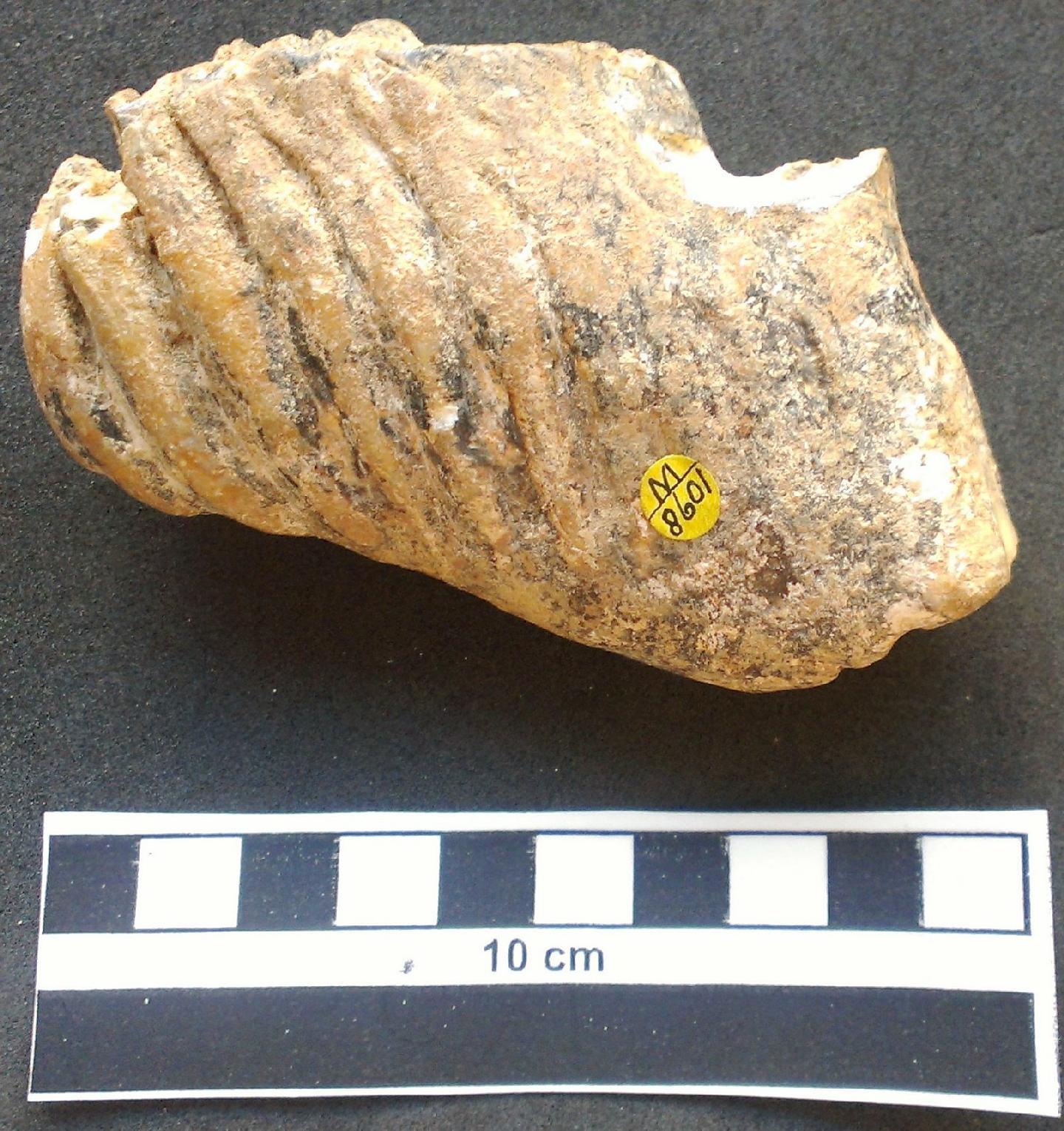
Palaeoloxodon cypriotes
species of mammal (fossil)
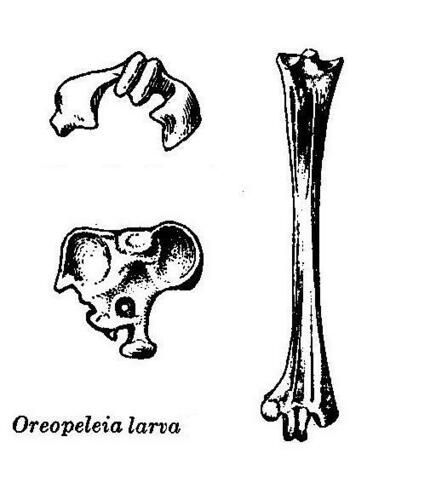
Puerto Rican Quail-Dove
species of bird
Niue Night Heron
species of bird
Snipe-rail
The snipe-rail (Capellirallus karamu) is an extinct flightless rail endemic to the North Island of New Zealand. The species' name is derived from the Karamu Cave from Hamilton where the holotype was discovered in 1954.
Apteribis
Apteribis is an extinct genus of flightless birds in the ibis subfamily that was endemic to the Hawaiian Islands in the Pacific Ocean.
Triaenops goodmani
species of mammal
Trias greenfinch
species of bird