Category
page 1Horror novels adapted into films

Frankenstein
Frankenstein; or, The Modern Prometheus is an 1818 Gothic novel written by English author Mary Shelley. Frankenstein tells the story of Victor Frankenstein, a young scientist who creates a sapient creature from different body parts in an unorthodox scientific experiment. Shelley started writing the story when she was 18 and staying in Bath, and the first edition was published anonymously in London on 1 January 1818, when she was 20. Her name first appeared in the second edition, which was published in Paris in 1821.

The Picture of Dorian Gray
1890–1891 novel by Oscar Wilde

The Hunchback of Notre Dame
novel by Victor Hugo
.jpg)
Dracula
Dracula is an 1897 Gothic horror novel by Irish author Bram Stoker. The narrative is related through letters, diary entries, and newspaper articles. It has no single protagonist and opens with English solicitor Jonathan Harker taking a business trip to stay at the castle of a Transylvanian nobleman, Count Dracula. Revealing his true nature as a vampire, Dracula moves to England and plagues the seaside town of Whitby. Harker joins a group led by Abraham Van Helsing who hunt and kill the Count.

Twilight
2005 novel by Stephenie Meyer

Strange Case of Dr Jekyll and Mr Hyde
1886 novella by Robert Louis Stevenson
The Phantom of the Opera
1910 novel by Gaston Leroux
The Invisible Man
1897 science fiction novel by H. G. Wells

The Shining
1977 novel by Stephen King

Perfume
1985 novel by Patrick Süskind
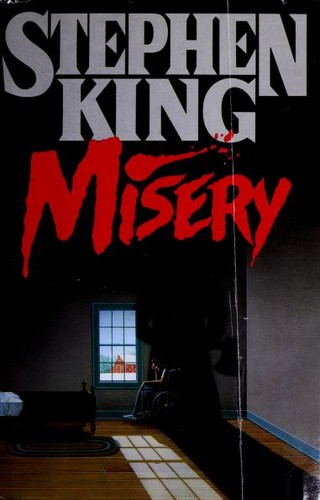
Misery
1987 novel by Stephen King

'Salem's Lot
1975 novel by Stephen King

Never Let Me Go
2005 novel by Kazuo Ishiguro
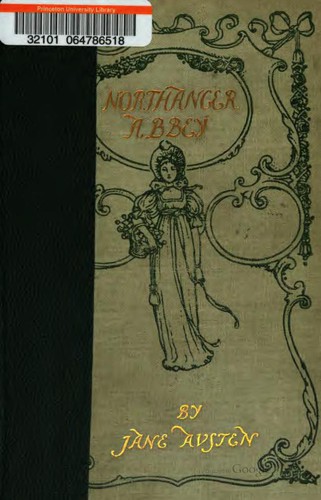
Northanger Abbey
1817 novel by Jane Austen

Goosebumps
Goosebumps is a series of children's horror novels written by American author R. L. Stine. The protagonists in these stories are tweens or young teens who find themselves in frightening scenarios, often involving the supernatural, the paranormal or the occult. Between 1992 and 1997, sixty-two books were published under the Goosebumps umbrella title. R. L. Stine also wrote various spin-off series, including, Goosebumps Series 2000, Give Yourself Goosebumps, Tales to Give You Goosebumps, Goosebumps Triple Header, Goosebumps HorrorLand, Goosebumps Most Wanted and Goosebumps SlappyWorld. Additiona
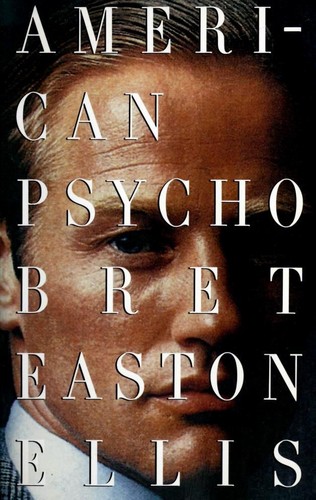
American Psycho
1991 novel by Bret Easton Ellis

I Am Legend
1954 novel by Richard Matheson

Coraline
Coraline () is a 2002 British fantasy horror children's novella by author Neil Gaiman. Gaiman started writing Coraline in 1990, and it was published in 2002 by Bloomsbury and HarperCollins. It was awarded the 2003 Hugo Award for Best Novella, the 2003 Nebula Award for Best Novella, and the 2002 Bram Stoker Award for Best Work for Young Readers. The Guardian ranked Coraline #82 in its list of 100 Best Books of the 21st Century. It was adapted as a 2009 stop-motion animated film, directed by Henry Selick under the same name.

Rebecca
novel by Daphne du Maurier
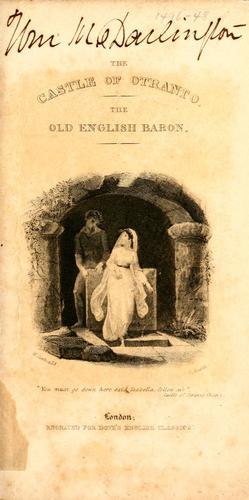
The Castle of Otranto
novel by Horace Walpole

The Witches
1983 children's book by Roald Dahl

Carmilla
Carmilla is an 1872 Gothic novella by Irish author Joseph Sheridan Le Fanu. A foundational work of English-language vampire literature, it predated Bram Stoker's Dracula (1897) by 25 years. First published as a serial in The Dark Blue from 1871–72, the novella subsequently appeared in Le Fanu’s short story collection In a Glass Darkly in 1872. Set in 19th century Styria, it is the story of a young woman who is pursued by the vampire Carmilla. Since its initial publication, Carmilla has often been regarded as one of the most influential vampire stories of all time, and popularized the lesbian v
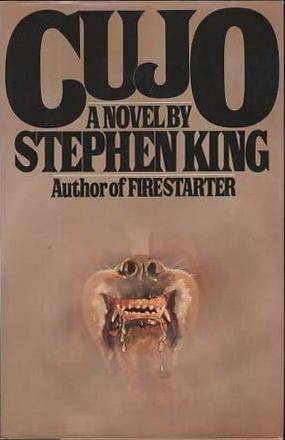
Cujo
Cujo () is a 1981 horror novel by American writer Stephen King about a Saint Bernard who contracts rabies, then goes on a killing spree in his hometown. The novel won the British Fantasy Award in 1982 and was made into a film in 1983. Cujo's name was based on the alias of Willie Wolfe, one of the men responsible for orchestrating Patty Hearst's kidnapping and indoctrination into the Symbionese Liberation Army. King discusses Cujo in On Writing, referring to it as a novel he "barely remembers writing at all." King wrote the book during the height of his struggle with alcohol addiction. King goe

The Silence of the Lambs
1988 novel by Thomas Harris

Another
novel by Yukito Ayatsuji

Christine
1983 novel by Stephen King

The Man Who Laughs
novel by Victor Hugo
The Castle From Carpathians
1892 novel by Jules Verne
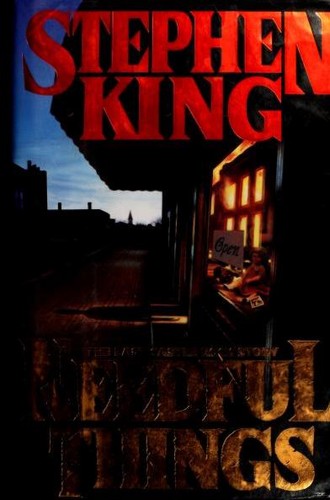
Needful Things
1991 novel by Stephen King

Red Dragon
1981 novel by Thomas Harris
She: A History of Adventure
novel by H. Rider Haggard
The Day of the Triffids
1951 novel by John Wyndham

The Turn of the Screw
1898 novella by Henry James

Doctor Sleep
2013 novel by Stephen King
Thinner
novel by Stephen King

The Dark Half
1989 novel by Stephen King
Dreamcatcher
2001 novel by Stephen King
World War Z
2006 novel by Max Brooks
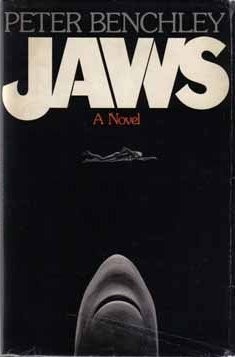
Jaws
1974 novel by American writer Peter Benchley

Battle Royale
1999 novel by Koushun Takami

The Collector
novel by John Fowles

Desperation
1996 novel by Stephen King
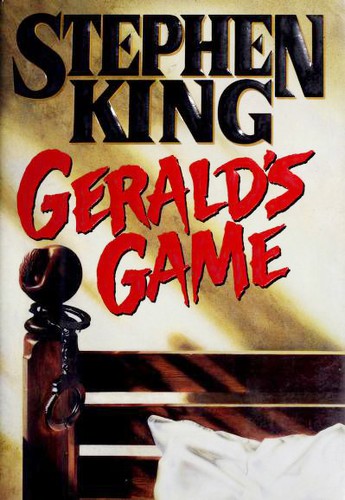
Gerald's Game
1992 suspense novel by Stephen King

Cycle of the Werewolf
novella by Stephen King

Professor Dowell's Head
novel by the Russian author Alexander Belyayev

Hannibal Rising
2006 novel by Thomas Harris

The Andromeda Strain
1969 novel by Michael Crichton

The Monk
1796 novel by Matthew Lewis
Psycho
novel by Robert Bloch (1959)

The Stepford Wives
1972 novel by Ira Levin
Annihilation
2014 novel by Jeff VanderMeer

The Mist
1980 novella by Stephen King

The Golem
novel by Gustav Meyrink
Rosemary's Baby
1967 novel by Ira Levin
From Hell
comics limited series by Alan Moore and Eddie Campbell

The Prestige
1995 novel by Christopher Priest

Sanctuary
novel by William Faulkner
Flowers in the Attic
novel by V. C. Andrews
Ring
1991 horror novel by Koji Suzuki
Vampire Hunter D
novel series by Hideyuki Kikuchi