Category
page 1Horus
.jpg)
Horus
Horus (), also known as Heru, Har, Her, or Hor () Ϩⲱⲣ (Coptic), in Ancient Egyptian, is one of the most significant ancient Egyptian deities who served many functions, most notably as the god of kingship, healing, protection, the sun, and the sky. He was worshipped from at least the late prehistoric Egypt until the Ptolemaic Kingdom and Roman Egypt. Different forms of Horus are recorded in history, and these are treated as distinct gods by Egyptologists. These various forms may be different manifestations of the same multi-layered deity in which certain attributes or syncretic relationships ar

Eye of Horus
ancient Egyptian symbol of protection, royal power and good health
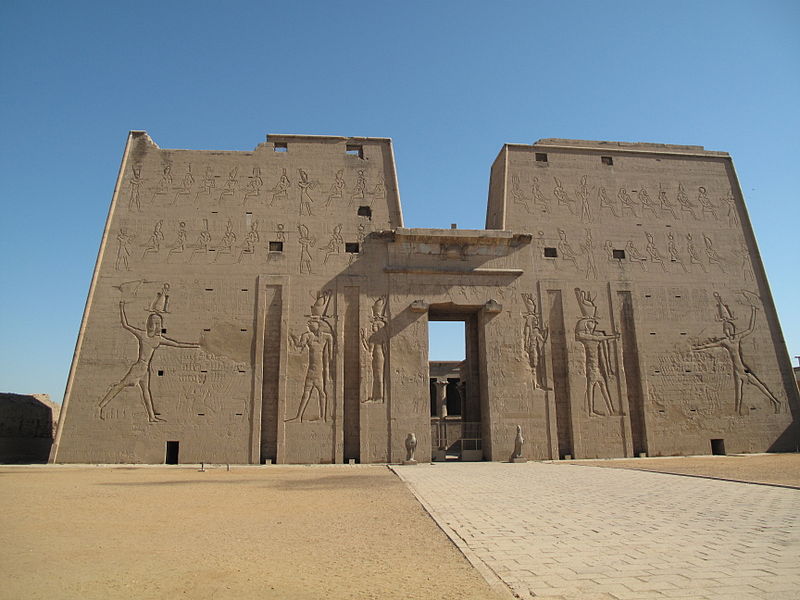
Temple of Edfu
ancient Egyptian temple, located on the west bank of the Nile in Edfu, Upper Egypt
Narmer Palette
Egyptian archaeological artifact
.jpg)
Nekhen
thumb|Possible illustration of the conflict between Abydos, Egypt|Abydos and Nekhen (Hierakonpolis), on the [[Gebel el-Arak Knife, Louvre Museum, 3300–3200 BCE.]]
Nekhen (, ), also known as Hierakonpolis (; , meaning City of Hawks or City of Falcons, a reference to Horus; ) was the religious and political capital of Upper Egypt at the end of prehistoric Egypt ( 3200–3100 BC) and probably also during the Early Dynastic Period ( 3100–2686 BC).
Four sons of Horus
ancient Egyptian gods
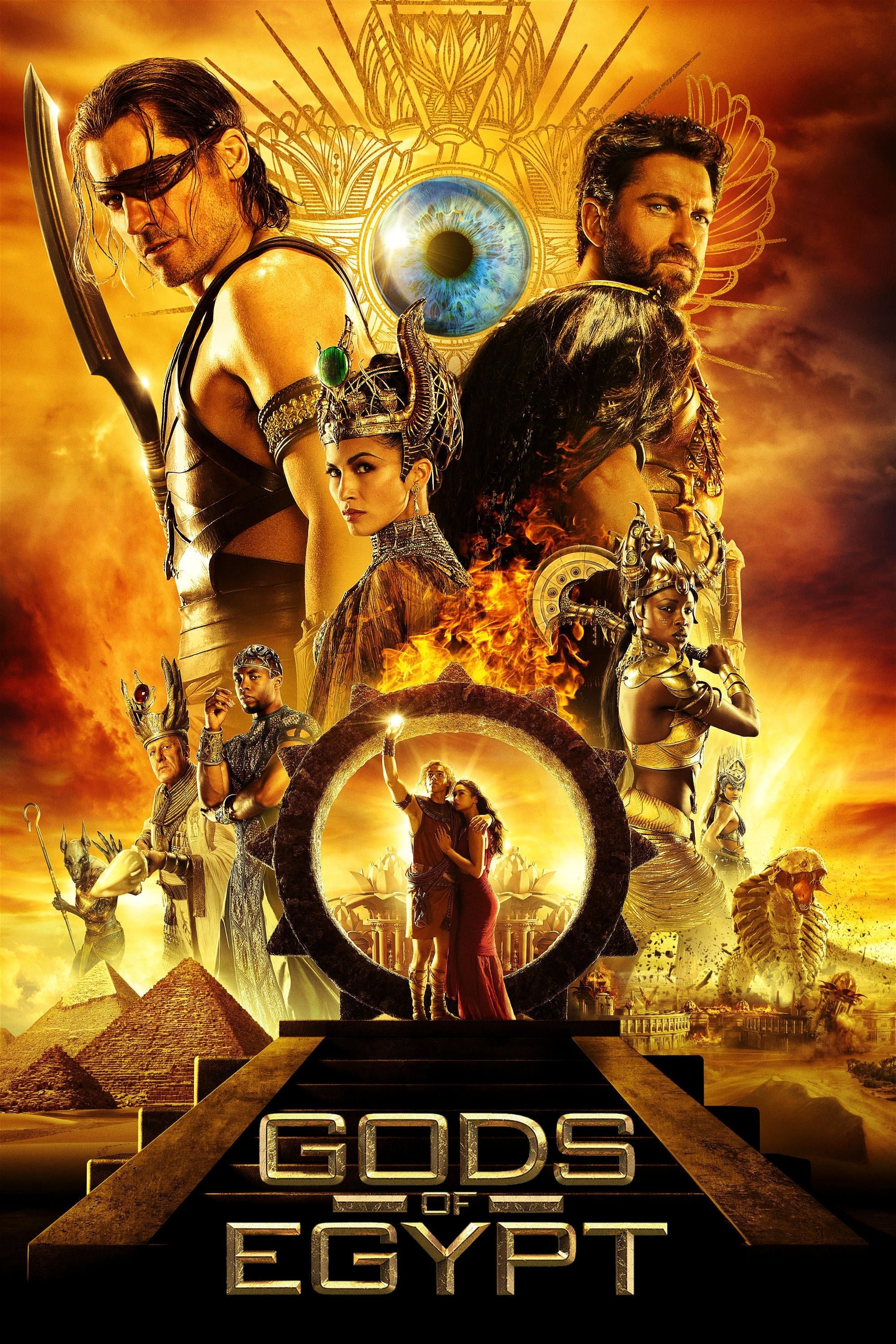
Gods of Egypt
2016 film directed by Alex Proyas
.jpg)
Harpocrates
thumb|150px|One of two known Phoenician Harpocrates statues
Horus name
oldest known crest of ancient Egyptian rulers
Osiris myth
story in ancient Egyptian mythology

Mandulis
Mandulis (also Merul and Melul) was a god of ancient Nubia also worshipped in Egypt. The name Mandulis () is the Greek form of Merul or Melul, a non-Egyptian name. The centre of his cult was the Temple of Kalabsha at Talmis, but he also had a temple dedicated to him at Ajuala.

Ra-Horakhty
Re-Hor-achti is one of the ancient Egyptian gods in whom the ancient Egyptians combined the god Ra represented by the sun disk and Horus on the horizons.
Tjebu
human settlement
winged sun
deity
Stele of Ankh-ef-en-Khonsu
Painted, wooden offering stele located in Cairo, Egypt
Shahbaz
fabled bird
The Contendings of Horus and Seth
mythological story from the Twentieth dynasty of Ancient Egypt found in the Chester Beatty Papyri
Harsiese
Harsiese (also Horsiese or Harsiesis, plus other variants) was an ancient Egyptian theophoric name, literally meaning "Horus, son of Isis". A related name is Siese. Some people by this name include:
Harsiese A, an independent king in Upper Egypt during the Twenty-second Dynasty
Harsiese B, a High Priest of Amun from the end of Osorkon II's reign to Year 19 of Pedubast I
Harsiese (C), a Second Prophet of Amun
Harsiese (High Priest of Ptah), served as High Priest of Ptah during the reign of Psusennes I
Harsiesi, native rebel against Ptolemy VIII Physcon
Harsomtus
Harsomtus (also known as Harsomptus and Somtus) was an ancient Egyptian child god with main cult places at Dendera and Edfu. This less-known deity was worshipped from the Old Kingdom period all the way to Graeco-Roman Egypt. Popularity of Harsomtus, along with other child gods, greatly increased in the Graeco-Roman period, with most information coming from that era. The connection with Horus had formed early, and Harsomtus is considered by researchers to be a form of Ra or Horus. His name translates to "Horus who unites the two lands."
Horus on the Crocodiles
group of ancient Egyptian amulets