Category
page 1Hunting accident deaths

Philip IV of France
King of France from 1285 to 1314 (1268–1314)
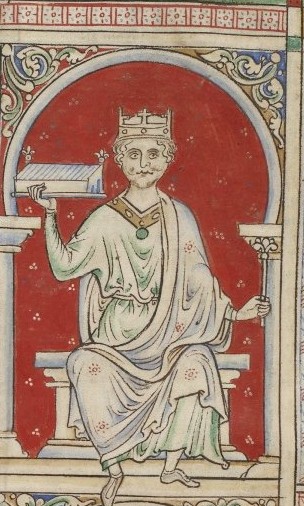
William II of England
King of England from 1087 to 1100

Menes
Menes ( ; ; , probably pronounced *; and ) was a pharaoh of the Early Dynastic Period of ancient Egypt, credited by classical tradition with having united Upper and Lower Egypt, and as the founder of the First Dynasty.
Basil I
Byzantine emperor from 867 to 886
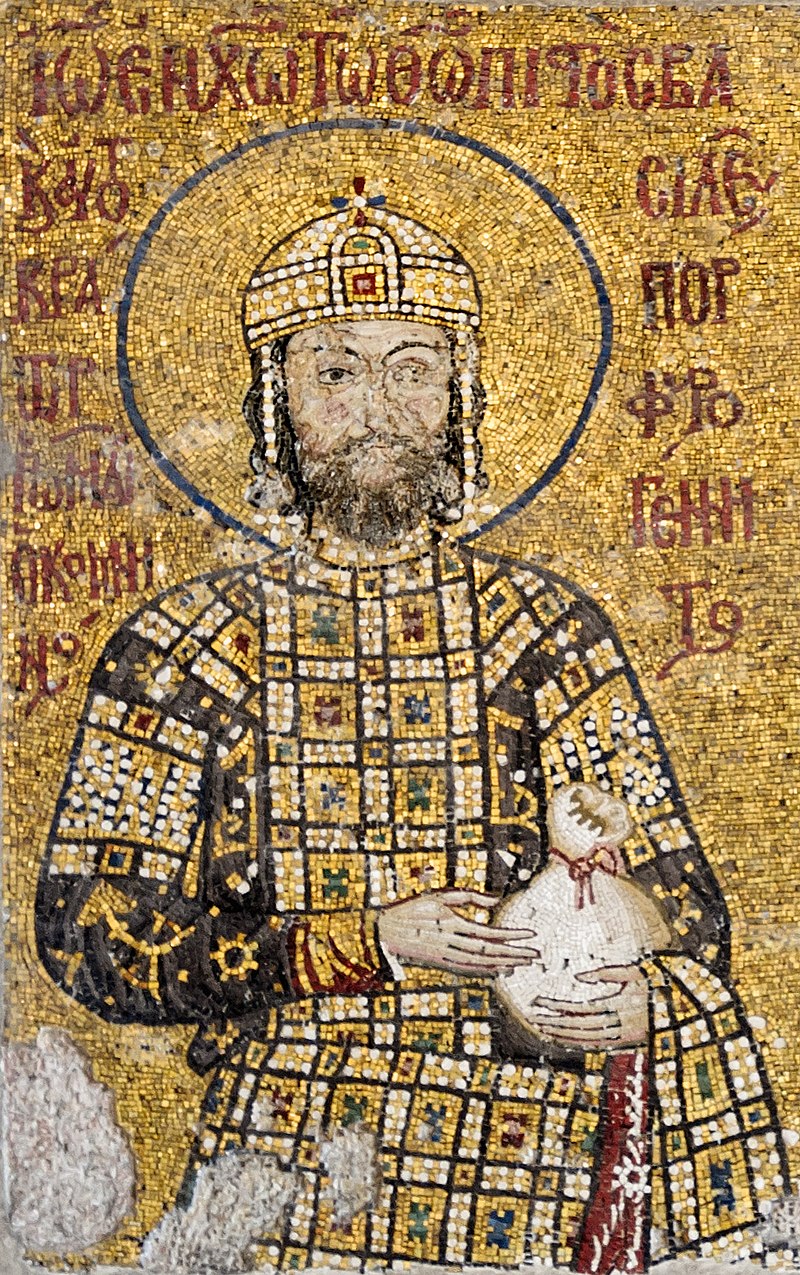
John II Komnenos
Byzantine Emperor from 1118 to 1144

Louis V of France
King of West Francia from 979 to 987

Bahram V
The 15th Sassanid Emperor (421–438)

Ľudovít Štúr
Slovak poet, philosopher, linguist, publicist, politician and writer (1815–1856)

Christian V of Denmark
king of Denmark and Norway (1646–1699)

John Hanning Speke
British military officer and explorer (1827–1864)

Pratap Singh
16th century ruler of Mewar, India

Nikola VII Zrinski
Croatian military commander (1620-1664)
José Luis Cuciuffo
Argentine footballer (1961-2004)

Charles of France, Duke of Berry
French noble

Rudolf Diels
German lawyer and civil servant, first Gestapo chief and protege of Gestapo founder Hermann Göring (1900-1957)

Al-Aziz Uthman
Ayyubid Sultan of Egypt 1171-1198
Saint Emeric of Hungary
son of King St. Stephen I of Hungary and Giselle of Bavaria.
.jpg)
Procris
thumb|right|The Death of Procris by Joachim Wtewael (circa 1595–1600)
In Greek mythology, Procris (, gen.: Πρόκριδος) was an Athenian princess, the third daughter of Erechtheus, king of Athens and his wife, Praxithea. Homer mentions her in the Odyssey as one of the many dead spirits Odysseus saw in the Underworld. Sophocles wrote a tragedy called Procris that has been lost, as has a version contained in the Greek Cycle, but at least six different accounts of her story still exist.
Valdemar the Young
Co-king of Denmark (1209-1231)
Hermann Wissmann
German explorer and colonial administrator in Africa (1853–1905)
John George I, Duke of Saxe-Eisenach
German duke (1634-1686)
Ernest I
Duke of Swabia from 1012 to 1015
Camille Jenatzy
auto racer (1868–1913)
Ferdinand Maximilian, Hereditary Prince of Baden-Baden
prince of Baden-Baden in Germany
Bertil Uggla
Swedish pole vaulter, modern pentathlete and fencer (1890–1945)
Richard of Normandy
second son of William the Conqueror, King of England, and Matilda of Flanders
Demetrius III of Georgia
king of Imereti
Paul O. Husting
American politician (1866-1917)
François Sevez
French general (1891-1948)
Hubert Latham
French aviation pioneer (1883–1912)
Manuchar I Dadiani
prince of Mingrelia
Adam Francis of Schwarzenberg
Austrian geheimrat (1680-1732)
Brian Faulkner
British politician (1921-1977)
Yevhen Kushnaryov
Ukrainian politician (1951-2007)
John Holles, 1st Duke of Newcastle
British noble
Levan I Dadiani
Prince of Mingrelia
Alexander Pagenstecher
German ophthalmologist (1828–1879)
Razadarit
Razadarit (, ; , or ; also spelled Yazadarit, "king of kings"; 1368–1421), personal name Pasoom-Paing-Cek ( ; ), courtesy name Benya Noy (, ; , ), was king of Hanthawaddy Pegu from 1384 to 1421. He successfully unified his Mon-speaking kingdom, and fended off major assaults by the Burmese-speaking Ava Kingdom (Inwa) in the Forty Years' War. The king also instituted an administrative system that left his successors with a far more integrated kingdom. He is one of the most famous kings in Burmese history.
Karl August Ferdinand von Borcke
Prussian general
Edward C. Mann
U.S. Representative from South Carolina (1880-1931)
Charles Cavendish
British politician (1850-1907)

Johann Baptist Walpoth
Austrian sculptor
Anatoly Durov
Russian animal trainer