Category
page 1Hydrogen production

electrolysis
thumb|Illustration of a Hofmann voltameter|Hofmann electrolysis apparatus used in a school laboratory

oxyhydrogen
thumb|right|Nineteenth-century electrolytic cell for producing oxyhydrogen
Oxyhydrogen is a mixture of hydrogen (H2) and oxygen (O2) gases. This gaseous mixture is used for torches to process refractory materials and was the first
water gas
mixture of carbon monoxide and hydrogen
electrolysis of water
decomposition of water into oxygen and hydrogen gas due to the passage of an electric current
hydrogen production process
family of industrial methods for generating hydrogen
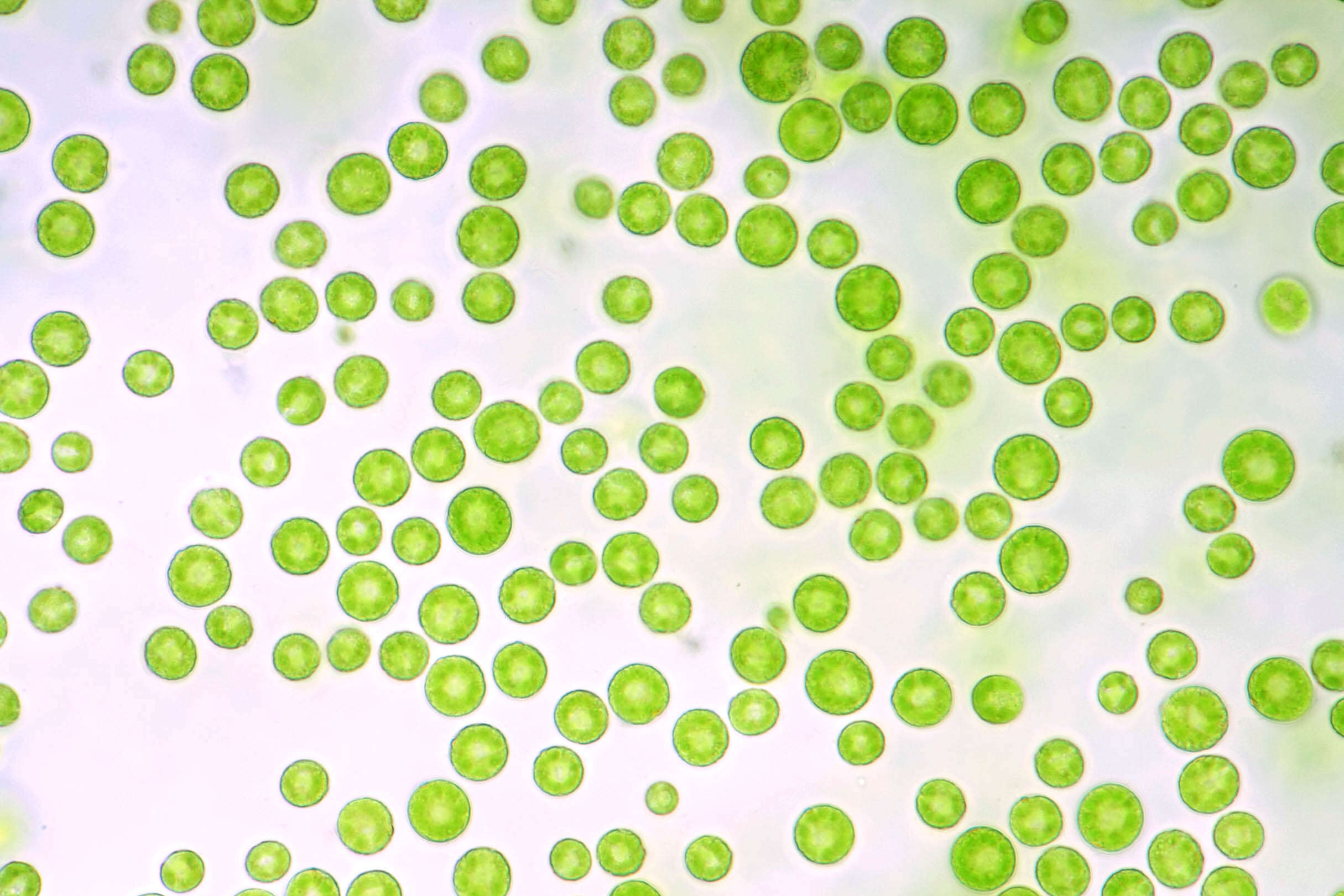
Chlamydomonas reinhardtii
species of algae
artificial photosynthesis
process of photosynthesis
steam reforming
method for producing hydrogen, carbon monoxide, or other useful products from hydrocarbon fuels
Hofmann voltameter
Apparatus for electrolysing water

biohydrogen
thumb|Microbial hydrogen production.
Biohydrogen is H2 that is produced biologically. Interest is high in this technology because H2 is a clean fuel and can be readily produced from certain kinds of biomass, including biological waste. Furthermore some photosynthetic microorganisms are capable of producing H2 directly from water splitting using light as energy source.
energy carrier
substance (fuel) or sometimes a phenomenon (energy system) that contains energy that can be later converted to other forms such as mechanical work or heat or to operate chemical or physical processes
water-gas shift reaction
chemical reaction
sulfur–iodine cycle
thermochemical process used to produce hydrogen
photoelectrochemical cell
sources of electricity or hydrogen via electrolysis
Biohydrogen reactor
technics
water splitting
chemical reaction in which water is broken down into oxygen and hydrogen
high-temperature electrolysis
technique for producing hydrogen from water
electrochemical fluorination
method to prepare organofluorine compounds using electrolysis
zinc–zinc oxide cycle
Copper–chlorine cycle
thermochemical Cycle to produce Hydrogen from Water
electrochemical engineering
branch of engineering dealing with the technological applications of electrochemical phenomena
hybrid sulfur cycle
water-splitting process
Kværner-process
method of producing carbon black and hydrogen gas from hydrocarbons
Photohydrogen
In photochemistry, photohydrogen is hydrogen produced with the help of artificial or natural light. This is how the leaf of a tree splits water molecules into protons (hydrogen ions), electrons (to make carbohydrates) and oxygen (released into the air as a waste product). Photohydrogen may also be produced by the photodissociation of water by ultraviolet light.
Polymer electrolyte membrane electrolysis
Polymer electrolyte membrane electrolysis
Partial oxidation
chemical reaction
Schikorr reaction
transformation of Fe(OH)2 into Fe3O4 with hydrogen release
iron oxide cycle
photoelectrolysis
Electrolysis facilitated by light
hybrid power
combinations between different technologies to generate electric power
Electrohydrogenesis
Electrohydrogenesis or biocatalyzed electrolysis is the name given to a process for generating hydrogen gas from organic matter being decomposed by bacteria. This process uses a modified fuel cell to contain the organic matter and water. A small amount, 0.2–0.8 V of electricity is used, the original article reports an overall energy efficiency of 288% can be achieved (this is computed relative to the amount of electricity used, waste heat lowers the overall efficiency). This work was reported by Cheng and Logan.
dark fermentation
conversion of organic substrate to biohydrogen
unitized regenerative fuel cell
type of fuel cell
Microbial electrolysis cell
type of bioelectrochemical system