Category
page 1Hygiene

hygiene
thumb|right|Washing one's hands, a form of hygiene, is the most effective way to prevent the spread of infectious diseases.
Hygiene is a set of practices performed to preserve health.
According to the World Health Organization (WHO), "Hygiene refers to conditions and practices that help to maintain health and prevent the spread of diseases." Personal hygiene refers to maintaining the body's cleanliness. Hygiene activities can be grouped into the following: home and everyday hygiene, personal hygiene, medical hygiene, sleep hygiene, and food hygiene. Home and every day hygiene includes hand was

diaper
right|thumb|Different kinds of outer diapers.
thumb|Diapers on a shelf.
A diaper (, North American English) or a nappy (British English, Australian English, Hiberno-English) is a type of underwear that allows the wearer to urinate or defecate without using a toilet, by absorbing or containing waste products to prevent soiling of outer clothing or the external environment. When diapers become wet or soiled, they require changing, generally by a second person such as a parent or caregiver. Failure to change a diaper on a sufficiently regular basis can result in skin problems around the area cove

toilet paper
tissue paper for cleaning after urination or defecation

hand washing
act of cleaning one's hands

shower
thumb|upright|A typical stall shower with height-adjustable nozzle and folding doors
thumb|upright|A combination shower and bathtub, with movable screen

sterilization
process that eliminates or kills all biological agents on an object or in a volume

sanitation
thumb|upright=1.6|The sanitation system: collection, transport, treatment, and disposal or Reuse of excreta|reuse

bidet
thumb|A modern bidet that resembles a traditional washbasin type
thumb|Woman on a Bidet, by Louis-Léopold Boilly, 1790
thumb|bidet horse, early 1900s
A bidet (, ) is a bowl or receptacle designed to be sat upon in order to wash a person's genitalia, perineum, inner buttocks, and anus.

disinfectant
thumb|Disinfection of a floor using disinfectant liquid applied using a mop.
thumb|Levels of resistance of microbes to disinfectants.

World Toilet Day
United Nations day on 19 November to tackle the sanitation crisis

cleanliness
Cleanliness is both the state of being clean and free from germs, dirt, trash, or waste, and the habit of achieving and maintaining that state. Cleanliness is often achieved through cleaning.
straight razor
knife used to remove body hair
Global Handwashing Day
campaign to motivate and mobilize people around the world to improve their handwashing habits
incidence
measure of the probability of occurrence of a given medical condition in a population within a specified period of time
oral hygiene
the practice of keeping one's oral cavity clean and free of disease and other problems (e.g. bad breath) by regular brushing of the teeth (dental hygiene) and adopting good hygiene habits
child mortality
death rate of infants and young children
Menstrual Hygiene Day
annual awareness day to highlight the importance of good menstrual hygiene management

dishwashing
thumb|upright|Handwashing dishes in Germany, 1951
nasal irrigation
personal hygiene practice for rinsing out nasal passages.

washing
right|thumb|A woman washes her hands with soap and water.
Washing is a method of cleaning, usually with water and soap or detergent. Regularly washing and then rinsing both body and clothing is an essential part of good hygiene and health.
Rexona
Rexona is an Australian deodorant and antiperspirant brand owned by the British consumer goods company Unilever.
decontamination
Decontamination (sometimes abbreviated as decon, dcon, or decontam) is the process of removing contaminants on an object or area, including chemicals, micro-organisms, and/or radioactive substances. This may be achieved by chemical reaction, disinfection, and/or physical removal. It refers to specific action taken to reduce the hazard posed by such contaminants, as opposed to general cleaning.

dirt
thumb|The great dust heap of London at Battle Bridge in 1836, next to the Smallpox Hospital
thumb|right|Dirty Dicks is a Bishopsgate pub named after [[Dirty Dick, who once owned it and was notoriously filthy.]]
thumb|Dirt-covered sidewalk in Brooklyn, NYC being swept during a community Clean-up (environment)|clean-up
Dirt is any matter considered unclean, especially when in contact with a person's clothes, skin, or possessions. In such cases, they are said to become dirty.
Common types of dirt include:
Debris: scattered pieces of waste or remains
Dust: a general powder of organic or mineral
social grooming
behavior in social animals

douche
A douche is a device used to introduce a stream of water into the body for medical or hygienic reasons, or for the stream of water itself. Douche usually refers to vaginal irrigation, the rinsing of the vagina, but it can also refer to the rinsing of any body cavity. A douche bag is a piece of equipment for douching—a bag for holding the fluid used in douching. To avoid transferring intestinal bacteria to the vagina, the same bag must not be used for both an enema and a vaginal douche.
sleep hygiene
set of practices around healthy sleeping
.jpg)
fomite
thumb|right|Detecting whether medics have inadvertently transferred fluids to their clothing during a training sequence using simulated bodily fluids carrying an ultraviolet dye
A fomite () or fomes () is any inanimate object that, when contaminated with or exposed to infectious agents (such as pathogenic bacteria, viruses or fungi), can transfer disease to a new host.
facial mask
used for cosmetic skin treatment
body odor
odor produced by a living animal
bidet shower
hand-held triggered nozzle that is placed near the toilet and delivers a spray of water used for anal cleansing and cleaning of the genitals after using the toilet for defecation and urination
body hygiene kit
article of luggage
grooming behavior
specific behavior of an organism relating to grooming, cleaning and brushing to remove dirt and parasites
foot odor
type of body odor that affects the feet of humans
hair washing
cosmetic act of keeping hair clean by washing it

licking
tyndallization
Tyndallization is a process from the nineteenth century for sterilizing substances, usually food, named after its inventor John Tyndall, that can be used to kill heat-resistant endospores. Although now considered dated, it is still occasionally used.
anal cleansing
hygienic practice that a person performs on the anal area of themselves after defecation

nose-blowing
alt=|thumb|A woman blowing her nose (expelling mucus) into a [[handkerchief]]
Nose-blowing is the act of expelling nasal mucus by exhaling forcefully through the nose. This is usually done into a facial tissue or handkerchief, facial tissues being more hygienic as they are disposed of after each use while handkerchiefs are softer and more environmentally-friendly.

toothcomb
thumb|The Lemuriformes|lemuriform toothcomb, viewed from the underside of the lower jaw

euthenics
Euthenics () is the study of the improvement of human functioning and well-being by the improvement of living conditions. "Improvement" is conducted by altering external factors such as education and the controllable environments, including environmentalism, education regarding employment, home economics, sanitation, and housing, as well as the prevention and removal of contagious disease and parasites.
finger bowl
vessel used to contain water for finger rinsing
ultraviolet germicidal irradiation
disinfection method that uses short-wavelength ultraviolet light to kill or inactivate microorganisms

menstrual hygiene management
access to feminine hygiene products and disposal of used products
hair care
hygiene and cosmetology involving human hair

nitpicking
thumb|right|220px|Photograph by Giorgio Sommer (1834–1914); Famille napolitaine — a Neapolitan mother searching for [[lice in her son's hair.]]
Neti
Nasal irrigation
Office international d'hygiène publique
international medical organization
Social hygiene movement
Public health movement
Āftābeh
thumb|upright=0.6|Plastic aftabeh
thumb|upright=0.6|Aftabeh from the Erivan Khanate in the Museum of the History of Azerbaijan
German Hygiene Museum
museum in Dresden
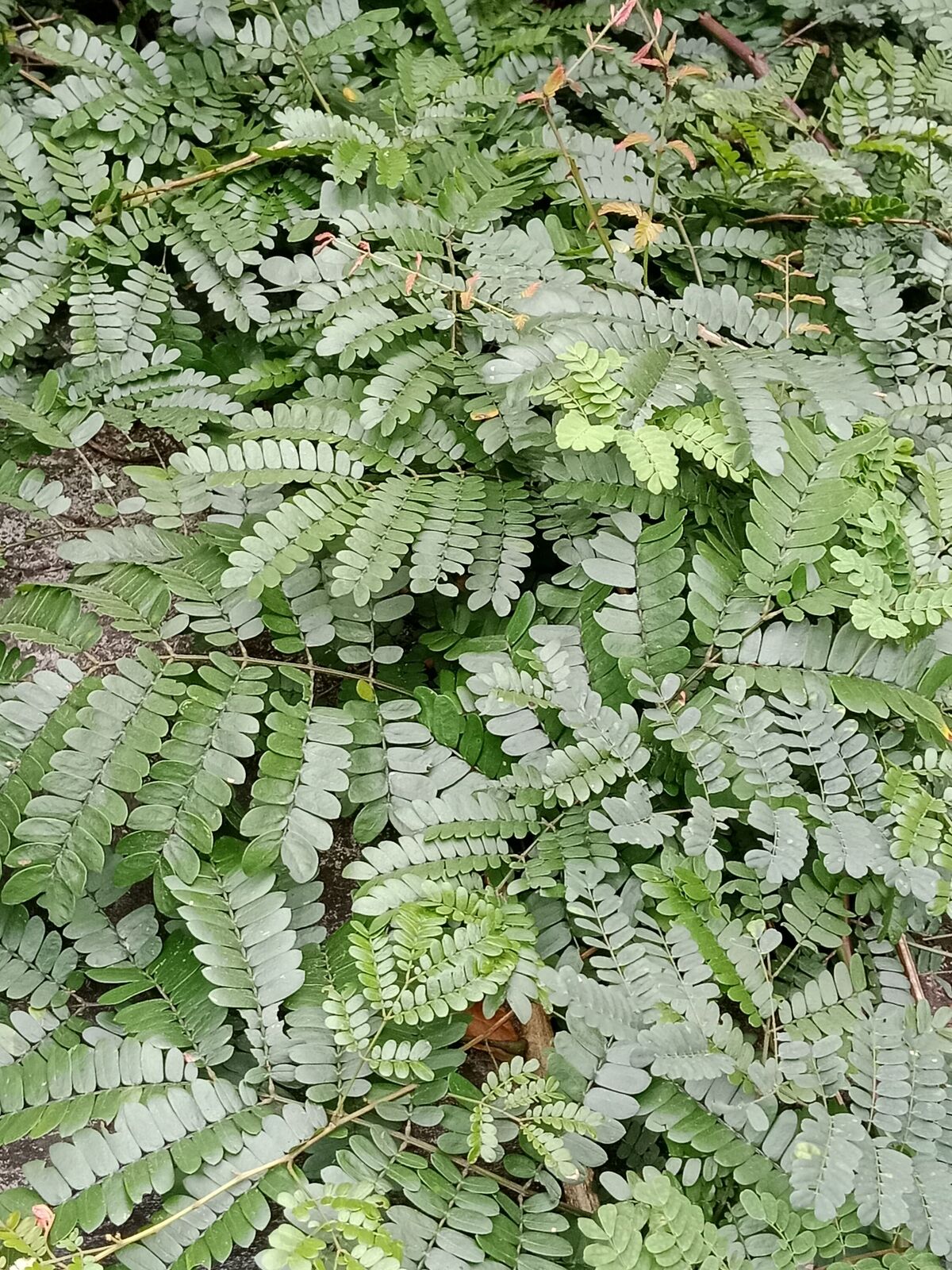
Senegalia rugata
species of plant
decontamination (human body)
process of cleansing the human body to remove contamination by hazardous materials including chemicals, radioactive substances, and infectious material
urinal deodorizer block
small disinfectant blocks that are added to urinals
International Hygiene Exhibition
event
WASH
WASH (or WatSan, WaSH; stemming from the first letters of "water, sanitation and hygiene") is a sector in development cooperation, or within local governments, that provides water, sanitation, and hygiene services to communities. The main purposes of providing access to WASH services are to achieve public health gains, implement the human right to water and sanitation, reduce the burden of collecting drinking water for women, and improve education and health outcomes at schools and healthcare facilities. Access to WASH services is an important component of water security. Universal, affordable
toilet rim block
block-shaped substance used in flush toilets which slowly dissolves in water
wound licking
licking an injury
face washing
personal hygiene practice
Sanitary paper
preening in birds
thumb|right|upright|When preening, a bird (such as this red lory) draws individual feathers through its beak, realigning and re-interlocking the .|alt=The head and back of a short-billed red parrot, which is chewing on the tip of a black and red feather
alt=Greater flamingo preening in Camargue, France|thumb|Greater flamingo preening in [[Camargue, France]]
Preening is a found in birds that involves the use of the beak to position feathers, interlock feather that have become separated, clean plumage, and keep ectoparasites in check. Feathers contribute significantly to a bird's insulation, wat