Category
page 1Hylocereeae
%20001.jpg)
Acanthocereus
Acanthocereus is a genus of cacti. Its species take the form of shrubs with arching or climbing stems up to several meters in height. The generic name is derived from the Greek word άκανθα (acantha), meaning spine, and the Latin word cereus, meaning candle. The genus is native to the mostly tropical Americas from Texas and the southern tip of Florida to the northern part of South America (Colombia and Venezuela), including islands of the Caribbean.

Weberocereus
Weberocereus is genus of cacti. It produces a green and white flower and is found mainly in Costa Rica and Nicaragua.
==Description==
The species of the genus Weberocereus grows climbing or hanging, epiphytic or lithophytic. Their shoots, which are round in cross-section, are angular or flattened. The 2 to 5 ribs have lobed or toothed margins on which are small, sparsely spined areoles. The spines are short and bristly or sometimes absent at all.
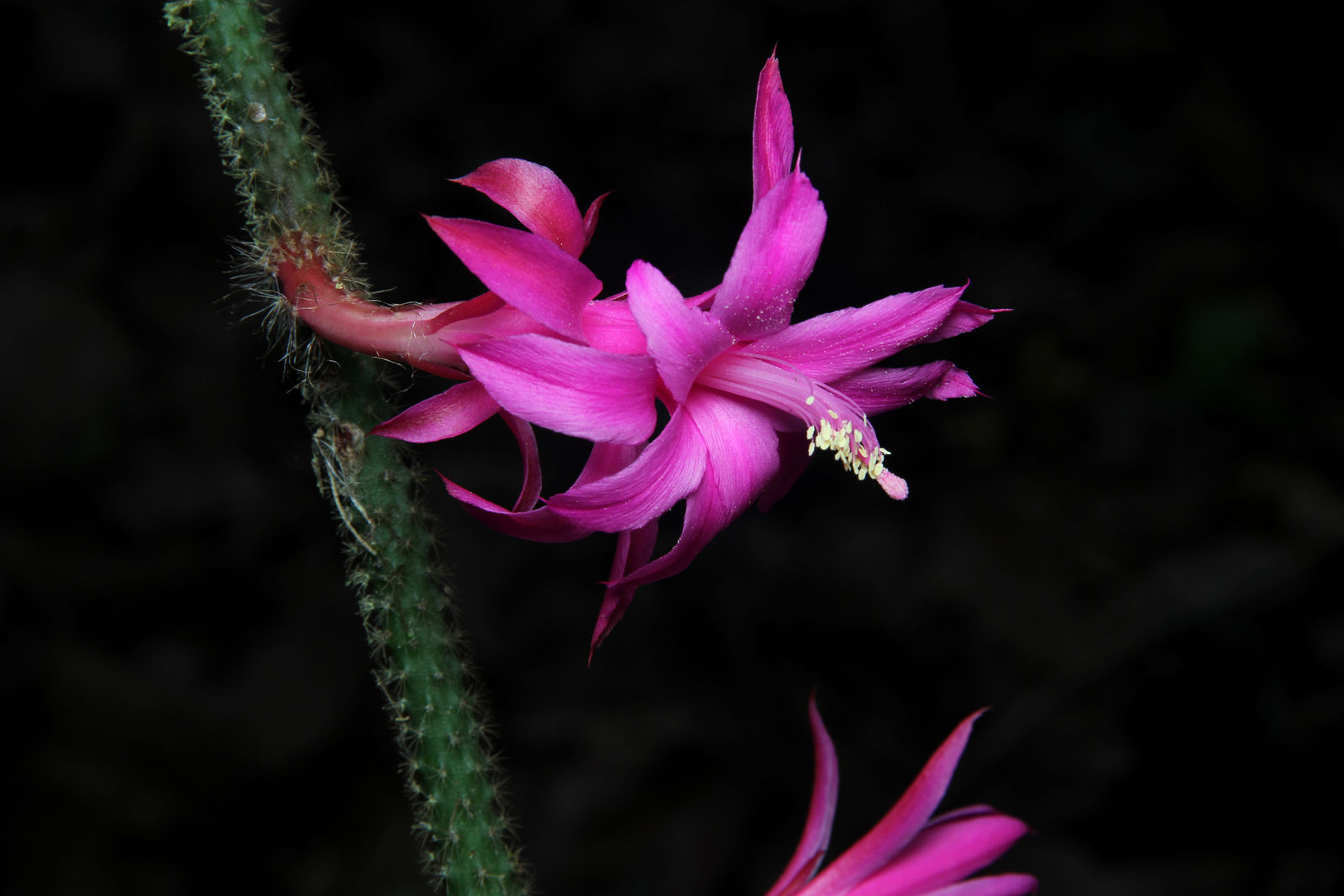
Aporocactus flagelliformis
species of plant

Acanthocereus tetragonus
species of plant
Hylocereeae
The Hylocereeae are a tribe of cacti. Most are found in the tropical forests of Central and northern South America, and are climbers or epiphytes, unlike most cacti. The tribe includes between six and eight genera in different circumscriptions. The plants known as "epiphyllum hybrids" or "epiphyllums", widely grown for their flowers, are hybrids of species within this tribe, particularly Disocactus, Pseudorhipsalis and Selenicereus, less often Epiphyllum, in spite of the common name.

Aporocactus martianus
species of plant
Acanthocereus tepalcatepecanus
species of cactus

Kimnachia ramulosa
Kimnachia is a monotypic genus of cacti. Its only species is Kimnachia ramulosa, synonym Pseudorhipsalis ramulosa, which is native from southern Mexico to northern South America and also found in Jamaica.
Aporocactus
Aporocactus is a genus of cacti in the tribe Hylocereeae native to Mexico. It used to be classified as a subgenus in Disocactus, but according to molecular evidence, it should be excluded from Disocactus and treated as a separate genus.