Category
page 2Hymenoptera genera
Omphale
genus of insects
Tetramesa
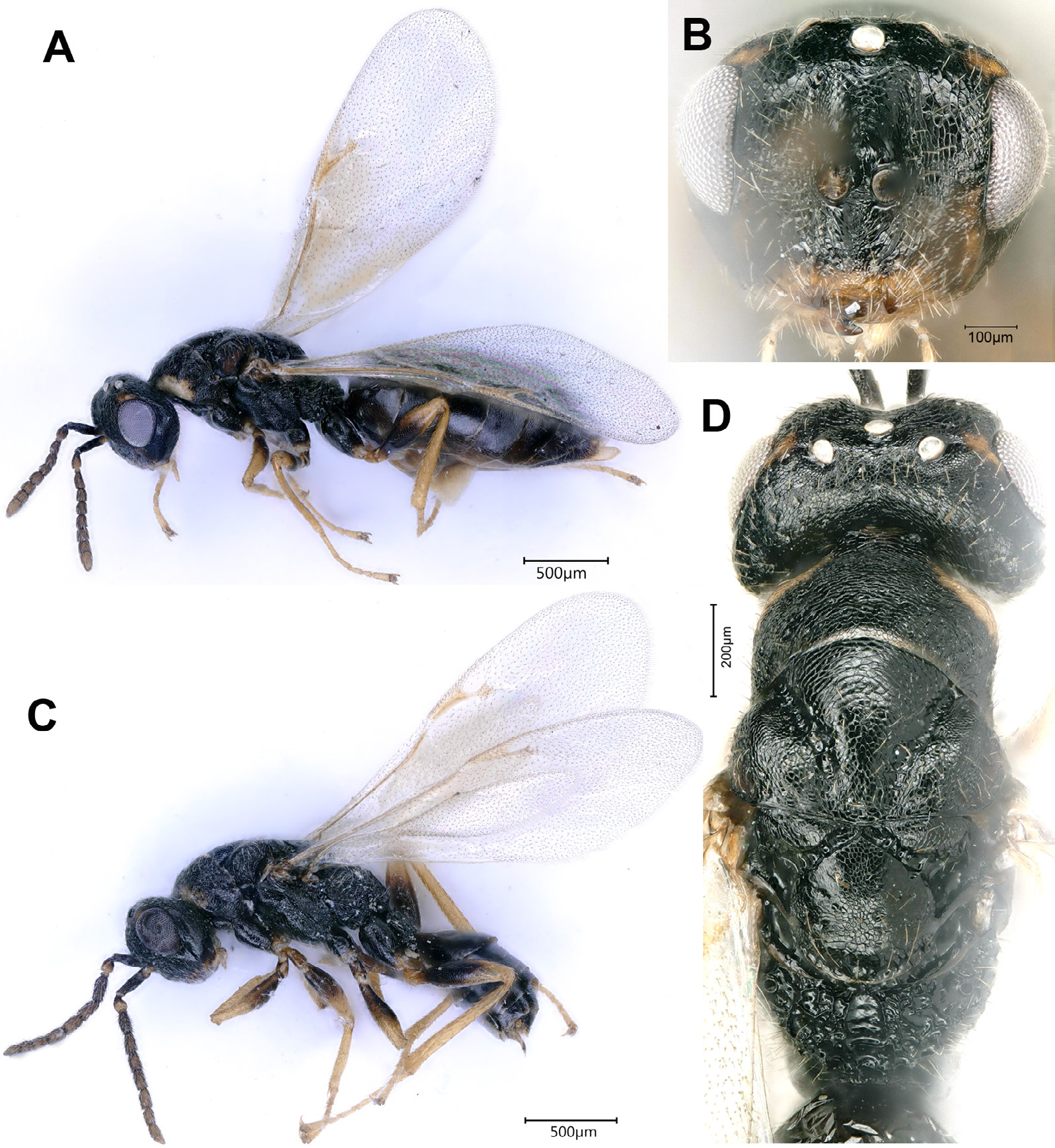
thumb | right | Figure 1.
Tetramesa amica Lotfalizadeh, sp. nov. A female habitus in lateral view B head of female in frontal view C female antenna D male antenna.
Tetramesa is a genus of phytophagous wasps. The genus has over 200 described species , and recently the genera Aiolomorphus and Cathilaria have also been synonymized within Tetramesa in light of phylogenomic evidence. They are generally species-specific gall inducers and can be used as biological control for invasive grasses. Adults feed on nectar.

Auplopus
Auplopus is a large genus of spider wasps belonging to the subfamily Pepsinae of the spider wasp family Pompilidae, distributed throughout the world except for Antarctica. Auplopus wasps amputate the legs of their spider prey before transporting it to the nest.
Megaphragma
Megaphragma is a genus of wasp in the family Trichogrammatidae. It contains some of the smallest known insects, Megaphragma caribea (170 μm) and Megaphragma mymaripenne (200 μm), which are roughly the same size as some unicellular protozoans.

Scelio
Scelio is a large genus (at least 240 and possibly 500 species), the largest within the family Scelionidae, of parasitic wasp whose known target host include the eggs of grasshoppers (Acrididae, Orthoptera). They are found worldwide and some species have been implemented as biological control agents.

Stenodynerus
Stenodynerus is a rather large genus of potter wasps whose distribution spans the Nearctic, Palearctic, Oriental and Neotropical regions. Most of its species lack a transverse carina on the first metasomal tergum. A pair of medial pits on the anterior face of the pronotum and the expansion of the tegulae put this genus close to genera as Parancistrocerus, Hypancistrocerus and Eustenancistrocerus.

Aphanogmus
Aphanogmus is a genus of wasps in the family Ceraphronidae that was erected by Carl Gustaf Thomson in 1858. Belgian entomologist Paul Dessart worked on the genus in the 1970's.
They are primarily parasitoids of Ichneumonoidea and Cecidomyiidae, although one is a known parasite of Ochrotrichia moselyi, a caddisfly.
Aradophagus
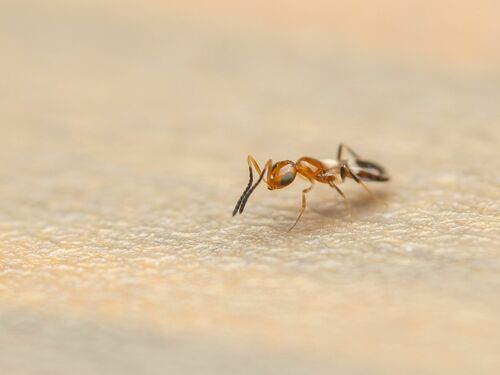
Aradophagus is a genus of wasps belonging to the family Platygastridae.
Calliscelio
Calliscelio is a parasitoid wasp genus in the family Scelionidae with currently 97 described species worldwide.

Chalcedectus
Chalcedectus is a genus of chalcid wasps, previously classified as part of the subfamily Cleonyminae, in the polyphyletic family Pteromalidae. It is the only genus in the monotypic family Chalcedectidae. Most species are parasitoids of wood-boring beetles.
Anagrus
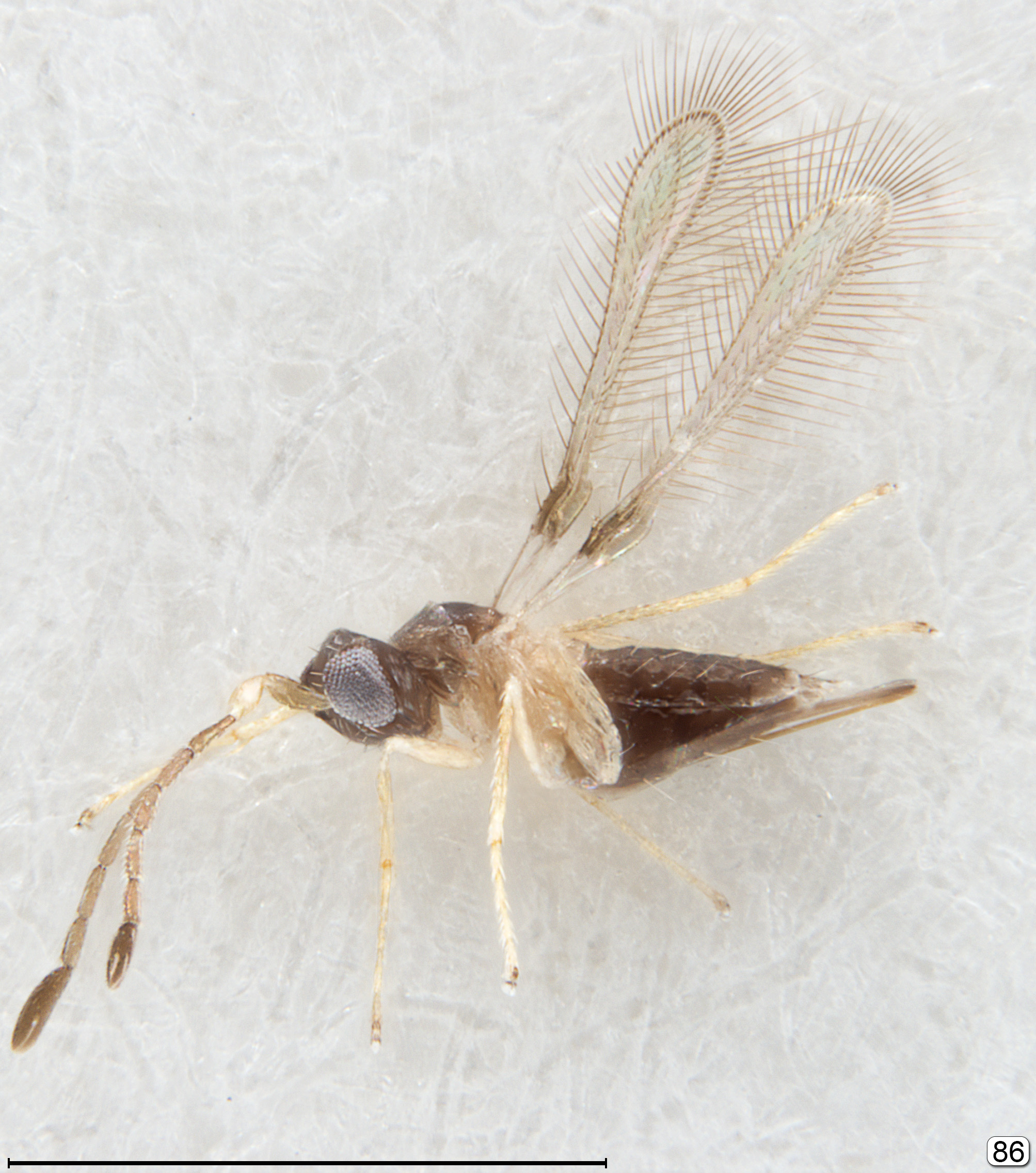
Anagrus is a genus of fairyflies, in the family Mymaridae, comprising over 90 species, a number of which are employed as biocontrol agents. They come in a wide array of colors such as, brown, orange, black and pale. For classificatory purposes, the genus is divided into three subgenera Anagrella, Anagrus and Paranagrus. The adults lay eggs on the host, mainly Hemiptera, with a few using Odonata as hosts.

Tetrastichus
Tetrastichus is a genus of hymenopteran insects of the family Eulophidae.

Symmorphus
Symmorphus is a primarily holarctic genus of potter wasps. It is within the family Vespidae.

Quadrastichus
Quadrastichus is a genus of hymenopteran insects of the family Eulophidae.
Diastrophus
thumb|Diastrophus nebulosus larvae in gall
Diastrophus is a genus of gall wasps in the family Cynipidae. There are at least 23 described species in Diastrophus.
Rileya
Rileya is a genus of parasitoid wasp in the family Eurytomidae. There are 27 species currently assigned to the genus.

Ferreola
genus of insects

Pnigalio
Pnigalio is a genus of hymenopteran insects of the family Eulophidae. Nearly 100 species have been described of which about half may be valid. All species are parasites of other insects. Their biology varies widely among those species that have been studied. Some are ectoparasites, others parasitoid, and still others are hyperparasitoids and their hosts include beetles, flies, hymenopteran and lepidopterans.
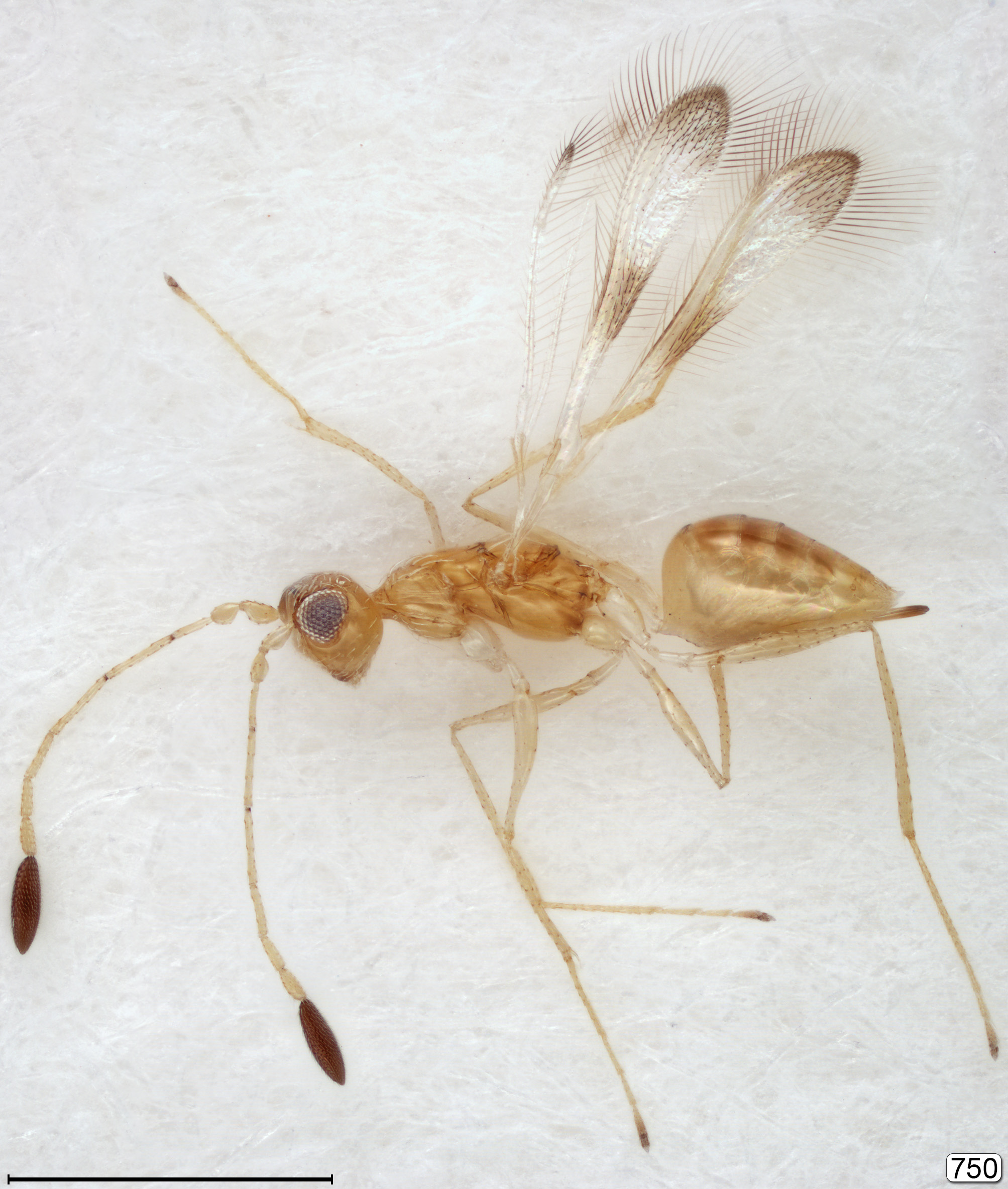
Palaeoneura
Palaeoneura is a genus of wasps belonging to the family Mymaridae.

Aprostocetus
Aprostocetus is a genus of hymenopteran insects of the family Eulophidae. The genus was erected by John O. Westwood in 1833. This very large group (about 800 described species) of parasitoid wasps has a global distribution.
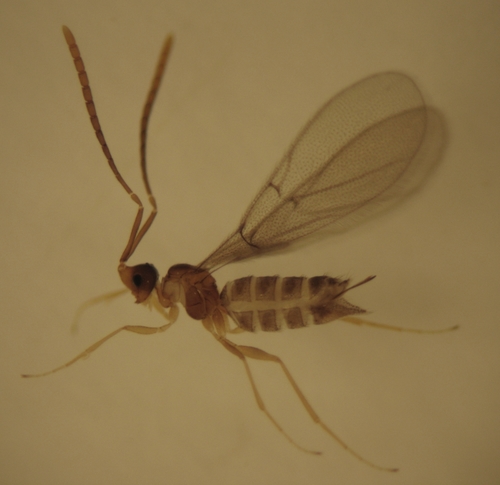
Maaminga
left|thumb|Maaminga rangi
Maaminga is a genus of parasitic wasps containing two species and constituting the family Maamingidae. So far only known from New Zealand, the two named species are Maaminga marrisi and M. rangi. The genus (and family) name derives from the Māori word "māminga", simply translated as "trickster" as the species evaded discovery for so long.
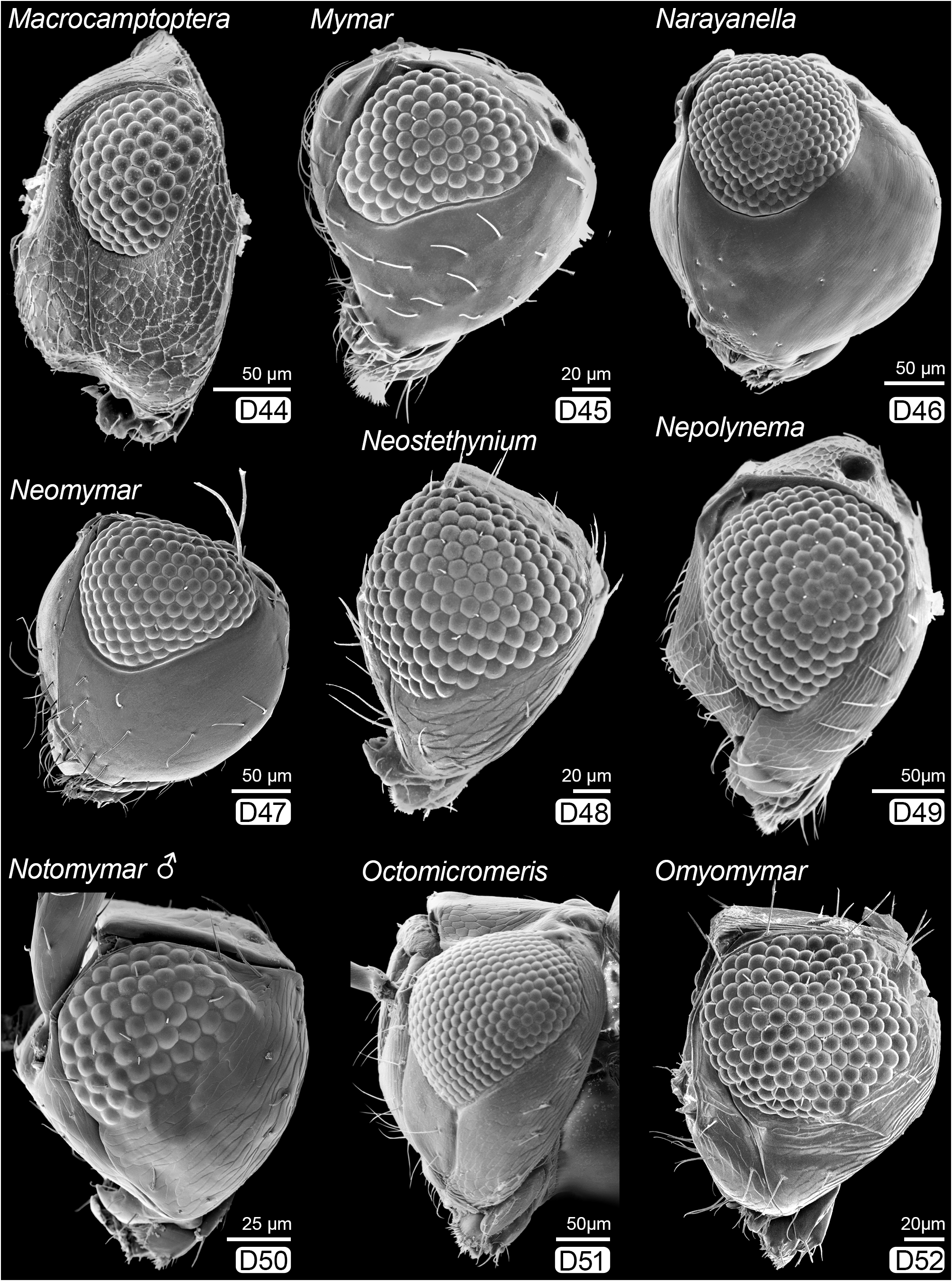
Mymar
Mymar is a genus of fairyflies in the family Mymaridae. There are about 10 described species in Mymar.
Baeus
right|thumb|226px|Baeus sp. from Oklahoma, USA.
Solenura
Solenura is a genus of parasitic chalcidoid wasps with species found around the world. Males and females are dimorphic with females having a long ovipositor used for inserting the eggs into beetle larvae boring inside dead wood. Males are very rarely seen. It was sometimes placed within the family Pteromalidae and is now placed within the family Lyciscidae although it is found to be closely related to the genera Heydenia, Ditropinotella and Grooca.
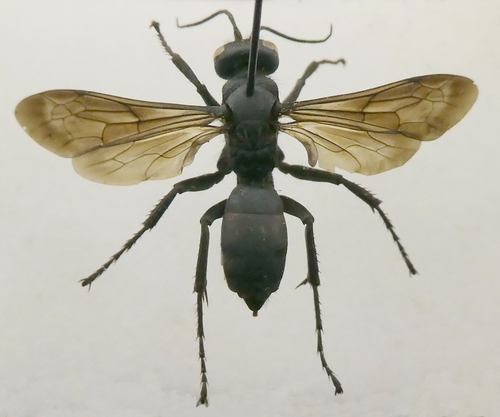
Arachnospila
Arachnospila is a predominantly Holarctic genus of spider wasps, with limited representation in montane habitats
in Neotropical and Afrotropical regions. They are found in open habitats and at forest edges. Their nests may contain more than one cell.

Allodynerus
Allodynerus is a genus of potter wasps. It is found in the Palearctic and the Afrotropics.
Zethus
genus of insects
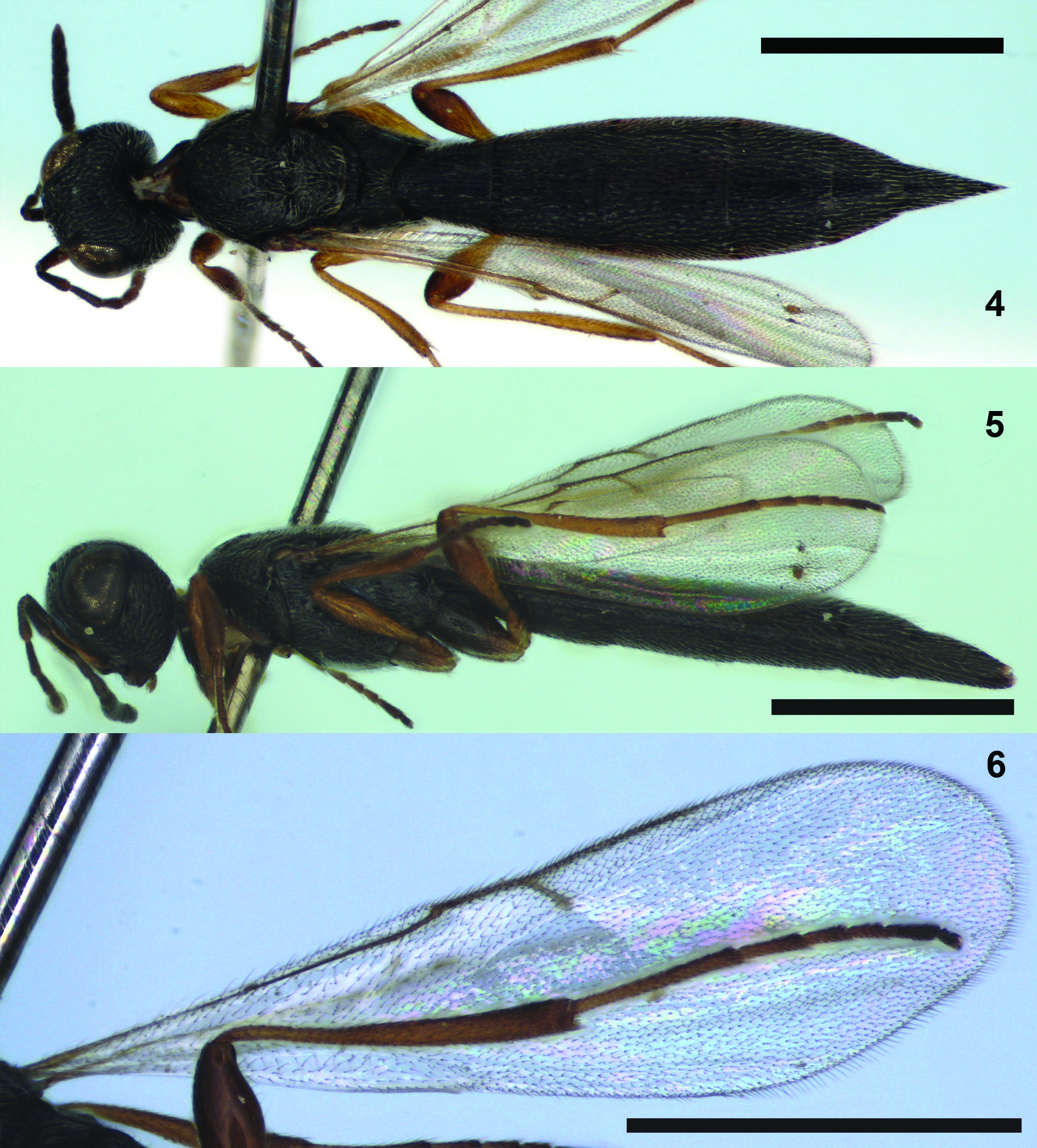
Macroteleia
Macroteleia is a genus of parasitoid wasps in the family Platygastridae. There are more than 140 described species in Macroteleia.
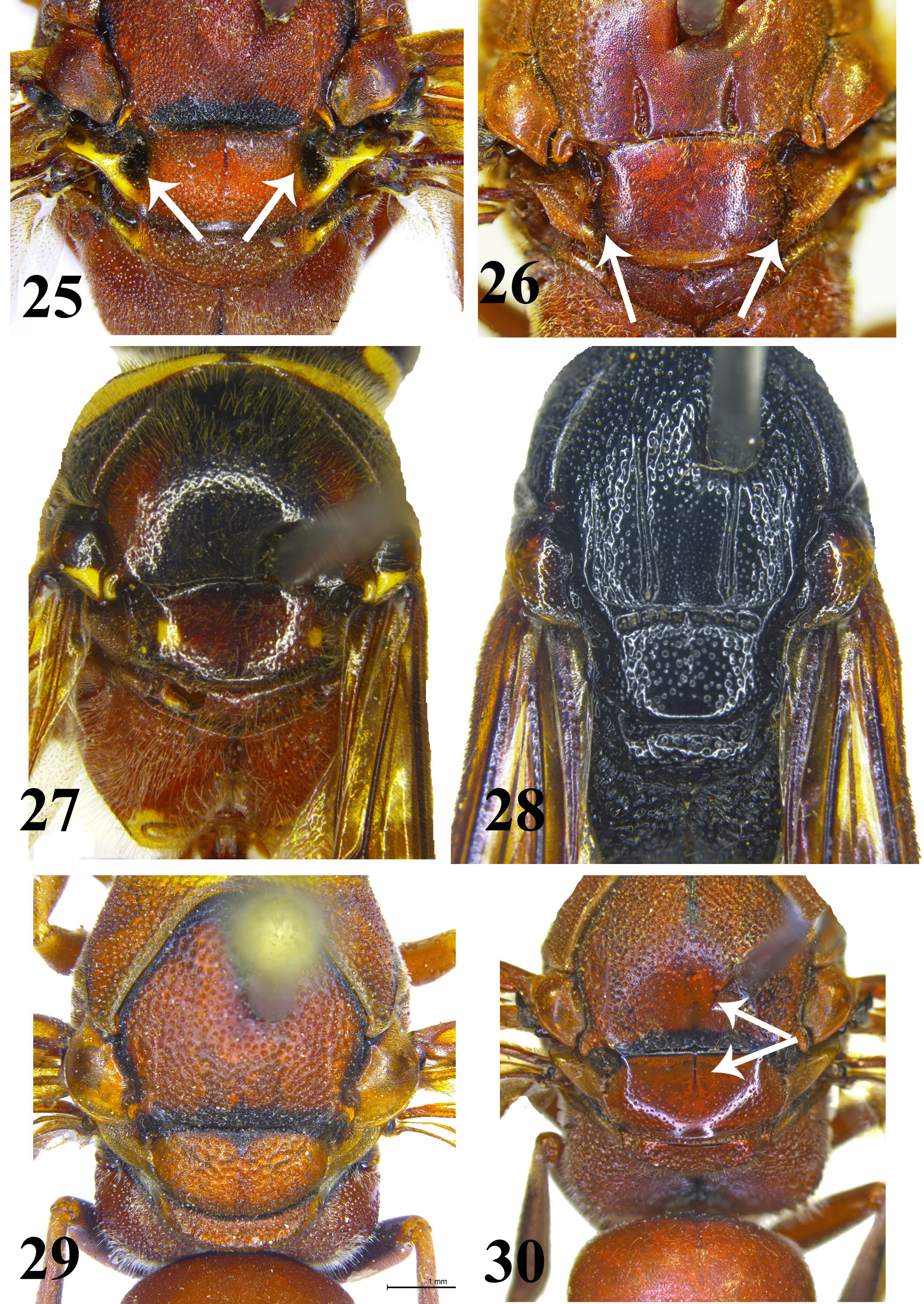
Discoelius
Discoelius is a palearctic genus of potter wasps with seven currently known species. It contains the following species:
Tetrapus
Tetrapus is a genus of fig wasp native to the Americas. Fig wasps have an obligate mutualism with the fig species they pollinate. Tetrapus pollinates figs in the subgenus Pharmacosycea.
Schilleriella
genus of insects
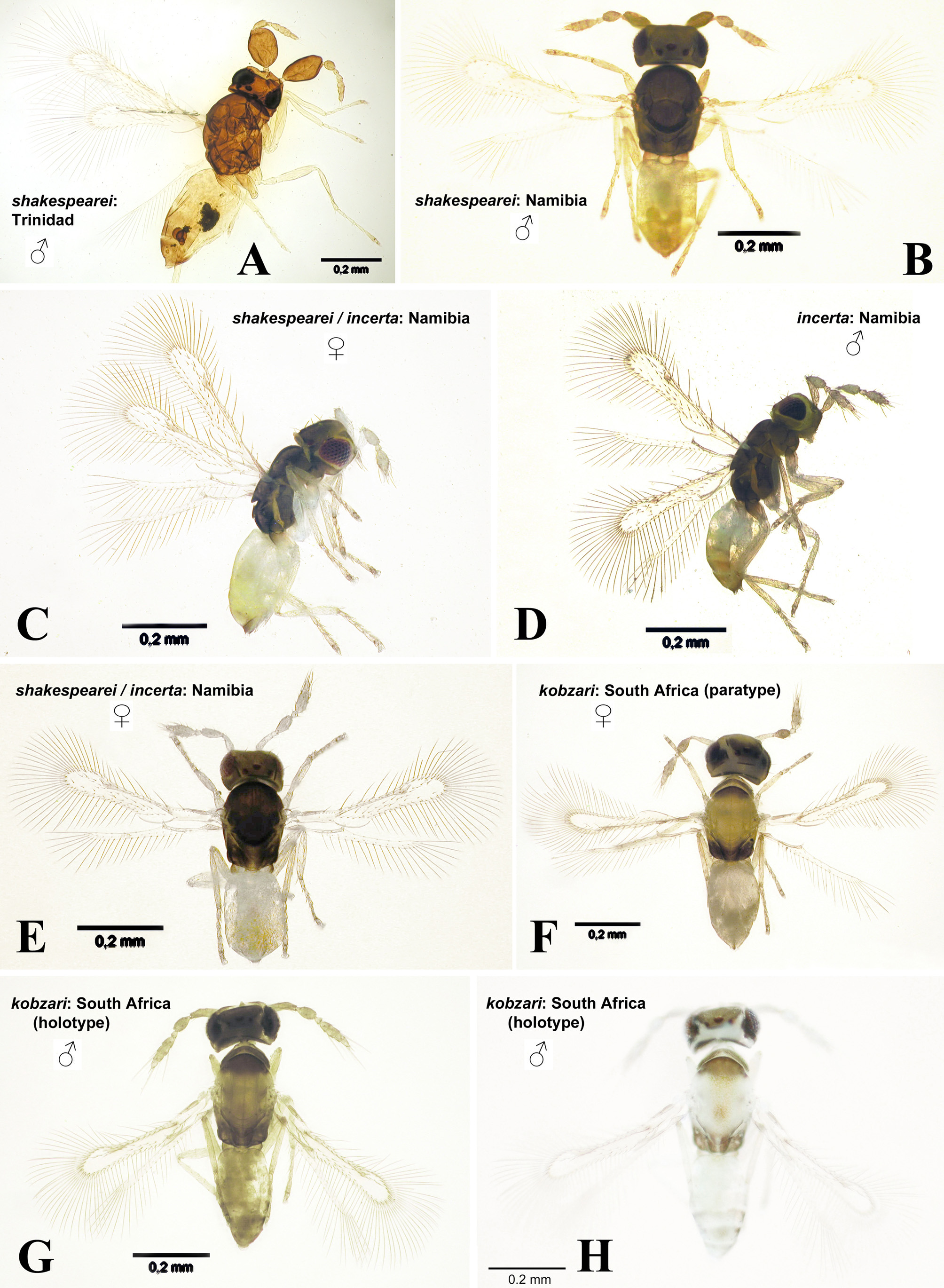
Goetheana
Goetheana is a genus of hymenopteran insects of the family Eulophidae. As a parasitoid of thrips, this wasp is used in biological pest control.

Diodontus
Diodontus is a genus of wasp belonging to the family Pemphredonidae. The species of this genus are found in Europe, Africa and Northern America.

Euderus
Euderus is a genus of hymenopteran insects of the family Eulophidae.

Diglyphus
Diglyphus is a genus of hymenopteran insects of the family Eulophidae. It is a parasitoid of Agromyzidae larvae, and therefore sometimes used in biological pest control.
Sycophila
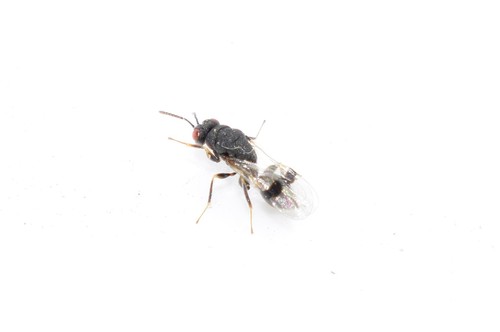
Sycophila is a genus of wasps in the family Eurytomidae. Species of the genus associate with figs and galls of various insects such as gall wasps and gall midges. It can be distinguished from other eurytomid genera by the elongate petiole, the gaster often being laterally compressed, and the forewing having a broadened marginal vein and dark brown maculae. Sycophila has a cosmopolitan distribution.
Chalcis
genus of insects
Passaloecus
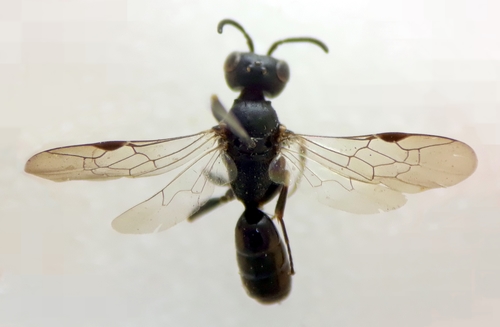
Passaloecus is a genus of wasps in the family Pemphredonidae. The 40 species are found in the Nearctic.
They are especially represented in the Palearctic.
Oodera
Oodera is the sole genus in the monotypic family Ooderidae. Almost all species are parasatoids of xylophagous beetles in the families Buprestidae and Curculionidae, however much of their biology is unknown. They are rarely collected especially by common methods used by Chalcidoidea specialists such as malaise traps, sweep nets, and pan traps. Species occur in the warm areas of the Palaeartic, Afrotropical, and Indomalayan regions. Only one species Oodera formosa has been introduced into the new world. Species are one of the most easily distinguished chacloids due to their distinctive morpholog
Theocolax
Theocolax is a parasitic wasp genus in the family Cerocephalidae.

Cheiloneurus
Cheiloneurus is a parasitic wasp genus in the family Encyrtidae.

Pediobius
Pediobius is a genus of hymenopteran insects of the chalcid wasp family Eulophidae. Like their relatives, the larvae of these diminutive wasps are parasitoids of various arthropods (mainly insects). Some Pediobius are used in biological pest control.

Chrysocharis
Chrysocharis is a genus of hymenopteran insects of the family Eulophidae. Species in this genus are parasitoids as larvae, with hosts of multiple species being Agromyzidae flies.

Aphelinoidea
Aphelinoidea is a genus of wasps belonging to the family Trichogrammatidae.
Melittobia
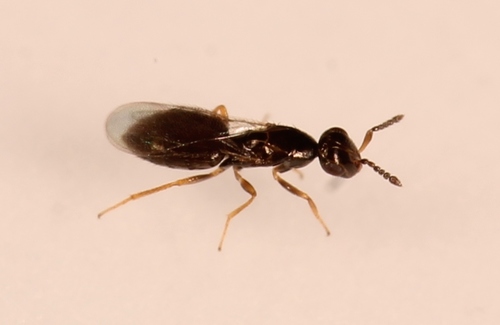
Melittobia is a genus of hymenopteran insects of the family Eulophidae.
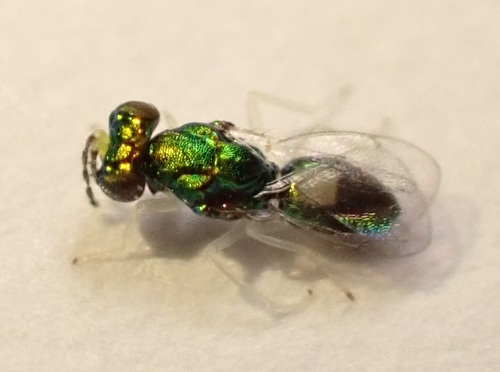
Achrysocharoides
Achrysocharoides is a genus of hymenopteran insects of the family Eulophidae.
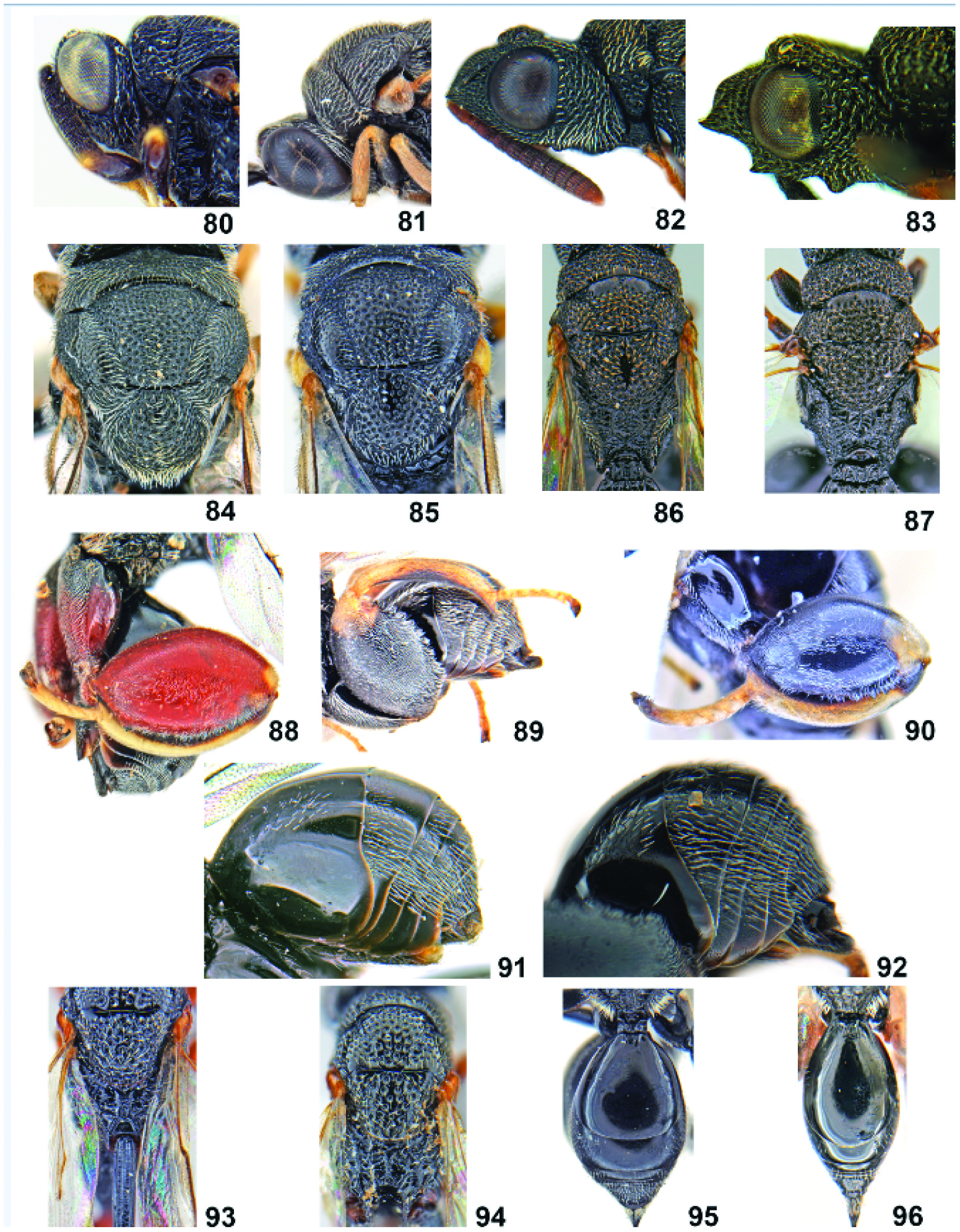
Epitranus
Epitranus is a genus of parasitoid wasps belonging to the family Chalcididae. This genus is the sole representative of the subfamily Epitraninae. Epitranus species are primarily distributed across tropical regions of the Old World, including Africa and Australia. Notably, the genus has also been recorded in the Nearctic and Indomalayan region, with Epitranus clavatus introduced there.
Gryon
genus of insects
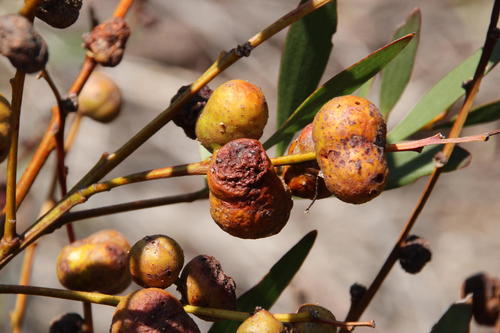
Trichilogaster
Trichilogaster is a small genus of chalcid wasps in the family Melanosomellidae, previously they were included in family Pteromalidae subfamily Ormocerinae. With one described exception, they all are Australian species that are gall-formers on Australian species of Acacia. The exception is an Arabian species. Apart from its ecological interest, the genus is of practical importance because some of its members are successful biocontrol agents in South Africa at least, where T. acaciaelongifoliae and T. signiventris have been established successfully to control invasive Australian Acacia species,

Entomognathus
Entomognathus is a genus of wasps belonging to the family Crabronidae.
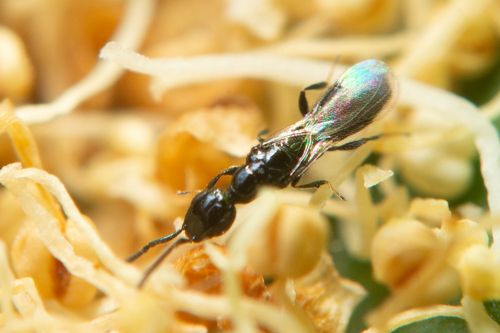
Spalangia
Spalangia is a genus of parasitoid wasp in the family Spalangiidae. Species include Spalangia cameroni and Spalangia endius.
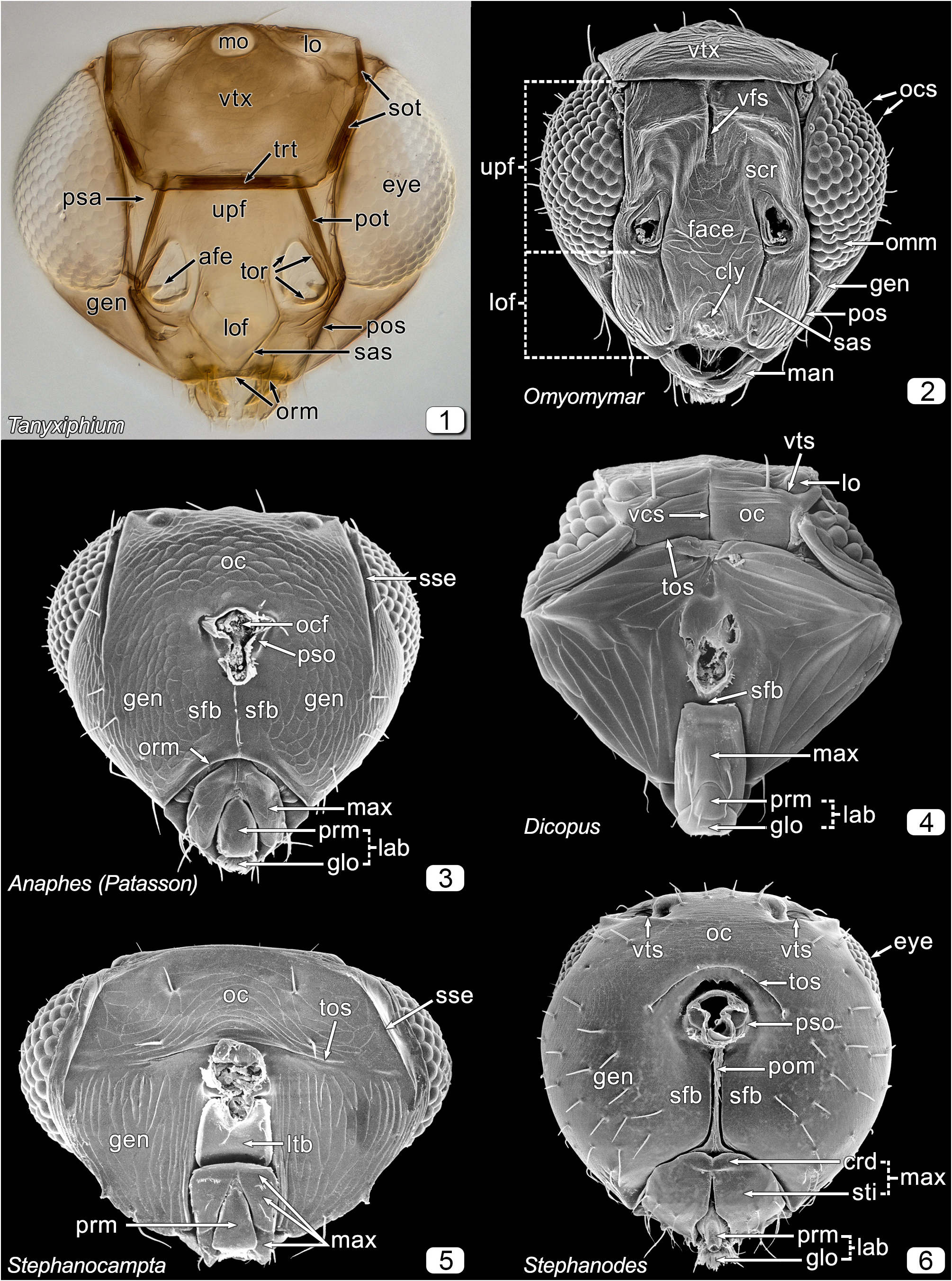
Acmopolynema
Acmopolynema is a genus of fairyflies within the family Mymaridae.
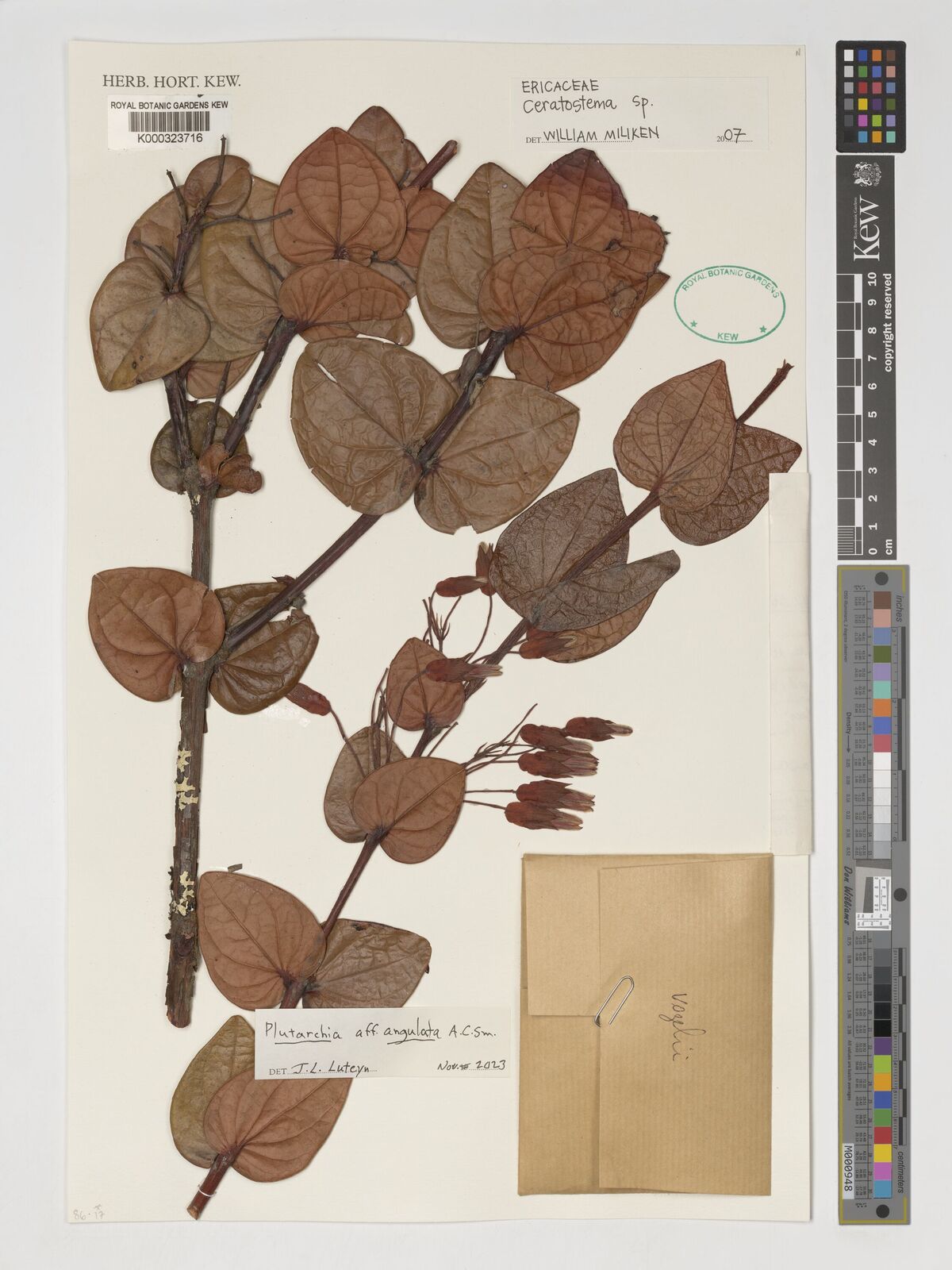
Plutarchia
genus of insects

Metaclisis
Metaclisis is a genus of parasitoid wasps in the family Platygastridae. There are at least 30 described species in Metaclisis.

Neuroterus
right|thumb|The galls of Neuroterus numismalis parthenogenetic generation on Quercus robur leaf

Oobius
Oobius is a parasitic non-stinging wasp genus in the family Encyrtidae.
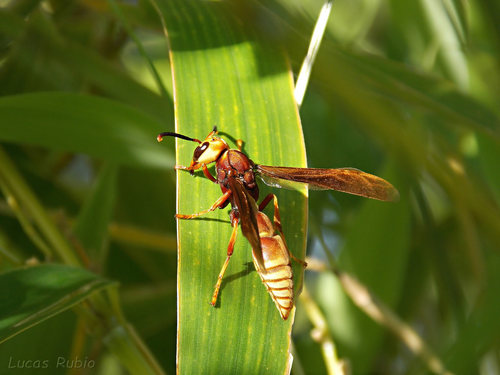
Montezumia
Montezumia is a primarily neotropical genus of eumenine wasps whose 48 species (Willink 1982) range from Argentina to the southwestern United States (Arizona). Most of the known species (38 of 52 species and subspecies; Willink 1982) are from South America. Unfortunately, the behaviour of Montezumia species has been described for only eight definitively identified species (ferruginea, dimidiata, cortesioides, vechti, pelagica, brethesi, platinia, and petiolata) (reviewed in Willink 1982).

Aporus
Aporus is a genus of spider wasps from the family Pompilidae, they specialise in hunting ground dwelling spiders in their burrows for laying eggs on.
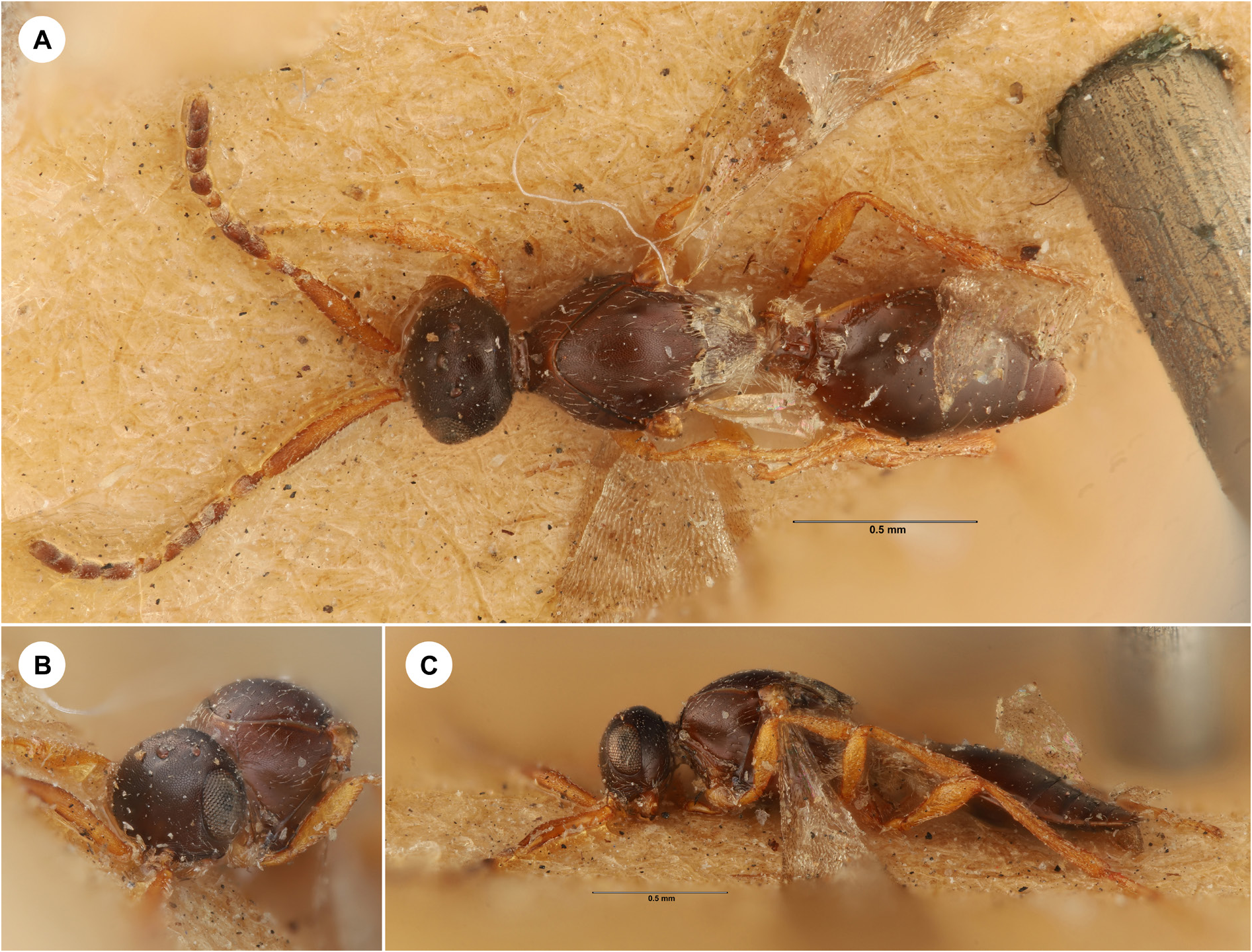
Amblyaspis
Amblyaspis is a genus of parasitoid wasps belonging to the family Platygastridae.

Parapolybia
Parapolybia is a genus of paper wasp of the Ropalidiini tribe in the sub-family Polistinae of the family Vespidae which contains thirteen species from Iran in the west to Melanesia in the east.