Category
page 1Hypocreaceae

Hypocreaceae
The Hypocreaceae are a family within the class Sordariomycetes. Species are recognisable by their brightly coloured perithecial ascomata, typically yellow, orange or red. The family was proposed by Giuseppe De Notaris in 1844. According to the Dictionary of the Fungi (10th edition, 2008), the family has 22 genera and 454 species. In 2020, it was re-analysed and determined to have only 17 genera and about 658 species.
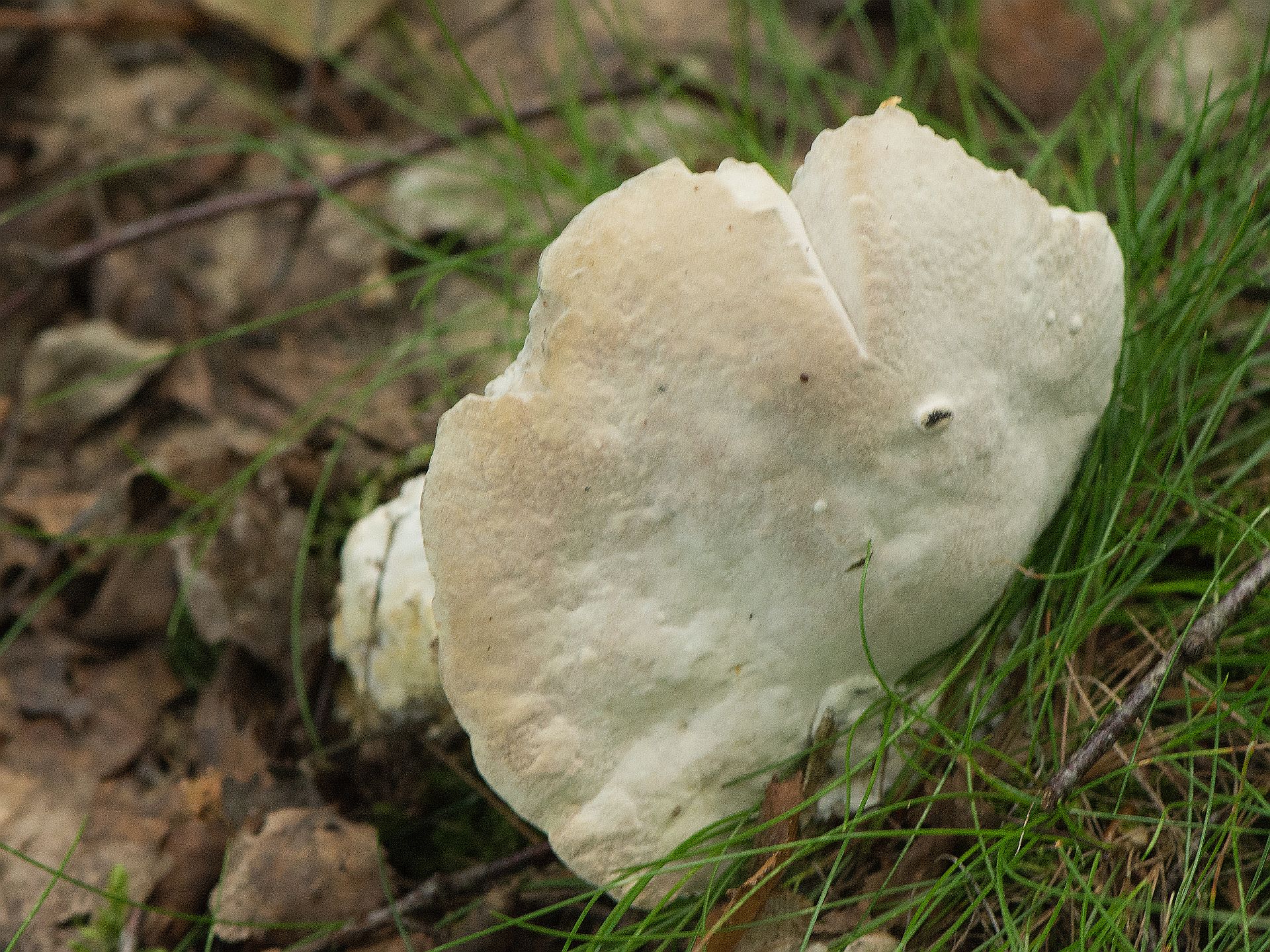
Hypomyces chrysospermus
species of fungus
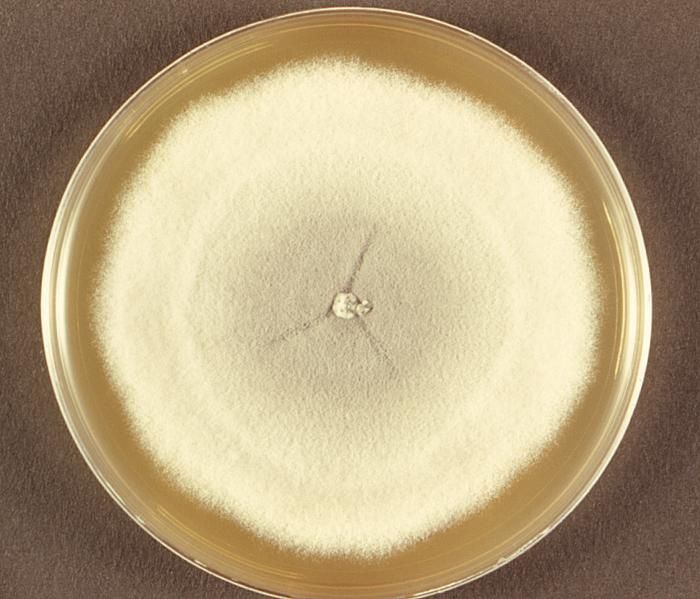
Acremonium
Acremonium is a genus of fungi in the family Hypocreaceae. It used to be known as Cephalosporium.

Hypomyces
Hypomyces is a genus of parasitic ascomycete fungi found in Europe, North America, Australia, and parts of China. The genus contains 53 species. Better known species include the lobster mushroom (Hypomyces lactifluorum) and the bolete eater (Hypomyces chrysospermus).
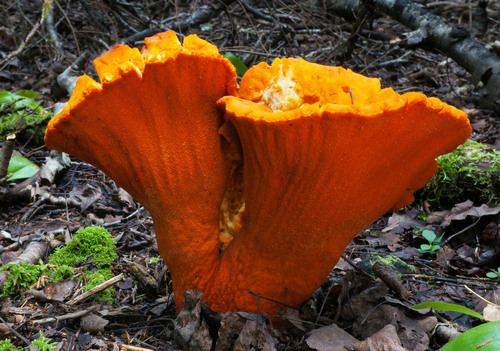
Hypomyces lactifluorum
species of fungus

Podostroma cornu-damae
species of fungus
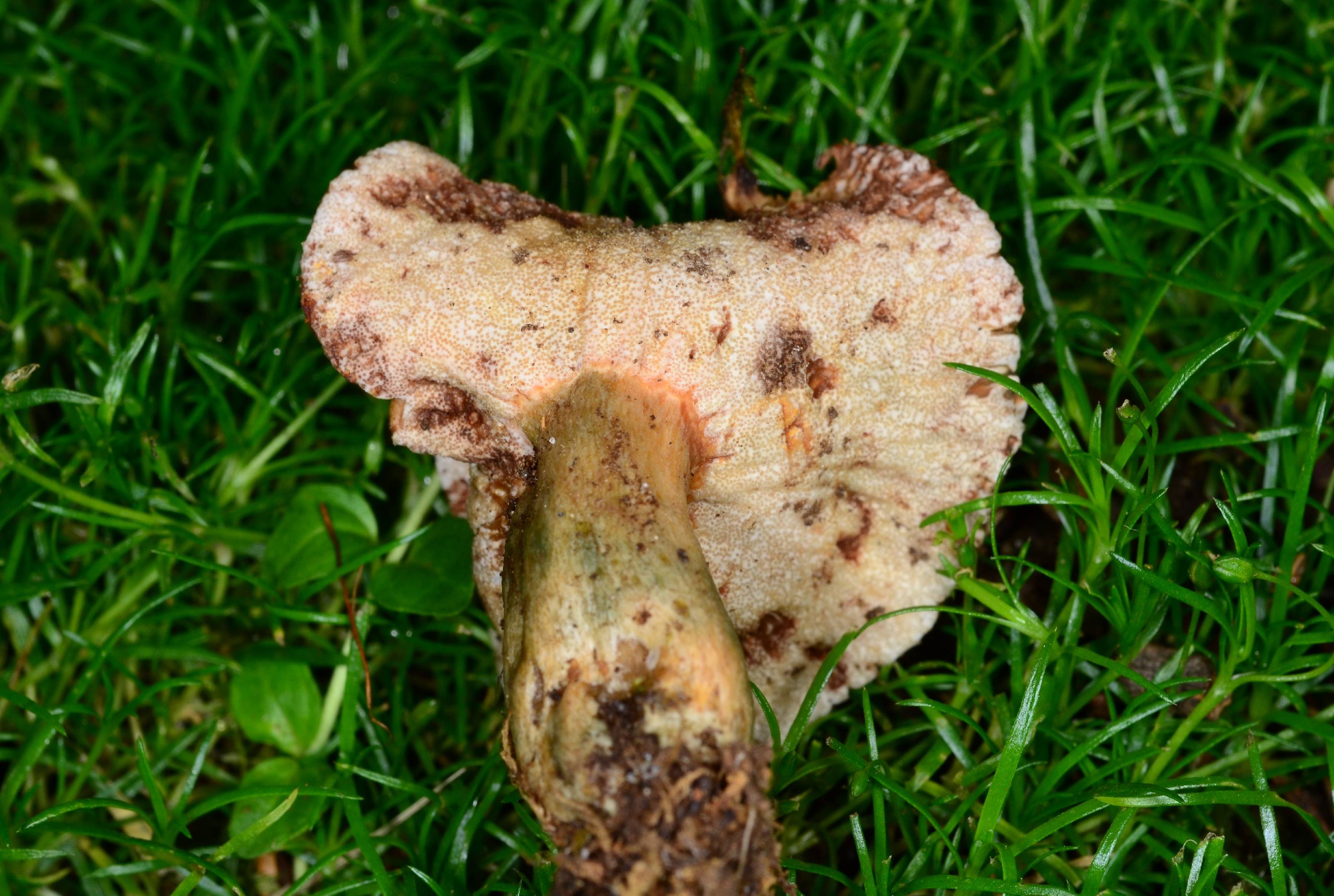
Hypomyces lateritius
species of fungus

Hypocreopsis lichenoides
species of fungus
Hypocrea
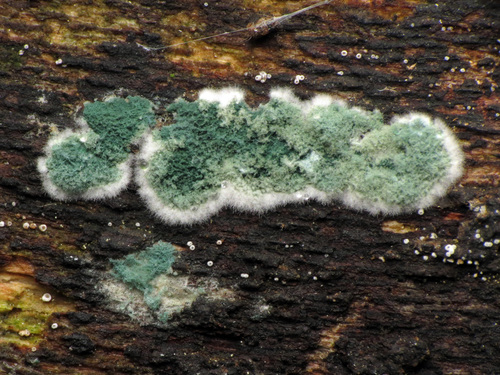
Hypocrea is a genus of fungi in the family Hypocreaceae. The widespread genus is estimated to contain 171 species that grow on rotten wood, and are often associated with other fungi. Anamorphic genera associated with Hypocrea include Acremonium, Gliocladium, Trichoderma, and Verticillium. Hypocrea was circumscribed by mycologist Elias Fries in 1825. Due to changes within the code of nomenclature, the genus Trichoderma has been proposed for conservation over its teleomorph Hypocrea. This means that all species with both a Hypocrea and Trichoderma name will be officially known by their Trichoder
Illosporiopsis christiansenii
species of fungus
Hypocreopsis
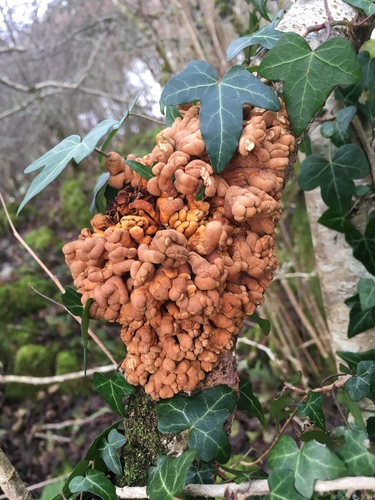
Hypocreopsis is a genus of ascomycete fungi that form ascomata on the stems of trees and shrubs. The ascomata are orange-brown and consist of radiating, perithecial lobes.

Hypocreopsis amplectens
species of fungus

Gliocladium
Gliocladium is an asexual fungal genus in the Hypocreaceae. Certain other species including Gliocladium virens were recently transferred to the genus Trichoderma and G. roseum became Clonostachys rosea f. rosea in the Bionectriaceae. Gliocladium is a mitosporic, filamentous fungus. Species of Gliocladium rarely produce a sexual state. Most pathogenic, disease-causing fungi in humans are mitosporic like Gliocladium. Gliocladium is filamentous; it grows tubular, elongated, and thread-like. It can be considered a contaminant.

Hypocreopsis rhododendri
species of fungus
Hypomyces hyalinus
species of fungus
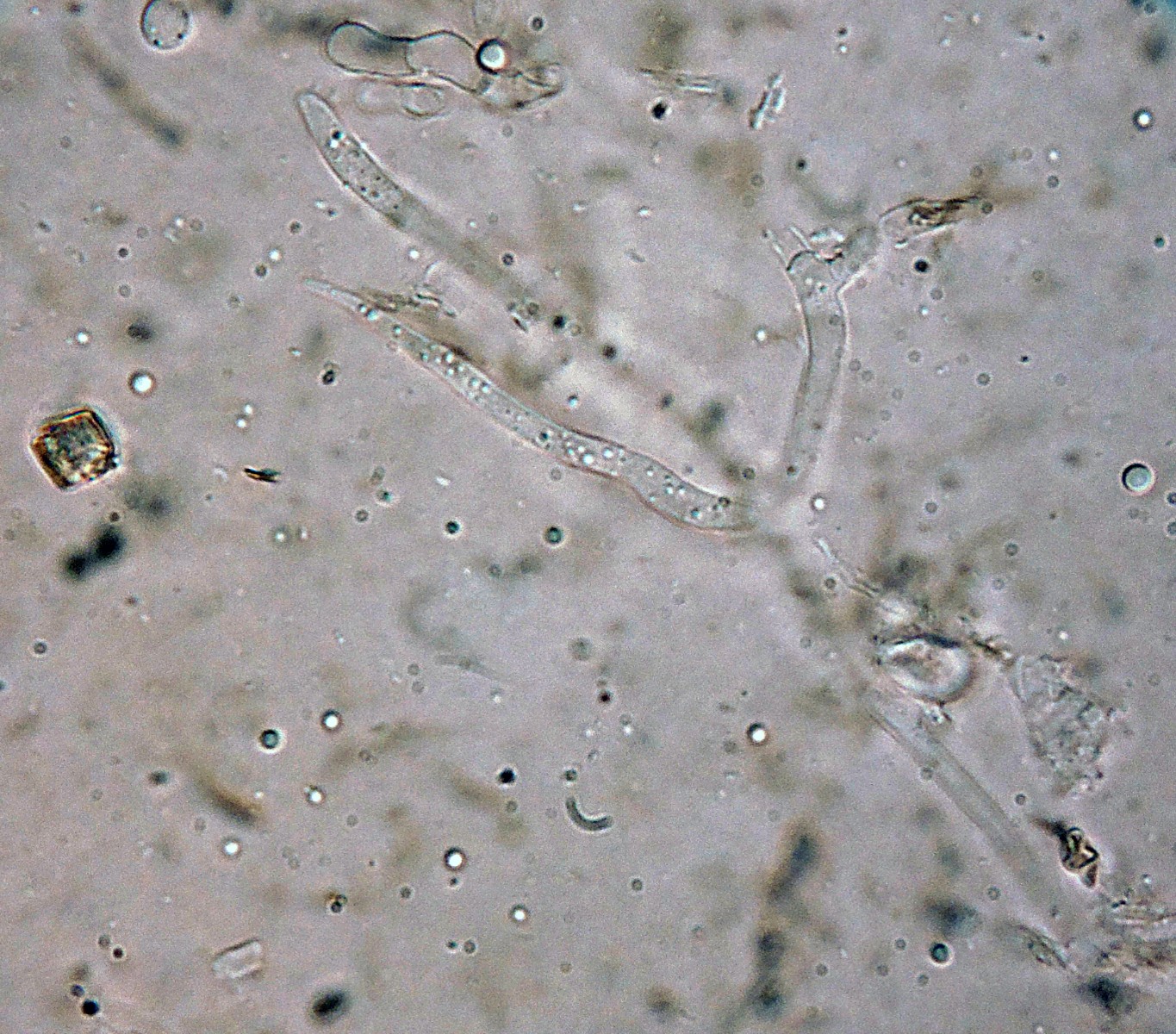
Hypomyces papulasporae
species of fungus
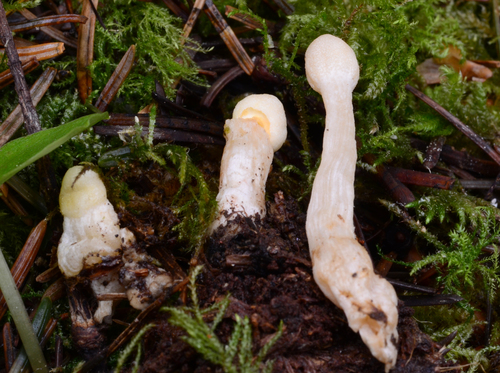
Podostroma
Podostroma is a genus of fungi in the family Hypocreaceae, circumscribed by the Finnish mycologist Petter Karsten in 1892 and containing eleven species (at least one being highly toxic) with a widespread distribution.
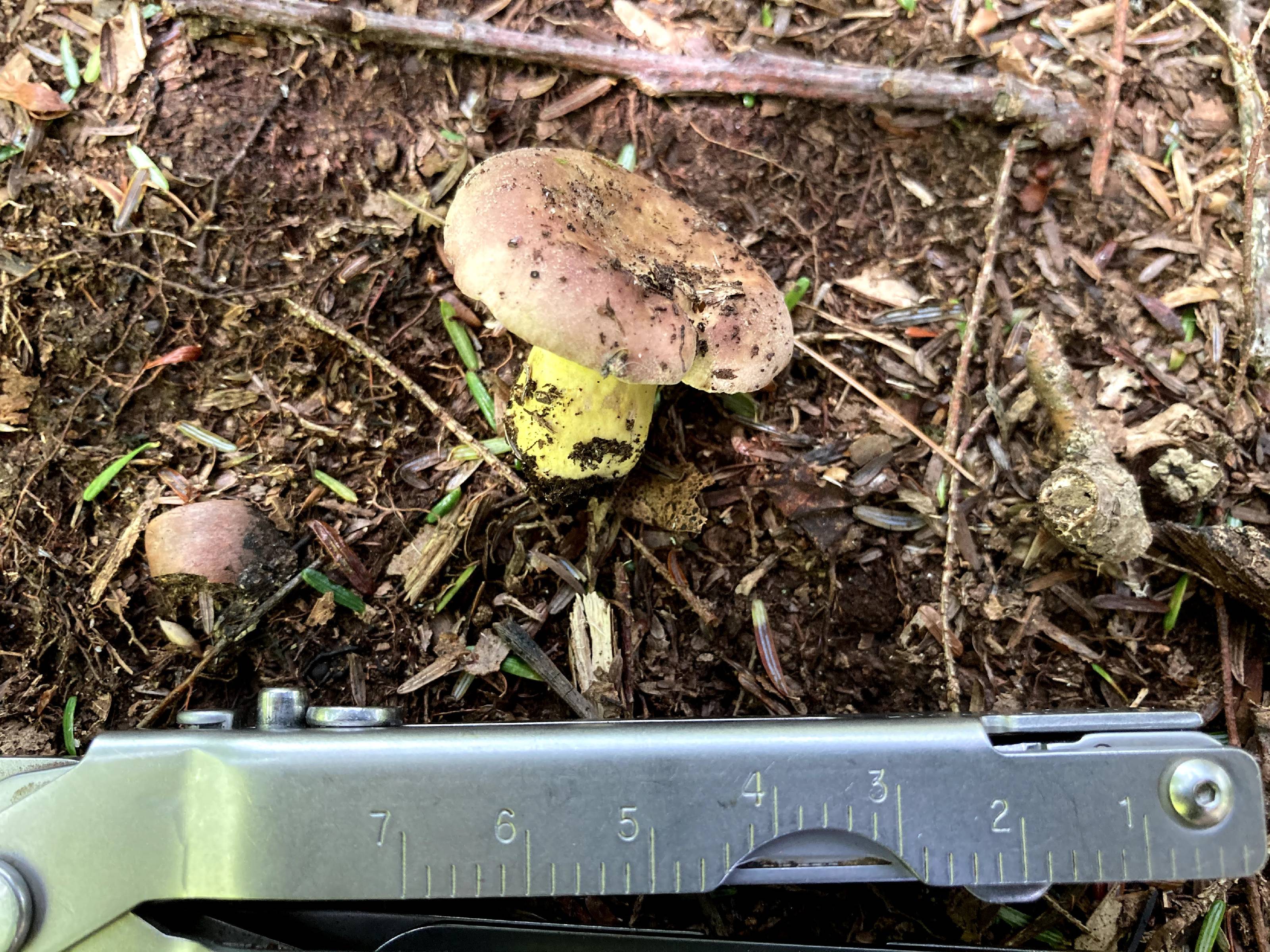
Hypomyces luteovirens
species of fungus

Cladobotryum
Cladobotryum is a genus of fungi in the family Hypocreaceae.

Hypomyces lithuanicus
species of fungus

Syspastospora parasitica
species of fungus
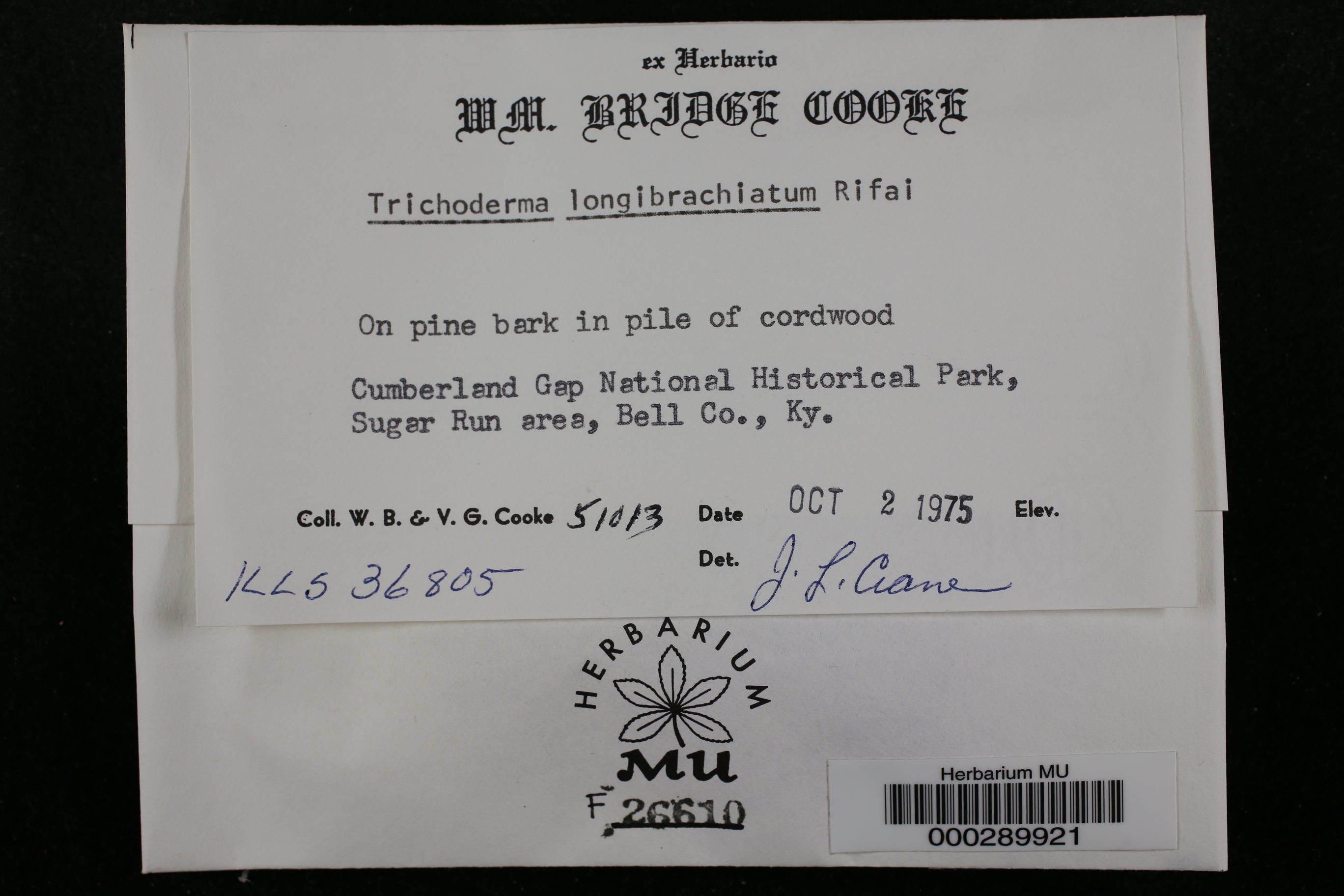
Trichoderma longibrachiatum
species of fungus
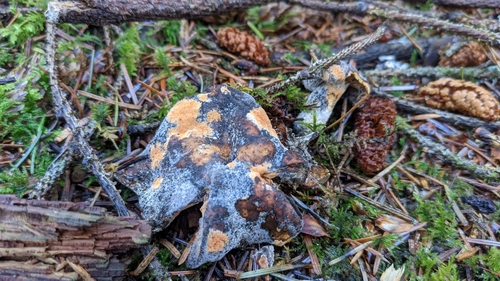
Acrostalagmus
Acrostalagmus is a genus of fungi belonging to the family Plectosphaerellaceae.
Illosporiopsis
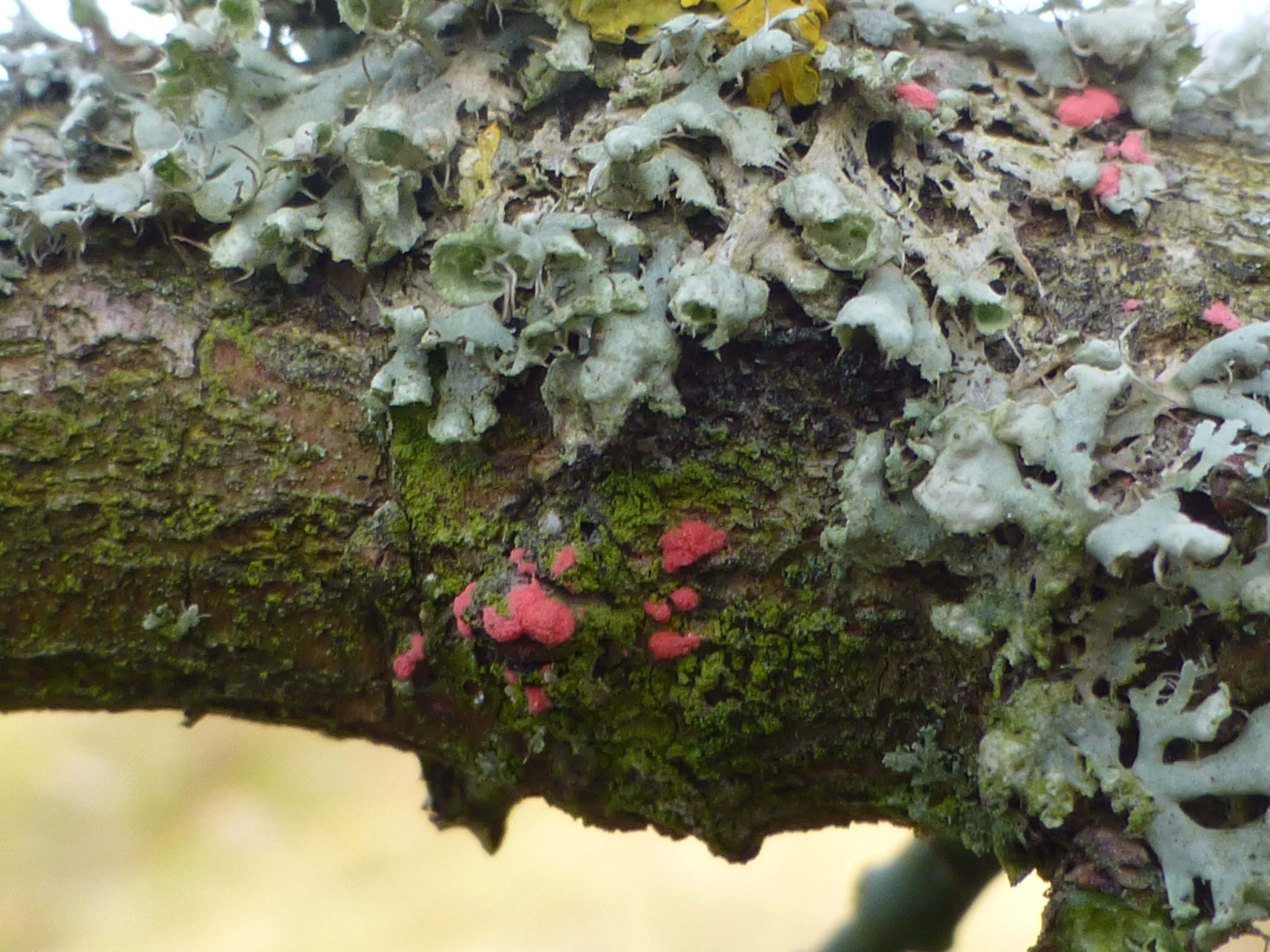
Illosporiopsis is a genus of fungi with one species, Illosporiopsis christiansenii, a fungus which parasitizes lichen. Illosporiopsis was described after DNA evidence showed that species previously ascribed to Hobsonia were unrelated.
Mycogone
Mycogone is a genus of fungi belonging to the family Hypocreaceae.