Category
page 1Identity politics

Nazi Party
former far-right political party in Germany active between 1920 and 1945

multiculturalism
280px|thumb|right| James Fearon's ranking of countries by ethnic and [[cultural diversity level in 2003, blue is lower and orange is higher.]]
Multiculturalism is the coexistence of multiple cultures. The word is used in sociology, in political philosophy, and colloquially. In sociology and everyday usage, it is usually a synonym for ethnic or cultural pluralism in which various ethnic and cultural groups exist in a single society. It can describe a mixed ethnic community area where multiple cultural traditions exist or a single country. Groups associated with an indigenous, aboriginal or auto

neo-Nazism
thumb|The Nordic Resistance Movement's 2018 "[[612 march" on Finnish independence day ]]

civil and political rights
rights preventing the infringement of personal freedom by other social actors

identity
qualities, beliefs, personality, looks and/or expressions that distinguish a person or group
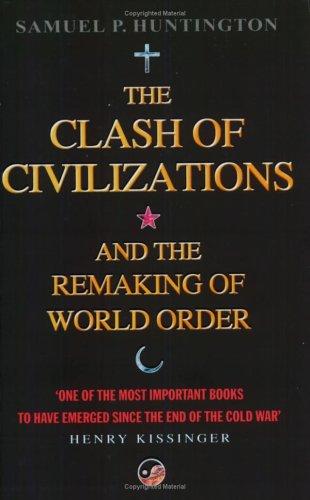
Clash of Civilizations
book

Pan-Africanism
thumb|264px|The red, black, and green flag, associated with Pan-Africanism and Black nationalism designed by the UNIA in 1920.

social stigma
type of discrimination or disapproval based on perceivable social characteristics that serve to distinguish a person from other members of a society

identity politics
political position based on the interests and perspectives of social groups with which people identify
.jpg)
snob
thumb|Caricature of American lawyer and socialite Ward McAllister (1855–1908) pointing [[Uncle Sam to "an English Snob of the 19th Century" and saying how he must imitate him or "you will nevah be a gentleman". Uncle Sam is shown laughing heartily.]]

class consciousness
awareness of one's social class, its interests and position
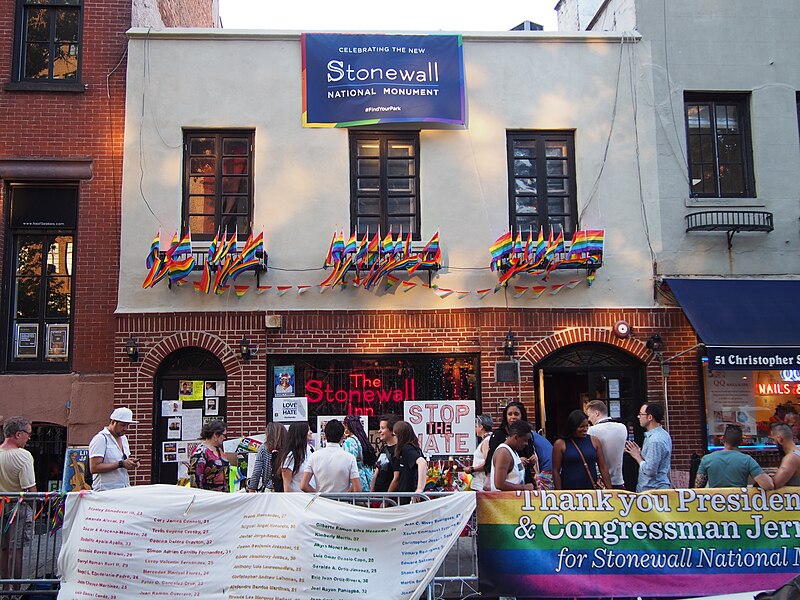
LGBT pride
positive stance toward LGBTQ+ people, opposing any stigma, discrimination, or violence
cultural identity
identity or feeling of belonging to a group
equal opportunity
state of fairness in which individuals are all treated the same (with justified exceptions)

sectarianism
Sectarianism is a debated concept. Some scholars and journalists define it as pre-existing fixed communal categories in society, and use it to explain political, cultural, or religious conflicts between groups. Others conceive of sectarianism as a set of social practices where daily life is organized on the basis of communal norms and rules that individuals strategically use and transcend. This definition highlights the co-constitutive aspect of sectarianism and people's agency, as opposed to understanding sectarianism as being fixed and incompatible communal boundaries.
intergenerational equity
concept of fairness or justice between generations
diversity, equity, and inclusion
organizational equality training term
conflict theory
perspectives in sociology and social psychology that emphasize a materialist interpretation of history, dialectical method of analysis, a critical stance toward existing social arrangements, and political program of revolution or, at least, reform
Ulster loyalism
pro-UK political alignment in Northern Ireland
feminist ethics
approach to ethics

United Malays National Organisation
The United Malays National Organisation (UMNO; , PEKEMBAR) is a conservative and Malay nationalist political party in Malaysia. Founded in 1946 by Onn Jaafar, it is the oldest national political party in the country and has been described as Malaysia's "Grand Old Party". UMNO is a founding and principal member of the Barisan Nasional (BN) coalition, which, together with its predecessor the Alliance Party, governed Malaysia from the independence of Malaya in 1957 until its defeat in the 2018 general election. During this period, every Prime Minister of Malaysia also served as the President of U

50PLUS
50Plus (; stylised as 50PLUS and abbreviated 50+) is a political party in the Netherlands that advocates pensioners' interests with a centrist political line. The party was founded in 2009 by Maurice Koopman, Alexander Münninghoff and Jan Nagel.
individual and group rights
notion of rights of individuals and collective rights
tokenism
In sociology, tokenism is the social practice of making a perfunctory and symbolic effort towards the equitable inclusion of members of a minority group, especially by recruiting people from under-represented social-minority groups in order for the organization to give the public appearance of racial and gender equality, usually within a workplace, government, or a school. The sociological purpose of tokenism is to give the appearance of inclusivity to a workplace or a school that is not as culturally diverse (racial, religious, sexual, etc.) as the rest of society.
regressive left
pejorative term for overly tolerant left-wing politics
diversity
concept in sociology and political studies
White Pride
white supremacist movement; racial expression
internal colonialism
sociological conception; type of domination, control, and exploitation of a territory and its people by a centre in unified state accompanied by an active cultural exchange between the metropolis and the colony without a clear boundary between them
ethnopluralism
Ethnopluralism or ethno-pluralism, also known as ethno-differentialism, is a political model which attempts to preserve separate and bordered ethno-cultural regions. According to its promoters, significant foreign cultural elements in a given region ought to be culturally assimilated to seek cultural homogenization in this territory, in order to let different cultures thrive in their respective geographical areas. Advocates also emphasize a "right to difference" (French: droit à la difference) and claim support for cultural diversity at a worldwide rather than at a national level.
cleavage
sociological concept
cognitive liberty
freedom of an individual to control their own mental processes
Gemeinschaft and Gesellschaft
categories which were coined by the German sociologist Ferdinand Tönnies
fat acceptance movement
social movement seeking to change anti-fat bias in social attitudes

Berberism
thumb|The Berber flag adopted by the [[World Amazigh Congress in 1998]]
thumb|Demonstration of Kabyle people|Kabyles in Paris, April 2016
Berberism is a Berber ethnonationalist movement that started in Kabylia in Algeria during the French colonial era with the Kabyle myth, largely driven by colonial capitalism and France's divide and conquer policy. The Berberist movement originally manifested itself as anti-Arab racism, Islamophobia, and Francophilia, that was sanctioned and sponsored by French colonial authorities. The movement later spread to other Berber communities in the Maghreb region

pillarisation
Pillarisation (a calque from the ) is the vertical division of a society into separate groups, or "pillars" (), organised along religious, socio-economic, and ideological lines. The phenomenon is most closely associated with historical examples in the Netherlands and Belgium.
parallel society
sociological term
Mad Pride
a movement encouraging pride in people with mental illnesses
privilege
social concept that special rights or advantages are available only to a particular person or group of people
adultism
Adultism is a bias or prejudice against children or youth. It has been defined as "the power adults have over children", or the abuse thereof, as well as "prejudice and accompanying systematic discrimination against young people", and "bias towards adults... and the social addiction to adults, including their ideas, activities, and attitudes". It can be considered a subtype of ageism, or prejudice and discrimination due to age in general.
inclusive language
a writing approach avoids prejudiced or biased terms
minority influence
form of social influence
standpoint theory
theory concerning the ways individuals' perspectives and the power that such authority exerts
claim rights and liberty rights
distinction between rights entailing or not entailing obligations
diversity
action drawing strength from the law and a need to comply with equal opportunity employment objectives
nothing about us without us
slogan
diaspora politics
political behavior of transnational ethnic diasporas
intellectual dark web
loosely defined group of public personalities who oppose progressive identity politics in the media and academia
Jewish identity
perceiving oneself as a Jew
political consciousness
psychological Political Theory
angry white male
term used in U.S. politics to refer to certain White males
official bilingualism in Canada
mandate that the federal government of Canada conduct its business and provide services in English and French
Deaf rights movement
Disability rights and cultural diversity movement
Votebank
A votebank (also spelled vote-bank or vote bank), in the political discourse of India, is a loyal bloc of voters from a single community, who consistently back a certain candidate or political formation in democratic elections. Such behavior is often the result of an expectation of benefits, whether real or imagined, from the political formations, often at the cost of other communities. Votebank politics is the practice of creating and maintaining votebank through divisive policies. As it encourages voting on the basis of self-interest of certain groups, often against their better judgement, i
Equality of outcome
political concept
Islam
Belgian political party
black pride
movement that encouraged black people to embrace their African heritage & culture
United Negro College Fund
UNCF, the United Negro College Fund, is an American philanthropic organization that funds scholarships for Black students and general scholarship funds for 37 private historically black colleges and universities. UNCF was incorporated on April 25, 1944, by Frederick D. Patterson (then president of what became Tuskegee University), Mary McLeod Bethune, and others. UNCF is headquartered at 1805 7th Street, NW in Washington, D.C. In 2005, UNCF supported approximately 65,000 students at over 900 colleges and universities with approximately $113 million in grants and scholarships. About 60% of thes
social conflict theory
sociological theory that argues that societal interactions are defined by conflict between the oppressed and the oppressors
Arab identity
phenomenon of self-determination of people traditionally living in Western Asia and North Africa, based on religion, clan, tribe, citizenship, place of residence, language, dialect, organization of life
Islamic Party of Britain
political party in the United Kingdom