Category
page 1Imperial Japanese Navy

Kagoshima
, is the capital city of Kagoshima Prefecture, Japan. , the city had an estimated population of 583,966 in 285,992 households, and a population density of 1100 persons per km2. The total area of the city is .

Kamikaze
thumb|254x254px|A kamikaze attack aircraft crashes into a US naval warship, May 1945.
, officially , were a part of the Japanese Special Attack Units of military aviators who flew suicide attacks for the Empire of Japan against Allied naval vessels in the closing stages of the Pacific campaign of World War II, intending to destroy warships more effectively than with conventional air attacks. About 3,800 kamikaze pilots died during the war in attacks that killed more than 7,000 Allied naval personnel, sank several dozen warships, and damaged scores more. The term is used generically in modern w

Imperial Japanese Navy
naval branch of the Empire of Japan
Washington Naval Treaty
1922 international treaty concerning naval construction and fleet limits
Japanese war crimes
Japanese war crimes of World War II
London Naval Treaty
agreement between the United Kingdom, Japan, France, Italy and the United States, signed on 22 April 1930, which regulated submarine warfare and limited naval shipbuilding
Imperial Japanese Naval Air Service
air arm of the Imperial Japanese Navy during World War II
Operation Vengeance
1943 American military operation to kill Japanese Admiral Isoroku Yamamoto
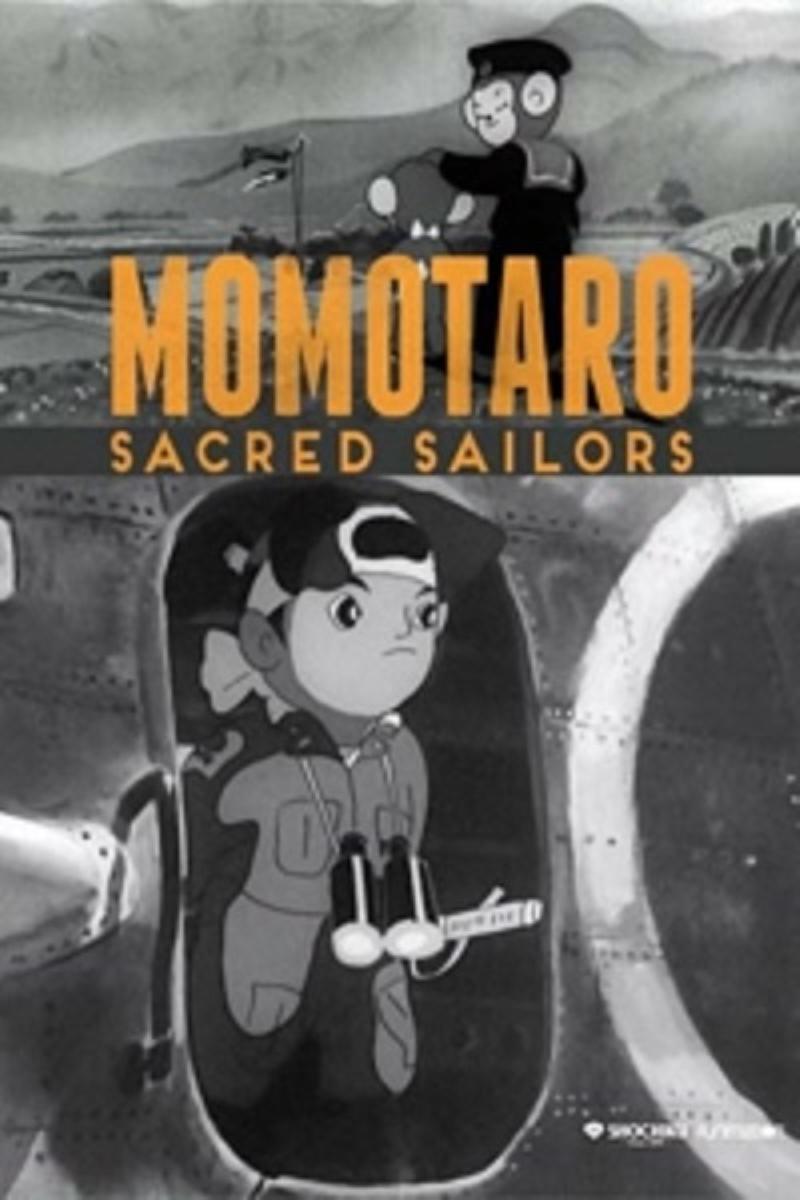
Momotaro: Sacred Sailors
1945 anime film directed by Mitsuyo Seo
Imperial Japanese Naval Academy
naval academy in Japan
Ministry of the Navy of Japan
former Japanese government ministry (1872–1945)
Manchukuo Imperial Navy
navy
Imperial Japanese Navy General Staff
highest organ within the Imperial Japanese Navy
Louis-Émile Bertin
French engineer (1840–1924)
Chichijima incident
Atrocity in the Pacific Theater of World War II
Operation K
1942 bombing of Oahu by Japanese flying boats during WW2
Imperial Japanese Special Naval Landing Forces
World War Two Japanese marines
Type 4 Ka-Tsu
type of weapon
Tokubetsu Keisatsutai
Polisi Istimewa

Fukuryu
thumb|Statue of Fukuryu Diver wielding explosive mine weapon
(also known as suicide divers and kamikaze frogmen) were a part of the Japanese Special Attack Units prepared to resist the invasion of Japan's Home islands by Allied forces. Six thousand men were planned to be trained and equipped with diving equipment for the role. They would use attack mines affixed to bamboo poles. Plans also included reinforced concrete stations to protect men from the explosions. Only twelve hundred men had been trained when Japan surrendered before the invasion of the Japanese mainland occurred.
hell ship
Imperial Japanese Navy ship with extremely inhumane living conditions

Imperial Rescript to Soldiers and Sailors
1882 Japanese military ethics code

Umi Yukaba
1937 Japanese military song

senninbari
right|thumb|Women stitching for men going to war in China, 1937
A or one thousand stitch is a belt or strip of cloth stitched 1,000 times and given as a Shinto amulet by Japanese women and imperial subjects to soldiers going away to war.
Ranks of the Imperial Japanese Navy
Wikimedia list article
Kantai Kessen
Japanese naval stategy in WWII
Siemens scandal
1914 scandal in Japan
War Plan Orange
interwar US Army plan for war with the Empire of Japan
Eight-eight fleet
Japanese naval armament strategy
Gunkan kōshinkyoku
song
Nagasaki Naval Training Center
Hashira Island
island in Yamaguchi, Japan
Naval War College
staff college of the Imperial Japanese Navy
1st Naval Armaments Supplement Programme
first of four Imperial Japanese naval Expansion plans
Japanese naval codes
ciphers used by the Imperial Japanese Navy in World War II
Uraga Dock Company
Japanese shipyard
Treaty Faction
Type 97 ShinHoTo Chi-Ha
medium tank
Japanese Special Attack Units
special attack units used by the Japanese military near the end of World War II
Japanese marine paratroopers of World War II
military unit
Fleet Faction
political faction of the Imperial Japanese Navy
Kasatka Bay
bay on Iturup, Kuril Islands, Russia
Yanagi missions
series of submarine voyages undertaken by the Imperial Japanese Navy during the Second World War, to exchange technology, skills and materials with Japan's Axis partners
2nd Naval Armaments Supplement Programme
second of four Imperial Japanese naval Expansion plans
Fujinagata Shipyards
Japanese shipbuilder
Imperial Japanese Navy Aviation Bureau
Template:IJN Naval Armnament Supplement Programs
Wikimedia template
Six-six fleet
Gosei
meditation
Osaka Guard District
Imperial Japanese Navy Technical Department
operating division of the Ministry of the Navy of Japan
3rd Naval Armaments Supplement Programme
third of four Imperial Japanese naval Expansion plans
4th Naval Armaments Supplement Programme
final of four Imperial Japanese naval Expansion plans
Kawasaki Heavy Industries Ship & Offshore Structure Company
shipbuilding subsidiary of Kawasaki Heavy Industries
Chinkai Guard District
Japanese colonial navy base in Korea