Category
page 1Inca mythology
Inca mythology
universe of legends and collective memory of the religion and worldview of the Inca Empire
Inti Raymi
Inca religious festival
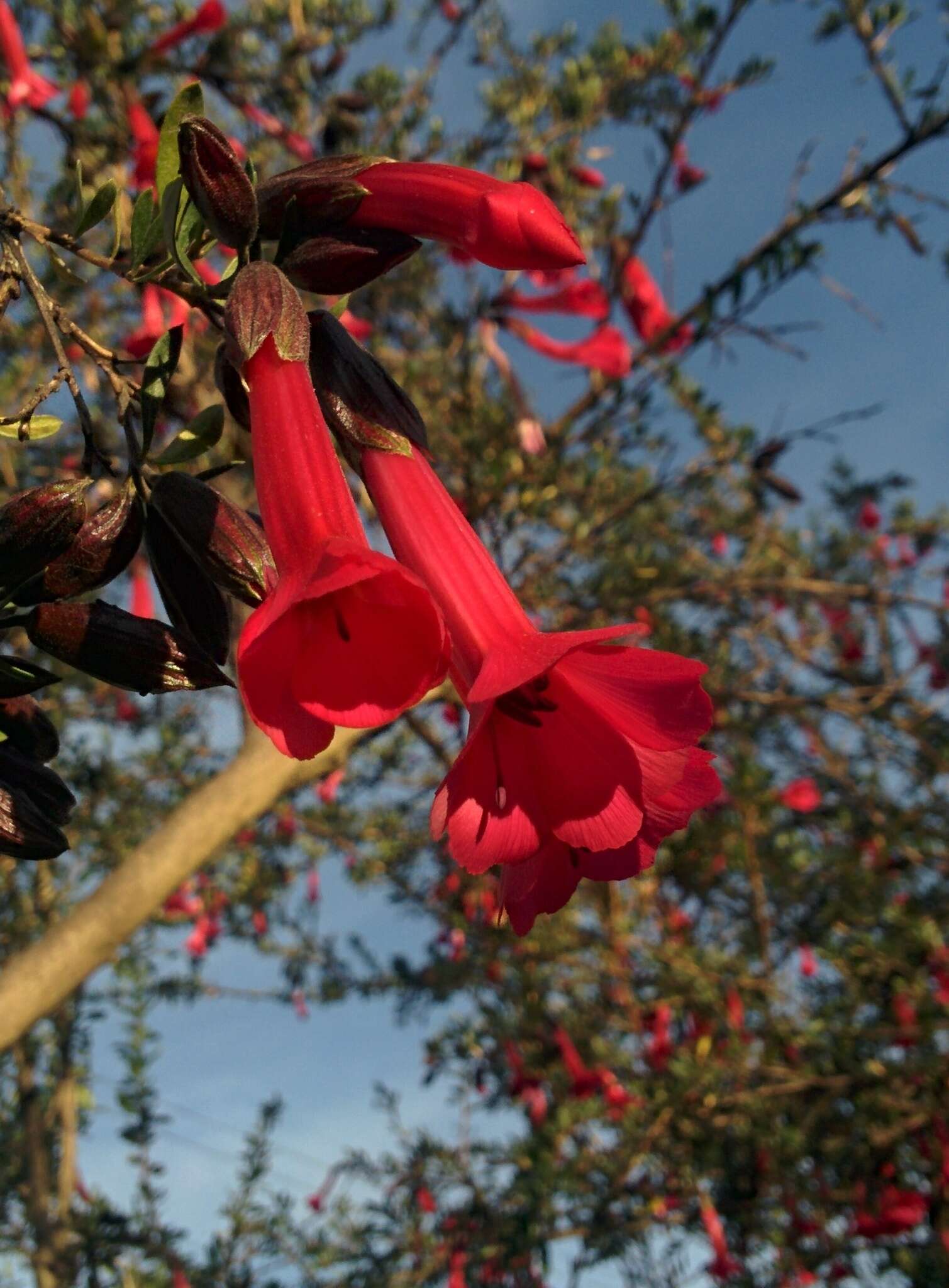
Cantua buxifolia
species of plant
Mama Ocllo
deity

Huaca
thumb|300px|Coricancha museum marker graphically explaining the Inca Wakas and Seqes system
thumb|300px|Coricancha museum marker describing the Inca Wakas and Seqes system
In the Quechuan languages of South America, a huaca or '''wak'a' is an object that represents something revered, typically a monument of some kind. The term huaca can refer to natural locations, such as immense rocks. Some huacas have been associated with veneration and ritual. The Quechua people traditionally believed every object has a physical presence and two camaquen'' (spirits), one to create it and another to animate

Chakana
thumb|right|Most commonly used variation of an Andean cross used today; this open Andean cross can also be seen at the Tello Obelisk and on Tiwanaku [[Qirus often with an eye inside]]
The chakana or Andean cross (also "stepped cross", "step motif", or "stepped motif") is a stepped cross motif used by the Inca and pre-incan Andean societies. The most commonly used variation of this symbol today is made up of an equal-armed cross indicating the cardinal points of the compass and a superimposed square. Chakana means 'bridge', and means 'to cross over' in Quechua. The Andean cross motif appears in
religion in the Inca Empire
Huarochirí Manuscript
manuscript
human sacrifice in pre-Columbian cultures
Ritualistic killing of children in pre-Columbian cultures
Inkarri
thumb|right|Drawing depicting the execution of Atahualpa
The Inkarri (or Inkari and sometimes Inkaríy) myth is one of the most famous legends of the Inca. When the Spanish conquistadors executed the last ruler of the Inca people, Atahualpa, he vowed that he would come back one day to avenge his death. According to the legend, the Spaniards buried his body parts in several places around the kingdom: His head is said to rest under the Presidential Palace in Lima, while his arms are said to be under the Waqaypata ('Square of Tears') in Cusco and his legs in Ayacucho. Buried under the earth he wil
Amaru
serpent or dragon deity from Andean mythlogies
Huiñao
Huiñao is a mountain in the Andes of Peru, about high. It lies in the Arequipa Region, La Unión Province, Cotahuasi District. What makes the mountain so special among the much higher mountains surrounding it is that it is situated in the Cotahuasi Canyon and that there are good panoramic views from its top across the Cotahuasi Canyon and the surrounding mountains. There is also an archaeological site on top of the mountain.
Yanantin
thumbnail|Visualization of dualism in Chavín culture
Pacaritambo
mythical place in Incan mythology
Taki Unquy
indigenous movement in the Peruvian Andes during the 16th century