Category
page 1Indian Buddhists

Ashoka
Ashoka, also known as Asoka or Aśoka ( ; , ; – 232 BCE), most commonly known as Ashoka the Great, was Emperor of Magadha from until his death, and the third ruler from the Mauryan dynasty. His empire covered a large part of the Indian subcontinent, stretching from present-day Afghanistan in the west to present-day Bangladesh in the east, with its capital at Pataliputra. A patron of Buddhism, he is credited with an important role in the spread of Buddhism across ancient Asia.

B. R. Ambedkar
Bhimrao Ramji Ambedkar was an Indian jurist, economist, social reformer and politician who chaired the committee that drafted the Constitution of India based on the debates of the Constituent Assembly of India and the first draft of Sir Benegal Narsing Rau. Ambedkar served as Law and Justice minister in the first cabinet of Jawaharlal Nehru. He later renounced Hinduism and converted to Buddhism, inspiring the Dalit Buddhist movement.
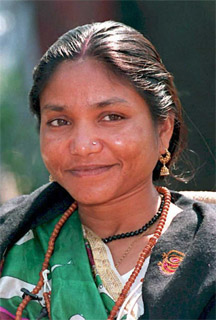
Phoolan Devi
Indian bandit, politician (1963-2001)

Kabir Bedi
Indian actor (1946-)

Priyanka Vadra
Indian politician

Ajatashatru
Ajatasattu (Pāli: ) or Ajatashatru (Sanskrit: ) in the Buddhist tradition, or Kunika () and Kuniya () in the Jain tradition (reigned c. 492 to 460 BCE, or c. 405 to 373 BCE), was one of the most important kings of the Haryanka dynasty of Magadha in East India. He was the son of King Bimbisara and was a contemporary of both Mahavira and Gautama Buddha. He forcefully took over the kingdom of Magadha from his father and imprisoned him. He fought a war against the Vajjika League, led by the Licchavis, and conquered the republic of Vaishali. The city of Pataliputra was formed by fortification of a
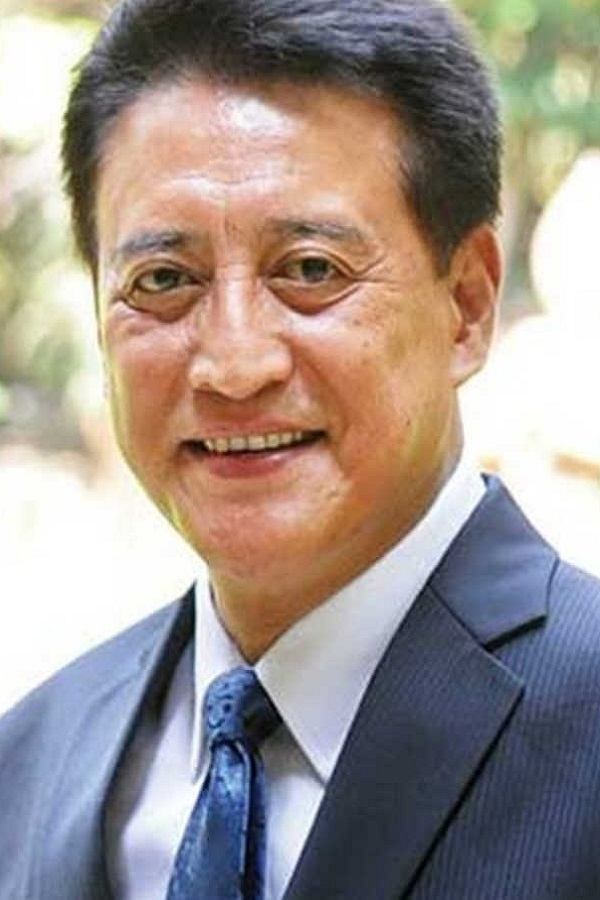
Danny Denzongpa
Indian actor, singer and film director
Mahapajapati Gotami
Disciple of Gautama Buddha
Dasaratha Maurya
Mauryan emperor from c.232 to c.224 BCE

Dharmakirti
Dharmakīrti (fl. ) was an influential Indian Buddhist philosopher who worked at Nālandā. He was one of the key scholars of epistemology (pramāṇa) in Buddhist philosophy, and is associated with the Yogācāra and Sautrāntika schools. He was also one of the primary theorists of Buddhist atomism. His works influenced the scholars of Mīmāṃsā, Nyaya and Shaivism schools of Hindu philosophy as well as scholars of Jainism.

Devadatta
Devadatta was by tradition a Buddhist monk, cousin and brother-in-law of Gautama Siddhārtha. The accounts of his life vary greatly, but he is generally seen as an evil and divisive figure in Buddhism, who led a breakaway group in the earliest days of the religion.

Akshara Haasan
Indian actress
Amrapali
Āmrapālī, also known as "Ambapālika", "Ambapali", or "Amra" was a celebrated nagarvadhu (royal courtesan) of the Republic of Vaishali (located in present-day Bihar) in ancient India around 500 BC. Amrapali also won the title of rajnartaki (court dancer). Following the Buddha's teachings, she became an arahant. She is mentioned in the old Pali texts and Buddhist traditions (āgama sutras), particularly in conjunction with the Buddha staying at her mango grove, Ambapali vana, which she later donated to his order and wherein he preached the famous Ambapalika Sutra.
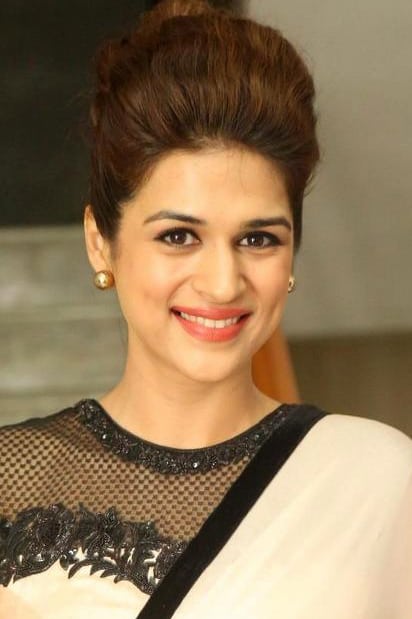
Shraddha Das
actress
Damodar Dharmananda Kosambi
Indian mathematician (*1907 - †1966)

Amarsingha
thumb|A 19th-century Amarakosha manuscript with Newar language commentary from [[Nepal.]]
Amarasimha (IAST: '''''', ) was a Sanskrit grammarian and poet from ancient India, of whose personal history hardly anything is known. He is said to have been "one of the nine gems that adorned the throne of Vikramaditya," and according to the evidence of Xuanzang, this is the Chandragupta Vikramaditya (Chandragupta II) who flourished about CE 375. Other sources describe him as belonging to the period of Vikramaditya of 7th century. Most of Amarasiṃha's works were lost, with the exception of the celebrate
Kiren Rijiju
Bharatiya Janata Party politician
Dibyendu Barua
Indian chess player
Vimalakirti
Vimalakīrti ( ' "stainless, undefiled" + ' "fame, glory, reputation") is a bodhisattva and the central figure in the '''', which presents him as the ideal Mahayana Buddhist upāsaka ("lay practitioner") and a contemporary of Gautama Buddha (6th to 5th century BCE). There is no mention of him in Buddhist texts until after (1st century BCE to 2nd century CE) revived Mahayana Buddhism in India. The Mahayana Vimalakirti Sutra also spoke of the city of Vaisali as where the lay Licchavi bodhisattva Vimalakirti was residing.
Vajira
Consort of 5th-century BCE Magdaha emperor Ajatashatru
Sonam Wangchuk
Indian engineer, innovator and education reformist
Karuvaki
Karuvaki was the "Second Queen Consort" of the third Mauryan Emperor, Ashoka The Great. She was Ashoka's fourth wife and 2nd Empress consort. She was the mother of Ashoka's fourth son, Prince Tivala.
Sakyong Mipham
Tibetan lama
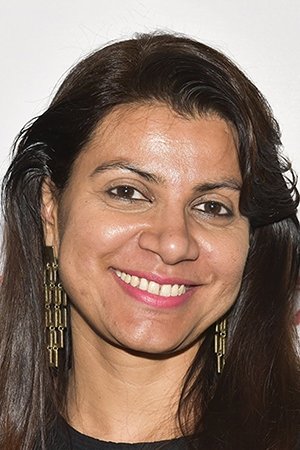
Alankrita Shrivastava
Indian filmmaker
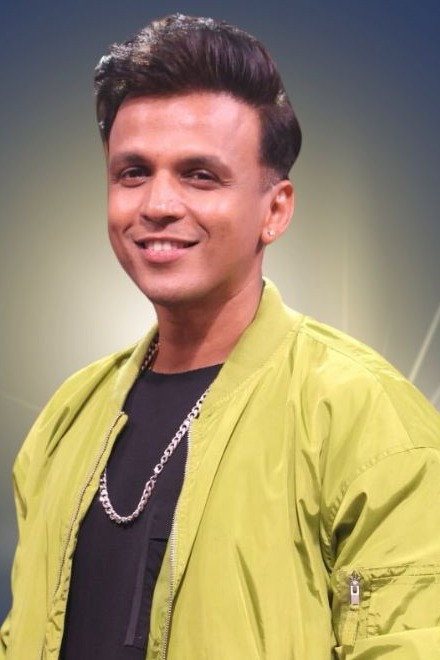
Abhijeet Sawant
Indian singer

Sundarānanda
thumb|Palatial life of Nanda before conversion, veranda of Cave 17 of Ajanta Caves.
Prince Nanda Shakya, also known as Sundarananda Shakya (handsome Nanda), was the younger half-brother of Gautama Buddha. He shared the same father as Buddha, King Śuddhodana, and his mother, Mahapajapati Gotami, was the Buddha's mother's younger sister. Nanda also had an older sister named Sundari Nanda.

Devi
first wife of Ashoka
Kanshi Ram
Indian politician (1934–2006)
Kosala Devi
First wife of king Bimbisara
Dharmapala of Nalanda
Indian philosopher (530-561)

Kukkuripa
thumb|Kukkuripa
Kukkuripa was a mahasiddha who lived in India. He became interested in tantric Buddhist practice, and chose the path of renunciation. During his travels, he found a starving dog in a bush. Moved by compassion, he fed the dog and took care of her. The two stayed together and eventually found a cave where Kukkuripa could meditate in peace. When he went out for food, the dog would stay and guard the cave.
Dorjee Khandu
Indian politician (1955-2011)
Padmavati
Ashoka's wife
Asandhimitra
Asandhamitra (304 BCE – 240 BCE) was an empress and 1st chief consort of the Mauryan emperor Ashoka. She was Ashoka's second wife and first empress consort

Meiyang Chang
Indian actor, television host and singer
Dipa Ma
Indian meditation teacher (1911–1989)
Li Gotami Govinda
Indian painter (1906-1988)
Buddhamitra
Buddhamitrā (born c. 60) was a Buddhist nun from India during the Kushan Empire. She is remembered because of dated inscriptions on images of bodhisattvas and the Buddha that she erected in three cities near the Ganges river. They mark her success in attracting money and patronage to the Sarvāstivāda, the sect of Buddhism to which she belonged.
Anand Teltumbde
scholar
Jamling Tenzing Norgay
Indian-Nepalese mountaineer (born 1965)
Lui pa
Luipa or Luipada (c. 10th century) was a mahasiddha siddhacharya from Eastern India. He was a Buddhist saint from the Kãivartā community. He was a writer of a number of Buddhist texts and one of the early poets of Charyapada, a late Apabhraṃśa collection of poems.

Dampa Sangye
Buddhist yogi
Tivala
Tivala (born 3rd-century BC), also referred to as Tivara, was the fourth son of Maurya Emperor Ashoka from his second queen, Karuvaki. He is the only son of Ashoka who is mentioned by name in his inscriptions, along with his mother, in the Queen Edict.
Charumati
Charumati (Brahmi: 𑀘𑀸 𑀭𑀼𑀼 𑀫𑀓𑀻), sometimes called Charumitra, was a daughter of the Indian Maurya Emperor Ashoka and his chief queen, Empress Asandhimitra. She was trained in nursing and caregiving by her foster mother and is believed to have tended to Emperor Ashoka in his later years.
Shavaripa
Shavaripa (Sanskrit: Śabara) was an Indian Buddhist teacher, one of the eighty-four Mahasiddhas, honored as being among the holders of the distant transmission of Mahamudra. He was a student of Nagarjuna and a teacher of Maitripa. He is one of the forefathers of the Kagyu lineage of Tibetan Buddhism. Shavaripa is loosely related to the goddess Parnashavari and Janguli by relationship of the Shavari tribe of north-east India.
Chowna Mein
Indian politician
Shirin Darasha
Indian educator, playwright, feminist

Kanha
Kānhapā, Kanha or Kanhapada or Krishnacharya ( c 10th century AD) was one of the main poets of Charyapada, the earliest known example of Assamese, Bengali, Maithili, Bhojpuri, and Odia literature. He was a tantric Buddhist and a disciplle of Jalandhar.Page21 Kanhapada is also a prominent siddhacharya to Nath Sampradaya after Matsyendranatha and Gorakhnath. His poems in Charjyapad are written in a code, whereby every poem has a descriptive or narrative surface meaning but also encodes tantric Buddhist teachings. Some experts believe this was to conceal sacred knowledge from the uninitiated.
Vitashoka
Vitashoka or Tissa (born 3rd-century BCE) was a prince of the Maurya Empire as the only full-brother of Ashoka, and the only brother left alive by Ashoka. According to Divyavadana, he was a follower of Jainism and used to criticize the Buddhist monks for living a comfortable life. He was made to sit on the throne by the courtiers. Vitashoka became a monk and practised austerities rigorously.
Atasi Barua
Indian painter of the 20th century.
Benimadhab Barua
Bengali Writer, Indologist, and pundit of Pali and Buddhism (1888-1948)
Savitri Bai Phule
Indian politician
Mukul Wasnik
Indian politician
The 12th Gyalwang Drukpa Jigme Pema Wangchen
Bhutanese spiritual leader
Mañjuśrīmitra
thumb|Manjushrimitra.jpg
Mañjuśrīmitra (d. 740 CE) () was an Indian Buddhist scholar. He became the main student of Garab Dorje and a teacher of Dzogchen.
Cunda
disciple of Gautama Buddha
Prahlad Bhagvanrao Shinde
singer from Maharashtra
Niguma
thumb|Niguma
Udit Raj
Indian politician
Bhadda Kapilani
Disciple of Gautama Buddha