Category
page 1Indian feudalism

Zamindar
thumb|Khwaja Salimullah was a zamindar with the title of [[Nawab. His family's landholdings in Bengal were one of the largest in British India.]]
A zamindar in the Indian subcontinent was an autonomous or semi-autonomous feudal lord of a zamindari (feudal estate). The term itself came into use during the Mughal Empire, when Persian was the official language; zamindar is the Persian for landowner. During the British Raj, the British began using it as a local synonym for "estate". Subsequently, it was widely and loosely used for any substantial landed magnates in British India. Zamindars as a cl

sardar
thumb|Prime Minister of Iran|Sardar-I-Azam, Prince [[Abdol Majid Mirza of Qajar Persia .]]
right|thumb|Pakistani President Ayub Khan (general)|Ayub Khan and First Lady [[Jacqueline Kennedy with the prized gelding "Sardar".]]
right|thumb|List of Ottoman Grand Viziers|Grand Vizier [[Ahmet Tevfik Pasha, the last Ottoman Serdar-ı Azam.]]
right|thumb|Serdar (Ottoman rank)|Serdar [[Janko Vukotić of the Principality and Kingdom of Montenegro.]]

Jagir
thumb|right|A Maratha Empire|Maratha Durbar showing the Chief ([[Raja) and the nobles (Sardars, Jagirdars, Istamuradars and Mankaris) of the state.]]
A jagir (, Hindustani: जागीर/جاگیر, Jāgīr, Marathi: जहागीर, Jahāgīrá) also spelled as jageer, was a type of feudal land grant in the Indian subcontinent at the foundation of its Jagirdar (Zamindar) system. It developed during the Islamic era of the Indian subcontinent, starting in the early 13th century, wherein the powers to govern and collect tax from an estate was granted to an appointee of the state. The tenants were considered to be in the s

Jalsaghar
Jalsaghar ( Jalsāghar, ) is a 1958 Indian Bengali drama film written and directed by Satyajit Ray, based on a popular short story by Bengali writer Tarasankar Bandyopadhyay, and starring Chhabi Biswas. The fourth of Ray's feature films, it was filmed at Nimtita Raajbari in Nimtita, Murshidabad district.
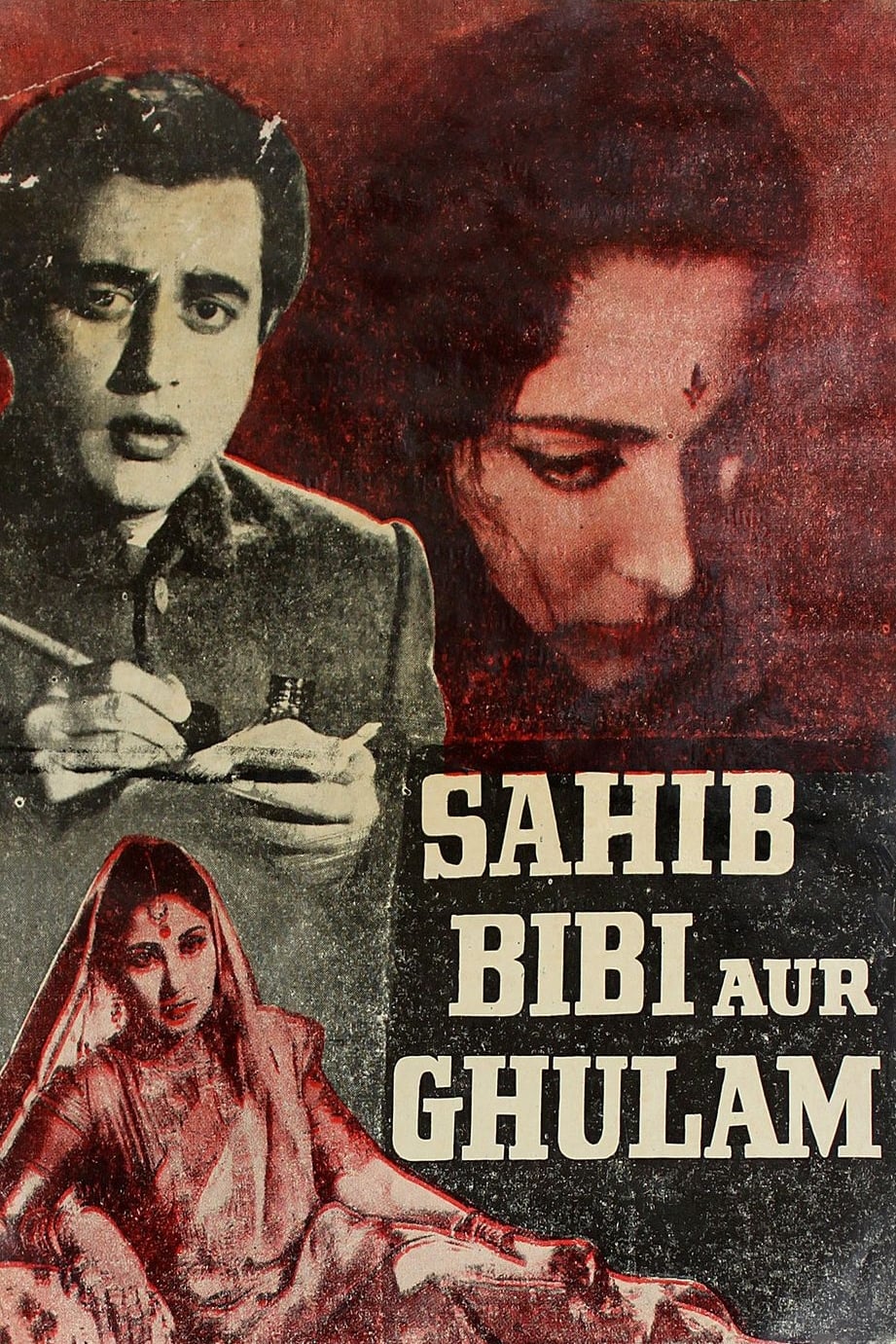
Sahib Bibi Aur Ghulam
1962 film by Abrar Alvi
Thakur
historical feudal title of the Indian subcontinent
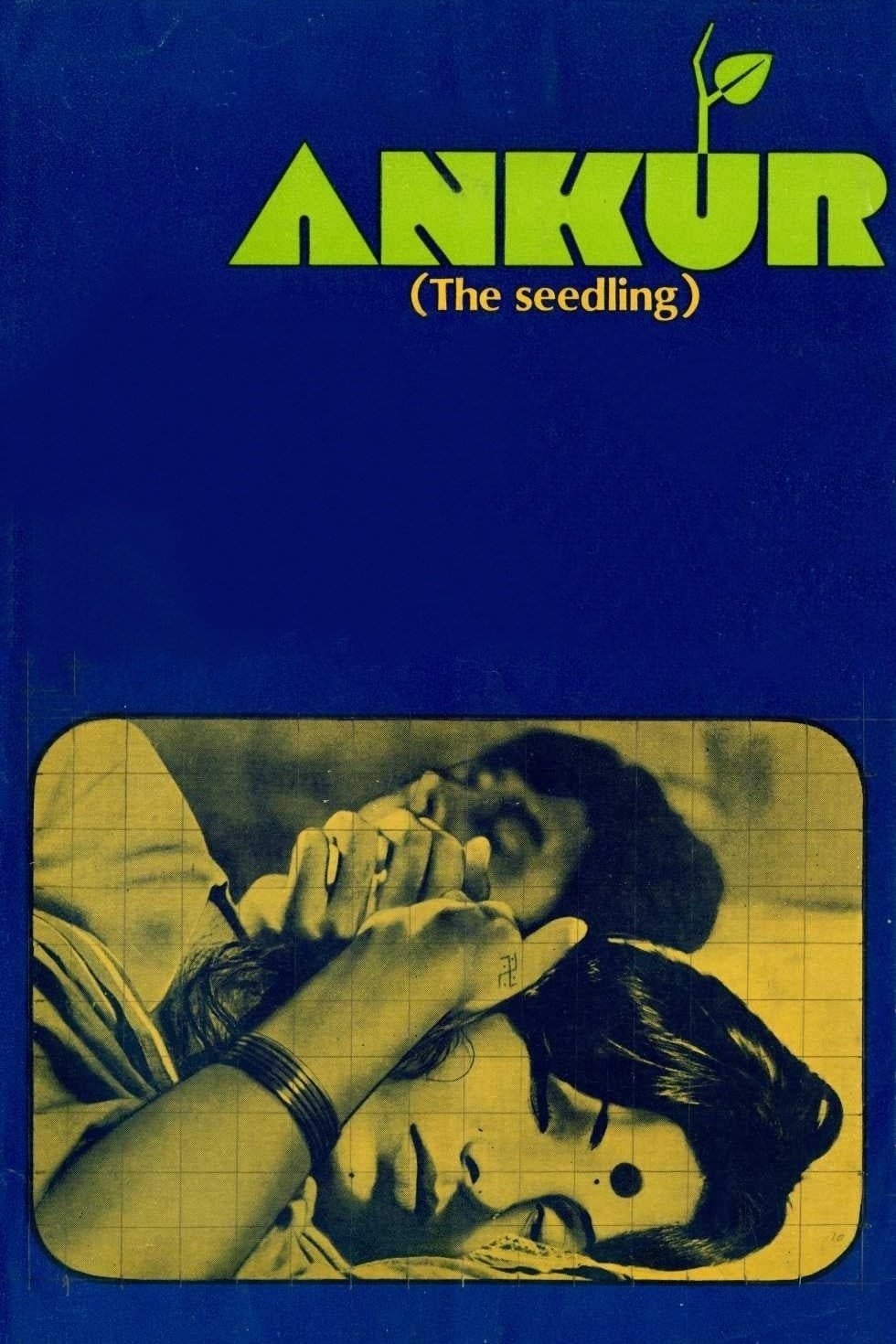
Ankur
1974 film by Shyam Benegal

Mansabdar
The Mansabdar was a military unit within the administrative system of the Mughal Empire introduced by Akbar later used in all over in early modern India. The word mansab is of Arabic origin meaning rank or position. The system determined the rank and status of a government official and military generals. Every civil and military officer was given a mansab, which determined their salaries and allowances.
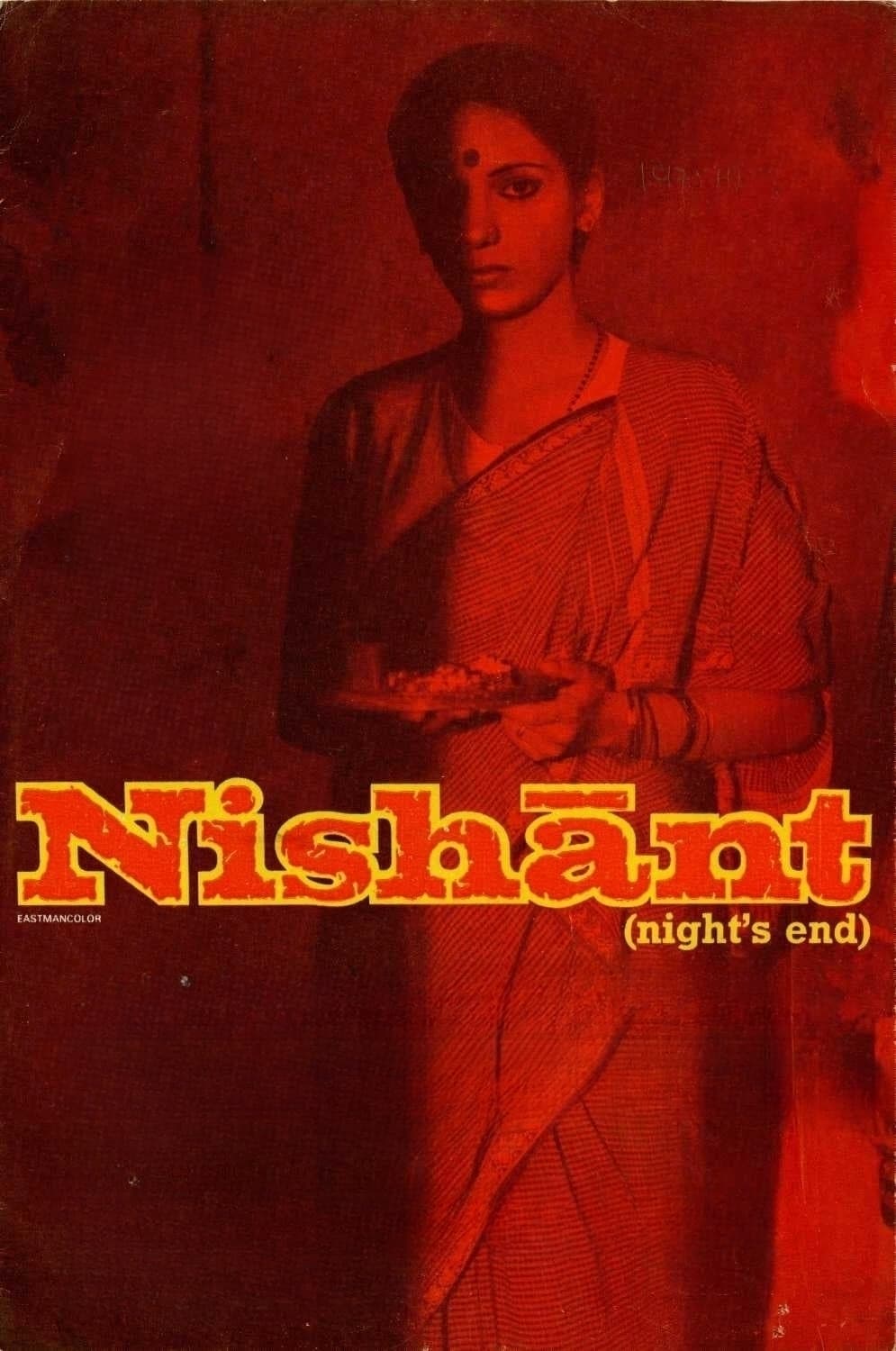
Nishant
1975 film by Shyam Benegal
Deshmukh
Deshmukh (IAST: Dēśamukh) is a historical title conferred to the rulers of a . It is used as a surname in certain regions of India, especially in the states of Maharashtra, Karnataka and Telangana and also in Andhra Pradesh and northern parts of Madhya Pradesh and Gujarat, Goa whose family received it as a title.
Patel
Patel is an Indian surname or title, predominantly found in the state of Gujarat, representing the community of land-owning farmers and later (with the British East India Company) businessmen, agriculturalists and merchants. Traditionally the title is a status name referring to the village chieftains during medieval times, and was later retained as successive generations stemmed out into communities of landowners. Circa 2015 there are roughly 500,000 Patels outside India, including about 150,000 in the United Kingdom and about 150,000 in the United States. As of the 2000 U.S. census, nearly 1
Village accountant
encumbrances
Mankari
thumb|right|A Maratha Empire|Maratha Durbar showing the Chief ([[Raja) and the nobles (Sardars, Jagirdars, Istamuradars & Mankaris of the state]]
thumb|right|Maratha Soldiers
Rathwa
Bhil Group
Kulkarni
Kulkarni is a surname. The name "Kulkarni" is a combination of two words (kula and karni). Kula means "family", and Karanika means "archivist". Historically, Kulkarni was the title given to the village record keeper.

Saraswatichandra
novel by Govardhanram Madhavaram Tripathi
Maharana
The Maharana ("Great Rana") is a variation on the Indian royal title Rana. Maharana denotes 'great king' or 'high king', similar to the word "Maharaja". The term derives from the Sanskrit title "Mahārāṇaka".
Samanta
Samanta (Sanskrit: सामंत, IAST: Sāmanta) was a title or position used in the Indian subcontinent primarily from the 4th to the 12th century CE to denote a feudal lord, vassal, or tributary chief. The Sankrit root roughly translates to "neighbor". The institution is considered to be closely associated with the origin and growth of feudalism in ancient and medieval India. Such offices as zamindar, jagirdar, and mansabdar, among others, may be considered rough equivalents to the Samanta in the latter history of India.
Mahalwari
The Mahalwari system was used in India to protect village-level-autonomy. It was introduced by Holt Mackenzie in 1822. The word "Mahalwari" is derived from the Hindi word Mahal, which means a community made from one or more villages.. Mahalwari consisted of landlords or Lambardars (also called as Nambardars) assigned to represent villages or groups of villages. Along with the village communities, the landlords were jointly responsible for the payment of revenue . Revenue was determined on basis of the produce of Mahal. Individual responsibility was not assigned. The land included under this sy
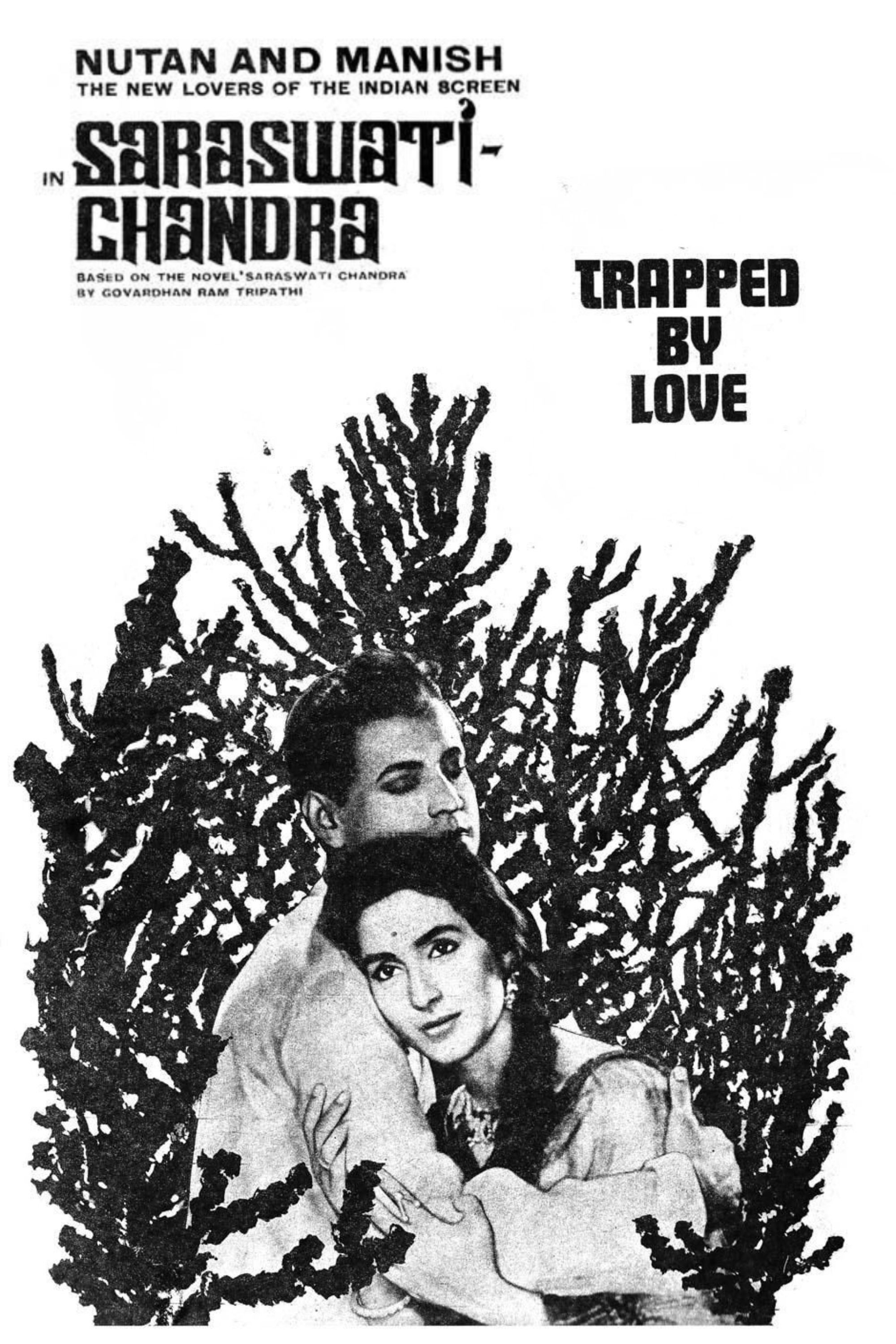
Saraswatichandra
1968 film
Desai
Desai () is an Indian administrative, princely or honorary title and surname.
Indian feudalism
India's social structure prior to the 1500s
Saheb Bibi Golam
Bengali novel by Bimal Mitra