Category
page 1Induced stem cells
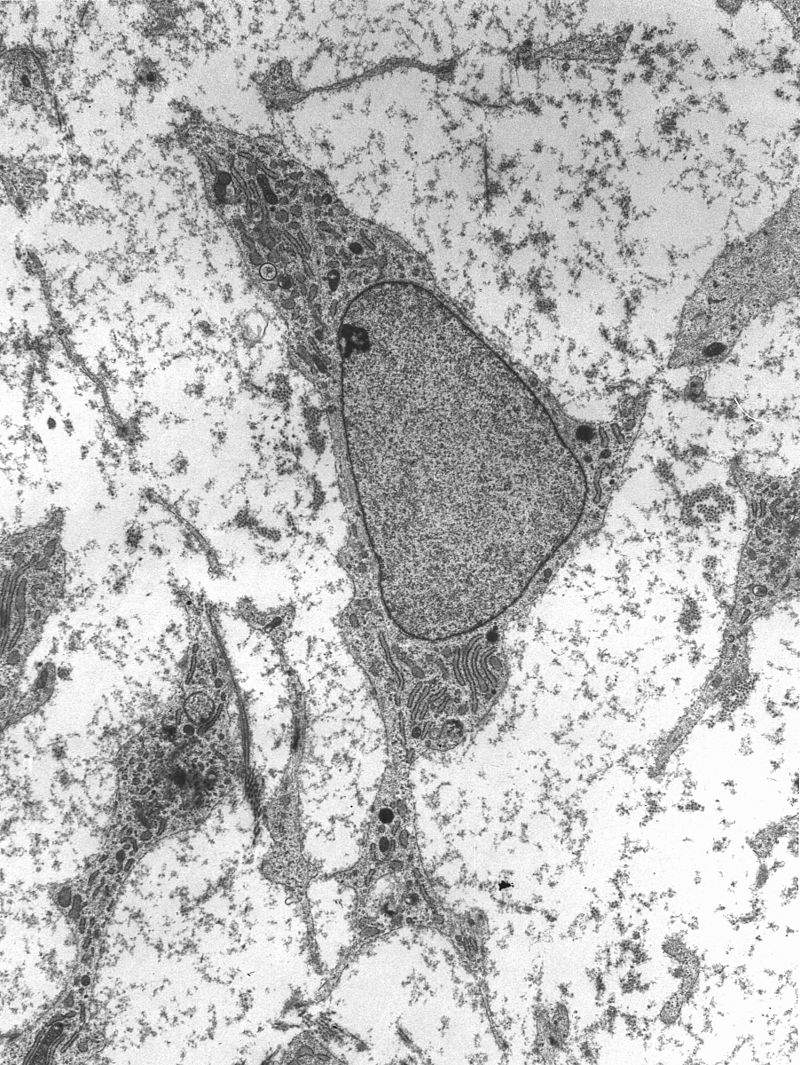
stem cell
undifferentiated biological cells that can differentiate into specialized cells

cell differentiation
process in which relatively unspecialized cells acquire specialized features

teratoma

dysplasia
thumb|Normal squamous cells thumb|Dysplastic cells
Dysplasia is any of various types of abnormal growth or development of cells (microscopic scale) or organs (macroscopic scale), and the abnormal histology or anatomical structure(s) resulting from such growth. Dysplasias on a mainly microscopic scale include epithelial dysplasia and fibrous dysplasia of bone. Dysplasias on a mainly macroscopic scale include hip dysplasia, myelodysplastic syndrome, and multicystic dysplastic kidney.

metaplasia
Metaplasia () is the transformation of a cell type to another cell type. The change from one type of cell to another may be part of a normal maturation process, or caused by some sort of abnormal stimulus. In simplistic terms, it is as if the original cells are not robust enough to withstand their environment, so they transform into another cell type better suited to their environment. If the stimulus causing metaplasia is removed or ceases, tissues return to their normal pattern of differentiation. Metaplasia is not synonymous with dysplasia, and is not considered to be an actual cancer. It i
induced pluripotent stem cell
cells from adult organisms that have been reprogrammed into a pluripotential state similar to embryonic stem cells
chemical biology
application of chemical techniques, analysis, and often small molecules produced through synthetic chemistry, to the study and manipulation of biological systems
anaplasia
Anaplasia () is a condition of cells with poor cellular differentiation, losing the morphological characteristics of mature cells and their orientation with respect to each other and to endothelial cells. The term also refers to a group of morphological changes in a cell (nuclear pleomorphism, altered nuclear-cytoplasmic ratio, presence of nucleoli, high proliferation index) that point to a possible malignant transformation.
small molecule
molecule that weighs less than 800 dalton
somatic-cell nuclear transfer
method of creating a cloned embryo by replacing the egg nucleus with a body cell nucleus
transdifferentiation
Transdifferentiation, also known as lineage reprogramming, is the process in which one mature somatic cell is transformed into another mature somatic cell without undergoing an intermediate pluripotent or progenitor cell stage. It is a type of metaplasia, which includes all cell fate switches, including the interconversion of stem cells. Current uses of transdifferentiation include disease modeling and drug discovery and in the future may include gene therapy and regenerative medicine. The term 'transdifferentiation' was originally coined by Selman and Kafatos in 1974 to describe a change in c

reprogramming
In biology, reprogramming refers to erasure and remodeling of epigenetic marks, such as DNA methylation, during mammalian development or in cell culture. Such control is also often associated with alternative covalent modifications of histones.
nuclear transfer
form of cloning
stimulus-triggered acquisition of pluripotency cell
proposed method of generating pluripotent stem cells
list of countries by stem cell research trials
Wikimedia list article