Category
page 1Industrial hygiene
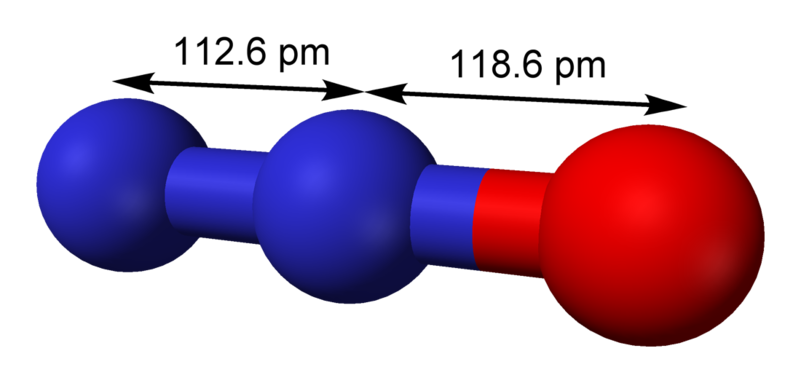
nitrous oxide
chemical compound

personal protective equipment
protective clothing or equipment designed to help protect an individual from injury, Noise, infection, or other hazards

carbon monoxide poisoning
toxicity due to exposure to carbon monoxide

legionnaires' disease
infectious disease characterized by severe form of infection producing pneumonia

safety data sheet
standardized data sheet describing a substance or product's hazards and safe handling procedures

occupational health and safety
area concerned with the safety, health and welfare of people at occupation

Legionella
Legionella is a genus of Gram-negative bacteria that can be seen using a silver stain or grown in a special media that contains cysteine, an amino acid. Most Legionella species are intracellular pathogens whose primary hosts are amoebae, however many Legionella are accidental pathogens of humans. Legionella bacteria are known to cause legionellosis (all illnesses caused by Legionella) including a pneumonia-type illness called Legionnaires' disease and a mild flu-like illness called Pontiac fever. These bacteria are common in many places, like soil and water. Legionella are aerobic and motile.

Alice Hamilton
American physician and toxicologist (1869–1970)
bronchiolitis obliterans
medical condition
indoor air quality
air quality within and around buildings and structures
propyl bromide
1-Bromopropane (also known as '''n-propyl bromide or nPB''') is a bromoalkane with the chemical formula CH3CH2CH2Br. It is a colorless, flammable liquid that is used as a solvent. It has a characteristic hydrocarbon odor. Its industrial applications increased dramatically in the 21st century due to the phasing out of chlorofluorocarbons and chloroalkanes such as 1,1,1-trichloroethane under the Montreal Protocol. It was also used as a dry cleaning solvent as a substitute for perchloroethylene for a short time in the United States. 1-Bromopropane is highly neurotoxic to humans.
noise-induced hearing loss
condition in which a person loses the ability to hear due to exposure to high intensity sound
occupational hygiene
prevention of workplace hazards

right to know
fundamental right originated from public inquiry into chemical compositions of substances
occupational noise
noise encountered in the workplace
Pontiac fever
legionellosis that involves a milder respiratory illness without pneumonia. Symptoms include fever, headache and muscle aches which last for 2 to 5 days
pesticide poisoning
poisoning of humans from pesticide exposure
air changes per hour
measure of the air volume added to or removed from a space
needlestick injury
accidental puncture of skin causing contamination
Japan Airlines food poisoning incident
Food poisoning incident
Mad hatter disease
Erethism, also known as erethismus mercurialis, mad hatter disease, or mad hatter syndrome, is a neurological disorder which affects the whole central nervous system, as well as a symptom complex, derived from mercury poisoning. Erethism is characterized by behavioral changes such as irritability, low self-confidence, depression, apathy, shyness and timidity, and in some extreme cases with prolonged exposure to mercury vapors, by delirium, personality changes and memory loss. People with erethism often have difficulty with social interactions. Associated physical problems may include a decreas
growth of mold in structures
fungal growth that develops on wet materials
exposure assessment
process of estimating or measuring the magnitude, frequency and duration of exposure to a potentially harmful agent
burn pit
area of a deployed military base devoted to open-air combustion of waste
Mold health issues
Harmful effects of molds