Category
page 1Information systems

blockchain
A blockchain is a distributed ledger with growing lists of records (blocks) that are securely linked together via cryptographic hashes. Each block contains a cryptographic hash of the previous block, a timestamp, and transaction data (generally represented as a Merkle tree, where data nodes are represented by leaves). Since each block contains information about the previous block, they effectively form a chain (viz. linked list data structure), with each additional block linking to the ones before it. Consequently, blockchain transactions are resistant to alteration because, once recorded, the
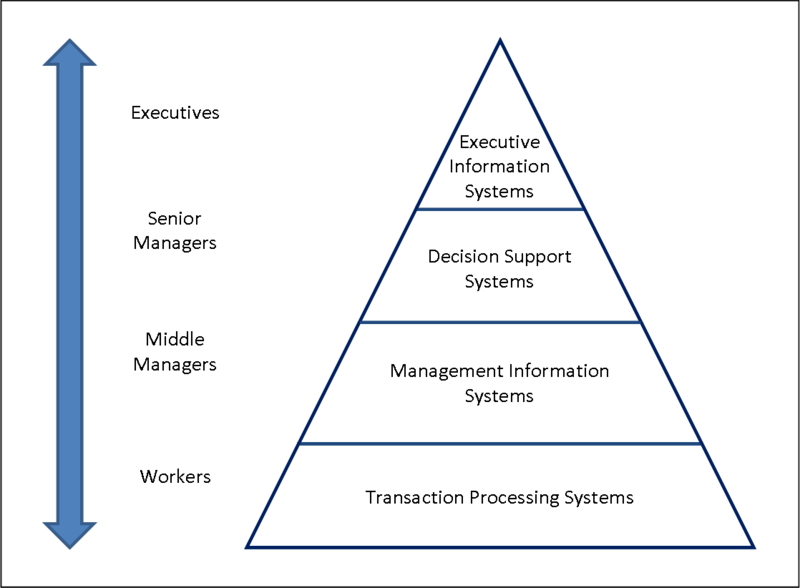
information system
combination of information, resources, activities and people that support tasks in an organization; group of components that interact to produce information
content management system
software type

expert system
computer system that emulates the decision-making ability of a human expert

knowledge management
process of creating, sharing, using and managing the knowledge and information of an organization

system administrator
person who maintains and operates a computer system and/or network
information management
organisational activity concerning information lifecycle
recommender system
information filtering system to predict users' preferences
computer-mediated communication
human communication that occurs through the use of two or more electronic devices; communicative transaction that occurs through the use of two or more networked computers
management information system
information system used for decision-making

self-service
Self-service is a system whereby customers acquire (or serve) themselves goods or services, paying for the items at a point-of-sale, as opposed to a shop assistant or clerk acquiring goods or providing services in addition to taking payment. Common examples include ATMs, coin-operated laundrettes, self-service checkouts, self-service petrol stations, and buffet restaurants.
decision support system
system that supports business or organizational decision-making processes
chief information officer
information technology executive
data-flow diagram
graphical representation of the "flow" of data through an information system
human resource management system
software for, eg., recruitment, benefits administration, attendance records, payroll
manufacturing execution system
system used in manufacturing facilities to capture data and control equipment
business analysis
research discipline and practice of identifying business needs and determining solutions to business problems
business informatics
science that deals with development and application of information and communication systems in business enterprises
DIKW Pyramid
Data Information Knowledge Wisdom Hierarchy
hospital management information system
element of health informatics that focuses mainly on the administrational needs of hospitals
executive information system
management support systems adapted for senior executive information and decision-making needs
transaction processing system
type of computing system
Internal Market Information System
IT-based network
credit bureau
financial agency that gathers account information to predict a consumer's creditworthiness
laboratory information management system
software-based information management tool for laboratories
dashboard
type of software or components thereof
Structured systems analysis and design method
systems approach to the analysis and design of information systems
Earthquake Early Warning
Japanese system to alert of impending earthquakes
radiology information system
system designed to support administration of radiology services and facilities
Sales force management system
automation software systems

Accounting information system
system of collecting, storing and processing financial and accounting data
digital ecosystem
socio-technical system
shadow IT
IT systems in an organization deployed by departments other than the central IT one

regulatory technology
business compliance technology
knowledge-based system
computer program that reasons and uses a knowledge base to solve complex problems
personal knowledge management
process of collecting information that a person uses to gather, classify, store, search, retrieve and share knowledge in their daily activities
reputation system
community rating algorithm
information filtering system
system that removes redundant or unwanted information at a semantic level
Joint application design
process of collection of business requirements to develop a new information system
student information system
software for educational institutions to manage student and school data
clinical decision support system
diagnosis assisted by a machine
complex event processing
approach to processing events in software engineering, aiming to identify meaningful events such as opportunities or threats in real-time situations and respond as quickly as possible
Information culture
field service management
Type of management
semantic desktop
computer interface design concept
VAT Information Exchange System
database for checking the validity of a VAT number issued by an EU Member State
strategic information system
SIS
Vehicle Information and Communication System
traffic information technology used in Japan
automated information system
Tools for automated processing of information
Association for Information Systems
organization
data engineering
building data systems to collect and make data usable
Ocean Biodiversity Information System
online marine biology database
information silo
insular management system in which one information system or subsystem is incapable of reciprocal operation with others that are, or should be, related
DAD-IS
thumb|upright=.56|FAO logo
DAD-IS is the acronym for the Domestic Animal Diversity Information System, a tool developed and maintained by the Food and Agriculture Organization of the United Nations as a part of its programme for management of animal genetic resources for food and agriculture. It includes a searchable database of information on animal breeds.
CSPro
CSPro, short for the Census and Survey Processing System, is a public domain and Open source data collection and processing software package developed by the U.S. Census Bureau and ICF International. Serpro S.A. was involved in past development. Funding for development comes primarily from the U.S. Agency for International Development. The main purpose of this software suite is to design applications for data collection, processing and tabulation.
electronic markets
cold start
concept in information systems
input–process–output-model
input-process-output approach
notification system
combination of software and hardware that provides a means of delivering a message to a set of recipients
Xcon
The R1 (internally called XCON, for eXpert CONfigurer) program was a production-rule-based system written in OPS5 by John P. McDermott of Carnegie Mellon University in 1978 to assist in the ordering of DEC's VAX computer systems by automatically selecting the computer system components based on the customer's requirements.