Category
page 1Insect genera

Lepisma
Lepisma is a genus of primitive insects in the order Zygentoma and the family Lepismatidae.
Petrobius
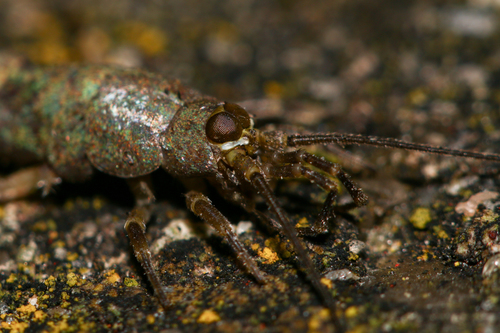
Petrobius is a genus of jumping bristletails in the family Machilidae. Many of these ancestral insects are restricted to rocky shorelines especially of northern Europe and America.

Stylops
thumb|
Stylops is a genus of obligately endoparasitic insects in the family Stylopidae. Hosts are typically members of the order Hymenoptera.
Thermobia
Thermobia (from Ancient Greek θερμός (thermós), meaning "warmth", and βίος (bíos), meaning "life"] is a genus of silverfishes belonging to the family Lepismatidae. The genus was first erected as Termophila by Giovanni Battista Grassi in 1887, emended to Thermophila two years later, and renamed to Thermobia by Ernst Evald Bergroth in 1890. By far the best known member of the genus is the firebrat (T. domestica), which is often seen in warm places indoors such as bakeries.
Ctenolepisma
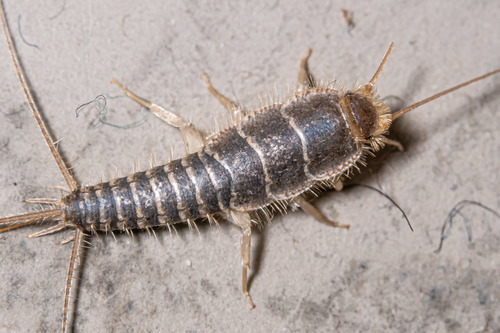
Ctenolepisma is a genus of primitive insects in the order Zygentoma, closely related to the silverfish and firebrat but less reliant on human habitation, some species being found both indoors and outdoors and some found exclusively outdoors. The genus is distributed nearly worldwide in warm regions. Australia lacks native Ctenolepisma, but is home to introduced species.
==Nomenclature==
Most authors have historically treated the nomenclatural gender of Ctenolepisma as feminine, but in 2018 the International Commission on Zoological Nomenclature issued a formal ruling (ICZN Opinion 2427) statin
Haematomyzus
Haematomyzus is a monotypic genus of lice with 3 species. The genus is placed in its own family Haematomyzidae, itself monotypic within the parvorder Rhynchophthirina (previously ranked as a superfamily). These unusual lice are ectoparasites of elephants and warthogs. Their mouthparts are elongated to form a drill-like structure that allows them to penetrate the thick skin of their host.

Zorotypus
Zorotypus is a genus of angel insects in the family Zorotypidae.
Sinopanorpa
Sinopanorpa is a genus of scorpionflies.
Xenos
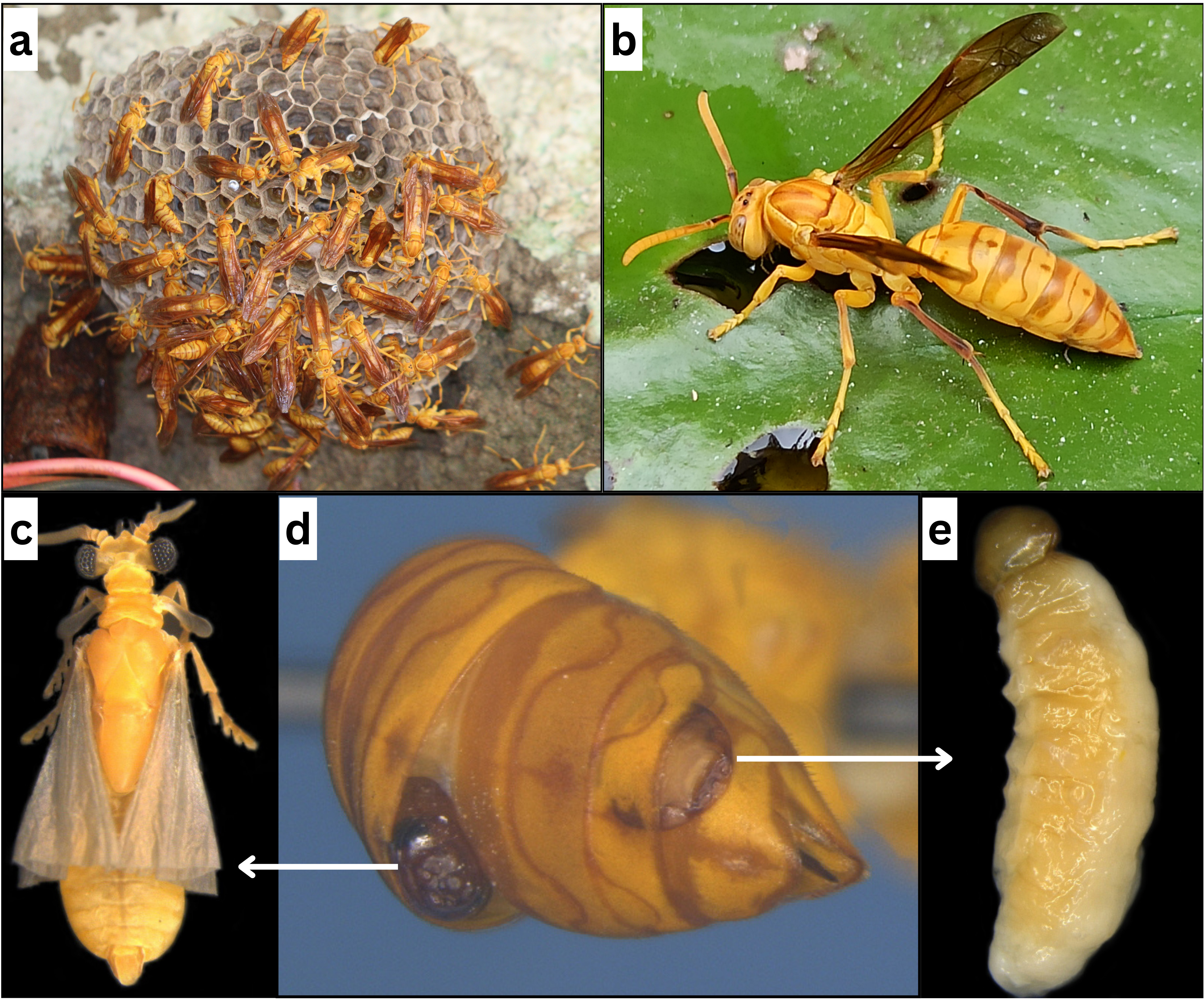
genus of insects
Acanthacorydalis
Acanthacorydalis is a genus of insects belonging to the family Corydalidae.

Corydalus
Corydalus is a genus of large flying insects in the Corydalidae family, commonly known as dobsonflies. They are endemic to North, Central and South America and there are about 35 known species. Members of the genus have wing lengths of up to 85 millimetres. They are sexually dimorphic, with the males having large mandibles used to grasp the females during mating while the females have smaller jaws. The larvae are known as hellgrammites and are aquatic predators.

Agulla
genus of insects
Elenchus
genus of insects
Harpobittacus
Harpobittacus is a genus of hangingfly of the family Bittacidae found in Australia.
Alena
genus of snakeflies
Anelpistina
Nicoletia is a genus of silverfish in the family Nicoletiidae. As of 2007, it contains the former members of two other genera.
Mesomachilis
Mesomachilis is a genus of jumping bristletails in the family Machilidae. There are about six described species in Mesomachilis.
Neoneuromus
Neoneuromus is a genus of dobsonfly endemic to the Indomalayan realm with 13 species. The larvae breed in montane streams. Adults are large with a forewing of 43 to 68 mm length and the body is yellow to red or brown with black marks on the head and pronotum. The wings are marked in dark patterning in the membrane and along the veins. They are closely related to Nevromus from which they are separated by the attenuation of the ninth sternum with an incised tip.

Menacanthus
Menacanthus is a genus of chewing lice which parasitise birds. The taxonomy of this genus is highly uncertain. Most taxonomies have given this genus as having over a hundred species, but recent studies have synonymised dozens of species and found other names to be invalid. Some Menacanthus species remain to be discovered, or are synonymised in error. Menacanthus lice feed on the blood of a wide variety of birds, including chickens, by piercing the quills of feathers and gnawing the epidermis. In doing so, they can spread disease and lower egg production. In Menacanthus stramineus, eggs are inc
Aposthonia
Aposthonia is a genus of webspinners of the family Oligotomidae. The genus was described by Krauss in 1911.
==Species==
Species of this genus include

Machiloides
Machiloides is a genus of rock bristletails in the family Meinertellidae. There are at least two described species in Machiloides.
thumb|Machiloides banksi
Fibla
Fibla is a genus of snakeflies belonging to the family Inocelliidae.
Panorpodes
Panorpodes is a genus of scorpionflies in the family Panorpodidae, containing the following species:

Halipeurus
Halipeurus is a genus of parasitic bird lice in the family Philopteridae.

Anaticola
Anaticola is a genus of lice belonging to the family Philopteridae, which was first described in 1935 by Theresa Clay.
Mongoloraphidia
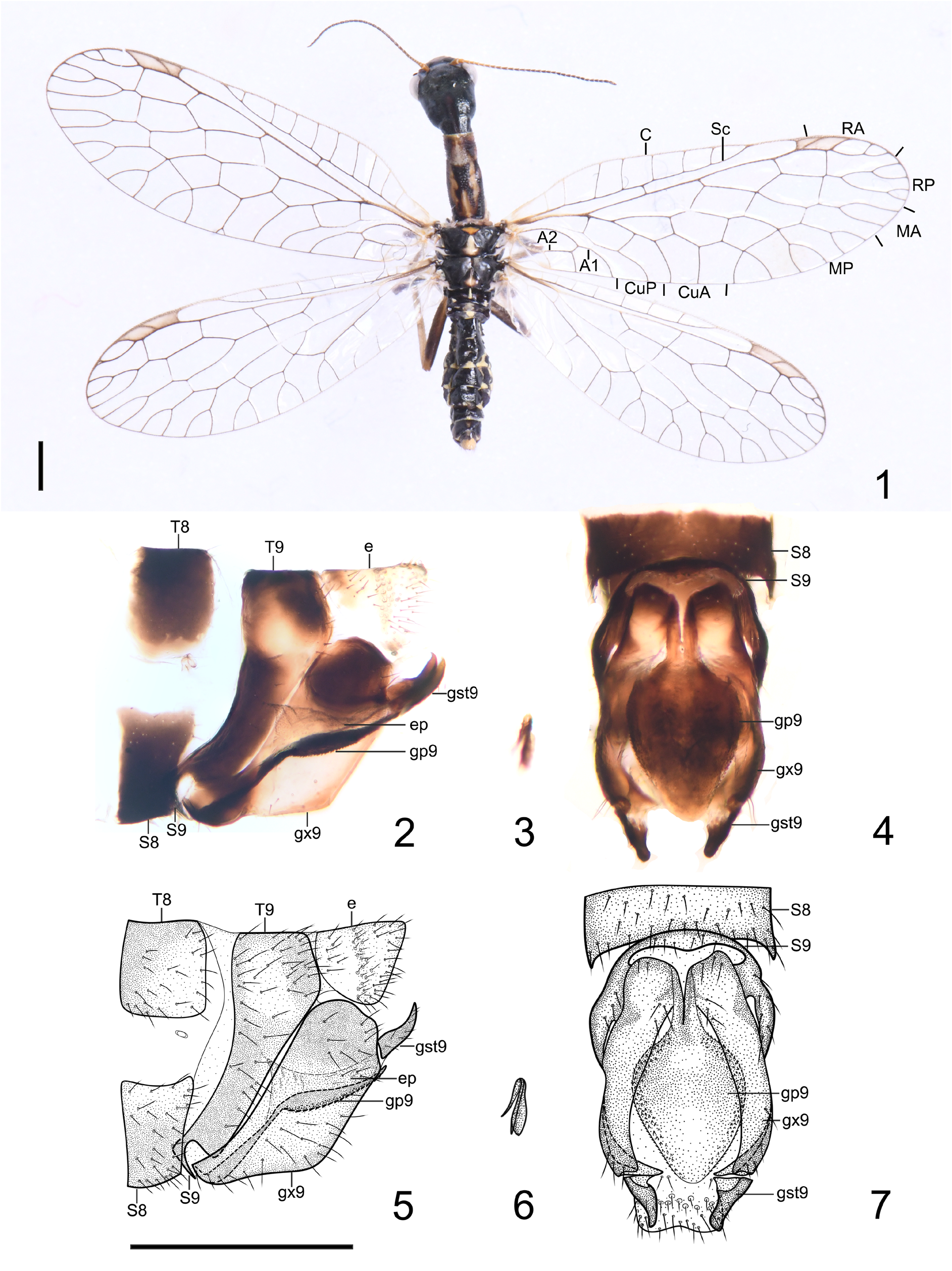
Mongoloraphidia is a genus of snakefly in the family Raphidiidae comprising 65 species distributed throughout Central and Eastern Asia. It is the most species-rich genus of the eastern Palearctic Raphidiidae and forms the ecological and evolutionary core of the region's snakefly fauna.
Oligotoma
Oligotoma is a genus of webspinners, insects in the order Embioptera, also known as Embiidina. The type species is Oligotoma saundersii and the type locality the Indian subcontinent. The males have wings but the females are flightless. Embiids are recognisable by the enlarged front tarsi, which contain a large number of silk glands that they use to spin the threads they use for building the tubes and galleries in which they live.
Dilta
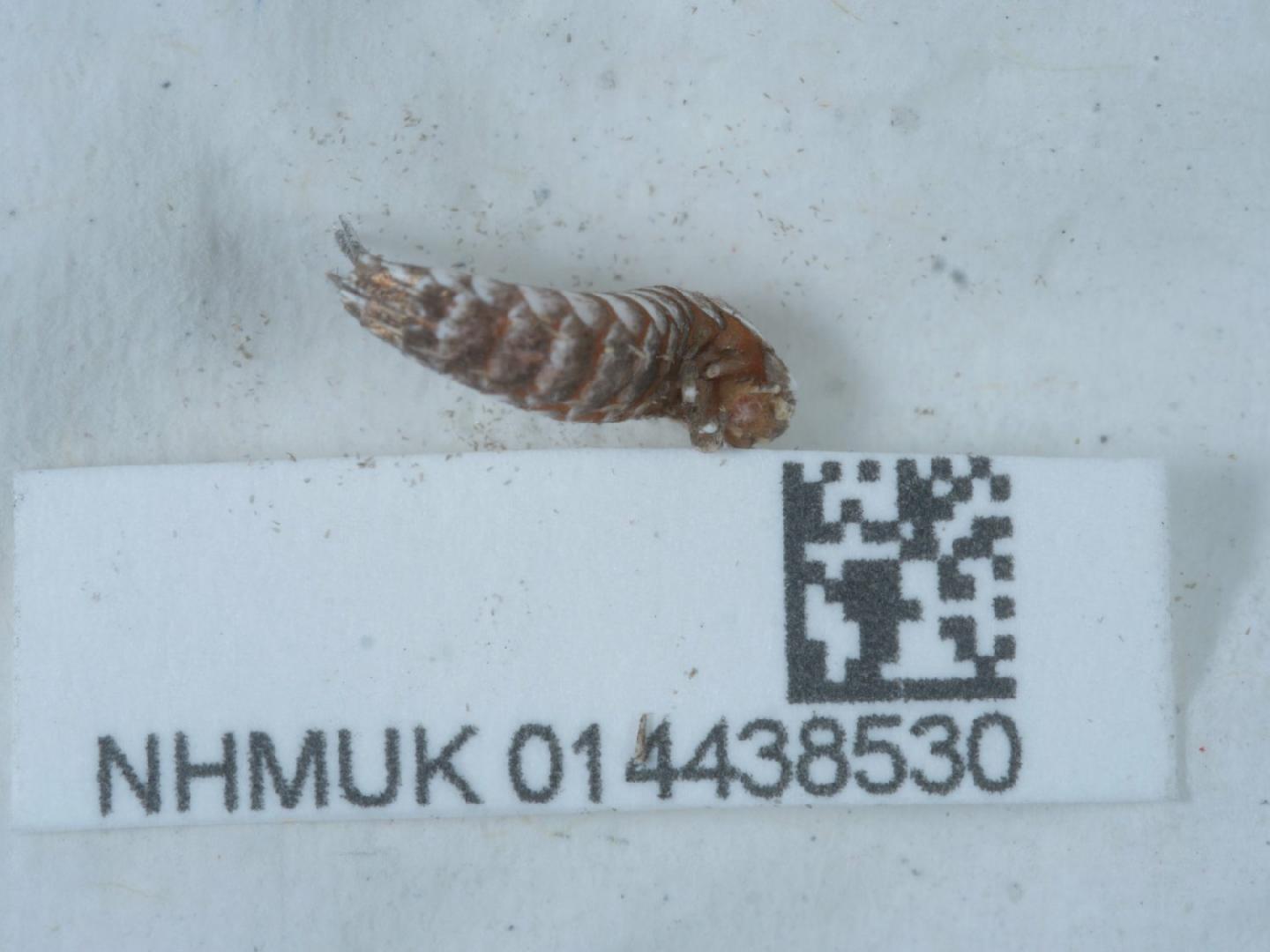
Dilta is a genus of primitive insects belonging to the family Machilidae. These insects are slender and wingless with dull, often mottled, colouring. They are typically found on the ground in heavily vegetated places. Dilta spp are restricted to western Europe and parts of north Africa.

Pedetontus
Pedetontus is a genus of jumping bristletails in the family Machilidae. There are about 10 described species in Pedetontus.
Myrsidea
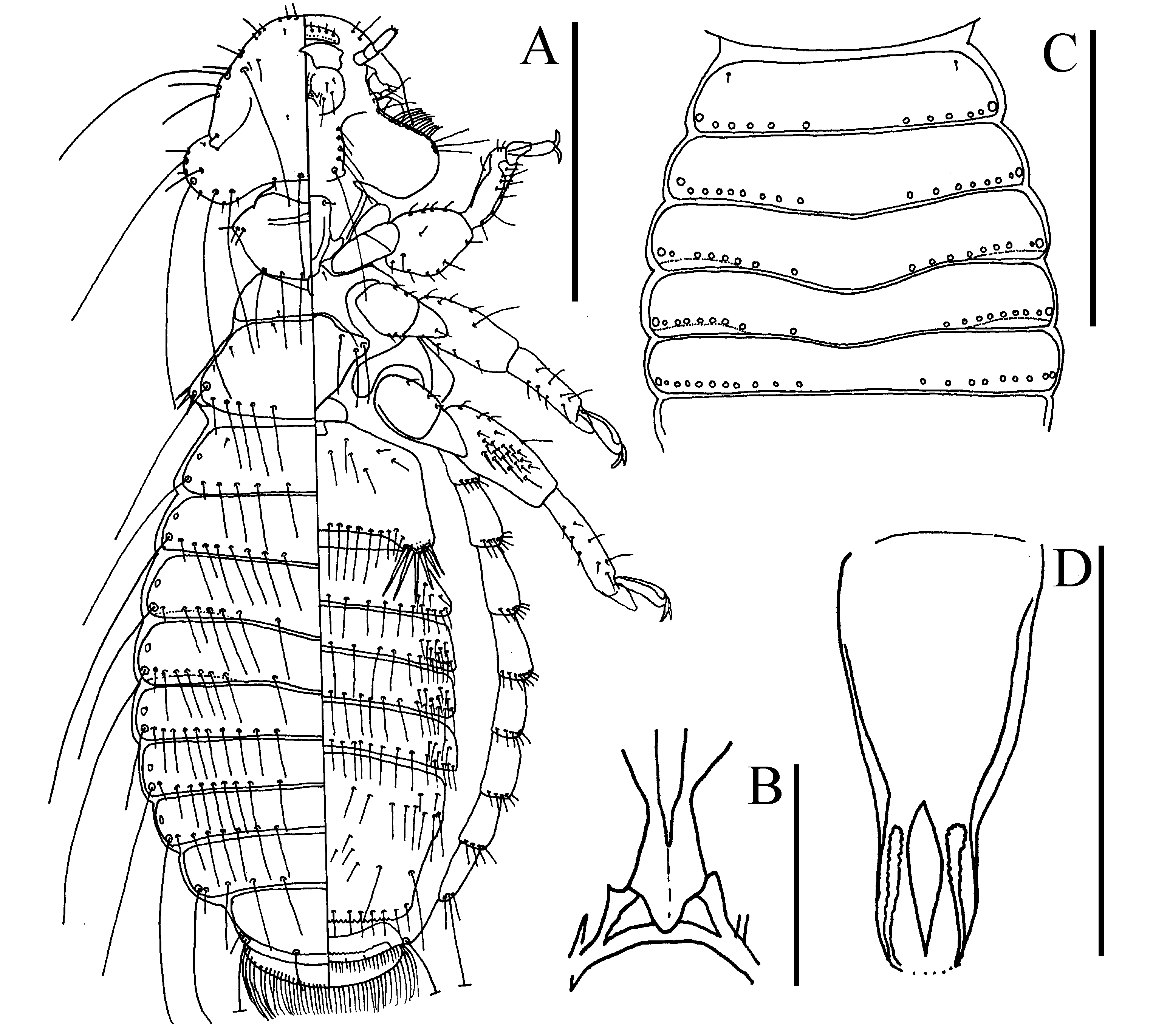
Myrsidea is a genus of lice belonging to the family Menoponidae. The genus has cosmopolitan distribution.

Campanulotes
Campanulotes is a genus of lice in the disputed, probably paraphyletic, family Philopteridae, the chewing lice, or in the family Goniodidae.

Apterygon
Apterygon is a genus of louse. It is endemic to New Zealand and is an ectoparasite of kiwi birds (Apteryx). Theresa Clay circumscribed the genus in 1961. In 1947, she had referred to this genus as "New Genus D", but it was not formally named as she needed to confirm the host of her specimen as well as additional material.

Rallicola
Rallicola is a genus of chewing louse. It is an ectoparasite of rails and other birds. It was named by Thomas Harvey Johnston and Launcelot Harrison in 1911. There are two subgenera aside from the nominotypical subgenus: Aptericola, whose species are found on kiwis, and Huiacola, a monospecific subgenus consisting of Rallicola extinctus, once found on the huia.
Machilis
Machilis is a genus of jumping bristletails in the family Machilidae.

Harrisoniella
Harrisoniella is a genus of insects belonging to the family Philopteridae.
Petridiobius
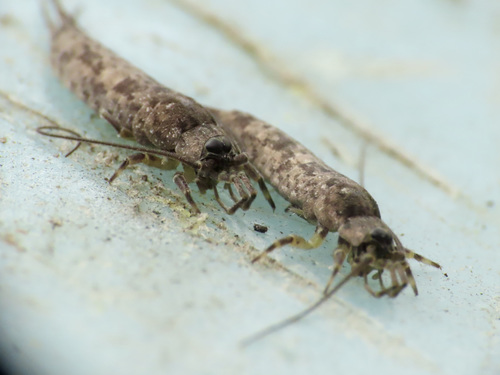
Petridiobius is a genus of jumping bristletails in the family Machilidae. There are at least two described species in Petridiobius.
Halictoxenos
Halictoxenos is a genus of insects belonging to the family Stylopidae.
Nigronia
Nigronia is a genus of megalopterous insects (dark fishflies) in the family of Corydalidae. The typical size of species in the Nigronia genus are 20-30 millimeters.