Category
page 1Insect infraorders
.jpg)
Cucujiformia
Cucujiformia is an infraorder of polyphagan beetles, representing most plant-eating beetles. Genetic studies have shown that the traditional superfamily "Cucujoidea" is not a single natural group, helping scientists better understand how "Cucujiformia" evolved. Rather transcriptomic evidence shows that Cucujiformia likely originated in the Permian, with major superfamily diversification during the Cretaceous time period, in connection with the rise of flowering plants.

Aculeata
Aculeata is an infraorder of Hymenoptera containing ants, bees, and stinging wasps. The name is a reference to the defining feature of the group, which is the modification of the ovipositor into a stinger. However, many members of the group cannot sting, either retaining the ovipositor, or having lost it altogether. A large part of the clade is parasitic.
Heteroneura
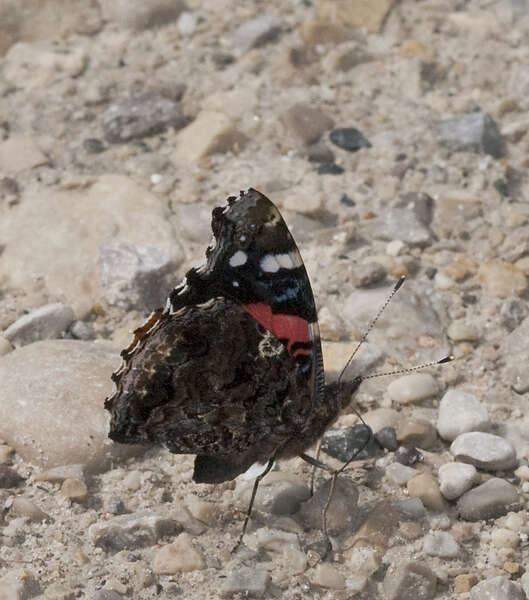
Heteroneura is a natural group (or clade) in the insect order Lepidoptera that comprises over 99% of all butterflies and moths. This is the sister group of the infraorder Exoporia (swift moths and their relatives), and is characterised by wing venation which is not similar or homoneurous in both pairs of wings. Though basal groups within the Heteroneura cannot be identified with much confidence, one major subgroup is the leaf-mining Nepticuloidea. Species in this subgroup include some of the smallest lepidopterans identified.
Elateriformia
Elateriformia is an infraorder of polyphagan beetles. The two largest families in this group are buprestids, of which there are around 15,000 described species, and click beetles, of which there are around 10,000 described species.
Bostrichiformia
Bostrichiformia is an infraorder of polyphagan beetles.
Cicadomorpha
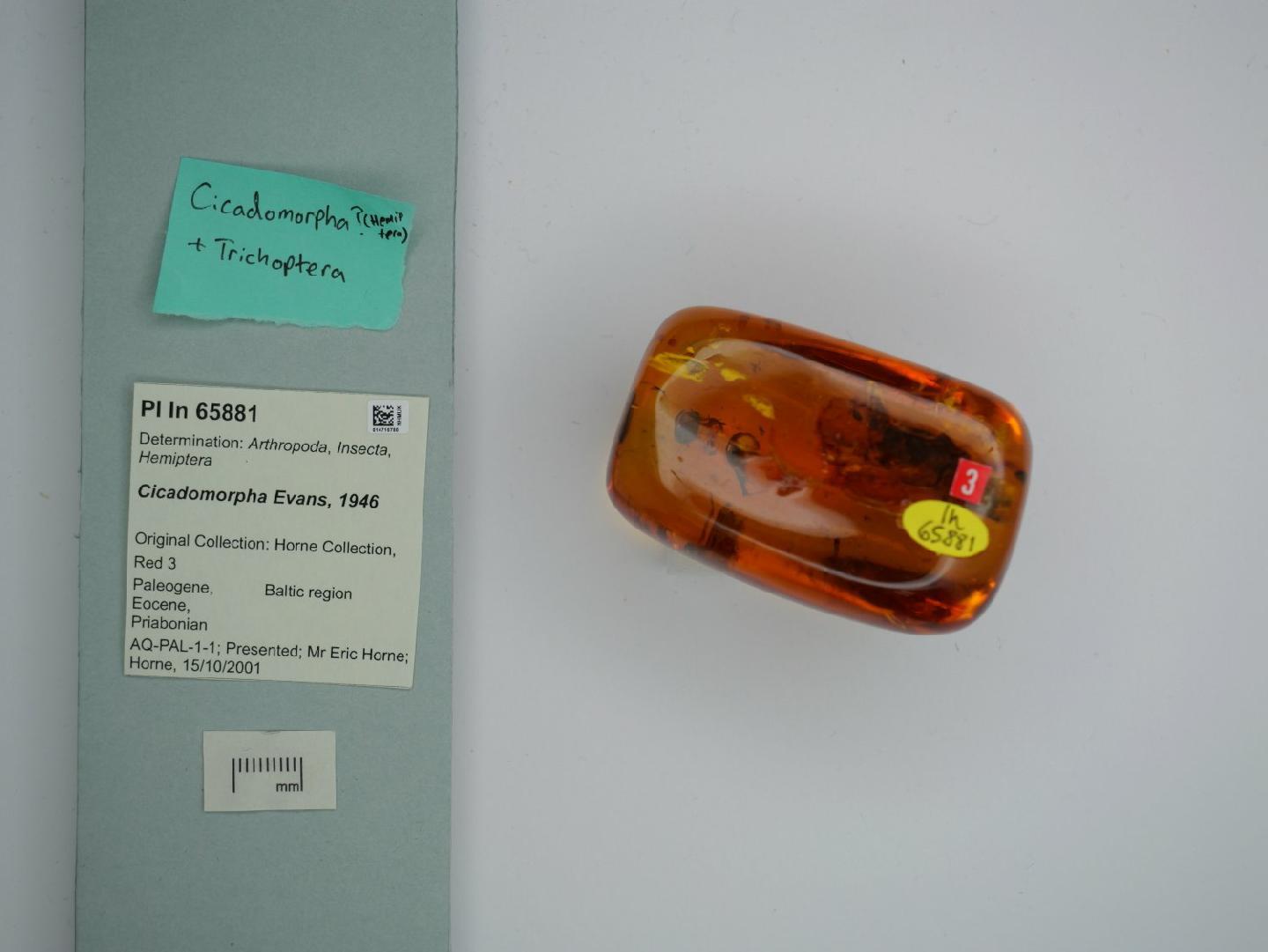
Cicadomorpha is an infraorder of the insect order Hemiptera which contains the cicadas, leafhoppers, treehoppers, and spittlebugs. There are approximately 35,000 described species worldwide. Distributed worldwide, all members of this group are plant-feeders, and many produce either audible sounds or substrate vibrations as a form of communication. The earliest fossils of cicadomorphs first appear during the Late Permian. Notable extinct members include the "giant cicadas" belonging to Palaeontinidae.

Pentatomomorpha
The Pentatomomorpha are an infraorder of insects in the true bug order Hemiptera. The group includes such animals as the shield- or stink-bugs (Pentatomidae and alies), flat bugs (Aradidae), seed bugs (Lygaeidae and Rhyparochromidae), etc. They are closely related to the Cimicomorpha.
Staphyliniformia
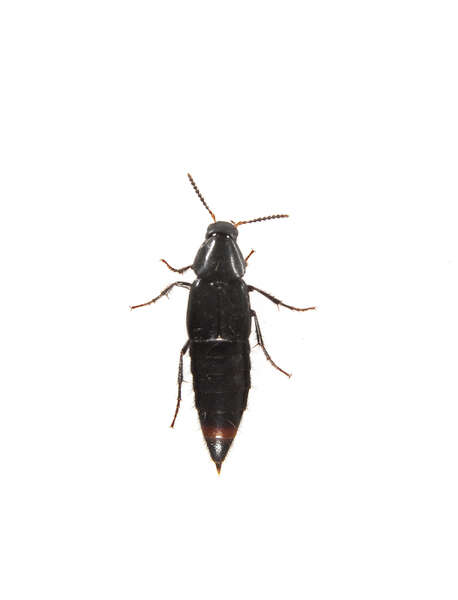
Staphyliniformia is a large infraorder of beetles. It contains over 70,000 described species from all regions of the world. Most species occur in moist habitats - various kinds of rotting plant debris, fungi, dung, carrion, many live in fresh water.
Muscomorpha
The Brachyceran infraorder Muscomorpha is a large and diverse group of flies, containing the bulk of the Brachycera and most of the known flies. It includes a number of the most familiar flies, such as the housefly, the fruit fly, and the blow fly. The antennae are short, usually three-segmented, with a dorsal arista. Their bodies are often highly setose, and the pattern of setae is often taxonomically important.

Nepomorpha
Nepomorpha is an infraorder of insects in the "true bug" order (Hemiptera). They belong to the "typical" bugs of the suborder Heteroptera. Due to their aquatic habits, these animals are known as true water bugs. They occur all over the world outside the polar regions, with about 2,000 species altogether. The Nepomorpha can be distinguished from related Heteroptera by their missing or vestigial ocelli. Also, as referred to by the obsolete name Cryptocerata ("the hidden-horned ones"), their antennae are reduced, with weak muscles, and usually carried tucked against the head.

Culicomorpha
The Culicomorpha are an infraorder of Nematocera, including mosquitoes, black flies, and several extant and extinct families of insects. They originated 176 million years ago, in the Early Jurassic period. There are phylogenetic patterns that are used to interpret bionomic features such as differences in the nature of blood-feeding by adult females, daytime or nighttime feeding by adult females, and occurrence of immature stages in aquatic habitats.
Gerromorpha
The Gerromorpha comprise an infraorder of insects in the "true bug" order Hemiptera. These "typical" bugs (suborder Heteroptera) are commonly called semiaquatic bugs or shore-inhabiting bugs. The Ochteroidea (infraorder Nepomorpha are also found in shore habitat, while the Gerromorpha are actually most often encountered running around on the water surface, being kept from sinking by surface tension and their water-repellent legs. Well-known members of the Gerromorpha are the namesake Gerridae (water striders).
Bibionomorpha
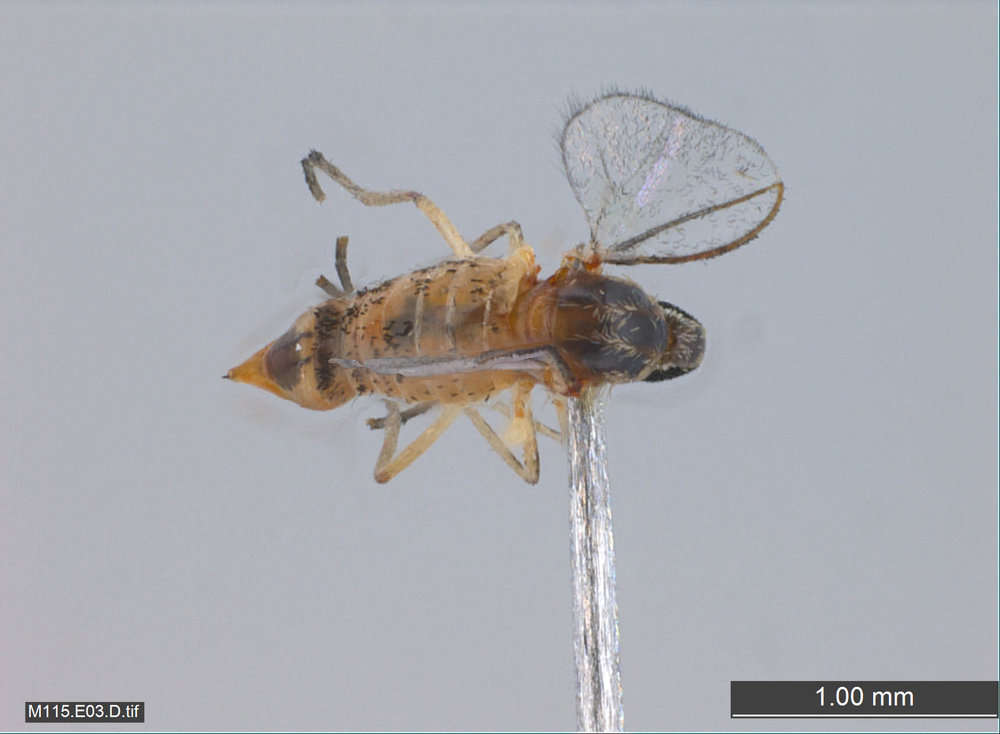
The Bibionomorpha are an infraorder of the suborder Nematocera. One of its constituent families, the Anisopodidae, is the presumed sister taxon to the entire suborder Brachycera. Several of the remaining families in the infraorder (those shown without common names) are former subfamilies of the Mycetophilidae, which has been recently subdivided. The family Axymyiidae has recently been removed from the Bibionomorpha to its own infraorder Axymyiomorpha.
Cimicomorpha
The Cimicomorpha are an infraorder of insects in the order Hemiptera, the true bugs. The rostrum and other morphology of some members apparently is adapted to feeding on animals as their prey or hosts. Members include bed bugs, bat bugs, assassin bugs, and pirate bugs.
Parasitica
Parasitica (the parasitican wasps) is an obsolete, paraphyletic infraorder of Apocrita containing the parasitoid wasps. It includes all Apocrita except for the Aculeata. Parasitica has more members as a group than both the Symphyta and the Aculeata combined.
Exoporia
The Exoporia are a group of primitive Lepidoptera comprising the superfamilies Mnesarchaeoidea and Hepialoidea. They are a natural group or clade. Exoporia is the sister group of the lepidopteran infraorder Heteroneura. They are characterised by their unique female reproductive system which has an external groove between the ostium bursae and the ovipore by which the sperm is transferred to the egg rather than having the mating and egg-laying parts of the abdomen with a common opening (cloaca) as in other nonditrysian moths, or with separate openings linked internally by a "ductus seminalis" a

Tipulomorpha
The Tipulomorpha are an infraorder of Nematocera, containing the crane flies, a very large group, and allied families.
Psychodomorpha
The nematoceran infraorder Psychodomorpha (sometimes misspelled as Psychomorpha, which is the name of a genus of noctuid moths) includes three families, Psychodidae, Blephariceridae, and Tanyderidae, as well as the superfamily Scatopsoidea, which contains the families Canthyloscelidae, Scatopsidae and Valeseguyidae.
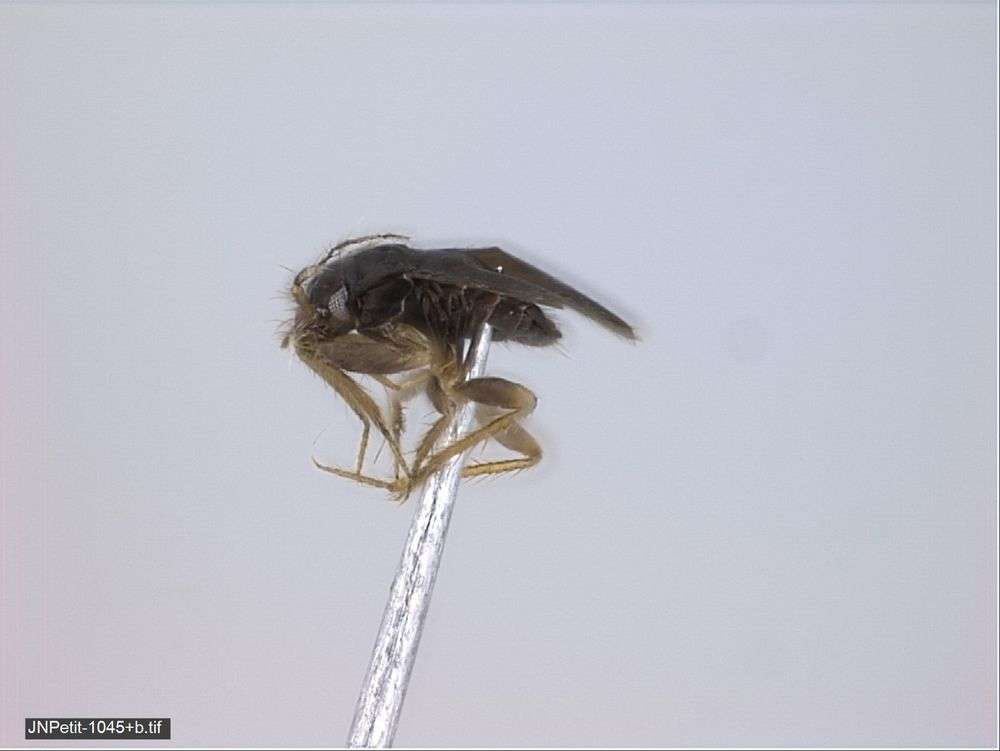
Dipsocoromorpha
Dipsocoromorpha is an infraorder of insects in the order Hemiptera (true bugs) containing roughly 300 species, in one superfamily, Dipsocoroidea. The insects of this group live on the ground and in the leaf litter, though they can also be found in mangroves, low vegetation areas, and interstitial areas of streams.
Tabanomorpha
The Brachyceran infraorder Tabanomorpha is a small group that consists primarily of two large families, the Tabanidae (horse and deer flies) and Rhagionidae (snipe flies), and an assortment of very small affiliated families, most of which have been (or could be, or sometimes are) included within the Rhagionidae.
Leptopodomorpha
Leptopodomorpha is an infraorder of insects in the order Hemiptera (true bugs). Leptopodomorpha is an infraorder of the order Heteroptera that contains more than 380 species. These small insects are also called shore bugs, or spiny shore bugs. As their name suggests, shore bugs range from being intertidal, to living near streams and lakes. Four families belong to this infraorder, the largest of which is Saldidae with about 350 species, compared to about 30 in Leptopodidae, and only 5 and 1 in Omaniidae and Aepophilidae respectively. Saldidae are known in particular for their jumping ability.
Blephariceromorpha
The Blephariceromorpha are an infraorder of nematoceran flies, including three families associated with fast-flowing, high-mountain streams, where the larvae can be found.
Stratiomyomorpha
REDIRECT Stratiomyoidea
Asilomorpha
The Brachyceran infraorder Asilomorpha is a large and diverse group of flies, containing the bulk of the nonmuscoid Brachycera. The larvae of asilomorphs are extremely diverse in habits, as well.
Ptychopteromorpha
Ptychopteromorpha is a taxonomic group within the suborder Nematocera consisting of two uncommon families. In older classifications, these families were included within the infraorder Tipulomorpha, based on superficial similarities (e.g., slender bodies and long legs). The inclusion of the families Tanyderidae and Ptychopteridae was based on the foldability of the last tarsomere in males. Molecular studies show no close relationship between the Tanyderidae and the Ptychopteridae, and support for this grouping is limited.
Acrididea
Acrididea including the Acridomorpha is an infraorder of insects that describe the grasshoppers (thus also locusts) and ground-hoppers. It contains a large majority of species in the suborder Caelifera and the taxon Acridomorpha may also be used, which excludes the Tetrigoidea. Both names are derived from older texts, such as Imms, which placed the "short-horned grasshoppers" and locusts at the family level (Acrididae). The study of grasshopper species is called acridology.
Phytophaga
Phytophaga is a clade of beetles within the infraorder Cucujiformia consisting of the superfamilies Chrysomeloidea and Curculionoidea that are distinctive in the plant-feeding habit combined with the tarsi being pseudotetramerous or cryptopentamerous, where the fourth tarsal segment is typically greatly reduced or hidden by the third tarsal segment. The Cucujoidea are a sister to the Phytophaga. In some older literature the term Phytophaga was applied only to the Chrysomeloidea.
Orthorrhapha
Orthorrhapha is a circumscriptional name which historically was used in entomology for an infraorder of Brachycera, one of the two suborders into which the order Diptera, the flies, are divided. As the group was paraphyletic, it has not been used in classifications in the last decade, and is effectively obsolete. However, many catalogs, checklists, and older works still contain the name. The taxa that used to be in the Orthorrhapha now comprise all of the infraorders in Brachycera excluding the Muscomorpha (= "Cyclorrhapha").
Scarabaeiformia
REDIRECT Scarabaeoidea
Tettigoniidea
Tettigoniidea is an infraorder of the order Orthoptera, with six extant families.
Aphidomorpha
Aphidomorpha is an infraorder within the insect order Sternorrhyncha which includes the aphids and their allies in the superfamilies Adelgoidea, Phylloxeroidea and Aphidoidea. This group also includes numerous fossil taxa of uncertain placement, such as these other superfamilies Triassoaphidoidea, Genaphidoidea, Palaeoaphidoidea, and Tajmyraphidoidea.
Gryllidea
Gryllidea is an infraorder that includes crickets and similar insects in the order Orthoptera. There are two superfamilies, and more than 6,000 described species in Gryllidea.
thumb|Velarifictorus micado
Psocetae
Psocetae is an infraorder of bark lice in the order Psocodea (formerly Psocoptera), within the suborder Psocomorpha. It includes the families Hemipsocidae, Myopsocidae, Psilopsocidae and Psocidae.
==Characteristics==
Species in Psocetae are characterized by an oval shaped head with a distinct crevice across the median plane. The tarsi are divided into two segmented pieces, and a group of short curved appendages on each limb is present. The subgenital plate of the exoskeleton on the abdomen is rounded, and both lateral (side) plates are broad and rounded as well.
==References==
Tridactylidea
The infraorder Tridactylidea has a single extant superfamily which includes pygmy mole crickets; they are thought to be sister to all other lineages in the Caelifera, the Orthopteran suborder that includes grasshoppers.
Proctotrupomorpha
Proctotrupomorpha is a major subgrouping of the Apocrita within the Hymenoptera, containing mainly small parasitic wasps. It contains the major groupings of Chalcidoidea, Diaprioidea, Proctotrupoidea, Cynipoidea and Platygastroidea, as well as the small Mymarommatoidea, and extinct groups like the Serphitoidea. It is well supported by both morphological and genetic evidence, although relationships among the superfamilies are still somewhat in flux.