Category
page 1Insects described in 1971

Anisogomphus solitaris
species of insect

Dinoponera quadriceps
species of insect

Oreocnemis phoenix
species of insect
Pseudagrion inopinatum
species of insect
Blepharomyia angustifrons
species of insect
Leucostoma abbreviatum
species of insect

Campiglossa lubrica
species of insect
Scleropogon haigi
species of insect
Stenopogon lomae
species of insect
Phytomyza multifidae
species of insect
Campiglossa venusta
species of insect
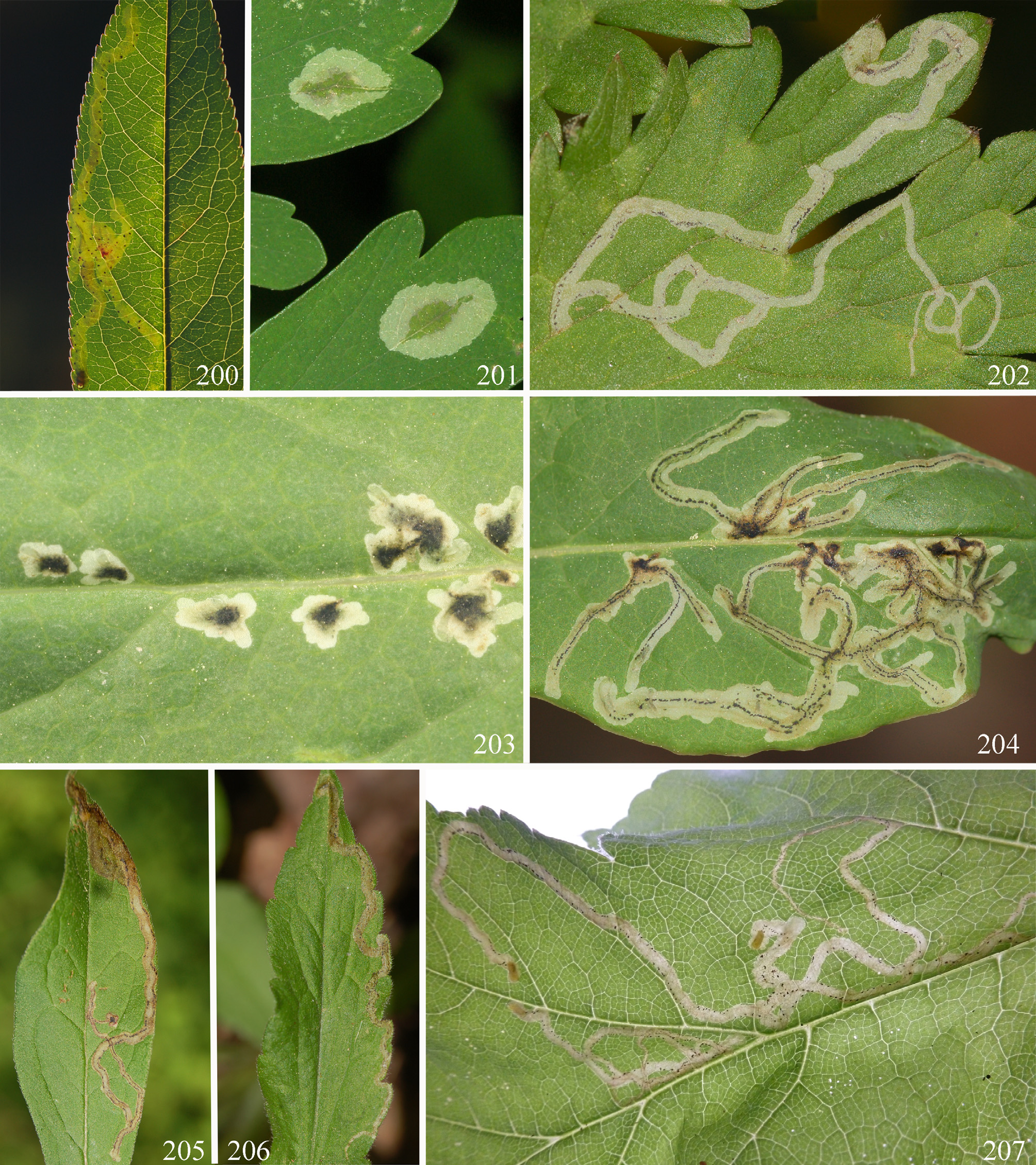
Phytomyza solidaginophaga
species of insect
Mortonagrion ceylonicum
species of insect
Stenopogon obispae
species of insect
Coelotanypus atus
species of insect
Rhyacophila acutiloba
species of insect
Tephritis oligostictica
species of insect
Gymnosoma acrosterni
species of insect

Drosophila montgomeryi
species of insect
Drepanosticta sinhalensis
species of insect

Drosophila obatai
species of insect
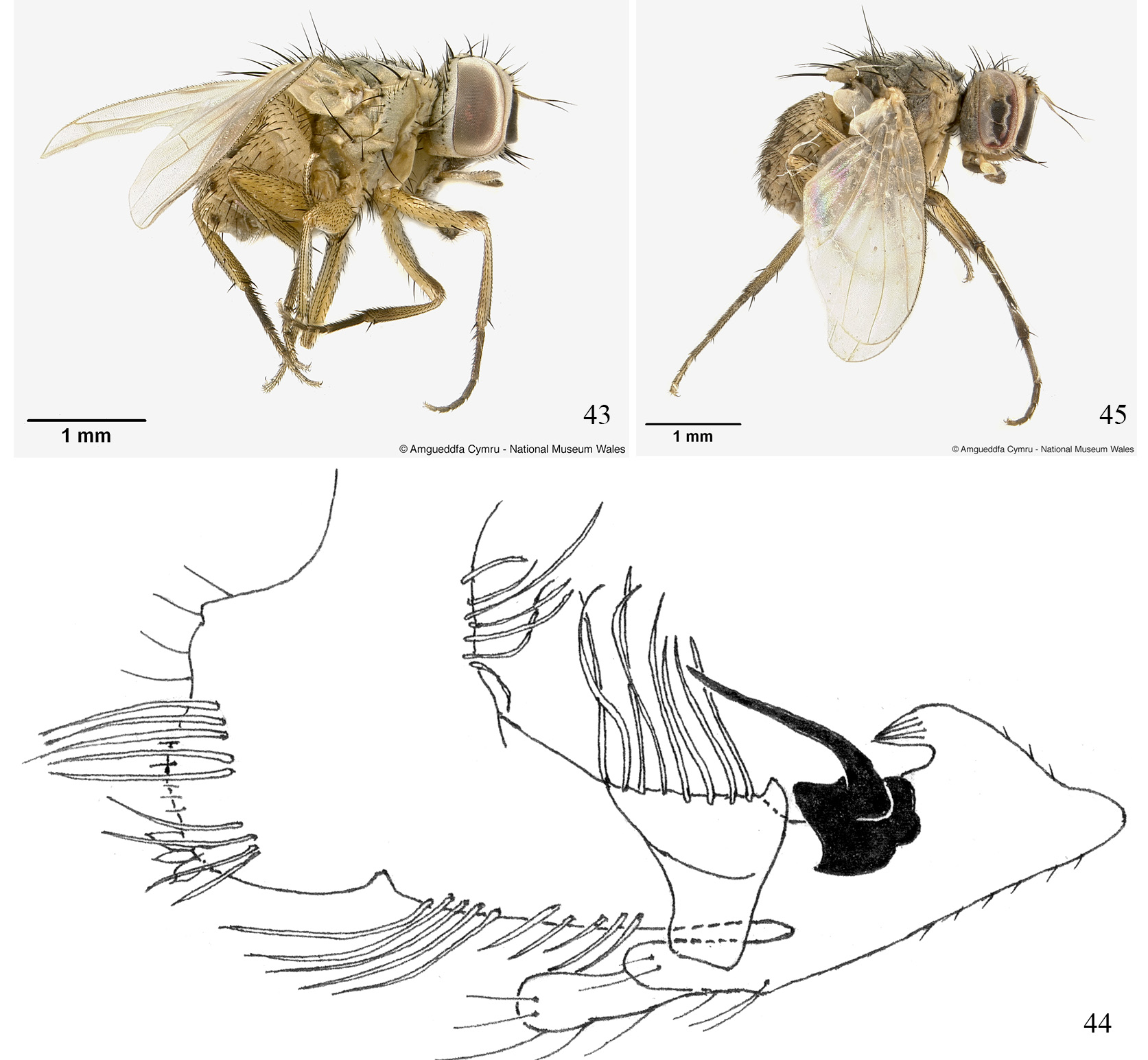
Atherigona yorki
species of insect
Gymnosoma neotropicale
species of insect
Polymorphomyia footei
species of insect
Actia dubitata
species of insect

Myrmecocystus wheeleri
species of insect
Lixophaga townsendi
species of insect
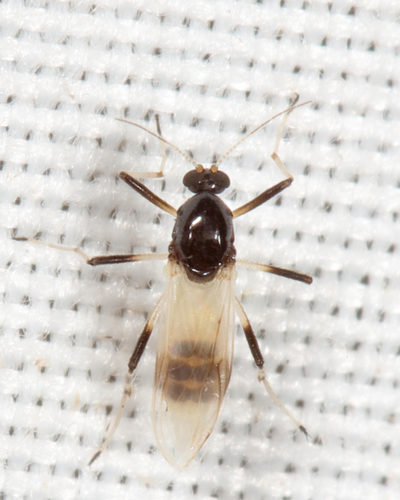
Probezzia albitibia
species of insect
Diadegma meridionator
species of insect
Ceratophyllus igii
species of insect
Maoricicada myersi
species of cicada endemic to New Zealand
Atherigona ponti
species of insect
Homoeotricha procusa
species of insect
Cladochaeta sturtevanti
species of insect
Hydrellia personata
species of insect
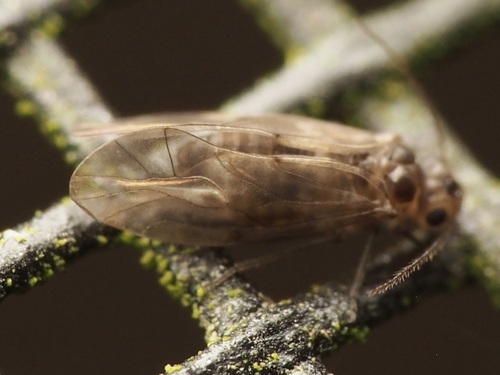
Peripsocus minimus
species of insect
Minettia shewelli
species of fly
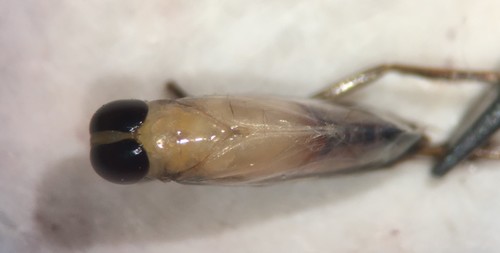
Buenoa marki
species of insect
Miomantis bintumanensis
species of insect
Nepenthosyrphus venustus
species of insect
Peripsocus maculosus
species of insect
Peripsocus alachuae
species of insect
Ornithomya cecropis
species of insect
Tasmanoplectron
Tasmanoplectron isolatum is a rare nocturnal species of cave cricket, and is the only species represented in the genus Tasmanoplectron, belonging to the family Rhaphidophoridae. In 1971, Aola M. Richards was first to describe this species in Tasmania, Australia, where its geographical distribution is restricted to. The genus is thought to have affinities with New Zealand fauna due to its marked differences from the other Australian Rhaphidophoridae.