Category
page 1International humanitarian law
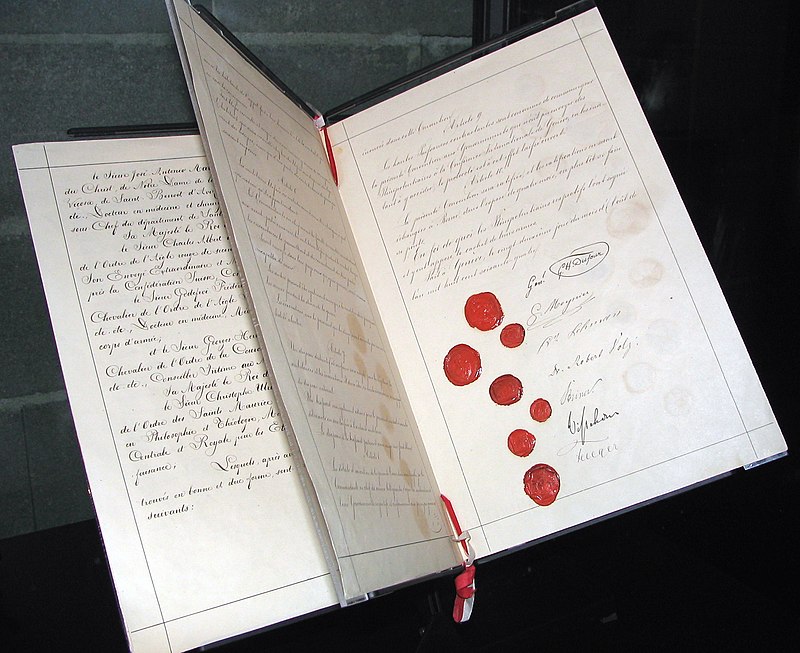
international humanitarian law
set of rules which seek, for humanitarian reasons, to limit the effects of armed conflict
law of war
international laws concerning wars

non-combatant
thumb|A Swedish Army [[medic wearing a Red Cross treats an Afghan civilian in 2006, during the War in Afghanistan. They would be considered non-combatants in the war.]]
In the law of war and international humanitarian law, a non-combatant is a person who is not or is no longer actively participating in hostilities. This includes civilians; people such as combat medics and military chaplains, who are members of the belligerent armed forces but are protected because of their specific duties; combatants who are hors de combat; and neutral persons, such as peacekeepers, who are not involved in fig
hors de combat
soldiers unable to fight
Protected persons
legal term in international humanitarian law
indiscriminate attack
military attack that fails to distinguish between legitimate military targets and protected persons
Medical neutrality
principle of noninterference with medical services in times of armed conflict and civil unrest
distinction
principle under international humanitarian law governing the legal use of force in an armed conflict, whereby belligerents must distinguish between combatants and civilians
San Remo Manual on International Law Applicable to Armed Conflicts at Sea
Document by the International Institute of Humanitarian Law
Customary international humanitarian law
body of unwritten rules
migrant integration
process of social integration of immigrants or immigrated persons
Human shields
Designation in humanitarian law