Category
page 1International Space Station

International Space Station
The International Space Station (ISS) is a space station in low Earth orbit (LEO). It is the product of the International Space Station program and is operated by five partner space agencies: NASA, Roscosmos (Russia), ESA (Europe), JAXA (Japan), and CSA (Canada). It is the first space station built, maintained and crewed through international cooperation and the largest human spacecraft ever constructed. It is an orbital research station, where scientific experiments in microgravity are conducted and the space environment is studied. Since 2 November 2000, it has hosted the longest continuous presence of humans in space. Alongside Tiangong, it is one of the only two currently operational space stations.
list of International Space Station expeditions
Wikimedia list article

Axiom Space
private American aerospace company
NASA X-38
airplane
Space Station Freedom
proposed American space station, predecessor to the International Space Station
assembly of the International Space Station
Wikimedia list article
Commercial Resupply Services
flights awarded by NASA for the delivery of cargo and supplies to the International Space Station on commercially operated spacecraft
Kirobo
Kirobo is Japan's first robot astronaut, developed by University of Tokyo and Tomotaka Takahashi, to accompany Koichi Wakata, the first Japanese commander of the International Space Station. Kirobo arrived on the ISS on August 10, 2013, on JAXA's H-II Transfer Vehicle Kounotori 4, an unmanned resupply spacecraft launched August 4, 2013 from Japan's Tanegashima Space Center. A twin to Kirobo, named Mirata, was created with the same characteristics, and stayed on Earth as a backup crew member.
The word "kirobo" itself is a portmanteau of , which means "hope" in Japanese, and the word , used as a
Commercial Crew Program
NASA crew transportation partnership with private companies
list of human spaceflights to the International Space Station
Wikimedia list article
uncrewed spaceflights to the International Space Station
Wikimedia list article
FEDOR
FEDOR, colloquially known as Fyodor the robot (), is a Russian humanoid robot that replicates movements of a remote operator and can perform some actions autonomously. Originally intended for rescue operations, it was sent on an experimental mission to the International Space Station in 2019. FEDOR is an acronym for "Final Experimental Demonstration Object Research" and a hint to the Russian male given name Fyodor (Фёдор) when transliterated without diacritics.

list of International Space Station spacewalks
Wikimedia list article
list of Soyuz missions
Wikimedia list article
Commercial Crew Development
NASA space development partnership with private companies
Orbital Piloted Assembly and Experiment Complex
Proposed Russian space station
Christmas on the International Space Station
Christmas traditions and celebration in the International Space Station
list of visitors to the International Space Station
Wikimedia list article
Roll-Out Solar Array
type of flexible, lightweight solar panel
Crew Return Vehicle
proposed dedicated lifeboat or escape module for the International Space Station
Khartron
JSC "Khartron" (Hartron) (Ukrainian: Хартрон, formerly NPO "Electropribor", Russian: НПО "Электроприбор", meaning Scientific Production Association "Electrical device"; originally known as NII-692 or OKB-692 design bureau; afterwards known as KB electropriborostroeniya before being named NPO Electropribor) is one of the leading design engineering bureaus in Ukraine, which develops and produces spacecraft and missile control systems.
United Space Alliance
former American aerospace corporation
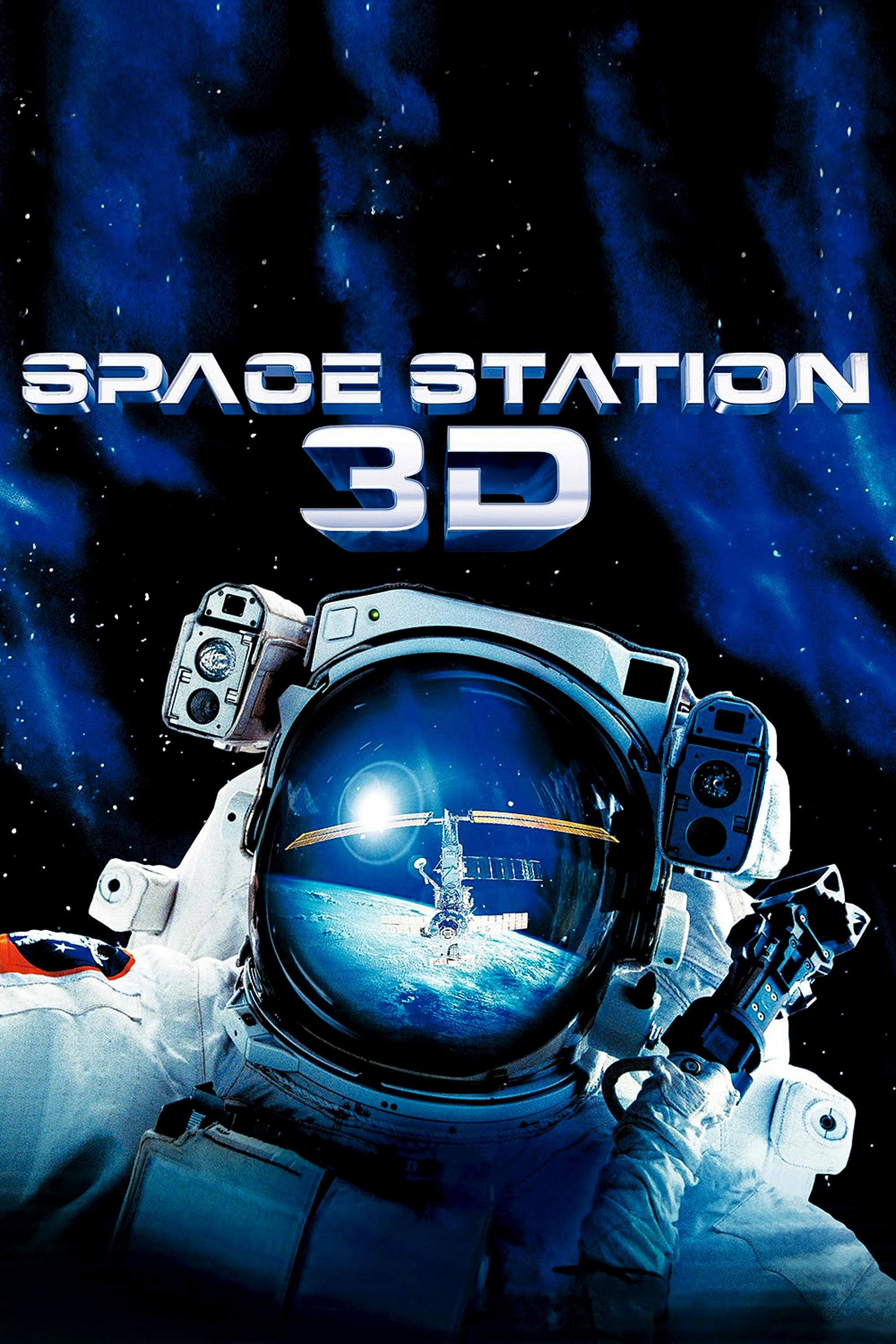
Space Station 3D
2002 documentary film directed by Toni Myers
Int-Ball
thumb|Peggy Whitson interacting with the JEM Internal Ball Camera.
The Int-Ball, also known as the JEM Internal Ball Camera, is a series of experimental, autonomous, self-propelled, and maneuverable ball cameras, deployed in the Japanese Kibō module of the International Space Station. The devices are intended to perform some of the photo-video documentation tasks aboard the ISS, reducing the workload of the station's crew. there have been two different Int-Ball cameras delivered to the station.
Missão Centenário

A Beautiful Planet
2016 film by Toni Myers
International Space Station program
ongoing space research program
Night Glider mode
configuration of the ISS solar arrays used to balance power generation and atmospheric drag
High Definition Earth Viewing cameras
former video camera platform on the International Space Station
Space Systems Processing Facility
facility at Kennedy Space Center used for the manufacture and processing of space hardwares
European Programme for Life and Physical Sciences in Space