Category
page 1Interregnums

Sede vacante
expression in Catholic and Anglican canon law referring to an episcopal vacancy
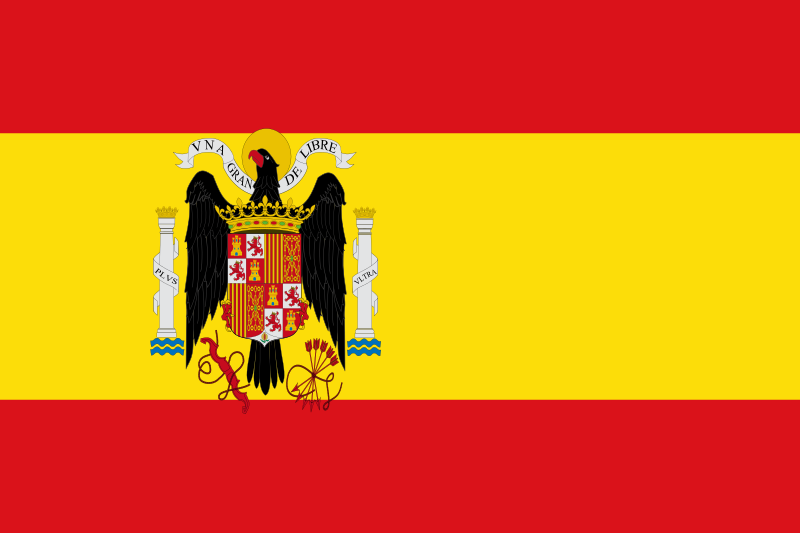
Francoist Spain
1939–1975 dictature period of Spain

Kingdom of Hungary
Central European state between 1920 and 1946
interregnum
An interregnum (plural interregna or interregnums) is a period of discontinuity or "gap" in a government, organization, or social order. Archetypally, it was the period of time between the reign of one monarch and the next (coming from Latin inter-, "between" and rēgnum, "reign" [from rex, rēgis, "king"]), and the concepts of interregnum and regency therefore overlap. Historically, longer and heavier interregna have been typically accompanied by widespread unrest, civil and succession wars between warlords, and power vacuums filled by foreign invasions or the emergence of a new power.

Kingdom of Poland
puppet state proposed in 1916 by Germany and Austria-Hungary
Time of Troubles
period of Russian history from 1598 to 1613
lame duck
elected official who is about to leave office
war of succession
war prompted by a succession crisis in which two or more individuals claim the right of successor to a deceased or deposed monarch
Gonghe Regency
regency
Rule of the Dukes
period of Italian history without a centralized ruler (574/5–584/5)
Interregnum of the Holy Roman Empire (1245–1273)
period of the Holy Roman Empire’s history between 1245, when Frederick II was deposed (or 1250, when Frederick II died, or 1254, when his son Conrad IV died) and the accession of Rudolf I in 1273