Category
page 1Iran hostage crisis

Jimmy Carter
James Earl Carter Jr. was an American politician and humanitarian who served as the 39th president of the United States from 1977 to 1981. A member of the Democratic Party, Carter served from 1971 to 1975 as the 76th governor of Georgia and from 1963 to 1967 in the Georgia State Senate. He lived longer than any other president in US history, reaching age 100.

Ruhollah Khomeini
Ruhollah Mostafavi Musavi Khomeini was an Iranian political revolutionary and Shia cleric who served as the first supreme leader of Iran from 1979 until his death in 1989. He was the leader of the Iranian Revolution, which overthrew Mohammad Reza Pahlavi, ended the Pahlavi era, and transformed the country into an Islamic republic. As supreme leader, he implemented policies that came to be known as Khomeinism.

Abolhassan Banisadr
Iranian politician and economist, and Iran's first President (1933–2021)
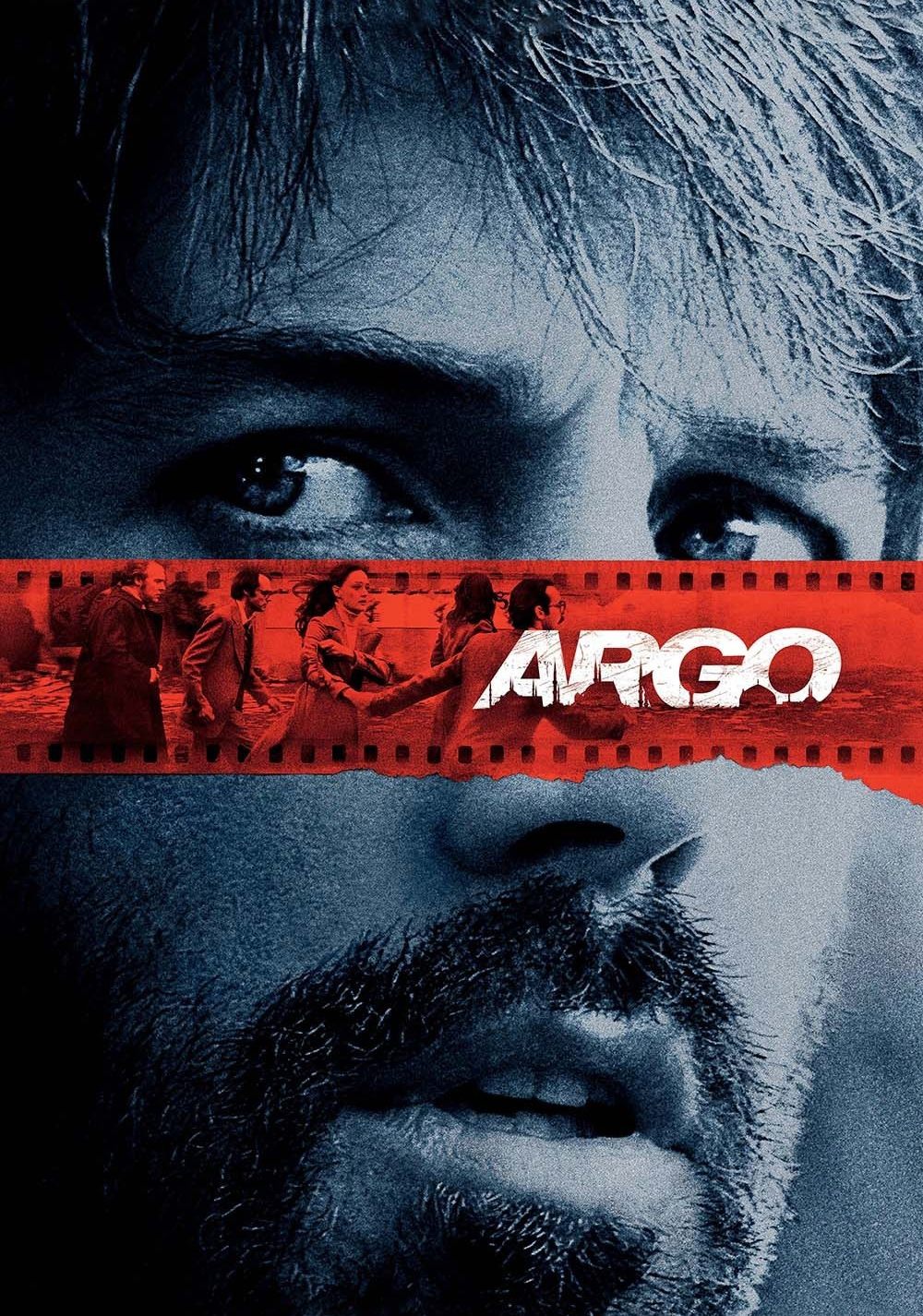
Argo
2012 film directed by Ben Affleck

Iran hostage crisis
The Iran hostage crisis began on November 4, 1979, when 66 Americans, including diplomats and other civilian personnel, were taken hostage at the Embassy of the United States in Tehran, with 52 of them being held until January 20, 1981. The incident occurred after the Muslim Student Followers of the Imam's Line stormed and occupied the building in the months following the Iranian Revolution. With support from Ruhollah Khomeini, who had led the Iranian Revolution and would eventually establish the present-day Islamic Republic of Iran, the hostage-takers demanded that the United States extradite Iranian king Mohammad Reza Pahlavi, who had been granted asylum by the Carter administration for cancer treatment. Notable among the assailants were Hossein Dehghan, Mohammad Ali Jafari, and Mohammad Bagheri. The hostage crisis contributed to a dramatic decline in Iran–United States relations. After 444 days, it came to an end with the signing of the Algiers Accords between the Iranian and American governments; Iran's king had died in Cairo, Egypt, on July 27, 1980.
People's Mojahedin Organization of Iran
political-militant organization
Operation Eagle Claw
1980 Delta Force failed operation for rescuing American hostages
Canadian Caper
Rescue of US diplomats from Iran, 1980
Hilarion Capucci
Melkite Greek Catholic Church Archbishop of Caesarea (1922–2017)
United Nations Security Council Resolution 457
United Nations Security Council resolution
Embassy of the United States, Tehran
former United States Embassy in Tehran, Iran

Nightline
Nightline (or ABC News Nightline) is ABC News' late-night television news program broadcast on ABC in the United States with a franchised formula to other networks and stations elsewhere in the world. Created by Roone Arledge, the program featured Ted Koppel as its main anchor from March 1980 until his retirement in November 2005. Its ongoing rotating anchors are Byron Pitts and Juju Chang. Nightline airs weeknights from 12:37 to 1:07 a.m., Eastern Time, after Jimmy Kimmel Live!, which had served as the program's lead-out from 2003 to 2012.
Sadegh Ghotbzadeh
Iranian politician (1936–1982)
Tony Mendez
American CIA technical operations officer and writer
United Nations Security Council Resolution 461
United Nations Security Council resolution
Algiers Accords
Set of agreements between the United States and Iran to resolve the Iran hostage crisis
America can't do a damn thing against us
slogan by Iranian leader Ayatollah Ruhollah Khomeini
Kenneth D. Taylor
Canadian diplomat, educator and businessman (1934-2015)
Mohammad Mousavi Khoeiniha
Iranian cleric
Bruce Laingen
United States diplomat (1922-2019)
John Limbert
American diplomat
Bomb Iran
lyrical adaption of "Barbara Ann"; song lyrics adapted by Fred Fassert
Mohsen Mirdamadi
Iranian academic and politician
Richard Morefield
American embassy staff member (1929-2010)