Category
page 1Irish royal consorts
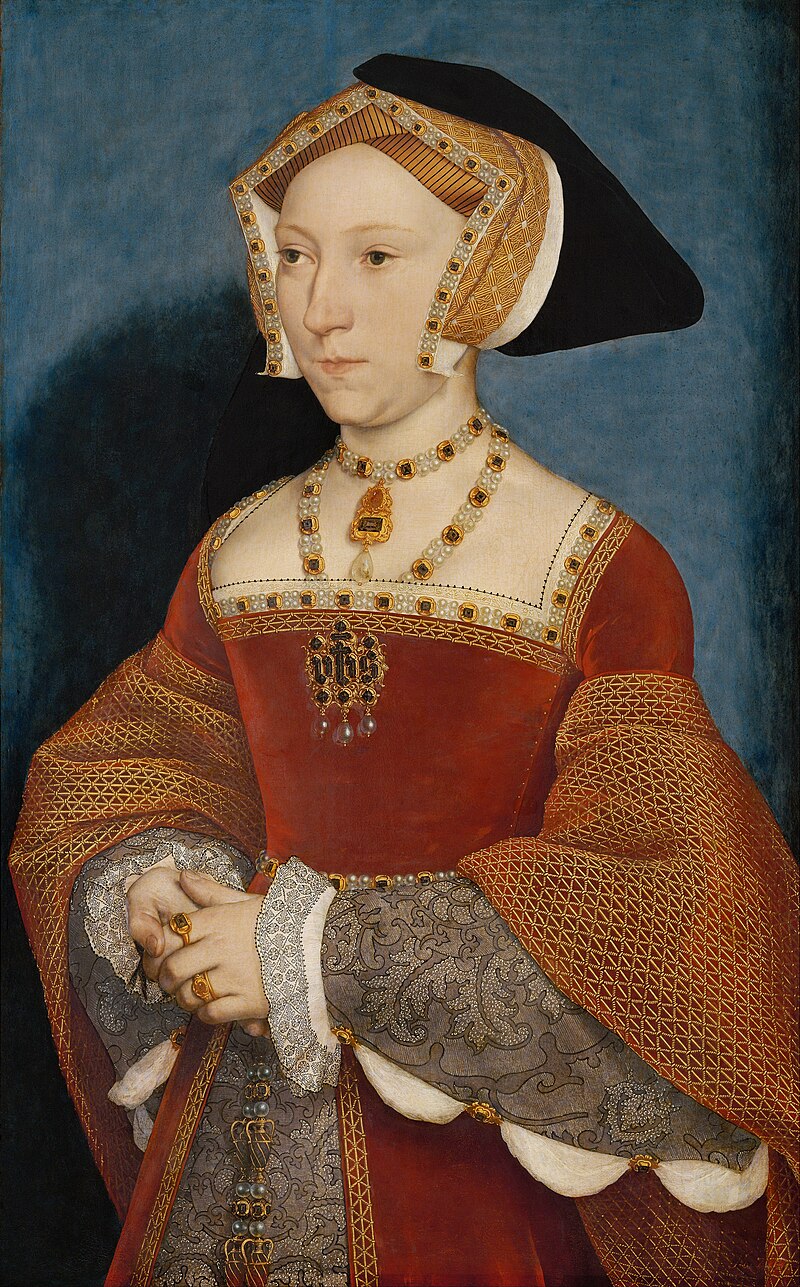
Jane Seymour
third wife of Henry VIII of England

Elizabeth of York
Queen of England

Margaret of Anjou
15th-century English royal consort (1430-1482)

Isabella of France
Queen consort of England

Henrietta Maria of France
queen consort of England, Scotland, and Ireland as the wife of King Charles I

Catherine of Braganza
Queen consort of England, Scotland and Ireland (1638–1705)

Eleanor of Castile
Infanta of Castile and queen consort of England
Eleanor of Provence
Queen of England (1223-1291)

Catherine of Valois
Queen consort of England
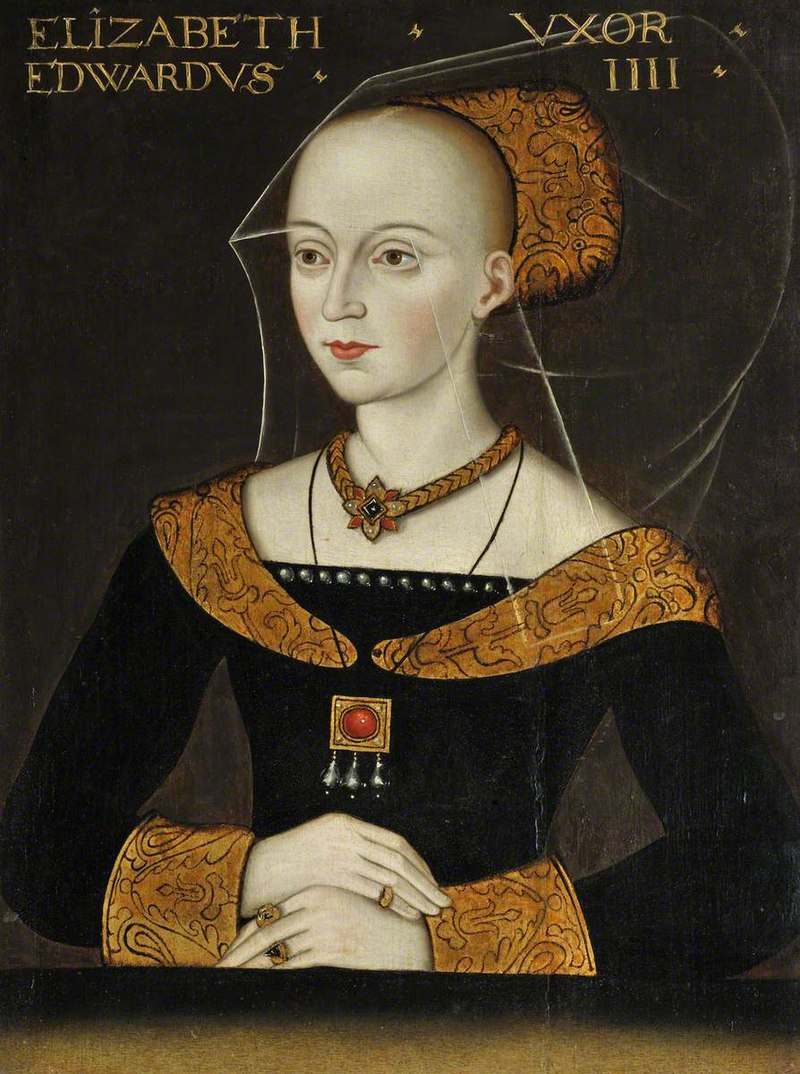
Elizabeth Woodville
Queen consort of England

Caroline of Ansbach
Queen Consort of Great Britain and Electress Consort of Hanover (1683-1737)

Anne Neville
Queen of England from 1483 to 1485

Isabella of Valois
Queen consort of England

Prince George, Duke of Cumberland
husband of Queen Anne, who reigned over Great Britain from 1702

Joan of Navarre
Queen of England, Duchess of Britain (1368-1437)

Margaret of France
Queen of England
Brigid
Brigid or Brigit ( , ; meaning 'exalted one'), also Bríg, is a goddess of pre-Christian Ireland. She appears in Irish mythology as a member of the Tuatha Dé Danann, the daughter of the Dagda and wife of Bres, with whom she had a son named Ruadán.

Banba
thumb|alt=water and a remote island|Dingle in Ireland
In Irish mythology, Banba (modern spelling: Banbha ), daughter of Delbáeth and Ernmas of the Tuatha Dé Danann, is a matron goddess of Ireland. She was married to Mac Cuill, a grandson of the Dagda.
Étaín
Étaín or Édaín (Modern Irish spelling: Éadaoin) is a figure of Irish mythology, best known as the heroine of Tochmarc Étaíne (The Wooing of Étaín), one of the oldest and richest stories of the Mythological Cycle. She also figures in the Middle Irish Togail Bruidne Dá Derga (''The Destruction of Da Derga's Hostel''). T. F. O'Rahilly identified her as a sun goddess.
Tailtiu
Tailtiu or Tailltiu (; modern spelling: Tailte) is the name of a presumed goddess from Irish mythology. The goddess's name is linked to Teltown (< OI Óenach Tailten) in Co. Meath, site of the Óenach Tailten. A legendary dindsenchas "lore of places" poem relates a myth connecting the presumed goddess Tailtiu with the site. However, linguistic analysis of the name reveals that Tailtiu as a place-name derives from a loan word of Brythonic origin represented by the Welsh telediw "well formed, beautiful." The mythological character of Tailtiu likely derives her name from the place-name.
Gormflaith ingen Murchada
Irish queen (960–1030 CE)
Fódla
In Irish mythology, Fódla or Fótla (modern spelling: Fódhla, Fodhla, Fóla), daughter of Delbáeth and Ernmas of the Tuatha Dé Danann, is one of the tutelary goddesses of Ireland. Her husband is Mac Cecht. Her name, pronounced (), is believed to derive from Old Irish ('sod, land'), indicating her nature as a goddess of the land. A fanciful etymology in the Book of Leinster reads it as , "a sod upon Díl," memorialising the death of a daughter of Míl Espáine.
Margaret O'Carroll
Irish noble