Category
page 1Irony theorists

Aristotle
Aristotle (; 384–322 BC) was an ancient Greek philosopher and polymath. His writings cover a broad range of subjects spanning the natural sciences, philosophy, linguistics, economics, politics, psychology, and the arts. As the founder of the Peripatetic school of philosophy in the Lyceum in Athens, he began the wider Aristotelian tradition that followed, which set the groundwork for the development of modern science.
.jpg)
Socrates
Socrates (; ; – 399 BC) was an ancient Greek philosopher from Classical Athens, perhaps the first Western moral philosopher, and a major inspiration on his student Plato, who largely founded the tradition of Western philosophy. An enigmatic figure, Socrates authored no texts and is known mainly through the posthumous accounts of classical writers, particularly his students Plato and Xenophon. These accounts are written as dialogues, in which Socrates and his interlocutors examine a subject in the style of question and answer; they gave rise to the Socratic dialogue literary genre. Contrad
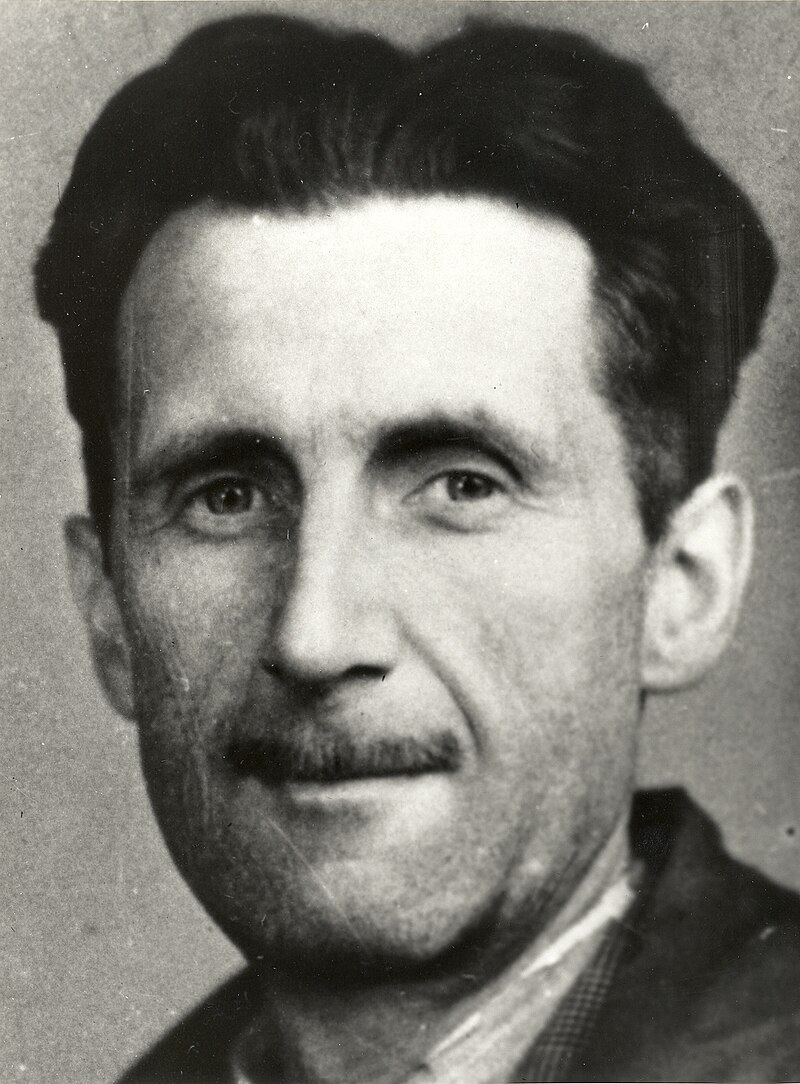
George Orwell
British writer and journalist (1903–1950)

James Joyce
Irish novelist and poet (1882–1941)

Søren Kierkegaard
Danish theologian, philosopher, poet and social critic (1813–1855)

Kurt Vonnegut
American author (1922–2007)

August Strindberg
Swedish writer and painter (1849–1912)

Edward Gibbon
English historian and politician (1737–1794)
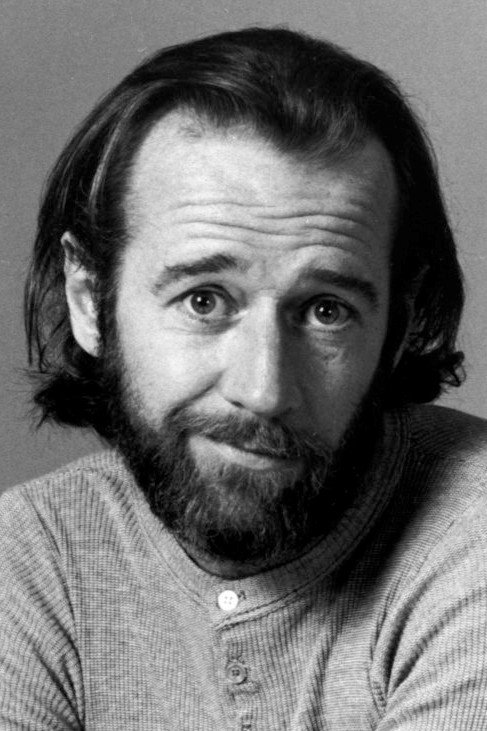
George Carlin
American stand-up comedian (1937–2008)

Gore Vidal
American writer (1925–2012)
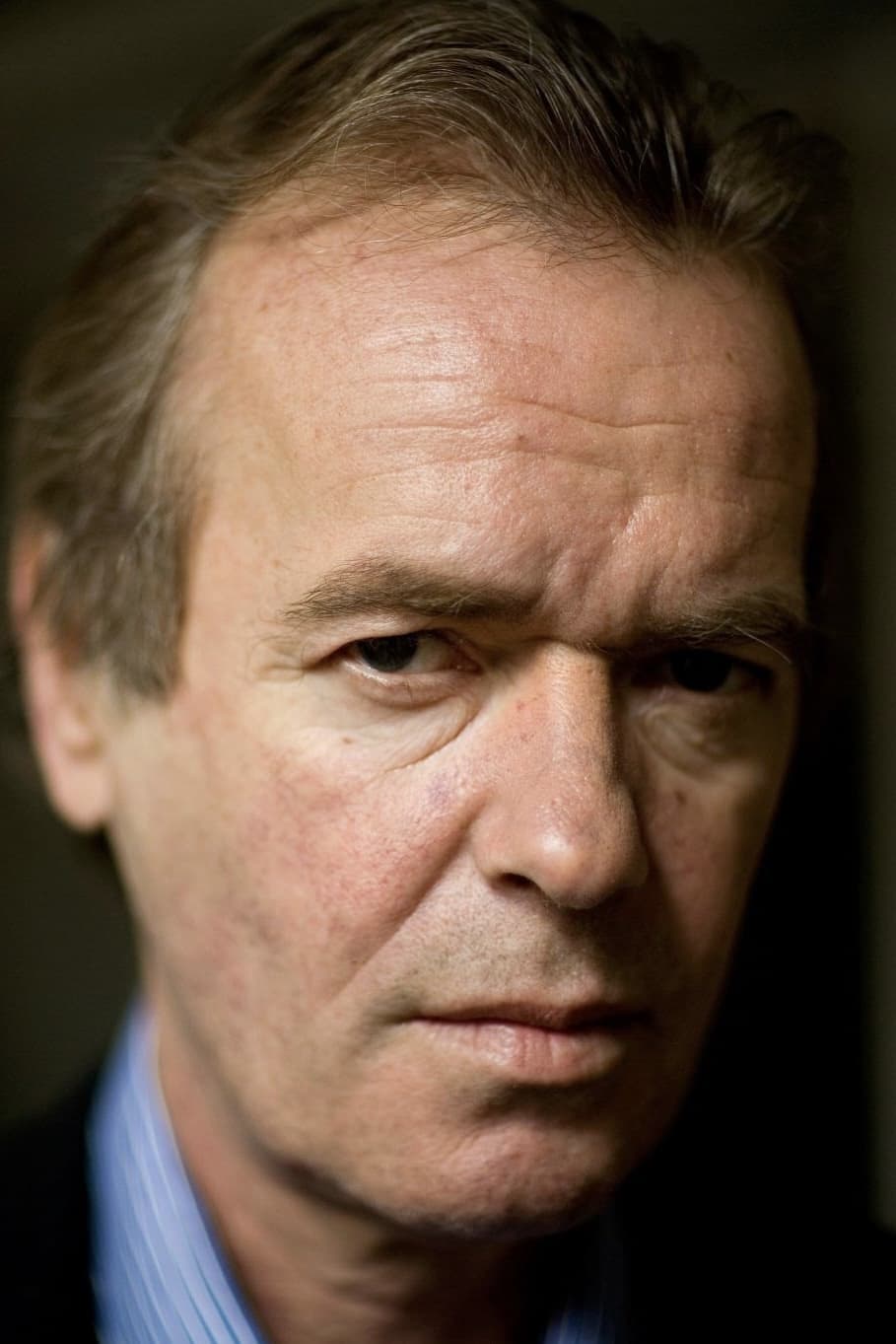
Martin Amis
British novelist
J. G. Ballard
British novelist (1930–2009)

Richard Rorty
American philosopher (1931–2007)
Vladimir Jankélévitch
French philosopher (1903–1985)
Paul de Man
Belgian literary theorist (1919–1983)
John Neal
American writer (1793–1876)
Wayne C. Booth
American academic
Linda Hutcheon
Canadian academic
Sidney Morgenbesser
American philosopher (1921–2004)
Harry Levin
American literary critic (1912–1994)