Category
page 1Japanese books

tankōbon
thumb|upright=1.35|Rows of manga
A is a standard publishing format for books in Japan, alongside other formats such as (17×11 cm paperback books) and . Used as a loanword in English, the term specifically refers to a printed collection of a manga that was previously published in a serialized format. Manga typically contain a handful of chapters, and may collect multiple volumes as a series continues publication.
The Book of Five Rings
text on kenjutsu and the martial arts, written by Miyamoto Musashi

Hagakure
thumb|Prohibited book of Nabeshima, Hagakure The Analects (abridged). 1939 edition.
thumb|upright|Cover of The Book of the Samurai
Hagakure (Kyūjitai: ; Shinjitai: ; ; meaning Hidden by the Leaves or Hidden Leaves), or , is a practical and spiritual guide for a warrior, drawn from a collection of commentaries by the clerk Yamamoto Tsunetomo, former retainer to Nabeshima Mitsushige (July 10, 1632 – July 2, 1700), the third ruler of what is now Saga Prefecture in Japan. compiled these commentaries from his conversations with Tsunetomo from 1709 to 1716; however, it was not published until many y

bunkobon
thumb|An assortment of bunkobon in a bookshop
In Japan, are small-format paperback books, designed to be affordable and space-saving.

Dokkōdō
The Dokkōdō (The Path of Aloneness, The Way to Go Forth Alone, or The Way of Walking Alone) is a short work on philosophy, written by the Japanese swordsman and strategist Miyamoto Musashi a week before he died in 1645. It consists of 21 precepts and was largely composed on the occasion of Musashi giving away his possessions in preparation for death. The work was dedicated to his favorite disciple who took the precepts to heart, Terao Magonojō, and to whom his earlier Go rin no sho (The Book of Five Rings) had been dedicated. Dokkōdō expresses a stringent, honest, and ascetic view of life.
The Complete Manual of Suicide
non-fiction work by Wataru Tsurumi
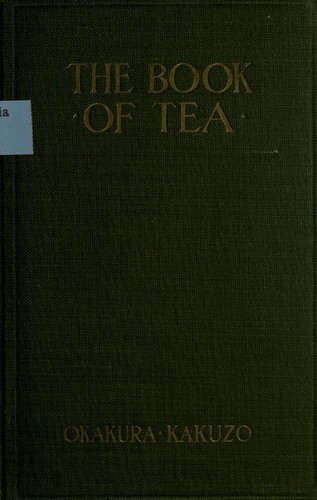
The Book of Tea
long essay
Bushido: The Soul of Japan
1899 book by Inazo Nitobe
Kwaidan: Stories and Studies of Strange Things
English work of Japanese horror and entomology
Ehon Hyaku Monogatari
Book of yōkai
Shasekishū
The , also read as Sasekishū, translated into English as Collection of Stone and Sand, is a five-volume collection of Buddhist parables written by the Japanese monk Mujū in 1283 during the Kamakura period.
obi
strip of paper looped around a book or other product
Edo Meisho Zue
One Hundred Views of Mt. Fuji
Series of ukiypo-e prints created by Hokusai from 1834 to 1840

e-hon
thumb|right|Cover and back of 2 bound-together volumes from the series
wasōbon
thumb|19th century books of Japan
'''' (, or ()) is a traditional book style in Japan that dates from the late eighth century AD with the printing of "Hyakumantō Darani" during the reign of Empress Shōtoku (764–770AD). Most of the books were hand-copied until the Edo period (1603–1867), when woodblock printing became comparatively affordable and widespread. Movable-type printing had been used from the late 16th century, but for various aesthetic and practical reasons woodblock printing and hand-copied remained dominant until much later. Japanese equivalents for "book" include 本 (hon) and 書籍 (s

Onna Daigaku
Rokudai Shōjiki
Japanese history book written in the early Kamakura period

Everyone Poops
book by Tarō Gomi
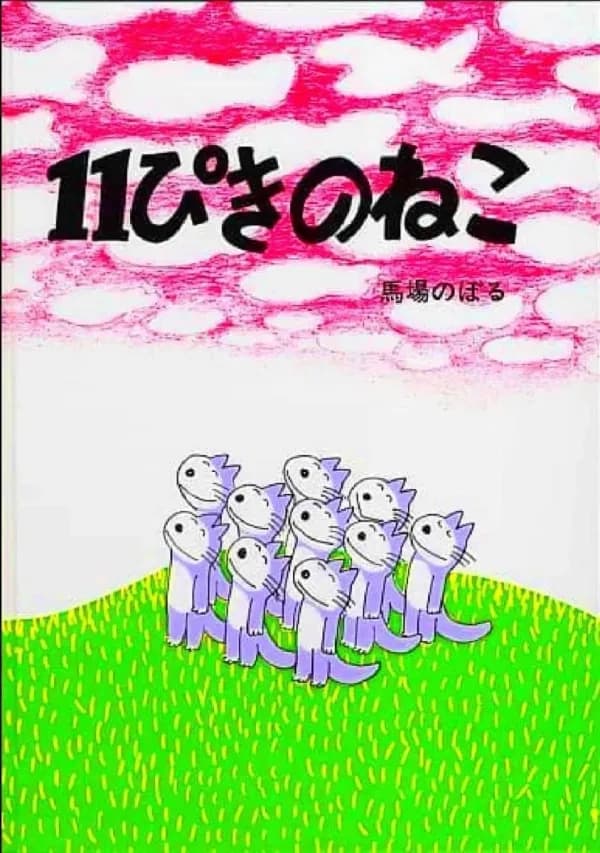
11 Piki no Neko
1980 film
Kodansha Box
Japanese publishing imprint
The Creative Gene
2021 autobiography by Hideo Kojima
Zenken Kojitsu
collection of biographies of Japanese historical figures by Kikuchi Yōsai