Category
page 1Japanese drinks
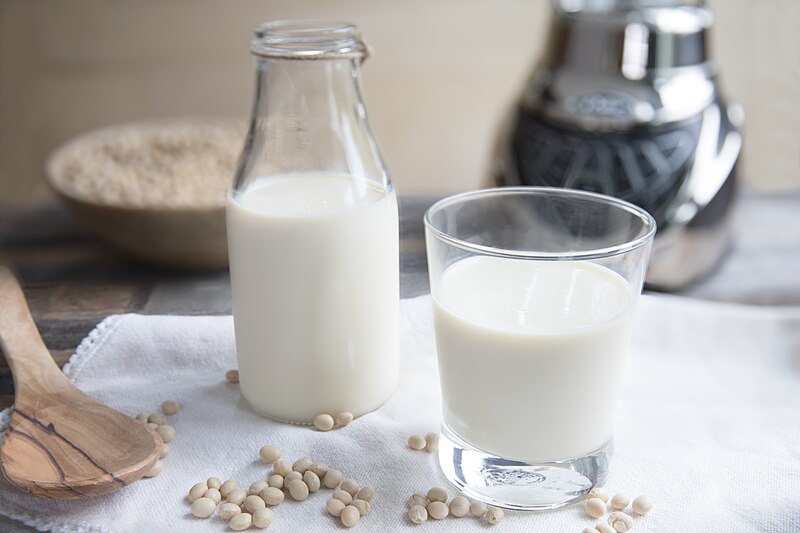
soy milk
beverage made from soybeans

awamori
thumb|right|A Various brands of awamori displayed in a shop
thumb|right|Habushu, a version of awamori bottled with habu vipers

amazake
thumb|260px|Several types of amazake from a supermarket
is a traditional sweet, low-alcohol or non-alcoholic Japanese drink made from fermented rice. Amazake dates from the Kofun period, and it is mentioned in the Nihon Shoki. It is part of the family of traditional Japanese foods made using the koji mold , which also includes miso, soy sauce, and sake.
ginger tea
hot water infused ginger roots

aojiru
thumb|Aojiru for sale in bottles, 2015

chūhai
thumb|Different chūhai canned drinks from Japan
right|upright|thumb|A can of lemon flavored "Chu-hi" with complimentary peanuts attached to the top

habushu
thumb|Pit vipers immersed in a bottle of
thumb|Bottles of habushu
is an -based liqueur made in the Ryukyu Islands. Other common names include habu sake or Okinawan snake wine. is named after the habu snake, Protobothrops flavoviridis, which belongs to the pit viper subfamily of vipers, and is closely related to the rattlesnake and copperhead. Like all vipers, Habu snakes are venomous. These snakes are native to parts of Southeast Asia, including large island groups such as the Philippines, Ryukyus, and Japan.
Japanese wine
overview of various aspects of Japanese wine culture
sakurayu
thumb|right|Pickled blossoms
thumb|right|A cup of sakurayu
Sakurayu (), Sakura-cha (桜茶), literally "cherry blossom tea", is a Japanese infusion created by steeping pickled cherry blossoms with boiled water. This combination becomes a type of herbal tea, and has been enjoyed in East Asian culture for many generations.
Amacha
is a Japanese herbal tea made from fermented leaves of Hydrangea macrophylla var. thunbergii. The name derives from the characters for and .
canned coffee
type of coffee drink
Fukamushicha
Fukamushi () or fukamushicha () is a type of Japanese sencha which has been deeply steamed (meaning its raw leaves undergo a relatively long steaming process of 1 to 3 minutes). This process results in tea with a fine powdery texture, a dark green infusion, and a rich flavor. It is usually brewed with water between 70 and 90 degrees Celsius, and for roughly 30 seconds.
black vinegar
informal grouping of Asian vinegars
cold brew tea
brewing method and product
Hoppy
low-alcohol beer-flavored beverage