Category
page 1Japanese lexicographers

Kūkai
, born posthumously called , was a Japanese Buddhist monk, calligrapher, and poet who founded the esoteric Shingon school of Buddhism. He travelled to China, where he studied Tangmi (Chinese Vajrayana Buddhism) under the monk Huiguo. Upon returning to Japan, he founded Shingon—the Japanese branch of Vajrayana Buddhism. With the blessing of several Emperors, Kūkai was able to preach Shingon teachings and found Shingon temples. Like other influential monks, Kūkai oversaw public works and constructions. Mount Kōya was chosen by him as a holy site, and he spent his later years there until his deat

Nitobe Inazō
Japanese educator, agricultural economist and diplomat (1862–1933)
Kunio Yanagita
Japanese folklorist (1875–1962)

Minamoto no Shitagō
Japanese poet
Hajime Nakamura
Japanese philosopher (1912-1999)
Kyōsuke Kindaichi
Japanese linguist (1882–1971)
Ōtsuki Fumihiko
Japanese linguist and lexicographer (1847–1928)
Yamada Bimyō
Japanese writer (1868–1910)
Tetsuji Morohashi
Japanese sinologist and lexicographer (1883–1982)
Nishi Amane
Japanese philosopher and politician (1829–1897)
Susumu Ōno
Japanese linguist (1919–2008)
Tadao Umesao
anthropologist

Jack Halpern
Kanji researcher, lexicographer, linguist
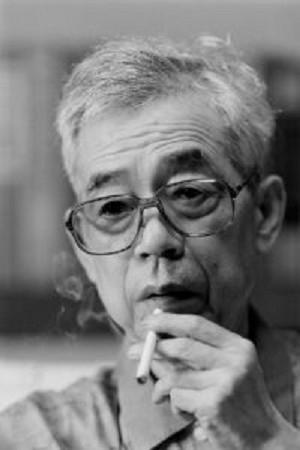
Fūtarō Yamada
Japanese novelist (1922–2001)
Ikuhiko Hata
Japanese historian
Haruhiko Kindaichi
Japanese lexicographer (1913–2004)