Category
page 1Japan–United States relations

International Space Station
The International Space Station (ISS) is a space station in low Earth orbit (LEO). It is the product of the International Space Station program and is operated by five partner space agencies: NASA, Roscosmos (Russia), ESA (Europe), JAXA (Japan), and CSA (Canada). It is the first space station built, maintained and crewed through international cooperation and the largest human spacecraft ever constructed. It is an orbital research station, where scientific experiments in microgravity are conducted and the space environment is studied. Since 2 November 2000, it has hosted the longest continuous presence of humans in space. Alongside Tiangong, it is one of the only two currently operational space stations.

Okinawa Prefecture
prefecture of Japan

G7
The Group of Seven (G7) is an intergovernmental political and economic forum consisting of Canada, France, Germany, Italy, Japan, the United Kingdom and the United States; additionally, the European Union (EU) is a "non-enumerated member". It is organized around shared values of pluralism, liberal democracy, and representative government. G7 members are major IMF advanced economies.

Treaty of San Francisco
peace treaty between Japan and the Allied Powers of World War II, officially ending the American-led Allied Occupation of Japan.
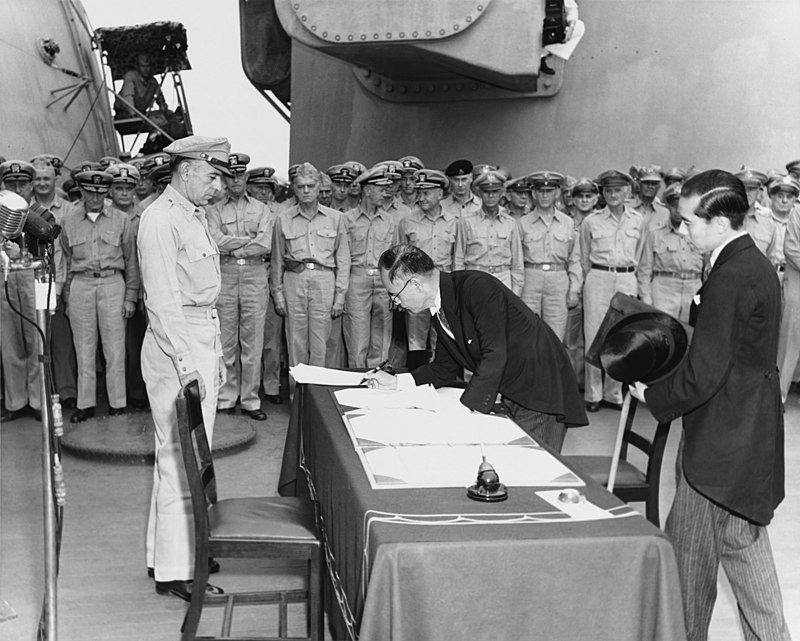
surrender of Japan
end of World War II, 2 September 1945

Treaty of Portsmouth
1905 peace treaty that ended the Russo-Japanese War

Trilateral Commission
non-governmental, non-partisan discussion group founded by David Rockefeller in July 1973, to foster closer cooperation among North America, Western Europe, and Japan
Washington Naval Conference
disarmament convention held by the United States from November 1921 to February 1922
Washington Naval Treaty
1922 international treaty concerning naval construction and fleet limits
Victory over Japan Day
day on which Japan surrendered, effectively ending World War II
Treaty of Mutual Cooperation and Security Between the United States and Japan
1960 treaty establishing the current Japanese-American military alliance
Japan–United States relations
bilateral relations between Japan and the United States
Daigo Fukuryū Maru
ship
Lod Airport massacre
1972 terrorist attack in Tel Aviv, Israel
London Naval Treaty
agreement between the United Kingdom, Japan, France, Italy and the United States, signed on 22 April 1930, which regulated submarine warfare and limited naval shipbuilding
Black Ships
historical name for European ships trading with Japan
Tokyo Rose
generic name used by Allied forces during World War II for English-speaking female broadcasters on Japanese propaganda radio stations
Iva Toguri D'Aquino
World War II propaganda announcer "Orphan Ann", and best-known "Tokyo Rose" announcer
H-I
The H–I (H–1) was a Japanese medium-lift launch vehicle, consisting of a licence-produced American first stage and set of booster rockets, and all-Japanese upper stages. The H in the name represented the use of liquid hydrogen fuel in the second stage. It was launched nine times between 1986 and 1992. It replaced the N-II, and was subsequently replaced by the H-II, which used the same upper stages with a Japanese first stage.
United States Forces Japan
American military command stationed in Japan
Hull note
American ultimatum to Imperial Japan leading to World War II
Purple
Japanese diplomatic code named Purple by the US
USS George Washington
1959 George Washington-class submarine
Stimson doctrine
policy that the United States of America will not recognize countries created by aggression
USS Panay incident
Japanese attack on a US gunboat in 1937
Lockheed bribery scandals
political scandal
N-I
Japanese launch vehicle
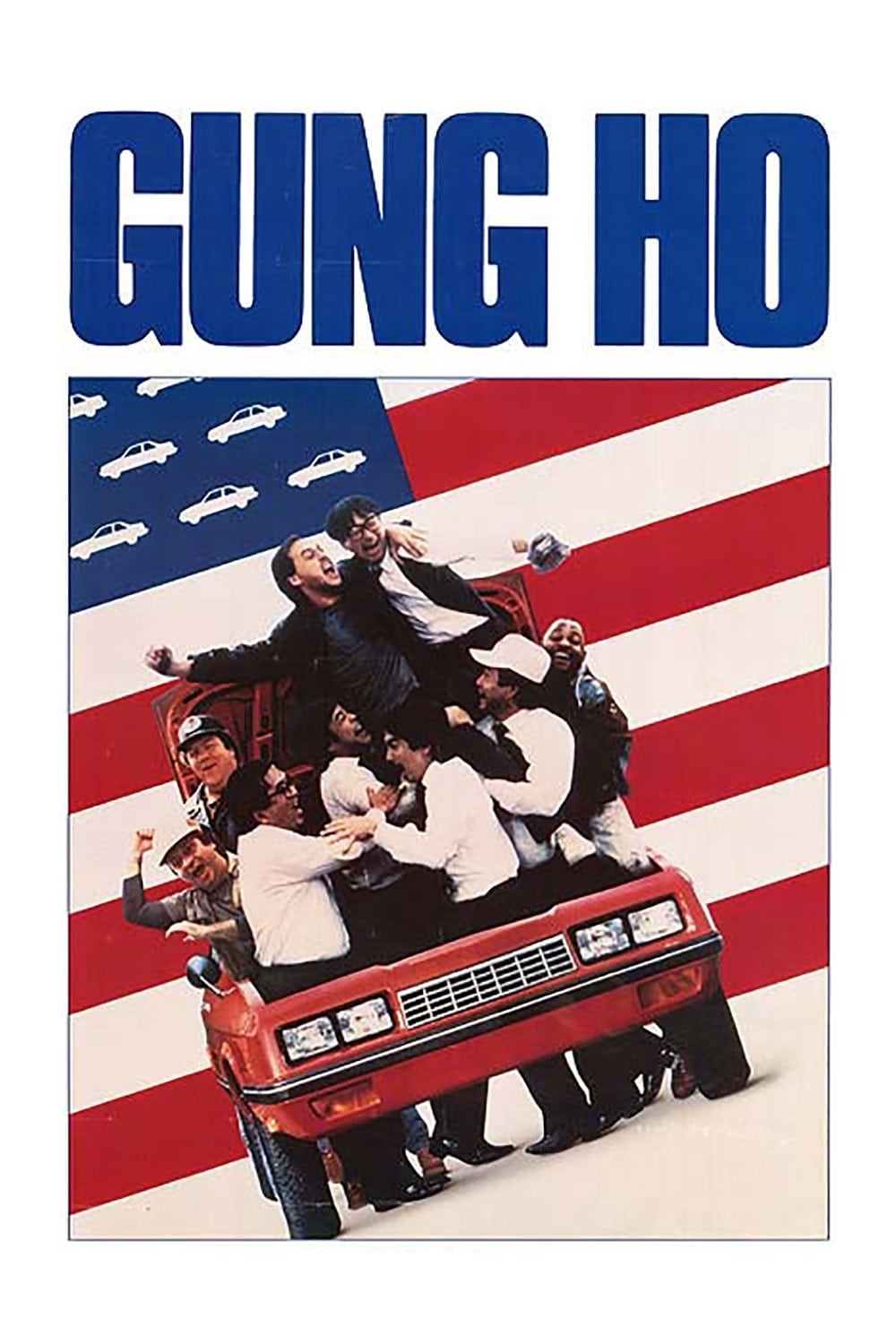
Gung Ho
1986 film by Ron Howard
N-II
Japanese launch vehicle
G8+5
The Group of Eight + Five (G8+5) was an international group that consisted of the leaders of the heads of government from the G8 nations (Canada, France, Germany, Italy, Japan, Russia, the United Kingdom, and the United States), plus the heads of government of the five leading emerging economies (Brazil, China, India, Mexico, and South Africa). In March 2014, Russia was removed from the Group of 8 for annexing Crimea, so the G8+5 in its original form is unlikely to reconvene with Russia present.

Jap
thumb|Headlines announcing Surrender of Japan|Japan's surrender in [[World War II]]
Jap is an English abbreviation of the word "Japanese". In the United States, Japanese Americans have come to find the term offensive because of the internment they suffered during World War II. Before the attack on Pearl Harbor, Jap was not considered primarily offensive. However, following the bombing of Pearl Harbor and the Japanese declaration of war on the US, the term began to be used derogatorily, as anti-Japanese sentiment increased. During the war, signs using the epithet, with messages such as "No Japs
Struggle Movement Against The Amendment of The Japan-United States Security Treaty in 1960 and 1970 Japan
Opposition Movement to The Amendment of The United States-Japan (or Japan-United States) Security Treaty in 1960 and 1970 Japan
Embassy of the United States, Tokyo
Diplomatic mission of the United States to Japan

Former Embassy of Japan to the United States
former embassy dispatched by Japan to the United States in 1860

Gentlemen's Agreement of 1907
international agreement between Japan and the U.S.

United States Civil Administration of the Ryukyu Islands
government agency
USS Newport News
1986 Los Angeles-class submarine
Ehime Maru and USS Greeneville collision
2001 maritime collision
1974 Mitsubishi heavy industries explosion incident
far-left terrorist attack in Tokyo
National Cherry Blossom Festival
spring event in Washington, D.C., United States
Embassy of Japan, Washington, D.C.
diplomatic mission
Voluntary export restraint
self-imposed quota, put in place by the importing country or industry

Morrison Incident
1837 bombardment
rape during the occupation of Japan
sexual crimes committed during the occupation of Japan
United States Military Government of the Ryukyu Islands
1945–1950 US administration of the Ryukyu Islands, Japan
Bureau of East Asian and Pacific Affairs
U.S. State Department division
Bloody May Day
riots in Japan on May 1, 1952
Toshiba-Kongsberg scandal
Cold War controversy
George H. W. Bush vomiting incident
when US President vomited into Japanese Prime Minister's lap
shooting of Yoshihiro Hattori
1992 fatal shooting of Yoshihiro Hattori

Yukio Okamoto
Japanese diplomatic commentator, businessman (1945-2020)
Rusk documents
document
Sunagawa struggle
protest
Japanese friendship dolls
1927 international exchange between the United States and Japan
anti-Japanese sentiment in the United States
history of racial discrimination
U.S.–Japan Alliance
international military alliance
ABCD line
series of embargoes against Japan beginning in 1940
Recreation and Amusement Association
system of brothels set up by the Japanese government for US occupation forces
Pacific Overtures
musical
Japanese naval codes
ciphers used by the Imperial Japanese Navy in World War II